Quick Answer
St Kilda suits buyers who want inner-bayside convenience, strong lifestyle amenity, and a property market where building quality matters as much as the postcode. It tends to appeal to owner-occupiers and investors who understand apartment living, strata due diligence, and micro-location differences street to street. If you want walkability, tram access, and beach-adjacent energy, it is compelling; if you want quiet, parking certainty, and low-noise living, you need to be selective.
Key Takeaways
- St Kilda is a lifestyle-led suburb where the right property type often matters more than broad suburb averages.
- Buyers should compare streets, building quality, and orientation because noise and amenity vary sharply.
- The suburb suits live-in owners, downsizers, and investors seeking broad tenant appeal rather than pure yield.
- Apartments dominate much of the accessible market, so strata health is a major purchase filter.
- Well-located, well-presented homes usually have the strongest resale confidence and rental practicality.
Pros & Cons
Pros
- Inner-bayside lifestyle with beach, dining, and entertainment within easy reach.
- Broad appeal to renters and owner-occupiers across multiple life stages.
- Good transport access supports car-light living and CBD connectivity.
Cons
- Noise, foot traffic, and nightlife spillover can affect some pockets.
- Older stock may bring renovation uncertainty and higher maintenance costs.
- Parking, strata fees, and special levies can materially change ownership economics.
Market Overview
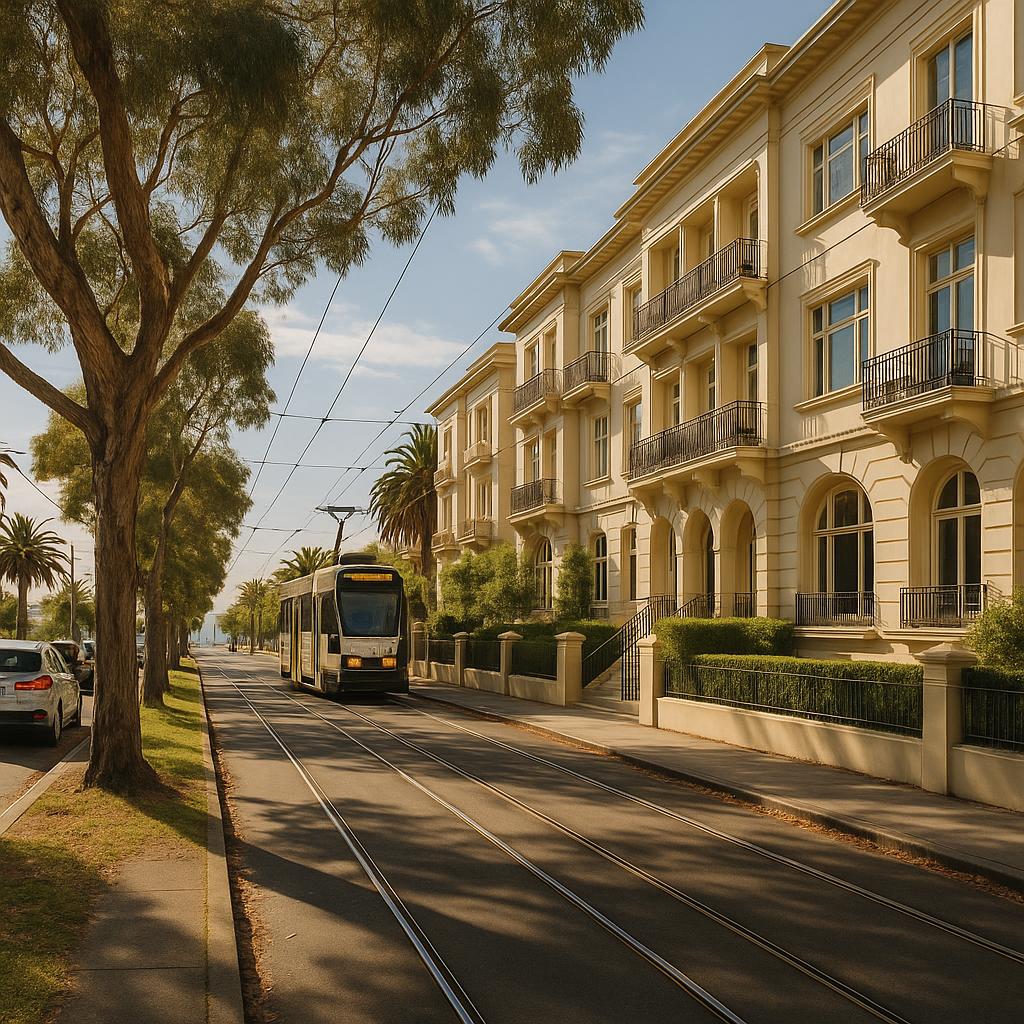
St Kilda is an inner-bayside Melbourne suburb with a strong lifestyle brand, varied housing stock, and clear micro-market differences. The market is shaped by beach access, tram connectivity, proximity to the CBD, and a mix of apartments, period homes, and converted buildings. In practice, buyers are not just purchasing a suburb name; they are buying a street, a building, and a level of liveability.
That means recent sales should be compared by property type, condition, and position rather than suburb-wide assumptions. A renovated apartment in a quieter pocket can behave very differently from a similar-sized unit near busy entertainment strips. For investors, this is a suburb where tenant appeal is real, but building quality, layout, and strata health can make or break performance.
St Kilda often suits buyers who want convenience and character over space. Owner-occupiers may pay for light, storage, and a calmer aspect, while investors tend to favour low-maintenance stock with broad tenant demand. The strongest opportunities usually come from properties that balance lifestyle access with practical liveability.
Buyer Demand
Buyer demand in St Kilda is typically driven by lifestyle-first purchasers, downsizers, and investors who want dependable tenant depth. First-home buyers are often drawn to apartment entry points, while established buyers may target character homes or boutique developments for more individuality.
Demand is strongest where the property is easy to live in and easy to resell: good natural light, sensible layouts, manageable strata, and transport access. A renovated apartment with parking and a quiet orientation will usually attract a wider buyer pool than a dated unit in a noisy or poorly maintained building.
Rental Market
St Kilda has broad rental appeal because it offers beach proximity, convenience, and a recognisable lifestyle address. Typical tenant profiles include professionals, couples, students connected to nearby education hubs, and renters who want a low-maintenance base close to the CBD and inner suburbs.
For landlords, the best-performing stock is usually well-presented apartments with functional layouts, heating and cooling, and decent storage. Buildings with poor acoustics, awkward floor plans, or weak maintenance histories can be harder to lease and retain tenants, even when the location is strong.
Lifestyle, Transport & Schools
St Kilda’s lifestyle appeal comes from its blend of beach access, cafes, dining, entertainment, and strong walkability. That mix is a genuine market driver, not just a nice-to-have, because many purchasers are actively choosing amenity over land size. It is particularly attractive to buyers who want an active, car-light daily routine.
Transport connectivity broadens the buyer and renter pool. Tram access supports travel into the CBD and surrounding inner suburbs, which is especially important for professionals and downsizers who do not want to rely on driving for every trip. Buyers should still test the route from the specific property, because convenience varies by street and tram stop proximity.
Families should independently verify school options, catchments, and enrolment requirements before buying. In a suburb like St Kilda, school access can influence value for some purchasers, but the relative importance depends on the household’s stage of life and whether they prioritise quieter streets, parks, and daily logistics over nightlife and beach culture.
St Kilda (Vic.) Suburb Profile
Official 2021 Census snapshot for the ABS Suburbs and Localities geography.
Age profile
Housing tenure
Occupied private dwellings by tenure type.
Salary & income profile
Median total income reported in the Census.
*Annual figures are weekly median × 52 estimates, not separate ABS annual medians.
Education & qualifications
Highest educational attainment, people aged 15+.
Employment status
People aged 15+ who reported being in the labour force.
Industry of employment
Top responses among employed people aged 15 years and over.
Occupation profile
Broad occupation groups among employed residents, including managers.
Property Type Guide
- Apartments: the most common entry point; best for low maintenance, but inspect strata fees, acoustics, and building condition carefully.
- Art Deco and period homes: sought after for character and charm; verify heritage controls, renovation scope, and ongoing upkeep.
- Townhouses and boutique developments: useful for buyers wanting more space without full-house maintenance; check layout efficiency and owners corporation quality.
- Older converted buildings: can offer individuality and value; due diligence matters because hidden maintenance issues are more common.
- Best fit by buyer type: owner-occupiers should prioritise light, quiet, and liveability; investors should prioritise tenant appeal and low maintenance.
Risks & Watch-Outs
- Do not assume all of St Kilda performs the same; a noisy pocket can behave very differently from a quieter residential street.
- Always review owners corporation records, because strata costs and special levies can materially affect affordability.
- Check for noise, vibration, and privacy issues at different times of day, especially near nightlife or high-traffic corridors.
- Do not rely on cosmetic renovation alone; poor building fundamentals can create long-term holding costs.
- Parking and storage need to be tested in real terms, not assumed from the floor plan or listing description.
Nearby Suburbs to Compare
- South Yarra
- Richmond
- Melbourne
- Albert Park
- Elwood
- Balaclava
FAQ
Is St Kilda a good suburb for first-home buyers?
Yes, if you are comfortable with apartment living, strata costs, and a busy inner-bayside environment. First-home buyers often enter through smaller apartments, but they should focus on building quality, noise, and transport access rather than chasing the cheapest advertised price.
Is St Kilda better for investors or owner-occupiers?
It can suit both, but the winning strategy depends on the property type. Investors usually do best with low-maintenance stock that has broad tenant appeal, while owner-occupiers may pay more for quiet, light, and lifestyle features that improve day-to-day comfort.
What property type is best in St Kilda?
There is no universal best option. Apartments are practical and common, period homes offer character, and boutique developments can balance space with convenience. The right choice depends on whether you prioritise maintenance, privacy, amenity, or long-term resale flexibility.
What should I check before buying in St Kilda?
Check owners corporation records, recent building maintenance, noise exposure, natural light, parking, and storage. Also compare recent sales in the same building or immediate pocket, because suburb-wide averages can hide significant differences between streets and building stock.
Is St Kilda family-friendly?
It can be, but family suitability is pocket-specific. Quieter residential streets, park access, and transport convenience matter more for families than the general lifestyle brand. Families should also verify schools, catchments, and day-to-day logistics before committing.
Conclusion
St Kilda is a suburb where lifestyle, convenience, and property quality all influence outcomes. It can reward buyers who think carefully about building condition, street noise, and ownership costs rather than relying on the suburb’s brand alone. For the right home or investment, it offers enduring appeal and practical rental depth.
Sources & how to verify
- Check current sold and advertised listings on Domain to compare property type, pricing signals, and how different pockets are being marketed.
- Review realestate.com.au for current rentals and recent sales so you can judge tenant demand and presentation standards in real time.
- Use the Australian Bureau of Statistics Census to understand broad demographic context, but do not treat older census snapshots as current market data.
- Check local planning and heritage controls through the City of Port Phillip website to confirm overlays, development rules, and nearby public works that may affect a property.
- Verify tram and station access through Public Transport Victoria so you can test actual connectivity from the specific address, not just the suburb name.
- Review school zones and enrolment information via Find My School because zoning and intake areas can change and should be checked directly.
- Request owners corporation records, minutes, and financial statements before buying an apartment, because levies, defects, and repair plans are often clearer there than in any listing.
- Inspect recent comparable sales in the same building or immediate street, because in St Kilda, micro-location and building quality often matter more than broad suburb commentary.