Quick Answer
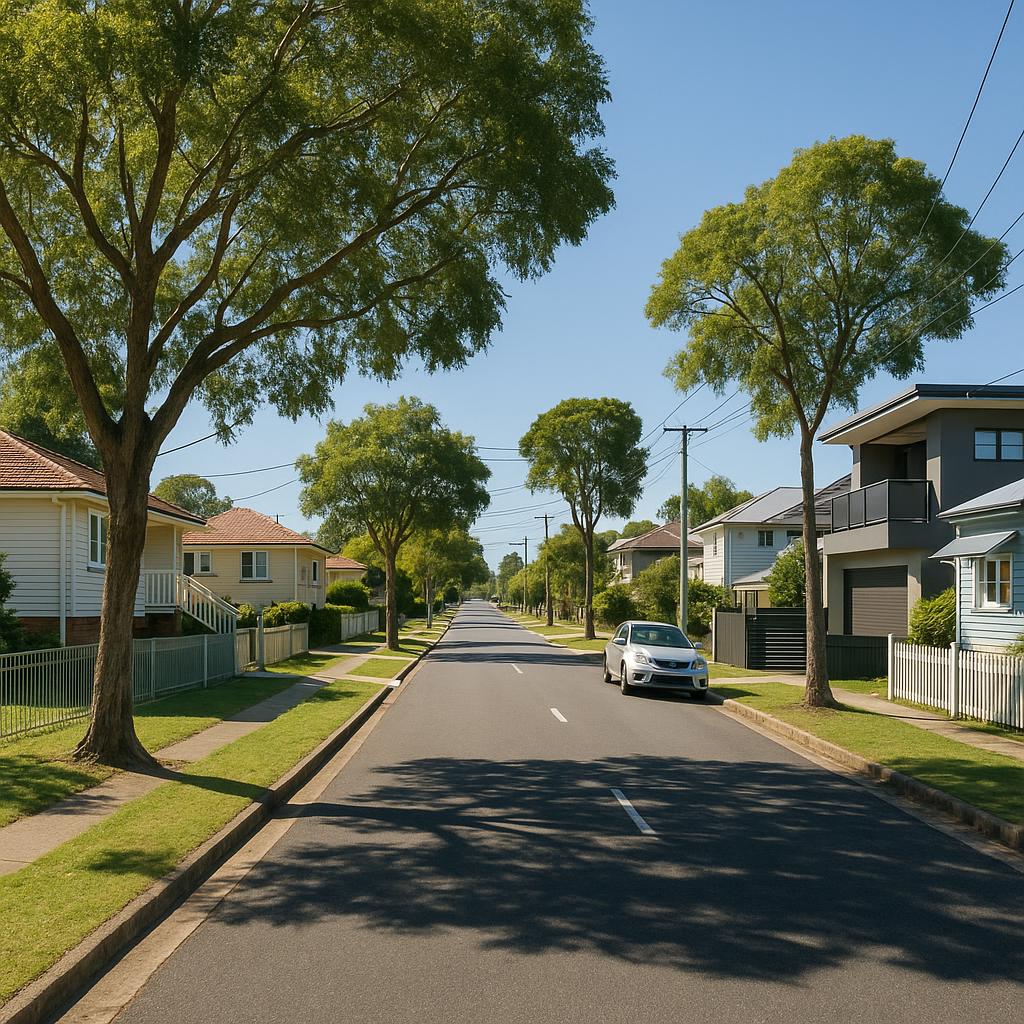
Virginia is a practical inner-north Brisbane suburb with strong access to major transport corridors, everyday convenience, and a housing mix that can suit both buyers and investors. It is generally best for people who prioritise connectivity, functionality, and a straightforward commute over a highly curated lifestyle setting. The key is street-level due diligence: some pockets will feel more residential and appealing than others, so the exact property matters as much as the suburb name.
Key Takeaways
- Virginia suits buyers who value inner-north convenience, practical living, and easy access to Brisbane’s employment corridors.
- The suburb’s appeal is driven more by location and functionality than by prestige, waterfront, or cafe-strip lifestyle branding.
- Property selection is street-specific, so the best outcome comes from checking nearby uses, noise exposure, and access conditions.
- Investors should focus on low-maintenance dwellings that match tenant demand for convenience, parking, and easy commuting.
- Nearby suburb comparisons matter because similar locations can offer very different trade-offs in liveability, housing style, and value.
Pros & Cons
Pros
- venient inner-north Brisbane position with practical commuting advantages.
- Broad appeal for both owner-occupiers and tenants who need access and flexibility.
- Mixed housing stock can create different entry points for buyers and investors.
Cons
- Some streets may feel more functional than leafy or lifestyle-focused.
- Traffic, noise, and surrounding land-use impacts can affect certain pockets.
- Suburb-wide assumptions can be misleading without checking the exact address.
Market Overview
Virginia sits in Brisbane’s inner north and is best understood as a convenience-led suburb rather than a prestige or lifestyle destination. Its market profile is shaped by access, commuter practicality, and a mix of residential housing alongside commercial and industrial influences nearby.
For buyers, that means value often depends on the street, the dwelling type, and how well the property balances liveability with transport access. For investors, the suburb’s attraction is not a headline figure; it is the ongoing usefulness of the location for tenants who want efficiency in daily life.
In simple terms, Virginia can work well for people who want to stay connected to Brisbane without paying for a more lifestyle-branded suburb. The trade-off is that some pockets will suit practical buyers far more than those chasing a quiet, village-style feel.
Buyer Demand
Demand in Virginia tends to come from buyers who value utility: commuters, first-home buyers, downsizers, and households wanting an easier daily routine. The suburb can appeal because it removes friction from travel and everyday tasks, which is often more important than aesthetics for a large part of the market.
That said, buyers are usually selective about the exact property. A well-presented home in a better pocket may attract stronger interest than a generic listing elsewhere in the suburb, so street quality and surrounding land uses remain central to demand.
Rental Market
Virginia’s rental appeal is closely tied to convenience. Tenants who prioritise access to work, roads, and nearby services may consider the suburb before looking at more lifestyle-driven alternatives. That makes low-maintenance homes and practical layouts especially relevant.
For investors, the key is fit. A property that is easy to maintain, easy to access, and easy to live in is more likely to resonate with the tenant pool here than a dwelling that relies on cosmetic appeal alone. Check current listings and comparable rents to confirm how specific property types are performing.
Lifestyle, Transport & Schools
Virginia offers a functional, connected lifestyle rather than a polished suburban village atmosphere. That can be a strength for buyers who want efficient routines, shorter travel times, and day-to-day practicality over weekend-style lifestyle branding.
Transport is one of the suburb’s major advantages. Access to key roads and public transport options helps explain why Virginia remains relevant to commuters and renters alike. Buyers should test travel patterns at different times of day, because convenience on a map can feel very different in peak traffic.
For schools, families should verify catchments and school options directly with official sources before making assumptions. Education priorities can materially change where a buyer chooses to live, and the best pocket in the suburb will depend on the family’s daily routine as much as the property itself.
Virginia (Qld) Suburb Profile
Official 2021 Census snapshot for the ABS Suburbs and Localities geography.
Age profile
Housing tenure
Occupied private dwellings by tenure type.
Salary & income profile
Median total income reported in the Census.
*Annual figures are weekly median × 52 estimates, not separate ABS annual medians.
Education & qualifications
Highest educational attainment, people aged 15+.
Employment status
People aged 15+ who reported being in the labour force.
Industry of employment
Top responses among employed people aged 15 years and over.
Occupation profile
Broad occupation groups among employed residents, including managers.
Property Type Guide
- Older detached homes: Often appeal to buyers wanting land, flexibility, and possible renovation upside, but condition and maintenance need close attention.
- Updated houses: Can suit owner-occupiers who want a move-in-ready option without taking on a full renovation project.
- Townhouses or low-maintenance dwellings: May be attractive to busy professionals, downsizers, and investors seeking simpler upkeep.
- Infill or smaller-lot opportunities: Can work where the street context supports them, but always compare the surrounding built form and access.
- Renovation candidates: Best approached with a firm budget, a clear scope, and a careful inspection for hidden issues.
In Virginia, the property type should be chosen after you understand the street, not before. A modest dwelling in a better pocket can outperform a more impressive home in a weaker location.
Risks & Watch-Outs
- Street-by-street variation can be significant, so do not treat the suburb as one uniform market.
- Noise, traffic, and exposure to nearby non-residential uses may affect livability and resale appeal.
- Convenience can tempt buyers to overpay if they do not compare alternative suburbs first.
- Older homes may need more maintenance than expected, especially if renovation quality is uneven.
- Investor demand is strongest when the dwelling matches the needs of practical tenants, not just the suburb profile.
Nearby Suburbs to Compare
Virginia is best compared with nearby suburbs that offer similar access but different lifestyle or housing trade-offs:
FAQ
Is Virginia QLD good for first-home buyers?
It can be, especially for buyers who want inner-north Brisbane access without chasing a prestige price bracket. The main question is whether the exact street suits your lifestyle, travel needs, and tolerance for surrounding land uses.
Is Virginia QLD good for investors?
Potentially yes, if the property matches practical tenant demand. Investors should focus on low-maintenance dwellings, good access, and straightforward liveability. A strong suburb location does not automatically compensate for a hard-to-rent property.
What type of property is best in Virginia?
There is no single best type. Older houses, updated homes, and lower-maintenance dwellings can all work, depending on your strategy. The right choice comes down to maintenance tolerance, target tenant or buyer, and street quality.
Is Virginia a lifestyle suburb?
Not in the classic sense. Virginia is more functional than fashionable, with its value tied to convenience and access. Buyers wanting cafes, parkland, and a polished village atmosphere may prefer a different nearby suburb.
What should buyers check before purchasing?
Inspect the immediate street, surrounding uses, traffic flow, and any noise exposure at different times of day. Then confirm school catchments, transport access, and comparable property sales so the purchase is based on evidence, not just suburb reputation.
Conclusion
Virginia is a solid example of a suburb where practicality matters more than polish. It can suit investors, first-home buyers, and owners who want access, convenience, and a broad housing mix. The best results come from comparing suburbs properly, checking the street carefully, and choosing a property that matches the way people actually live.
Sources & How to Verify
- Check current sold and rental listings on Domain to see how Virginia compares with nearby suburbs and property types.
- Use realestate.com.au to review active listings, listing history, and the style of homes currently attracting attention.
- Confirm planning and zoning information through Brisbane City Council City Plan so you understand any nearby uses that may affect livability or future change.
- Review transport access using Translink and local route maps to test how practical the commute really is at your travel times.
- Check school catchments and official school information via Queensland Government school finder before relying on informal suburb commentary.
- Use ABS for broad census context, but treat it as background only rather than a substitute for current market evidence.
- Inspect the exact street at different times of day so you can judge noise, traffic, parking, and surrounding activity in real conditions.