Quick Answer
Banyo suits buyers who want a practical north Brisbane suburb with solid commuter appeal, a mix of housing choices, and steady everyday livability. It is often worth considering if you want better access than many outer suburbs without paying inner-north premiums. The best outcomes usually come from choosing the right street and property type, because amenity, traffic exposure, and maintenance needs can vary a lot. For investors, the draw is tenant demand that is driven by convenience rather than hype.
Key Takeaways
- Banyo can suit both owner-occupiers and investors, but the winning strategy depends on the property type and exact pocket.
- Commuter access is a major reason buyers look here, so transport convenience should be checked street by street.
- Homes with usable land, practical layouts, and low-friction access usually attract stronger long-term interest.
- Investors should focus on tenant fit, maintenance costs, and presentation rather than assuming the suburb name does the work.
- Comparing Banyo with nearby northside suburbs helps reveal whether you are buying value, convenience, or liveability.
Pros & Cons
Pros
- venient northside location for commuters and local upgraders
- Broad appeal across families, first-home buyers, and investors
- Different dwelling types create flexible entry points
Cons
- Street quality and amenity can vary noticeably within the suburb
- Some pockets may feel less private or more traffic-exposed
- Older homes can require meaningful maintenance or upgrade spending
Market Overview
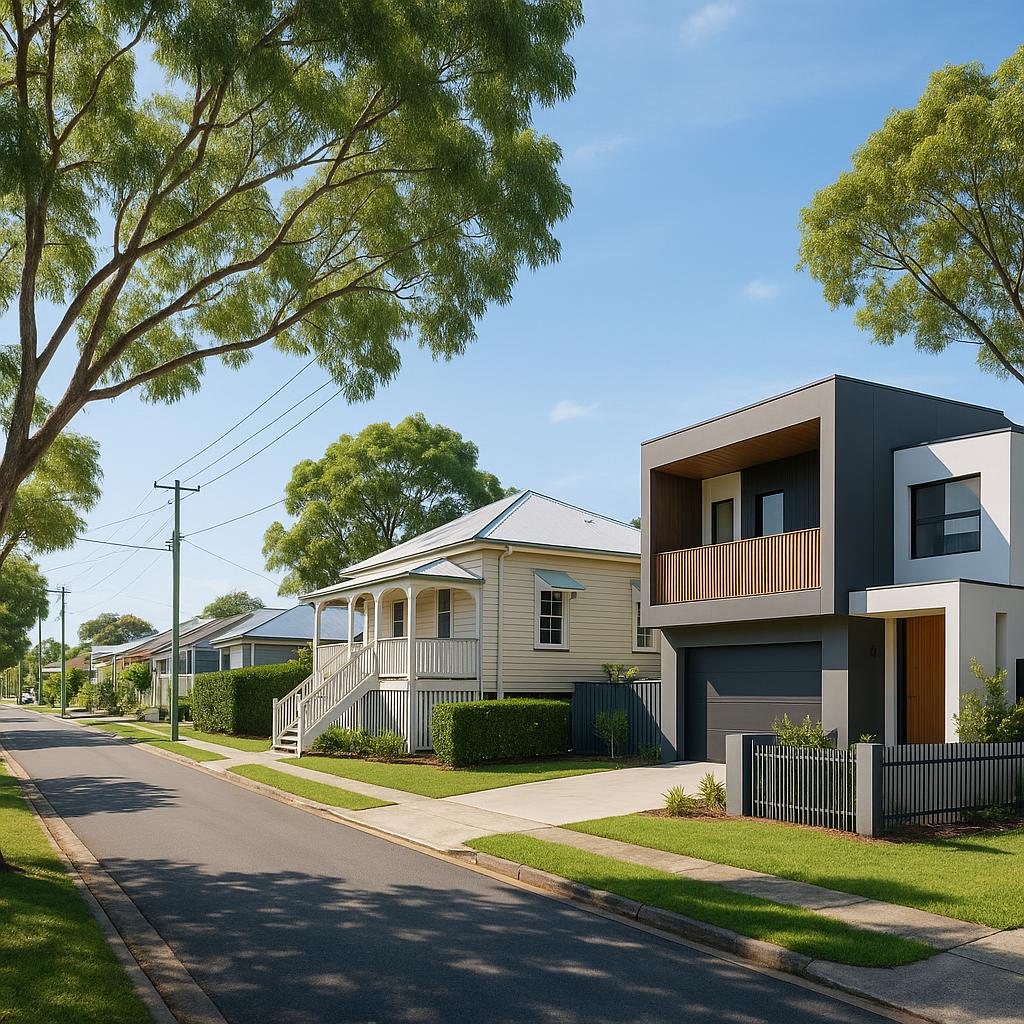
Banyo is a practical Brisbane northside suburb that appeals to buyers who value access, day-to-day convenience, and a more grounded suburban feel. It is not a one-size-fits-all market: some streets suit families seeking homes with land, while others fit buyers prioritising lower-maintenance living or a simpler commute.
That mix is important for investors and homeowners alike. Banyo can be attractive for its balance of liveability and access to employment corridors, but the exact property type matters as much as the suburb label. A well-located townhouse may suit one buyer, while a modest house on a better block may suit another.
When assessing Banyo, think in terms of micro-locations. Road exposure, rail proximity, surrounding development, and home condition can all change the experience of ownership. A strong purchase here is usually one that matches the dwelling to the buyer’s use case, not just the suburb’s reputation.
Buyer Demand
Buyer demand in Banyo tends to come from people who want a useful northside base rather than a prestige address. First-home buyers often look for a way into the area with manageable upkeep, while families focus on practical living and access to daily essentials. Investors are usually drawn by the potential for stable tenant interest where the property is easy to maintain and simple to occupy.
Demand is strongest for properties that remove friction: good layout, sensible parking, straightforward access, and a street that feels comfortable to live in. If you are comparing options, ask whether the property suits a live-in buyer, a tenant, or both. That distinction often matters more than broad suburb sentiment.
Rental Market
Banyo can appeal to renters who prioritise commuting convenience and a suburban lifestyle without unnecessary complexity. This is typically the kind of market where practical homes, neat presentation, and low-maintenance layouts matter more than trendy finishes alone. A well-kept property will usually be easier to lease than one that is simply located in a popular suburb.
For investors, the key is matching the dwelling to the likely tenant pool. Townhouses and smaller dwellings can work well for tenants seeking low upkeep, while houses may appeal to households wanting more space and longer tenure. Always verify current asking rents and vacancy conditions on live listing platforms before relying on any general view of the market.
Lifestyle, Transport & Schools
Banyo offers a straightforward suburban lifestyle with practical access to services and commuting routes. It tends to suit people who want convenience without the density or pace of inner-city living. That makes it appealing to buyers who value routine, easy access, and a calmer home base.
Transport is a key part of the suburb’s appeal, especially for workers who need rail access or efficient road connections across Brisbane’s northside. Schools and family choices should be checked directly rather than assumed from suburb reputation, because catchments and preferences vary. For many buyers, Banyo’s value lies in how easily it supports the daily grind: drop-offs, commuting, errands, and weekend living.
Banyo Suburb Profile
Official 2021 Census snapshot for the ABS Suburbs and Localities geography.
Age profile
Housing tenure
Occupied private dwellings by tenure type.
Salary & income profile
Median total income reported in the Census.
*Annual figures are weekly median × 52 estimates, not separate ABS annual medians.
Education & qualifications
Highest educational attainment, people aged 15+.
Employment status
People aged 15+ who reported being in the labour force.
Industry of employment
Top responses among employed people aged 15 years and over.
Occupation profile
Broad occupation groups among employed residents, including managers.
Property Type Guide
- Houses: Best for buyers wanting land, flexibility, and future improvement potential; inspect carefully for maintenance and renovation quality.
- Townhouses: Often suit buyers prioritising convenience and lower upkeep; check body corporate arrangements and outdoor space limits.
- Units: Can offer lower-maintenance entry or investment options; building quality, levies, and owner-occupier appeal matter a lot.
- Best fit by goal: Families often lean toward houses, commuters toward townhouses, and budget-conscious buyers toward well-managed units.
Risks & Watch-Outs
- Do not assume every street in Banyo delivers the same lifestyle or resale appeal.
- Check for traffic, rail noise, and surrounding land use before you commit.
- Older homes may look affordable but can hide expensive repair or upgrade needs.
- Flood awareness, drainage, and title issues should be checked through official sources, not guesswork.
- Investors should confirm that the property matches tenant expectations for parking, storage, and layout.
Nearby Suburbs to Compare
FAQ
Is Banyo a good suburb for first-home buyers?
Banyo can be a sensible option for first-home buyers who want a northside location with practical access and multiple property types. It is especially worth considering if you value commute convenience and want to compare houses, townhouses, and units by lifestyle fit rather than suburb branding.
Is Banyo good for investors?
Banyo can work well for investors who focus on tenant demand, low-maintenance upkeep, and sensible property selection. The best opportunities are usually properties that are easy to live in and easy to maintain. Check current listings, rental supply, and local agent feedback before buying.
What type of property is best in Banyo?
The best property type depends on your goal. Houses usually suit buyers wanting land and flexibility, townhouses suit those prioritising convenience, and units can suit lower-cost or lower-maintenance strategies. The right choice is the one that matches your budget, use case, and holding plan.
Is Banyo family-friendly?
Banyo can be family-friendly for buyers who want an easy suburban base with transport access and a workable daily routine. Families should still inspect the exact pocket, nearby amenities, and school options directly, because liveability depends on more than the suburb name.
What should buyers check before purchasing in Banyo?
Check the street, surrounding uses, transport access, home condition, parking, and any site-specific issues such as flooding or drainage. If you are comparing homes, focus on liveability and maintenance costs as much as the asking price. A good due diligence process matters here.
Conclusion
Banyo is best approached as a practical northside market where location, property type, and street quality shape the result. It can suit both homeowners and investors, but only if the property matches the buyer’s goals. The strongest purchases usually balance access, livability, and long-term upkeep rather than chasing suburb-level generalisations.
Sources & how to verify
- Check current listings on Domain to verify asking prices, property mix, and how long comparable homes are staying on the market.
- Review current listings on realestate.com.au to compare houses, townhouses, and units currently available in and around Banyo.
- Use the Australian Bureau of Statistics to check the latest census and demographic context rather than relying on outdated suburb descriptions.
- Confirm train and bus options on Translink so you can assess commuting convenience based on current timetables and service patterns.
- Check suburb planning, overlays, and local development information through Brisbane City Council before treating any site as low-risk.
- Use Queensland Government flood information to confirm flood-related risks and drainage considerations for a specific property.
- Verify school zones directly with the Queensland Government education resources and the individual school, because catchments and enrolment rules can change.
- Speak with local agents and inspect the street in person to confirm noise, traffic, parking, and surrounding uses that online data will not show you.