Quick Answer
Aspley is a mature north Brisbane suburb that suits buyers who value practicality, convenience, and broad household appeal. It tends to work best for owner-occupiers and investors who prefer established infrastructure over speculative upside. In Aspley, the most important decisions are pocket, property type, and condition rather than the suburb name alone. Buyers should verify current sales, rents, zoning, and school catchments before acting.
Key Takeaways
- Aspley is an established suburb where practical livability often matters more than hype or short-term market noise.
- Family buyers and long-term tenants are usually drawn to convenience, access, and a manageable suburban lifestyle.
- Older homes can offer value-add potential, but due diligence on condition and layout is critical.
- Townhouses and units suit buyers wanting lower-maintenance living, while houses suit land-focused strategies.
- Check streets, transport access, and school details carefully, because pocket-by-pocket differences can shape results.
Pros & Cons
Pros
- Established suburb with everyday convenience and broad household appeal
- Good fit for buyers who want a stable, practical northside location
- Varied housing stock creates options for different budgets and strategies
Cons
- Some homes need renovation, maintenance, or energy-efficiency upgrades
- Traffic, noise, and busy-road exposure can affect livability in certain pockets
- Value can vary sharply by street, condition, and how well the property presents
Market Overview
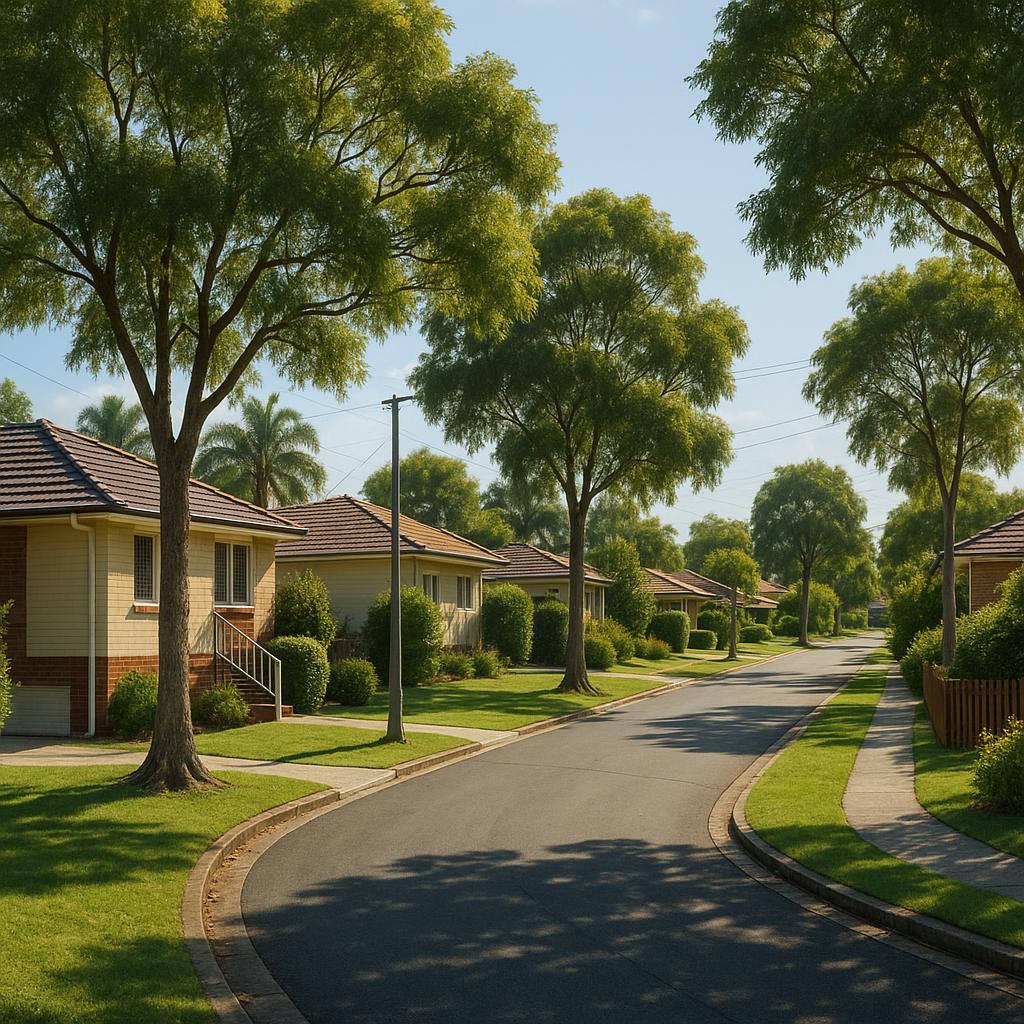
Aspley is a mature north Brisbane suburb with an established residential feel, everyday amenities, and a housing mix that includes older detached homes, renovated family houses, townhouses, and some smaller dwellings. That mix matters: buyers are not just choosing a suburb, they are choosing a property type and a street position that must suit daily life.
The market tends to reward buyers who think practically. In suburbs like Aspley, demand is often shaped by access, usability, and the cost of improving an existing home rather than by architectural prestige. A tidy house on a functional block can be more compelling than a flashier listing if it makes commuting, school routines, and weekend errands easier.
For investors and homeowners alike, the strongest value usually comes from matching the asset to the intended occupant. A family may pay for space, parking, and a sensible layout, while a downsizer may prioritise low-maintenance living and proximity to services. That is why comparable sales in the same suburb can still behave very differently.
Buyer Demand
Aspley generally attracts first-home buyers, families, downsizers, and investors who want a suburb with real-life usefulness. That broad appeal helps keep the buyer pool reasonably diverse. The strongest demand usually comes from people who prioritise routine convenience, not just price per square metre.
For buyers, the key question is whether the property solves a practical problem. Does it reduce commute stress, suit school logistics, offer usable outdoor space, or provide a low-maintenance alternative to a larger home? In established suburbs, those functional advantages often matter more than cosmetic upgrades alone.
Rental Market
Aspley’s rental appeal is driven by the same things that support owner-occupier demand: access, convenience, and a housing mix that can suit different tenant profiles. Family tenants may prefer a freestanding home with parking and outdoor space, while others will value a simpler, lower-maintenance dwelling close to services.
For investors, the practical goal is consistency. A well-presented property with a sensible floorplan, good airflow, and easy access to day-to-day amenities is usually easier to lease and retain than a cheaper property that feels awkward, dated, or difficult to maintain. Always check current listings and recent leases before assuming a rent range.
Lifestyle, Transport & Schools
Aspley offers a suburban lifestyle built around convenience rather than trendiness. That suits buyers who want errands, dining, retail, and family routines to be manageable without relying on a dense inner-city environment. The suburb’s everyday amenity is a core part of its value proposition.
Transport access is an important part of the appeal, especially for commuters who travel across multiple parts of Brisbane. Easy road connectivity can widen both the buyer pool and tenant pool, because many households will trade a little glamour for a simpler daily routine. Before buying, check peak-hour travel patterns rather than relying only on map distance.
Schools and catchments deserve direct verification. Family demand can be strongly influenced by whether a property is convenient for the education options a household wants, but boundaries and enrolment rules can change. Use official catchment tools and confirm the exact address, not just the suburb name.
Aspley Suburb Profile
Official 2021 Census snapshot for the ABS Suburbs and Localities geography.
Age profile
Housing tenure
Occupied private dwellings by tenure type.
Salary & income profile
Median total income reported in the Census.
*Annual figures are weekly median × 52 estimates, not separate ABS annual medians.
Education & qualifications
Highest educational attainment, people aged 15+.
Employment status
People aged 15+ who reported being in the labour force.
Industry of employment
Top responses among employed people aged 15 years and over.
Occupation profile
Broad occupation groups among employed residents, including managers.
Property Type Guide
- Older detached homes: Often appeal to buyers wanting land, flexibility, and renovation upside, but they need careful inspection for maintenance and layout limitations.
- Renovated houses: Suited to buyers wanting move-in-ready convenience, though renovation quality, drainage, and hidden defects still need checking.
- Townhouses: Can suit downsizers, professionals, and first-home buyers who want lower maintenance, but body corporate rules and fees matter.
- Units and smaller dwellings: Useful for affordability and simplicity, with attention needed on building quality, parking, and long-term capital appeal.
- Best-fit tip: Match the property type to your exit strategy and likely tenant or owner profile, not just the entry price.
Risks & Watch-Outs
- Busy-road exposure can narrow buyer appeal and affect how a property feels day to day.
- Older homes may carry hidden costs in roofing, drainage, plumbing, electrical work, or insulation.
- Cosmetic upgrades can disguise structural issues, so inspect beneath the presentation.
- Street quality and neighbouring properties can materially affect resale value in established suburbs.
- If redevelopment is part of your plan, confirm zoning, overlays, and council constraints before relying on potential.
Nearby Suburbs to Compare
FAQ
Is Aspley good for first-home buyers?
Aspley can suit first-home buyers who want an established suburb with practical amenity and a range of property types. The trade-off is that older homes may need work, so buyers should budget for repairs, updates, and independent inspections before stretching to purchase.
Is Aspley a good suburb for investors?
It can be, particularly for investors who value broad tenant appeal and a location that solves everyday needs. The best results usually come from well-presented properties with sensible layouts and manageable maintenance, rather than chasing the cheapest entry point available.
What property type is usually strongest in Aspley?
That depends on strategy. Detached houses can appeal to families and land-focused buyers, while townhouses and units may suit lower-maintenance or affordability-led approaches. The strongest choice is the one that best fits likely demand, upkeep, and your intended holding period.
What should buyers inspect carefully in Aspley?
Focus on roof condition, drainage, ventilation, parking, road noise, renovation quality, and any signs of moisture or ageing services. In established suburbs, presentation can be misleading, so the property’s structure and liveability matter more than styling alone.
How does Aspley compare with nearby suburbs?
Compared with some nearby options, Aspley is often seen as practical and established rather than flashy. Use surrounding suburbs to compare convenience, housing mix, and renovation level, then choose the area that best matches your commute, budget, and lifestyle priorities.
Conclusion
Aspley is best viewed as a dependable, practical north Brisbane suburb where property selection matters more than broad headlines. Buyers and investors should focus on pocket, condition, layout, and how the home fits real household needs. If a property is easy to live in, easy to lease, and sensible to maintain, it is more likely to hold long-term appeal.
Sources & How to Verify
- Check current sales history and active listings on Domain so you are comparing real, recent evidence rather than relying on outdated estimates.
- Review rental listings and median asking rents on realestate.com.au to confirm the type of tenant demand the suburb is attracting right now.
- Use Brisbane City Council to check zoning, overlays, and any local planning factors that could affect renovation or redevelopment potential.
- Confirm school catchments and enrolment information through Queensland school catchment maps before treating any nearby school as automatically available.
- Review suburb characteristics and household data on ABS to understand the broader demographic context without assuming it tells the full street-by-street story.
- Check road access and public transport options on Translink so commute expectations are based on current routes and timetables.
- Arrange a building and pest inspection for any shortlisted property, because older housing in established suburbs can hide maintenance issues that are not obvious during a quick viewing.