Quick Answer
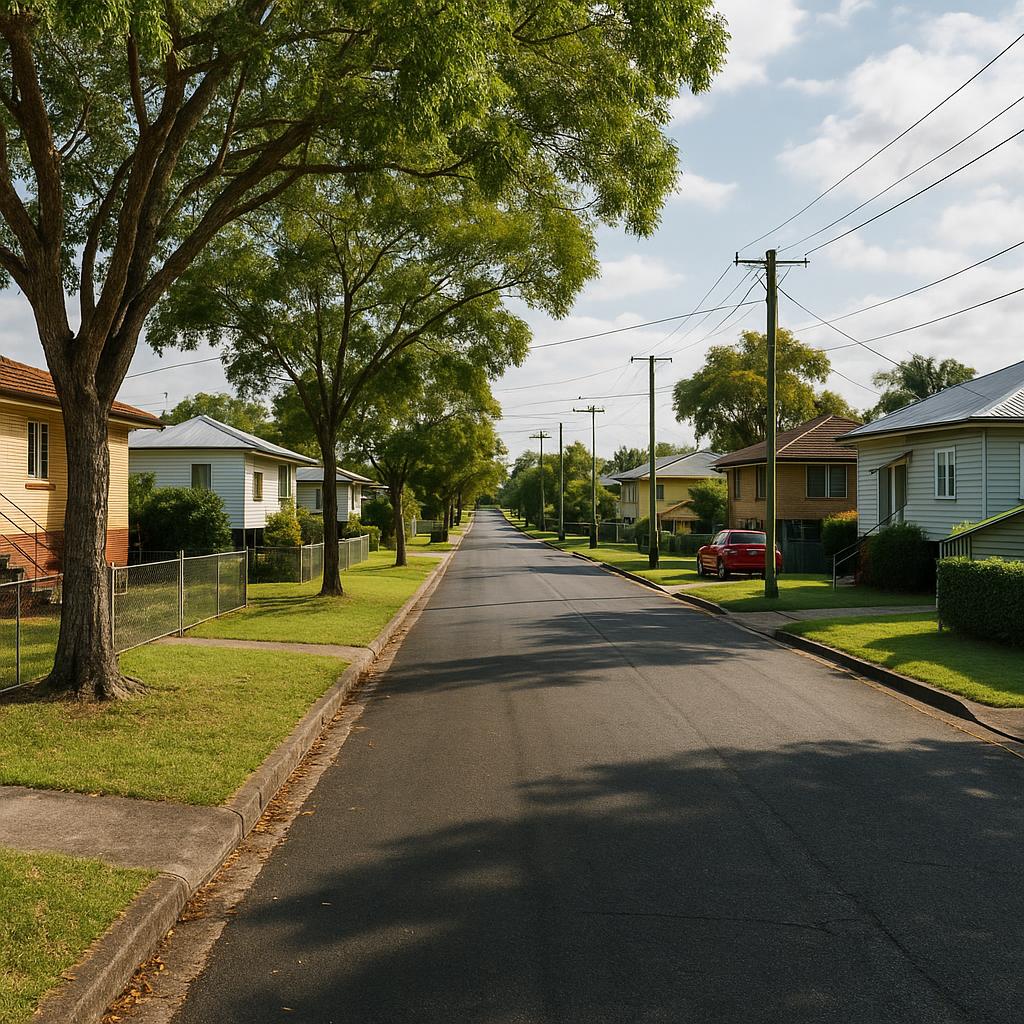
Zillmere QLD is a practical northside Brisbane suburb for buyers and investors who want relative affordability, established housing stock, and strong access to transport and everyday amenities. It can suit first-home buyers, renovators, and investors looking for broad tenant demand rather than a prestige lifestyle play. The key is to assess the specific street, dwelling type, and condition carefully, because outcomes can vary widely across older housing stock and infill pockets.
Key Takeaways
- Zillmere sits in a connected northside corridor, which keeps it relevant for both owner-occupiers and investors.
- The suburb’s appeal is built on practicality: transport access, daily convenience, and a more reachable entry point than premium nearby areas.
- Demand often comes from commuters, small households, and families who value function, not just lifestyle branding.
- Older houses can offer value-add potential, while units and attached dwellings may suit lower-maintenance strategies.
- Street-by-street variation is important, so building condition, drainage, and local presentation deserve close inspection.
Pros & Cons
Pros
- venient northside location with access to major roads and rail.
- Established suburb with everyday amenities already in place.
- Broader affordability compared with many inner and prestige suburbs.
Cons
- Mixed-quality housing stock means property selection matters a lot.
- Some homes may require significant maintenance or updating.
- Lifestyle feel is practical rather than high-end or coastal.
Market Overview
Zillmere is an established Brisbane northside suburb with a practical residential character. It is shaped by older housing, infill development, and access to transport and local services, which makes it more of a function-first market than a prestige one. Buyers tend to look here for usability, relative value, and options that can be improved over time.
The suburb’s market story is less about headline glamour and more about day-to-day liveability. That matters because many Brisbane buyers will trade a little polish for access, land, or a better entry point. In Zillmere, property type, street presentation, and renovation quality often influence desirability more than the suburb name alone.
For homeowners, that can mean finding a property you can improve and live in comfortably. For investors, it often means choosing assets that are easy to lease, practical to maintain, and positioned in pockets that feel settled rather than tired.
Buyer Demand
Buyer demand in Zillmere is usually driven by a mix of affordability, commute convenience, and broad usefulness. First-home buyers may target smaller homes or units as a way into Brisbane’s northside, while renovators look for older dwellings with clear upside.
Investors and downsizers also play a role, especially where a property offers low-maintenance living, access to transport, and a sensible layout. A renovated post-war house can attract owner-occupiers, while a well-kept unit near services may appeal to renters who prioritise convenience.
Rental Market
Zillmere’s rental market tends to benefit from practical demand rather than lifestyle prestige. That can be a strength for investors if the property is well presented and easy to maintain, because the tenant pool is usually broader than in niche lifestyle suburbs.
Typical tenants may include commuters, small households, and families who want access to transport and services without inner-city costs. As always, check current rental listings and recent leased evidence before relying on any general market impression, because rentability changes with presentation, stock levels, and dwelling type.
Lifestyle, Transport & Schools
Zillmere offers a straightforward suburban lifestyle centred on convenience. It is not a boutique café precinct or coastal address, but it works well for residents who want an established area with shops, services, and practical daily access across Brisbane’s northside.
Transport is a core part of the suburb’s appeal. Rail and bus connectivity broaden the buyer and tenant base because they support commuting, school runs, and car-light living. For many households, that utility can outweigh the lack of a premium lifestyle image.
Families should verify school catchments directly before making a purchase decision, because zoning can materially affect demand and liveability. Local amenity, parks, and day-to-day convenience also matter here, especially for buyers who want a suburb that simplifies routine rather than one that sells a lifestyle story.
Zillmere Suburb Profile
Official 2021 Census snapshot for the ABS Suburbs and Localities geography.
Age profile
Housing tenure
Occupied private dwellings by tenure type.
Salary & income profile
Median total income reported in the Census.
*Annual figures are weekly median × 52 estimates, not separate ABS annual medians.
Education & qualifications
Highest educational attainment, people aged 15+.
Employment status
People aged 15+ who reported being in the labour force.
Industry of employment
Top responses among employed people aged 15 years and over.
Occupation profile
Broad occupation groups among employed residents, including managers.
Property Type Guide
- Houses: Often suit families, renovators, and buyers wanting land and flexibility. Older homes can offer value-add potential if the structure is sound.
- Units: Commonly attract investors, first-home buyers, and downsizers. They can offer a lower entry point, but building quality and ongoing costs matter.
- Townhomes and duplex-style options: A middle ground for buyers wanting lower maintenance without giving up all the liveability of a house.
- Renovation stock: Older dwellings can be appealing if you have budget discipline and a clear improvement plan. Cosmetic updates may lift appeal materially.
- Best fit by strategy: Houses often suit owner-occupiers and renovators; units can suit yield-focused buyers; attached dwellings can suit low-maintenance living.
Risks & Watch-Outs
- Older homes may hide repair costs, so a building and pest inspection is essential.
- Drainage, moisture, and site-specific concerns should be checked carefully, especially on older lots.
- Street quality can vary, so inspect several comparable properties before making a decision.
- Some properties look cheap because they need work that is harder and costlier than expected.
- Attached dwellings may involve body corporate or shared-area considerations that affect holding costs and flexibility.
Nearby Suburbs to Compare
FAQ
Is Zillmere a good suburb for first-home buyers?
It can be, if your priority is entering Brisbane’s northside market at a more reachable level than many inner-ring suburbs. The best outcomes usually come from buying the right property type, checking condition closely, and comparing the street with nearby alternatives.
Is Zillmere a good suburb for property investors?
Potentially yes, especially for investors who value broad tenant demand and practical location benefits. Zillmere is generally more about steady rental appeal and asset selection than chasing a flashy story, so property quality and low-maintenance characteristics matter a lot.
What types of properties are most common in Zillmere?
You’ll typically see a mix of older houses, units, and attached dwelling formats such as townhomes or duplex-style properties. That variety helps buyers choose between land, lower upkeep, and more affordable entry points depending on strategy and budget.
Is Zillmere better for houses or units?
That depends on your goal. Houses may suit buyers wanting land, renovation upside, or family flexibility, while units can suit investors and downsizers seeking simpler upkeep. The right answer usually comes from matching the dwelling to your holding period and budget.
What should I check before buying in Zillmere?
Check building condition, drainage, lot characteristics, any body corporate arrangements, and the quality of surrounding homes. Also verify school catchments, transport access, and recent comparable sales or rentals using current sources rather than relying on broad suburb commentary.
Conclusion
Zillmere is a practical Brisbane northside suburb that suits buyers who value access, affordability, and flexibility more than prestige. It can work well for first-home buyers, investors, and renovators, provided they focus on the specific property and street. In this suburb, informed selection matters more than a generic market narrative.
Sources & how to verify
- Check current sold evidence and active listings on Domain so you are not relying on outdated price assumptions.
- Review current rental competition on realestate.com.au to see how similar dwellings are being presented and priced today.
- Use Brisbane City Council to confirm local planning context, parks, and any suburb-level infrastructure information that may affect livability.
- Check school zoning and enrolment details through Queensland Government Education before assuming a property sits in a preferred catchment.
- Review rail and bus service information on Translink so you can verify commute practicality rather than relying on map distance alone.
- Confirm land and title-related details through Queensland Government land title information when you are assessing easements, boundaries, or other property-specific issues.
- Arrange an independent building and pest inspection so you can identify defects, maintenance risks, and likely repair costs before you commit.
- Cross-check flood, drainage, and site conditions using official mapping and property reports, because suburb-wide generalisations are not enough for a purchase decision.