Quick Answer
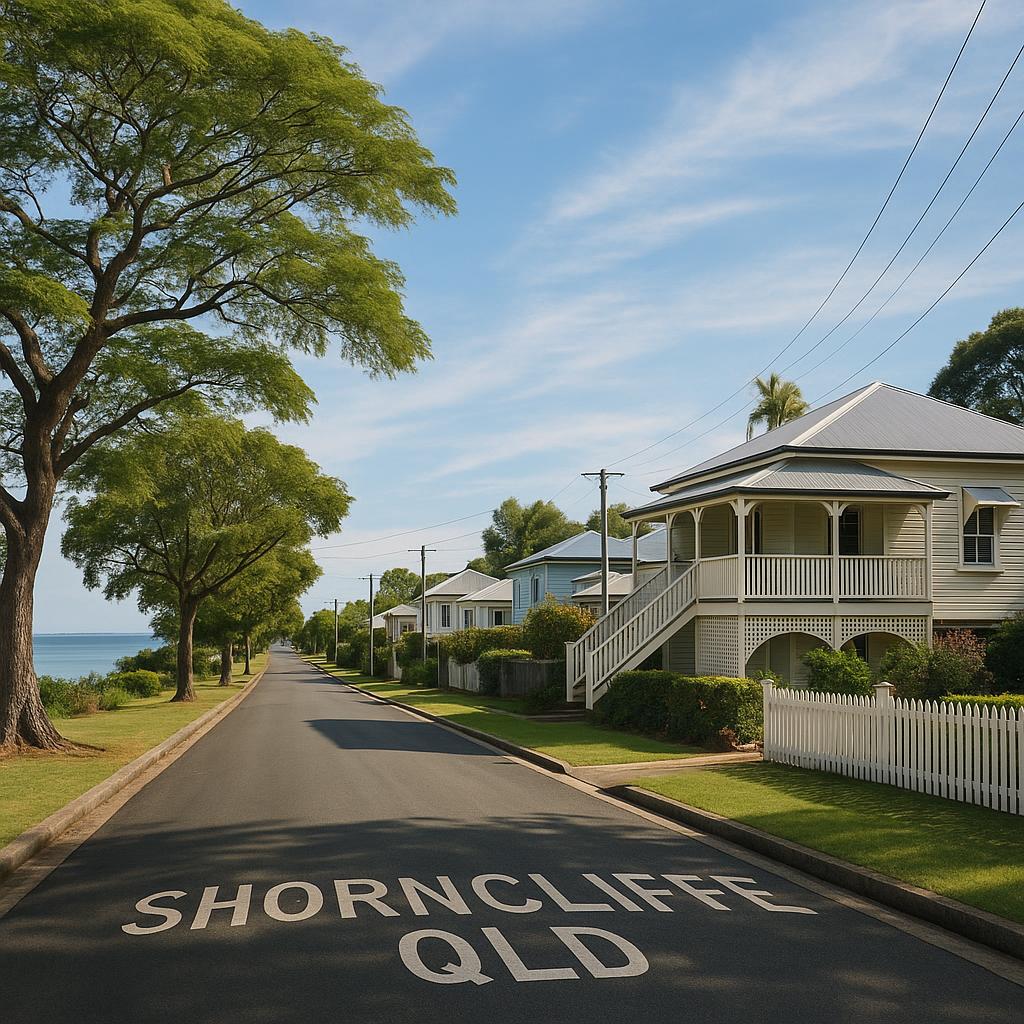
Shorncliffe is best suited to buyers who value bayside lifestyle, heritage character, rail access, and a quieter village feel. For homeowners, the draw is daily livability: waterfront walks, local amenity, and a strong sense of place. For investors, the appeal is usually steadier demand rather than aggressive yield chasing, especially in well-located, low-maintenance properties. It is generally a quality-over-quantity market, so the right home and the right street matter more than trying to buy “cheap”.
Key Takeaways
- Shorncliffe is a lifestyle-led bayside suburb where walkability, character, and rail access shape buyer demand.
- The market often rewards well-presented, well-located homes more than generic properties with no local advantage.
- Older housing stock can create renovation upside, but buyers need to budget carefully for maintenance and compliance.
- Investors should focus on tenant fit, holding costs, and long-term desirability rather than headline rent expectations.
- The smartest purchase is usually the right asset in the right pocket, not simply any property with a Shorncliffe address.
Pros & Cons
Pros
- Strong coastal lifestyle and everyday amenity
- Rail access supports commuting convenience
- Established streets and character housing add appeal
Cons
- Entry can feel premium relative to more inland suburbs
- Older stock may require more upkeep and capital works
- Some properties offer limited parking, storage, or flexibility
Market Overview
Shorncliffe is a small, established Brisbane bayside suburb where the market is shaped by lifestyle, scarcity, and location quality. It appeals to buyers who want a distinct coastal identity rather than a standard suburban product. That means the market can be less about broad volume and more about a narrow group of motivated end-users and long-term holders.
Housing in the area is typically a mix of older character homes, renovated dwellings, and some lower-maintenance options. The best outcomes tend to come from understanding micro-location: which streets feel quiet, which homes are easy to live in, and which properties offer practical access to the waterfront, station, and everyday services. For buyers, that means comparing actual usability, not just suburb prestige.
Because supply is limited in tightly held bayside pockets, good properties can attract attention quickly when they are well presented and sensibly priced. That does not mean every property deserves a premium. It means buyers should be disciplined about structure, maintenance, and resale appeal, especially in older stock.
Buyer Demand
Shorncliffe typically attracts a mix of owner-occupiers, downsizers, professionals, and some investors looking for enduring tenant appeal. The suburb’s lifestyle proposition is strongest for people who want coastal amenity without leaving Brisbane’s broader employment and transport network behind.
Demand is often strongest for homes that are easy to live in and easy to maintain. Renovated properties, character homes with genuine charm, and dwellings with strong walkability usually speak to a wider buyer pool. If you are purchasing here, assume the next buyer will also be judging everyday convenience, not just the postcode.
Rental Market
The rental case for Shorncliffe is usually supported by a combination of commuter convenience and lifestyle appeal. Tenants who want a bayside setting but still need practical access to rail and key urban areas may find the suburb attractive, especially if the property is well maintained and presented cleanly.
For investors, the critical question is not only “can it rent?” but “how broad is the tenant pool?” Low-fuss layouts, functional parking, and manageable outdoor areas tend to perform better than charming but impractical homes. Older properties may still be leaseable, but they should be assessed with realistic maintenance allowances and vacancy risk in mind.
Lifestyle, Transport & Schools
Shorncliffe’s lifestyle appeal is a major reason people pay attention to the suburb. Bayside walks, open-air recreation, and a relaxed neighbourhood feel create a daily environment that many buyers actively seek out. It suits people who want a calmer rhythm than denser inner-city areas.
Transport is a key practical advantage. Rail access improves commuter flexibility and helps the suburb appeal to households balancing work, school routines, and weekend lifestyle. For many buyers, the station matters as much as the water because it connects the suburb to the rest of Brisbane. If you are assessing a home, check the route to the station, parking availability, and how the area feels during peak travel times.
Families should assess schooling, childcare, and daily logistics in a practical way rather than relying on reputation alone. Distance to schools, ease of drop-off, and after-school routines often matter more than a glossy brochure. Verification is best done with current catchment and enrolment information before you make an offer.
Shorncliffe Suburb Profile
Official 2021 Census snapshot for the ABS Suburbs and Localities geography.
Age profile
Housing tenure
Occupied private dwellings by tenure type.
Salary & income profile
Median total income reported in the Census.
*Annual figures are weekly median × 52 estimates, not separate ABS annual medians.
Education & qualifications
Highest educational attainment, people aged 15+.
Employment status
People aged 15+ who reported being in the labour force.
Industry of employment
Top responses among employed people aged 15 years and over.
Occupation profile
Broad occupation groups among employed residents, including managers.
Property Type Guide
- Character homes: Best for buyers who value individuality and are comfortable with maintenance, older layouts, and possible upgrade costs.
- Renovated homes: Suited to owner-occupiers who want convenience, but buyers should inspect renovation quality and durability carefully.
- Units and smaller dwellings: Often appeal to downsizers and investors wanting less upkeep, though privacy and parking still matter.
- Larger family homes: Useful for long-term occupiers who need space, but carrying costs and future flexibility should be tested.
- Buyer-fit rule: Choose the dwelling type that aligns with your holding period, maintenance tolerance, and daily routine.
Risks & Watch-Outs
- Older homes can hide repair issues, so building and pest due diligence is essential.
- Coastal and weather exposure may increase long-term maintenance needs on roofs, paint, and external finishes.
- Lifestyle demand can create emotional buying pressure, especially when supply is limited.
- Some properties may look strong online but be less practical in real life because of access, parking, or layout.
- Do not assume every Shorncliffe property will suit both owner-occupiers and tenants equally well.
Nearby Suburbs to Compare
- Sandgate QLD Property Market Guide: Buyers & Investors
- Brighton QLD Property Market Guide: Buyers & Investors
- Deagon
- Boondall
- Bracken Ridge QLD Property Market Guide: Buyers & Investors
FAQ
Is Shorncliffe a good suburb for families?
Yes, if your family values a bayside lifestyle, rail access, and a quieter residential environment. The key is choosing the right street and dwelling type, because practical factors such as parking, layout, and school routines will shape day-to-day comfort.
Is Shorncliffe better for owner-occupiers or investors?
It often suits owner-occupiers particularly well because lifestyle and character drive much of the appeal. Investors can still do well, but the focus should be on tenant fit, maintenance exposure, and buying a property with broad resale appeal.
What type of property usually makes the most sense here?
That depends on your goal. Character homes may suit buyers who want uniqueness and future value-add potential, while renovated homes or smaller dwellings may suit those prioritising ease of living and lower ongoing maintenance.
What should I inspect first when buying in Shorncliffe?
Start with the street, the home’s condition, parking, and the practical walk to transport and amenities. In an established suburb, small differences in location and usability can have a bigger impact than buyers expect.
Is Shorncliffe a high-yield suburb?
It is usually better understood as a lifestyle-led suburb rather than a pure yield play. Investors should verify current rents, vacancy conditions, and comparable listings before assuming the property will produce strong income relative to purchase price.
Conclusion
Shorncliffe is a bayside suburb where lifestyle, character, and convenience shape value. Buyers should look past the postcode and test each property for condition, location, and daily usability. Investors should focus on tenant demand, maintenance risk, and long-term holding strength. In a premium lifestyle market, the best purchase is rarely the cheapest one.
Sources & How to Verify
- Check current listings and recent sold evidence on Domain so you can compare asking prices, sale outcomes, and property types in the suburb.
- Use realestate.com.au to review active rental listings and see what features are actually being marketed to tenants right now.
- Confirm zoning, overlays, and planning context through Brisbane City Council before relying on any assumption about redevelopment or land use.
- Cross-check transport access and service patterns on Translink so your commute assumptions match current timetables and service availability.
- Review official school and catchment information via Queensland Government Education rather than using third-party summaries that may be outdated.
- Use ABS for broad demographic context only, and treat it as background rather than a property valuation tool.
- Check flood, coastal, and other hazard mapping through government sources before buying, because site-specific risk can matter more than the suburb name.
- Ask a local agent for recent comparable sales and inspect them in person, because condition, street appeal, and land usability are often decisive in established bayside markets.