Quick Answer
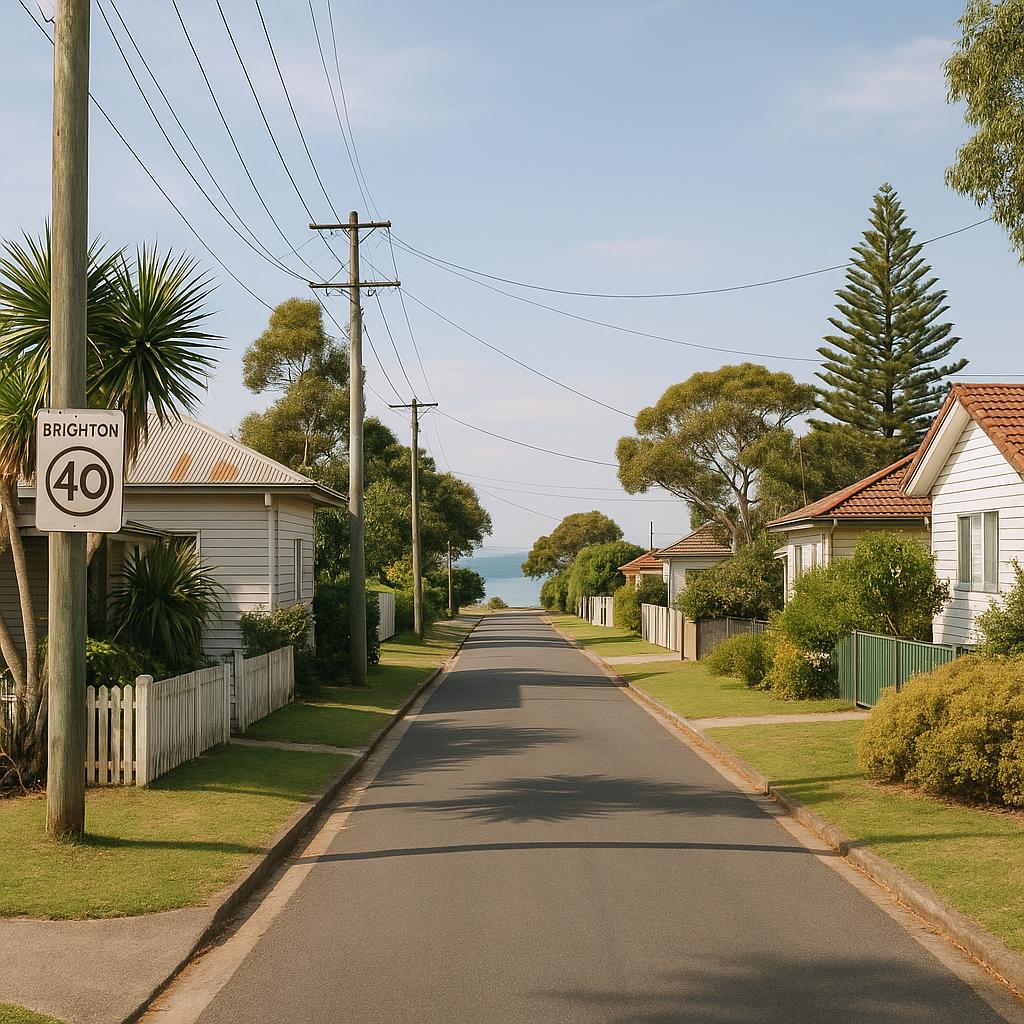
Brighton QLD suits buyers who want a bayside lifestyle with practical everyday liveability, rather than a high-density or inner-city feel. It is often a good fit for families, downsizers, and investors who value steady tenant appeal, outdoor space, and long-term owner-occupier demand. The main decision point is not just the suburb name, but the specific street, land level, dwelling condition, and commute convenience. For buyers who verify those fundamentals, Brighton can be a sensible long-term hold.
Key Takeaways
- Brighton combines coastal amenity with suburban practicality, which broadens appeal across homeowners and investors.
- Buyer competition often centres on well-presented homes with usable layouts, parking, and low-maintenance outdoor space.
- Land level, drainage, and block-specific due diligence matter because site risk can vary street by street.
- Rental demand tends to favour homes that are easy to maintain, functional, and convenient for everyday living.
- Comparing Brighton with nearby bayside and northside suburbs helps buyers decide whether the lifestyle premium is justified.
Pros & Cons
Pros
- Bayside setting with a calmer residential atmosphere.
- Broad appeal to families, downsizers, and lifestyle-led owner-occupiers.
- Good potential for long-term hold value if the property fundamentals are solid.
Cons
- Some properties need careful flood, drainage, and site checks.
- Older homes can bring renovation and maintenance costs.
- Lifestyle demand can create competition for the best-located properties.
Market Overview
Brighton is a north Brisbane bayside suburb where the market is shaped by livability, land, and daily convenience rather than apartment density or fast-turnover speculation. It appeals to buyers who want a quieter residential setting with water access and a more relaxed pace, while still needing practical access to wider Brisbane.
For investors and homeowners, Brighton is best viewed as a suburb where the exact property matters more than the postcode alone. Streets, elevation, dwelling condition, and access to local amenities can materially affect buyer interest and tenant demand. That makes on-the-ground inspection and comparable sales review essential.
The suburb often suits buyers who want to hold for the long term, improve over time, or prioritise lifestyle and usability. In that sense, Brighton is less about chasing a single market theme and more about matching the right property to the right use case.
Buyer Demand
Buyer demand in Brighton is usually driven by a mix of owner-occupiers and investors, which can help support resilience in a range of market conditions. Families often want space and outdoor usability, while downsizers look for manageable living close to services and the bay environment.
Competition tends to be strongest for homes that are move-in ready, well maintained, and easy to live in. Properties with awkward layouts, heavy maintenance needs, or uncertain site issues generally need sharper pricing or stronger upside to stand out.
Rental Market
Brighton can appeal to tenants who want a more residential, less compressed environment while still staying connected to employment areas and everyday services. The rental story is usually about practicality: good layout, parking, yard usability, and a location that feels easy to live in.
From an investor perspective, the most resilient rentals are often those that minimise maintenance friction and suit a broad tenant pool. That usually means sensible improvements, durable finishes, and a home that feels comfortable for families, couples, or long-term renters rather than a niche design statement.
Lifestyle, Transport & Schools
Brighton’s lifestyle appeal is tied to outdoor living, water proximity, and a slower pace than many inner-city suburbs. That attracts buyers who value walks, weekend recreation, and a more settled community feel.
Transport is practical rather than glamorous. Buyers should assess the specific property’s access to local roads, public transport options, and peak-hour travel patterns, because convenience can vary meaningfully by pocket. A suburb-level view is not enough for a property decision.
School access can matter for family buyers, but catchments and commuting routes should always be checked directly with official sources. Investors should also consider how school proximity may affect tenant demand, especially for households seeking routine-friendly locations.
Brighton (Qld) Suburb Profile
Official 2021 Census snapshot for the ABS Suburbs and Localities geography.
Age profile
Housing tenure
Occupied private dwellings by tenure type.
Salary & income profile
Median total income reported in the Census.
*Annual figures are weekly median × 52 estimates, not separate ABS annual medians.
Education & qualifications
Highest educational attainment, people aged 15+.
Employment status
People aged 15+ who reported being in the labour force.
Industry of employment
Top responses among employed people aged 15 years and over.
Occupation profile
Broad occupation groups among employed residents, including managers.
Property Type Guide
- Houses: Often the strongest fit for families and long-term owners who want land value, outdoor space, and renovation flexibility.
- Older homes: Can offer character and upside, but buyers should budget for maintenance, layout updates, and possible hidden work.
- Renovated homes: Attractive for move-in convenience and easier leasing, provided the upgrade quality is genuine and not just cosmetic.
- Townhouses or low-maintenance dwellings: May suit downsizers, first-home buyers, or investors wanting simpler upkeep, with trade-offs in land and privacy.
- Best first filter: Focus on block quality, condition, and usability before getting drawn in by styling or broad suburb reputation.
Risks & Watch-Outs
- Check flood and drainage considerations at the exact property level, not just the suburb level.
- Inspect older homes carefully for deferred maintenance, moisture issues, and renovation scope.
- Avoid overpaying for lifestyle appeal without confirming the property’s practical resale value.
- Confirm parking, access, and everyday convenience, especially if you plan to rent the property out.
- Use comparable sales and rental evidence from the immediate area, because Brighton can vary materially by pocket.
Nearby Suburbs to Compare
- Sandgate QLD Property Market Guide: Buyers & Investors
- Bracken Ridge QLD Property Market Guide: Buyers & Investors
- Taigum QLD Property Market Guide: Buyers & Investors
- Boondall QLD Property Market Guide: Buyers & Investors
FAQ
Is Brighton QLD a good suburb for families?
Brighton can suit families who want a calmer residential environment, usable outdoor space, and a lifestyle that feels less congested than many inner-city suburbs. The key is choosing a property with practical access, good layout, and the right block characteristics for family living.
Is Brighton QLD good for investors?
It can be, especially for investors who prioritise broad tenant appeal rather than chasing speculative gains. The strongest rental outcomes are usually tied to low-maintenance homes, functional floorplans, and a location that tenants find convenient for daily routines and commuting.
What type of property is best in Brighton?
For many buyers, the best option is a well-located house on a sensible block with decent condition and room to improve over time. Renovated homes can be attractive too, but only if the price reflects genuine quality rather than cosmetic presentation.
What should buyers check before purchasing in Brighton?
Check flood and drainage risk, building condition, block elevation, parking, access to amenities, and the practical commute from the exact street. Also review recent comparable sales and speak with local professionals who understand the micro-markets within the suburb.
How does Brighton compare with nearby suburbs?
Brighton is often judged against nearby bayside and northside suburbs on lifestyle, convenience, and housing value. Some areas may offer a stronger village feel, while others may provide different price points or commute benefits. Compare by daily routine, not just prestige.
Conclusion
Brighton is a suburb where lifestyle and property fundamentals work together, but only if buyers do the due diligence properly. It can suit homeowners and investors who want a bayside setting, steady practical demand, and long-term hold potential. The best purchases are usually the ones that balance location, condition, and block quality.
Sources & how to verify
- Check current listings and recent sold evidence on Domain to confirm whether Brighton’s price expectations match today’s market.
- Review current listings and suburb search results on realestate.com.au so you can compare property type, presentation, and competition levels.
- Use Brisbane City Council to verify planning, local infrastructure, and any site-specific overlays that may affect a purchase.
- Check flood and hazard information through Queensland Government flood mapping before relying on a suburb-wide assumption about safety.
- Confirm school catchments and enrolment details via Queensland Government Education rather than relying on marketing material or informal advice.
- Use TransLink to check actual public transport routes, service timing, and commute practicality from the specific property.
- Review demographic context with ABS, but treat it as background only and not a substitute for current sales and rental evidence.
- Speak with a local conveyancer, building inspector, or property manager to verify condition, leaseability, and site concerns before making an offer.