Quick Answer
Bulimba is a premium inner-east Brisbane suburb that suits buyers who want lifestyle, convenience, and long-term scarcity value rather than a bargain entry point. It is especially attractive to owner-occupiers, downsizers, and investors who value strong tenant demand, walkable amenity, and a clear suburb identity. The key is choosing the right property type and micro-location, then checking flood, strata, and access considerations before you commit.
Key Takeaways
- Bulimba’s appeal comes from lifestyle depth, inner-city convenience, and a scarce housing mix that many buyers understand quickly.
- It suits owner-occupiers who want a polished daily routine, and investors who prefer resilient tenant demand over speculative upside.
- Character homes, townhouses, and apartments each serve different buyer goals, so the best purchase depends on use case and holding horizon.
- Premium suburbs can still carry property-specific risks, including strata costs, parking friction, flood awareness, and renovation quality.
- Use current comparable listings, council checks, and contract due diligence to confirm value rather than relying on suburb reputation alone.
Pros & Cons
Pros
- Strong lifestyle appeal with a distinct riverside village identity.
- Easy to explain to future buyers and tenants because the suburb proposition is clear.
- Good fit for professional households, families, and downsizers seeking convenience.
Cons
- Premium positioning can make entry more demanding for budget-focused buyers.
- Some properties require careful strata, parking, or renovation due diligence.
- Desirable stock can attract competition, especially when presentation and location align.
Market Overview
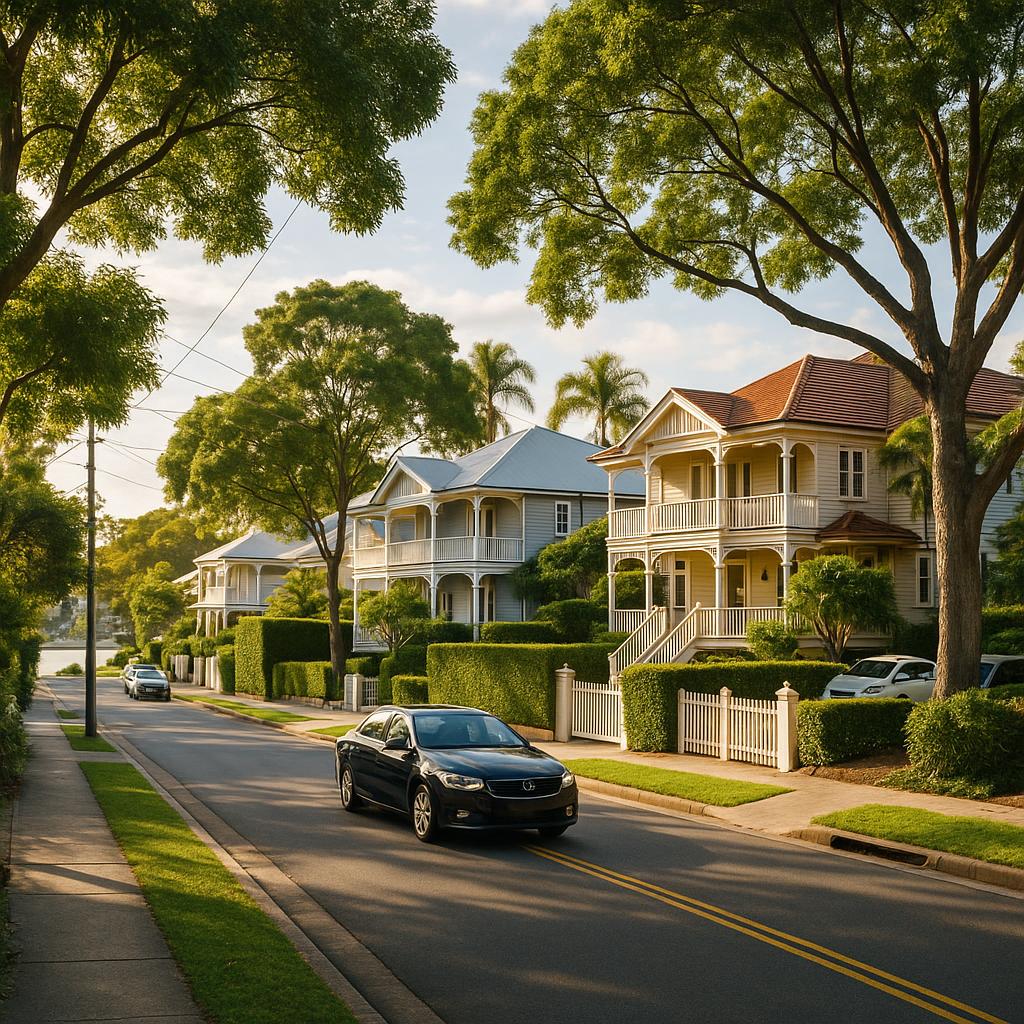
Bulimba is an established inner-east Brisbane suburb with a strong lifestyle identity, riverside access, and a village-style centre that shapes buyer expectations. It is often purchased for how it feels to live there: walkable streets, convenient amenity, and a polished residential character rather than affordability.
The suburb tends to attract buyers who are comparing quality of life as much as floorplan and land. That means well-presented homes, functional layouts, and low-friction daily living often matter more than headline features. For investors, that same dynamic supports broad renter appeal, but the right property still matters more than the postcode alone.
Bulimba’s market is best understood as a desirability market. In practical terms, buyers are usually paying for location advantages, scarcity of well-located stock, and the suburb’s long-standing reputation as a place people want to stay in for years.
Buyer Demand
Demand in Bulimba is typically driven by owner-occupiers first and investors second, which gives the suburb a stable, end-user-led feel. Families, professionals, and downsizers all see value in a suburb that reduces travel friction and supports a high-convenience routine.
Buyers tend to compete for homes that are easy to live in from day one: good natural light, usable outdoor space, sensible parking, and presentation that matches the suburb’s premium positioning. In this market, a poorly resolved layout can weaken interest even if the address is strong.
Rental Market
Bulimba generally appeals to tenants who are willing to trade space for convenience, amenity, and a better daily lifestyle. That includes professional couples, relocating households, and small families who want an established suburb with clear access to the city and nearby services.
For investors, the suburb’s rental strength is less about chasing the highest number on a listing sheet and more about securing a broad, quality tenant pool. Low-maintenance properties, good presentation, and practical parking are usually the features that help a rental stand out in a premium inner-east market.
Lifestyle, Transport & Schools
Bulimba’s lifestyle advantage is built around walkability, local dining, river proximity, and an established suburban feel. That combination suits buyers who want everyday convenience without living in the middle of the CBD. The suburb feels lived-in rather than transient, which is part of its market appeal.
Transport convenience also supports demand. Ferry access and surrounding public transport options can make commuting simpler, while road connectivity keeps the suburb practical for inner-Brisbane work patterns. For many buyers, that balance between calm streets and city access is the point.
Schools and family logistics matter here as much as transport. Buyers should verify catchments, enrolment rules, and travel times directly with the relevant school and official sources, because practical family planning often drives the final decision more than a suburb description does.
Bulimba Suburb Profile
Official 2021 Census snapshot for the ABS Suburbs and Localities geography.
Age profile
Housing tenure
Occupied private dwellings by tenure type.
Salary & income profile
Median total income reported in the Census.
*Annual figures are weekly median × 52 estimates, not separate ABS annual medians.
Education & qualifications
Highest educational attainment, people aged 15+.
Employment status
People aged 15+ who reported being in the labour force.
Industry of employment
Top responses among employed people aged 15 years and over.
Occupation profile
Broad occupation groups among employed residents, including managers.
Property Type Guide
- Character homes: Best for buyers who want land presence, street appeal, and renovation flexibility; inspect for structural condition, layout efficiency, and maintenance needs.
- Townhouses: Often suit professionals, downsizers, and investors seeking lower-maintenance ownership; review body corporate rules, privacy, noise, and outdoor space carefully.
- Apartments / units: Can provide an accessible entry into a premium suburb; check strata fees, building quality, storage, parking, and access.
- Older stock: May offer more character and better land value, but can require more diligence on condition and future spend.
- Newer stock: Usually easier to maintain and can suit tenants wanting modern finishes, but compare design quality rather than assuming newer means better.
Risks & Watch-Outs
- Don’t buy on suburb reputation alone, because micro-location, dwelling design, and condition still drive your outcome.
- Review strata records carefully for fees, sinking fund strength, by-laws, and any restrictions that affect resale or renting.
- Check flood and drainage considerations on a property-by-property basis, not just at suburb level, before relying on any purchase thesis.
- Parking, driveway access, and street convenience can materially affect daily livability and tenant appeal in a premium suburb.
- Older homes may look charming but hide renovation costs, compliance issues, or floorplan compromises that reduce long-term utility.
Nearby Suburbs to Compare
- Hawthorne
- Balmoral
- Morningside
- Cannon Hill
- Coorparoo
FAQ
Is Bulimba good for buyers?
Yes, if you value lifestyle, convenience, and a suburb with clear end-user demand. Bulimba is often better for buyers who prioritise liveability and long-term comfort than those chasing the lowest possible entry price. The best result usually comes from choosing the right property type and street context.
Is Bulimba good for investors?
It can be, especially for investors who want a broad tenant pool and low-maintenance, easy-to-present stock. The strongest rentals are usually the ones that feel practical and polished, with good access, sensible layout, and minimal ongoing hassle. Verify current yields and vacancy conditions before buying.
What type of property is best in Bulimba?
That depends on your strategy. Character homes suit owner-occupiers and long-term holders who value land and flexibility. Townhouses often suit low-maintenance living. Apartments can work for investors or first-time premium-area buyers, provided the building quality and strata profile are solid.
Is Bulimba family-friendly?
Yes, for families who want a walkable suburb with everyday amenity, parks, and manageable access to schools and transport. The family fit is strongest when the property has practical parking, enough internal space, and an address that simplifies school and activity routines.
What should I watch out for before buying?
Focus on strata costs, flood and drainage checks, parking usability, access, and the real condition of any older home. Premium suburbs can still contain poor-value stock, so inspect carefully and verify details using official planning, contract, and building records.
Conclusion
Bulimba is a classic example of a suburb where lifestyle and scarcity shape value. It rewards buyers who understand the difference between a strong address and a strong property. If you buy with clear due diligence, align the dwelling to your goals, and verify current market conditions, Bulimba can be a durable long-term hold.
Sources & How to Verify
- Check current listings on Domain to compare asking prices, property type mix, and how Bulimba stock is being presented right now.
- Review live sold and rental evidence on realestate.com.au so you are not relying on stale market commentary.
- Use Brisbane City Council to check local planning information, overlays, and any site-specific considerations that may affect a property.
- Confirm flood and hazard context through Queensland flood resilience tools and the relevant council mapping before assuming a site is low risk.
- Verify catchments and enrolment rules on Queensland Government school catchment resources rather than relying on third-party summaries.
- Check transport options and service updates through Translink so commuting assumptions reflect current timetables and routes.
- Use ABS for suburb-adjacent demographic context, but avoid using old census data as a substitute for current market evidence.
- If buying a strata property, request the disclosure statement, by-laws, and sinking fund information directly from the body corporate so you can assess real ongoing costs.