Quick Answer
Teneriffe is one of Brisbane’s most tightly held inner-city lifestyle suburbs, and it suits buyers who value location, convenience, and low-maintenance living over land size or bargain pricing. For investors, the suburb tends to appeal to professional tenants and downsizers who prioritise amenity, character, and easy access to the CBD and nearby employment hubs. The key is to buy the right building: in Teneriffe, micro-location, strata quality, and layout often matter more than the postcode itself.
Key Takeaways
- Teneriffe is a premium inner-city suburb where lifestyle appeal and scarcity strongly influence buyer behaviour.
- Apartment living and character conversions dominate, so building quality and strata management deserve close scrutiny.
- The suburb is best suited to owner-occupiers, downsizers, and investors seeking stable demand rather than high cash flow.
- Rental demand is driven by convenience, professional tenant profiles, and proximity to amenity and employment.
- Compare the actual building, aspect, noise exposure, and parking before assuming every Teneriffe property will perform similarly.
Pros & Cons
Pros
- Strong inner-city lifestyle appeal with genuine everyday convenience.
- Low-maintenance housing suits busy professionals and downsizers.
- Scarcity of comparable stock can support long-term buyer interest.
Cons
- Premium entry point compared with many Brisbane suburbs.
- Apartment-heavy ownership means strata levies and building rules matter.
- Detached-house options are limited, which narrows buyer choice.
Market Overview
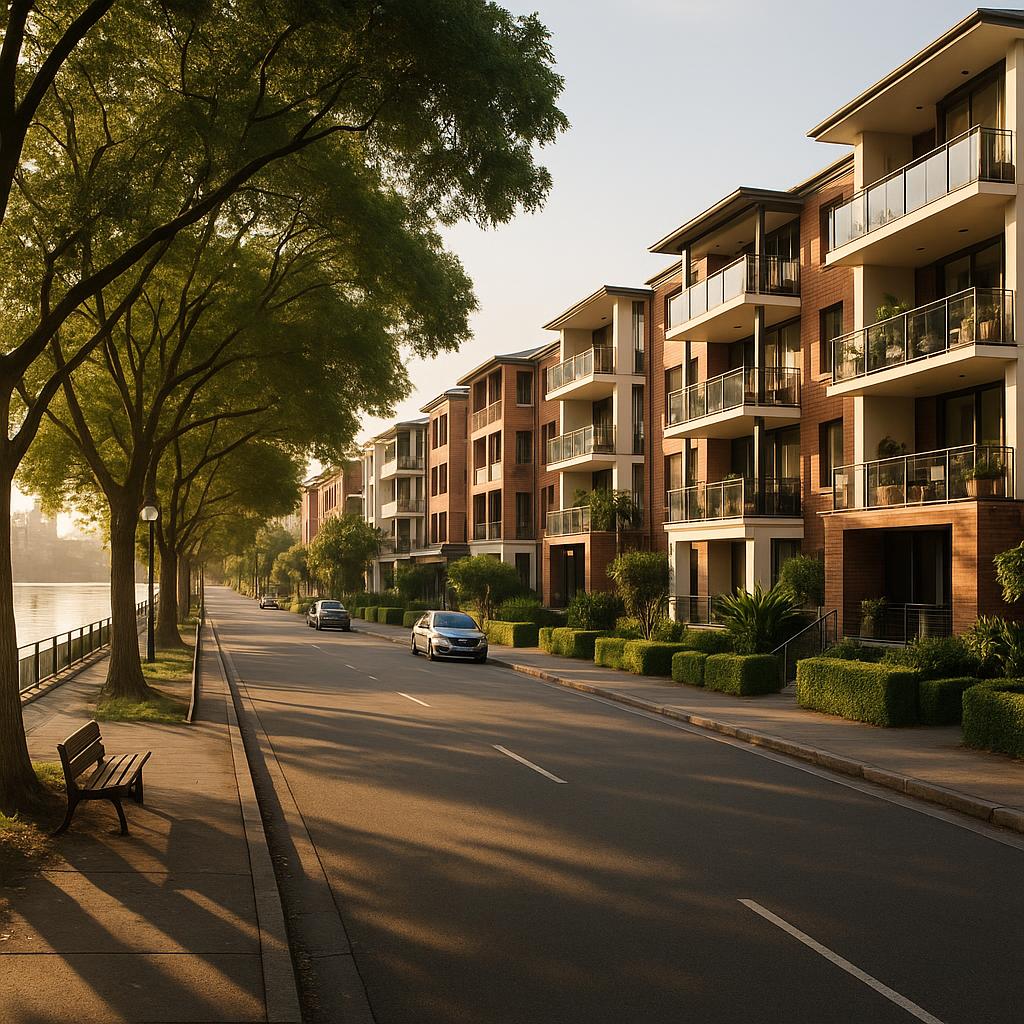
Teneriffe is an inner Brisbane suburb with a clear premium identity: riverside positioning, walkable amenity, and a housing mix that leans heavily toward apartments and character-led conversions. That matters because the suburb’s appeal is not built on large blocks or new greenfield supply; it is built on scarcity, location, and the type of lifestyle it offers.
In practical terms, Teneriffe behaves more like a blue-chip lifestyle market than a broad, family-house market. Buyers tend to compare buildings, not just streets. A well-kept apartment in a desirable complex can attract far more interest than a similar-sized unit in a weaker building, even if both sit in the same postcode.
For homeowners, that means the buying decision should focus on liveability, long-term comfort, and resale audience. For investors, it means the suburb can be attractive for tenant quality and capital-growth potential, but only if the building, layout, and strata structure support that story.
Buyer Demand
Demand in Teneriffe is usually strongest from professionals, downsizers, and lifestyle buyers who want a convenient inner-city base. These buyers often value walkability, a polished urban environment, and proximity to the CBD and nearby commercial precincts. The suburb’s appeal is less about affordability and more about desirability.
That same dynamic helps explain why buyers can become very selective. They often want lift access, secure parking, good natural light, sensible floor plans, and a building with a clean maintenance history. If a property misses one of those basics, the market can respond quickly, because Teneriffe buyers usually have enough sophistication to compare alternatives carefully.
Rental Market
Teneriffe’s rental market is generally supported by tenants who want convenience and an inner-city lifestyle rather than maximum space. The strongest tenant profiles are typically professional singles, couples, and corporate renters who are willing to pay for location, security, and low-maintenance living.
For investors, the important point is that rental appeal here is closely linked to presentation and functionality. A well-laid-out apartment in a quality building can perform very differently from one with awkward space, limited storage, poor acoustics, or inconvenient parking. If you are checking rent potential, verify current asking rents in comparable buildings and assess vacancy risk by inspecting the local stock directly on major portals.
Lifestyle, Transport & Schools
Lifestyle is a core part of Teneriffe’s value proposition. The suburb is known for café culture, dining, riverside walks, and a compact urban feel that suits residents who want convenience on their doorstep. That lifestyle premium is one reason the suburb can remain attractive even when broader market conditions soften.
Transport access is another practical advantage. Residents can use ferry and other public transport options nearby, while road links connect easily to inner-Brisbane employment and leisure destinations. As always, test your actual commute and parking reality rather than assuming the location will automatically work for your routine.
School access matters less here than in family-house suburbs, because Teneriffe is primarily a lifestyle and apartment market. Families can still live here, but they should assess catchment, travel time, and space requirements carefully. If schools are a major priority, compare Teneriffe with more family-oriented suburbs before deciding.
Teneriffe Suburb Profile
Official 2021 Census snapshot for the ABS Suburbs and Localities geography.
Age profile
Housing tenure
Occupied private dwellings by tenure type.
Salary & income profile
Median total income reported in the Census.
*Annual figures are weekly median × 52 estimates, not separate ABS annual medians.
Education & qualifications
Highest educational attainment, people aged 15+.
Employment status
People aged 15+ who reported being in the labour force.
Industry of employment
Top responses among employed people aged 15 years and over.
Occupation profile
Broad occupation groups among employed residents, including managers.
Property Type Guide
- Modern apartments: Best for low-maintenance living and investor simplicity, but check strata levies, building quality, and common-area upkeep.
- Heritage or warehouse conversions: Strong for character and emotional appeal, though layouts, sound transfer, and maintenance can be less straightforward.
- Boutique apartments: Often suit buyers seeking quieter buildings and a more private feel, with fewer amenities but less density.
- Premium apartments: Can appeal to downsizers and executive tenants if they offer good light, storage, security, and parking.
Risks & Watch-Outs
- Do not assume the suburb name guarantees value; the building’s condition and reputation can materially change the outcome.
- Review body corporate records closely, because strata levies, special levies, and maintenance history can affect holding costs.
- Check noise, parking, and access issues in person, especially near busier streets, hospitality venues, or shared-driveway buildings.
- Avoid buying purely on styling; good presentation does not offset poor layout, weak ventilation, or awkward storage.
- Compare like with like, because Teneriffe’s apartment stock can vary sharply by age, construction quality, and management.
Nearby Suburbs to Compare
FAQ
Is Teneriffe a good suburb to buy in?
Yes, if you want an inner-city Brisbane suburb with strong lifestyle appeal and a low-maintenance ownership profile. It is usually better suited to buyers who value convenience, amenity, and long-term desirability than to those chasing a cheaper entry point or a large family block.
Is Teneriffe good for investors?
It can be, particularly for investors targeting quality tenants and resilient demand. The main investment logic is not high cash flow; it is the combination of tenant appeal, scarcity, and the potential for strong resale interest when the building, layout, and location are right.
What type of property is best in Teneriffe?
There is no single best option. Modern apartments suit low-maintenance buyers, heritage conversions suit character seekers, and boutique buildings can suit those wanting more privacy. The best choice depends on whether your priority is liveability, tenant appeal, or long-term resale strength.
Is Teneriffe family-friendly?
It can work for some families, but it is more naturally aligned with professionals, downsizers, and apartment buyers. Families should think carefully about space, parking, storage, school logistics, and whether they want inner-city convenience or a more traditional house-and-yard environment.
What should buyers watch out for most?
The biggest risks are building-specific rather than suburb-wide: strata costs, maintenance, noise, parking, layout quality, and management standards. In Teneriffe, a good postcode does not rescue a poor apartment, so inspect carefully and compare buildings before making an offer.
Conclusion
Teneriffe stands out as a premium inner-city suburb where lifestyle, scarcity, and building quality drive outcomes. It rewards careful buyers who compare the actual property, not just the postcode. For homeowners, the suburb offers convenience and prestige; for investors, it offers tenant appeal and long-term desirability if the building is strong.
Sources & how to verify
- Check current sold prices and active listings on Domain so you can compare Teneriffe apartments and nearby suburb alternatives using live market evidence.
- Use realestate.com.au to review asking rents, property features, and how long comparable Teneriffe homes stay on the market.
- Confirm suburb boundaries, planning context, and local services through Brisbane City Council rather than relying on third-party summaries.
- Review demographic context with Australian Bureau of Statistics if you want a better sense of household type and tenure patterns.
- Check school catchments and enrolment information through the official Queensland Government education resources before assuming a property suits your family needs.
- Verify ferry, bus, and commuting options using Translink, then test the route yourself at the time you would normally travel.
- Request strata records, body corporate budgets, and meeting minutes for any apartment because building governance can materially affect future costs and resale confidence.
- Inspect flood, drainage, and site-specific considerations through official mapping and title documents before you buy, especially if the property sits close to river-influenced land.