Quick Answer
Morningside is an established inner-east Brisbane suburb that suits buyers who value convenience, lifestyle, and a broad choice of dwellings. It can appeal to investors because it attracts a wide tenant pool, but results vary sharply by street, building quality, and property type. If you want lower-maintenance living close to transport and everyday amenity, it is worth serious consideration. If you want more land content or a quieter detached-home feel, compare nearby suburbs before deciding.
Key Takeaways
- Morningside’s inner-east position supports broad demand from owner-occupiers, renters, and downsizers seeking convenience.
- The suburb’s appeal is driven by access, amenity, and established housing rather than large-scale new development.
- Dwellings vary meaningfully by pocket, so street context matters as much as the suburb name.
- Investors should focus on low-maintenance properties with strong tenant appeal and manageable ongoing costs.
- Buyers should compare nearby suburbs if they want more land, a different lifestyle feel, or a quieter residential setting.
Pros & Cons
Pros
- Inner-east location gives strong convenience for commuting and daily living.
- Broad mix of homes, townhouses, and apartments creates multiple entry points.
- Established amenity and lifestyle appeal support owner-occupier and tenant interest.
Cons
- Noise, traffic, and busier corridors can affect some streets and buildings.
- Older stock may require more maintenance or renovation budgeting.
- Strata and body corporate costs can materially change apartment and townhouse economics.
Market Overview
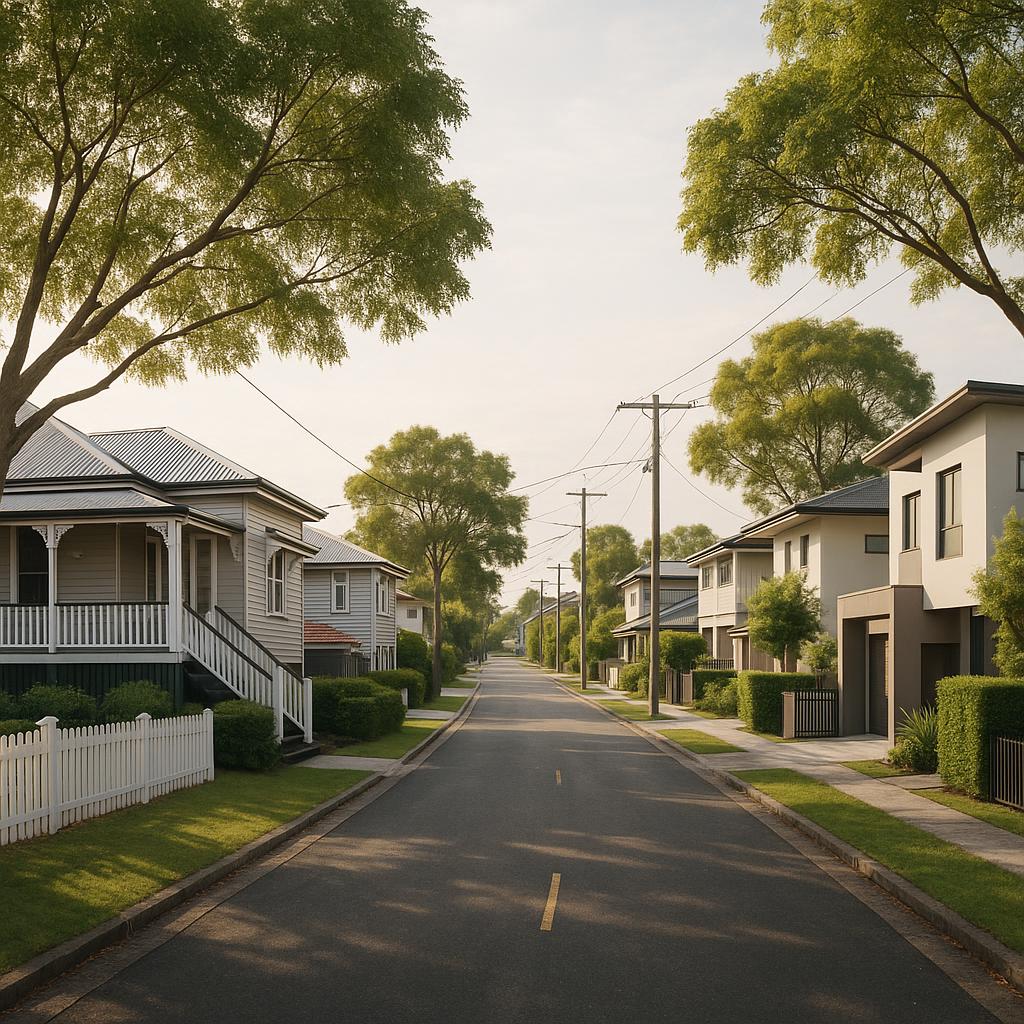
Morningside is a well-established inner-east Brisbane suburb with a housing mix that includes older character homes, renovated dwellings, low-rise apartments, and townhouses. That mix matters because the market is not one single segment; it is several micro-markets, each with different buyer expectations and price behaviour. For investors and homeowners, the suburb’s value proposition is convenience first, then lifestyle, then housing choice.
Established suburbs usually benefit from limited land supply, which can support long-term scarcity, but the quality of the exact street still matters. A quiet, elevated pocket can behave very differently from a property exposed to traffic, noise, or nearby commercial activity. When assessing Morningside, compare the immediate surrounds, not just the postcode.
For buyers, the key question is whether you want a home that prioritises daily convenience or one that prioritises land and future improvement potential. For investors, the key question is whether the property will appeal to a broad renter pool with manageable maintenance and realistic holding costs.
Buyer Demand
Demand in Morningside is typically driven by young professionals, couples, small families, downsizers, and investors who want an inner-east position without CBD living. That broad audience is useful because it can reduce reliance on a single buyer group when you eventually sell.
Competition tends to be strongest for well-presented, turn-key properties in practical locations: close to transport, with parking, good layouts, and low immediate maintenance. A renovated townhouse may appeal to an owner-occupier, while a well-kept apartment may suit an investor or first-home buyer focused on simplicity.
Rental Market
The rental market is attractive because the suburb offers a convenience-led lifestyle that suits professionals and smaller households. Low-maintenance homes, tidy apartments, and functional townhouses usually have the broadest tenant appeal, especially where commute access is simple and everyday amenity is close by.
For landlords, the main decision is not just rentability but ease of ownership. Older buildings may need more upkeep, and strata properties require a close review of levies, rules, and sinking-fund position. Always check current rental listings and comparable leasing evidence in the exact pocket before relying on any general assumption.
Lifestyle, Transport & Schools
Morningside offers an established suburban lifestyle with practical access to shops, cafes, services, and nearby inner-east precincts. That makes it appealing to residents who want everyday convenience without living in a dense CBD setting.
Transport convenience is a major part of the suburb’s property value. Buyers commonly weigh road access and public transport options against dwelling size, and many will accept less space if the commute is easier. Visit at peak times to judge traffic, noise, and route efficiency for yourself.
Families often consider school access, but school zones and enrolment rules should always be checked directly with current official sources. Do not rely on hearsay or outdated assumptions. Parks and recreation also matter here because they help support liveability, walkability, and long-term household appeal.
Morningside Suburb Profile
Official 2021 Census snapshot for the ABS Suburbs and Localities geography.
Age profile
Housing tenure
Occupied private dwellings by tenure type.
Salary & income profile
Median total income reported in the Census.
*Annual figures are weekly median × 52 estimates, not separate ABS annual medians.
Education & qualifications
Highest educational attainment, people aged 15+.
Employment status
People aged 15+ who reported being in the labour force.
Industry of employment
Top responses among employed people aged 15 years and over.
Occupation profile
Broad occupation groups among employed residents, including managers.
Property Type Guide
- Character homes: Best for buyers seeking charm, land value, and future renovation upside; check maintenance and compliance carefully.
- Renovated houses: Good for owner-occupiers who want move-in-ready living; verify that cosmetic updates are matched by solid structure.
- Apartments: Often suit investors and first-home buyers wanting lower maintenance; review strata costs, noise, and building quality.
- Townhouses: A middle-ground option for space and convenience; inspect body corporate rules, shared walls, and outdoor usability.
- Best fit by goal: Lifestyle buyers often lean to renovated homes or townhouses, while investors may prefer quality apartments or low-maintenance townhouses.
Risks & Watch-Outs
- Two properties on the same street can perform differently depending on traffic, elevation, noise, and neighbouring uses.
- Older homes can hide costs in roofing, plumbing, wiring, drainage, or structural maintenance.
- Apartment and townhouse buyers should review body corporate documents, levies, and any special levy history.
- Fresh cosmetic upgrades can distract from layout limitations or deferred maintenance, so look beyond presentation.
- Check flood, drainage, and site-specific planning issues for the exact address before you buy.
Nearby Suburbs to Compare
- Hawthorne – for prestige feel, character homes, and strong owner-occupier appeal.
- Bulimba – for village atmosphere, lifestyle amenity, and family demand.
- Norman Park – for a similar inner-east position with its own housing mix and pockets.
- Balmoral – for a family-focused feel and comparable access to nearby amenity.
- Camp Hill – for buyers wanting more of an elevated suburban feel and different land trade-offs.
FAQ
Is Morningside a good suburb for first-home buyers?
It can be, especially if you value location over land size. First-home buyers often find apartments and townhouses more accessible than houses, but they should budget carefully for strata, maintenance, and any renovation work.
Is Morningside good for investors?
Yes, it can be attractive for investors because the suburb has broad renter appeal and strong convenience. The main focus should be on tenant-friendly layouts, building quality, and holding costs rather than assuming every property will perform the same.
What type of property is strongest in Morningside?
There is no single winner. Renovated homes suit lifestyle buyers, townhouses suit convenience-focused households, and quality apartments can work well for investors. The best option depends on your budget, maintenance tolerance, and intended holding period.
What should I check before buying in Morningside?
Check street context, traffic exposure, property condition, strata details if applicable, and comparable sales in the immediate pocket. Also verify school zones, flood or drainage issues, and commute practicality using current official sources.
How do I compare Morningside with nearby suburbs?
Compare the housing mix, commute patterns, lifestyle amenity, and the type of buyer each suburb attracts. That is often more useful than comparing suburb names alone, because two neighbouring areas can suit very different budgets and objectives.
Conclusion
Morningside is a compelling inner-east Brisbane suburb for buyers who want convenience, established amenity, and flexibility across property types. Its strengths are broad demand and practical liveability, but success depends on choosing the right dwelling, street, and holding strategy. Compare the exact pocket, not just the suburb, and weigh nearby alternatives before committing.
Sources & how to verify
- Check current sold listings and asking prices on Domain so you are not relying on outdated market impressions.
- Review live rental listings on realestate.com.au to see which property types are actually leasing in the suburb.
- Use Brisbane City Council to confirm planning, local area information, and any relevant property or overlay considerations.
- Verify school zones and enrolment information through Queensland Government education resources before assuming a catchment applies.
- Check transport routes and timetable changes on Translink to confirm daily commute practicality.
- Look up property and flood-related planning data through Queensland Government resources when assessing site-specific risk.
- Request building and strata records before purchase, because levies, defects, and maintenance history can materially affect value and risk.
Internal link suggestions: Hawthorne, Bulimba, Norman Park, Balmoral, Camp Hill