Quick Answer
Coorparoo is a well-established inner-south Brisbane suburb that tends to suit both owner-occupiers and investors who value convenience, established amenity, and broad buyer appeal. It is usually strongest for people who want a liveability-first location rather than a speculative growth story built on one catalyst. The key is to choose the right property type and street position, because noise, slope, parking, and building quality can change the experience materially.
Key Takeaways
- Coorparoo appeals to a wide buyer pool because it blends inner-ring convenience, lifestyle amenity, and practical housing choice.
- Demand is often driven by time saved: commutes, errands, school runs, and access to daily services matter here.
- Investors should focus on tenant fit, layout, parking, and building quality rather than relying on suburb reputation alone.
- Owner-occupiers often value the suburb’s established feel, but micro-location can affect privacy, noise, and future resale.
- The best purchases are typically those that balance location, liveability, and long-term usability for the intended household.
Pros & Cons
Pros
- Strong everyday convenience with access to amenity, transport, and established services.
- Broad appeal across families, professionals, downsizers, and renters.
- Good variety of housing stock, from character homes to apartments and townhouses.
Cons
- Desirable pockets can be competitive, which reduces room for bargain-hunting.
- Some streets and sites are affected by traffic noise, slope, or limited privacy.
- Older homes and mixed-age strata stock can require careful due diligence and maintenance budgeting.
Market Overview
Coorparoo is an established inner-south Brisbane suburb with a mature housing market and a reputation built on convenience rather than novelty. It sits in the category of suburbs where buyers often trade land size for location advantage, making it relevant to both families and professionals who want practical access to the city and everyday amenity.
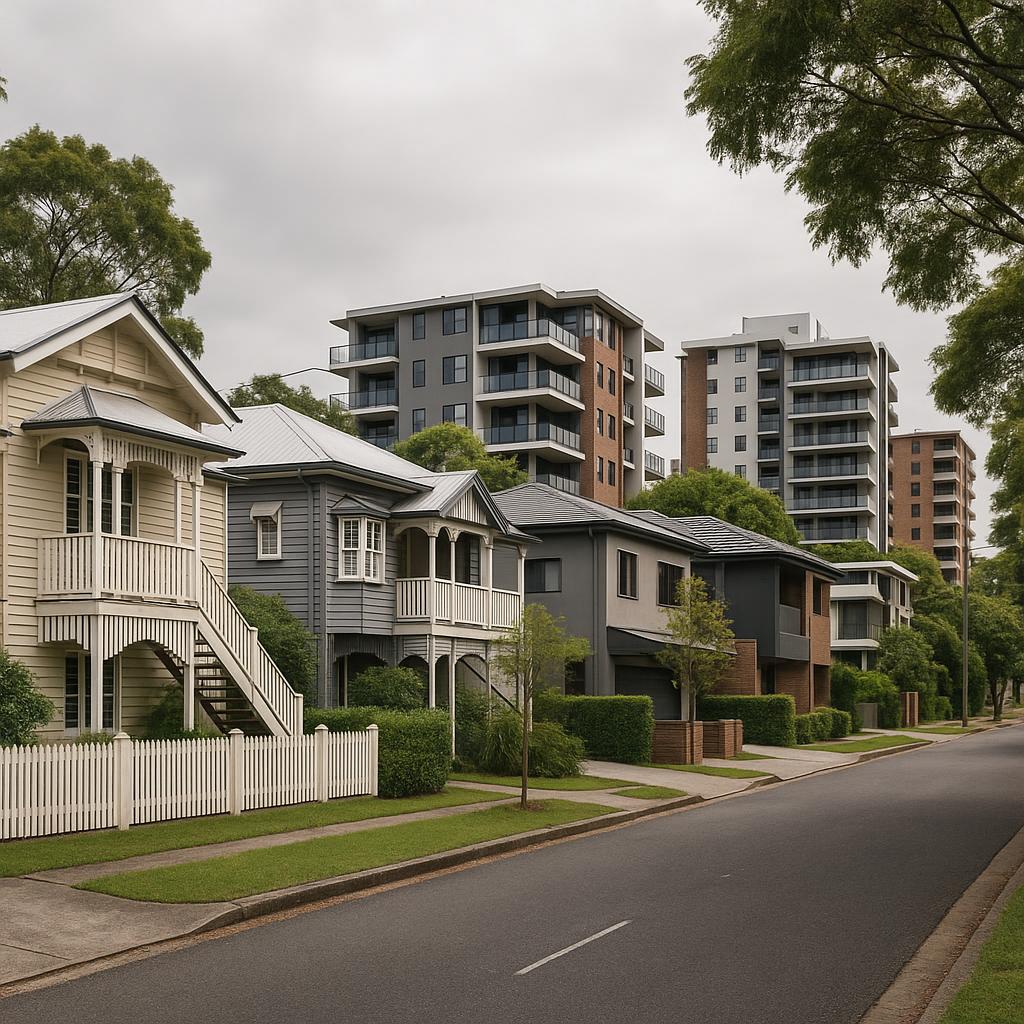
The housing mix is part of the suburb’s appeal and complexity. Buyers will find character houses, renovated dwellings, low-rise apartments, and townhouses, but quality varies sharply by street, building age, and renovation level. That means “Coorparoo” alone is not a decision-making tool; the exact asset matters just as much.
For investors and homeowners, the suburb’s value proposition is straightforward: it is generally easier to explain to a tenant or future buyer because it offers a familiar combination of location, liveability, and access. That does not guarantee strong performance for every property, but it does mean well-selected stock can attract steady attention.
Buyer Demand
Demand in Coorparoo tends to come from buyers who want an inner-ring base without sacrificing practical day-to-day convenience. First-home buyers, upgraders, downsizers, and professionals are all plausible buyers here, which can support liquidity when it is time to sell.
What drives demand is less about a single feature and more about the cumulative benefit of shorter trips, access to services, and a suburb profile that feels established and familiar. A property close to transport, retail, and a quieter pocket will usually be easier to market than one that relies only on the suburb name.
Rental Market
For investors, Coorparoo’s rental appeal usually comes from its location efficiency and broad tenant fit. Young professionals may prioritise convenience, couples may want a polished inner-suburb lifestyle, and small families often look for access to transport, services, and functional layouts.
Rental success here is often tied to practical features rather than flashy upgrades. Off-street parking, a sensible floor plan, natural light, storage, and low-maintenance living can matter more than premium finishes if the property is otherwise well-located. Apartments and townhouses should be assessed carefully for strata quality and liveability, while older houses may need more maintenance allowance.
Lifestyle, Transport & Schools
Coorparoo offers an established residential lifestyle with day-to-day convenience as a core strength. Buyers typically value being able to access shopping, cafés, health services, fitness options, and green space without relying on long cross-city trips.
Transport access is a major part of the suburb’s appeal, but it should be checked at the exact address level. Proximity to major roads can improve commute convenience, yet some homes pay for that with more noise or traffic exposure. In Coorparoo, the right street can matter as much as the right suburb.
Families should independently verify school catchments and enrolment rules before buying, because education access can influence both livability and resale appeal. If school proximity matters to your household, use current official catchment tools rather than relying on general suburb reputation.
Coorparoo Suburb Profile
Official 2021 Census snapshot for the ABS Suburbs and Localities geography.
Age profile
Housing tenure
Occupied private dwellings by tenure type.
Salary & income profile
Median total income reported in the Census.
*Annual figures are weekly median × 52 estimates, not separate ABS annual medians.
Education & qualifications
Highest educational attainment, people aged 15+.
Employment status
People aged 15+ who reported being in the labour force.
Industry of employment
Top responses among employed people aged 15 years and over.
Occupation profile
Broad occupation groups among employed residents, including managers.
Property Type Guide
- Houses: Best for buyers wanting land value, renovation potential, or a long-term family base, but they can bring higher upkeep.
- Apartments: Often suit investors, first-home buyers, and downsizers who prioritise convenience and lower maintenance, provided the building quality is sound.
- Townhouses: A practical middle ground for households wanting more space than a unit without the full maintenance load of a detached home.
- Character stock: Can appeal strongly to owner-occupiers, but budget for compliance, renovation, and ongoing maintenance if the home is older.
- What to compare: Layout, parking, storage, noise exposure, orientation, strata complexity, and future resale appeal should all be weighed carefully.
Risks & Watch-Outs
- Check the exact street and block position, because traffic, slope, and surrounding development can materially affect liveability.
- Do not assume all apartments are comparable; older complexes can differ widely in design, maintenance, and owner-occupier appeal.
- Older houses may hide costly issues in roofing, plumbing, electrics, drainage, or general condition.
- Strata fees, by-laws, and building maintenance plans should be reviewed before treating a townhouse or apartment as a low-effort purchase.
- Be careful not to buy the suburb name instead of the property fundamentals, especially if the home needs significant work.
Nearby Suburbs to Compare
- Camp Hill QLD Property Market Guide: Buyers & Investors
- Greenslopes QLD Property Market Guide: Buyers & Investors
- Holland Park QLD Property Market Guide: Buyers & Investors
- Mount Gravatt East QLD Property Market Guide: Buyers & Investors
- Annerley QLD Property Market Guide: Buyers & Investors
FAQ
Is Coorparoo a good suburb for first-home buyers?
It can be, if the buyer is comfortable trading some space for location and convenience. First-home buyers usually do best here when they focus on a property that is practical to live in, not just one that sounds appealing on paper.
Is Coorparoo better for investors or owner-occupiers?
It can suit both. Owner-occupiers often like the lifestyle and established feel, while investors may value the broad tenant pool. The stronger choice depends on whether the specific property suits long-term living or reliable leasing.
What property type is best in Coorparoo?
There is no single best option. Houses may suit families and land-focused buyers, apartments may suit low-maintenance purchasers, and townhouses can provide a useful middle ground. The right answer depends on budget, maintenance tolerance, and household needs.
What should buyers check before purchasing in Coorparoo?
Check the exact street, noise exposure, slope, drainage, transport access, and condition of the dwelling or building. For units and townhouses, review strata records. For houses, inspect maintenance needs and any renovation scope before making an offer.
How does Coorparoo compare with nearby suburbs?
It is often compared with suburbs such as Camp Hill, Greenslopes, and Holland Park because buyers are weighing similar convenience and lifestyle trade-offs. The best choice comes down to property type, commute needs, and the feel of each micro-pocket.
Conclusion
Coorparoo remains a strong inner-south Brisbane option for buyers who want convenience, established amenity, and a suburb profile that works across different life stages. The key to buying well is not chasing the postcode alone, but matching the right property type and micro-location to your goals. In this suburb, the fundamentals matter more than the label.
Sources & How to Verify
- Check current listings on Domain to compare asking prices, property types, and how quickly similar homes are being marketed.
- Review recent sold evidence on realestate.com.au so you can judge value against comparable nearby properties rather than relying on general suburb commentary.
- Use the Brisbane City Council website to verify local planning, suburb services, and any nearby infrastructure or amenity changes.
- Confirm school catchments and enrolment information through the Queensland Government and the relevant school directly, because catchments can change and may differ by address.
- Check flood and overlay mapping with the Queensland Government or Brisbane mapping tools before treating any property as low-risk.
- Use Translink to confirm actual public transport routes, frequencies, and travel times from the exact property, not just the suburb name.
- For apartments and townhouses, request strata records and inspect the building condition carefully, because ongoing costs and management quality can materially affect ownership outcomes.
- Re-check your assumptions on the inspection day, because street noise, parking, slope, and traffic patterns can be very different from what a map suggests.
Internal link suggestions: Annerley, Greenslopes, Camp Hill, Holland Park, Mount Gravatt East