Quick Answer
Moranbah is a resource-town market where housing demand is shaped by local employment, worker relocations, and practical liveability rather than broad metro-style trends. It can suit buyers and investors who are comfortable with cyclical conditions and who assess tenant demand, maintenance, and resale depth carefully. The strongest opportunities usually sit in well-kept, low-maintenance homes with broad appeal. Before buying, verify current listings, vacancy pressure, and recent sales with local agents and major portals.
Key Takeaways
- Moranbah is an employment-led market, so property performance often rises and falls with local workforce conditions.
- Investors should test tenant depth, vacancy trends, and maintenance exposure before relying on headline rental appeal.
- Owner-occupiers usually benefit from focusing on convenience, parking, and easy access to daily services.
- Broadly appealing homes tend to be more resilient than highly customised stock in a smaller regional town.
- Good decisions in Moranbah come from local evidence, not from assuming all regional Queensland markets behave the same.
Pros & Cons
Pros
- Demand can be supported by local employment and worker relocation needs.
- Practical housing stock often suits buyers who value function over flash.
- Low-maintenance homes can appeal to both tenants and owner-occupiers.
Cons
- ditions can be cyclical and sensitive to industry shifts.
- Lifestyle choice and amenity breadth are narrower than in larger centres.
- Some properties may face higher holding risk if tenant turnover or maintenance costs increase.
Market Overview
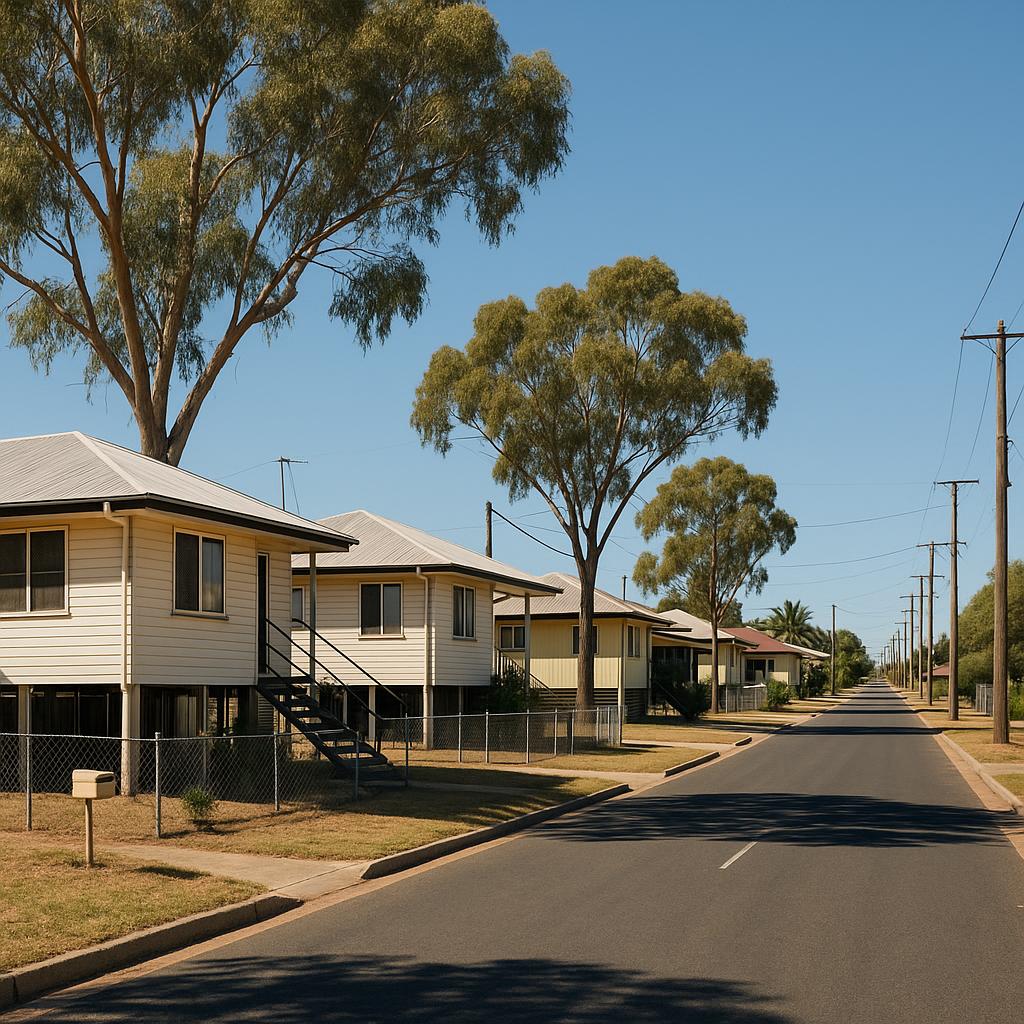
Moranbah is a regional Queensland township best understood as a working market, not a lifestyle-led one. Housing demand is closely tied to local employment, with buyers often prioritising convenience, durability, and ease of upkeep over architectural features or prestige.
That means the suburb can behave differently from coastal or metropolitan markets. Liquidity may be more limited, and the buyer pool can narrow if local demand softens. For that reason, comparing asking prices alone is not enough; you need to understand who is buying, who is renting, and which property types are genuinely in demand at the time.
For investors and homeowners alike, the key is to judge Moranbah on fit. A home that works well for workers, families, or long-term owner-occupiers is usually more defensible than one that relies on a short-term demand spike or a niche buyer segment.
Buyer Demand
Buyer demand in Moranbah tends to come from three groups: local owner-occupiers, relocating workers and families, and investors seeking demand linked to employment. That mix can support practical homes, but it also means the market may be more sensitive to local job conditions than a diversified suburban market.
When assessing demand, look for signs of broad appeal: functional floor plans, good parking, simple maintenance, and access to everyday amenities. Properties that work for more than one buyer type usually hold up better when conditions change.
Rental Market
Moranbah’s rental market is strongly influenced by workforce movement, tenant stability, and the availability of suitably practical homes. For investors, the main question is not just what rent a property might achieve, but how reliably it can be leased and maintained over time.
Low-maintenance houses with durable finishes and sensible layouts often perform better than more complicated stock. Before buying, check current rental listings, ask local property managers what tenant profile is common in the area, and compare vacancy pressure across similar homes.
Lifestyle, Transport & Schools
Moranbah offers a straightforward regional lifestyle centred on daily routine rather than large-scale entertainment. That can be a strength for people who want simplicity and a manageable commute, but it may feel limited for buyers expecting a broader choice of cafes, retail, and recreation.
Transport is heavily car-based, so access to work, shopping, and essential services matters more than in dense urban suburbs. Buyers should think in terms of travel time and convenience rather than public-transport convenience alone.
Schools and family services can meaningfully affect both liveability and rental demand. Families often prefer homes that make the school run easy and keep everyday errands simple. Because catchments and enrolment rules can change, verify school zoning and current access details directly with official sources before relying on assumptions.
Moranbah Suburb Profile
Official 2021 Census snapshot for the ABS Suburbs and Localities geography.
Age profile
Housing tenure
Occupied private dwellings by tenure type.
Salary & income profile
Median total income reported in the Census.
*Annual figures are weekly median × 52 estimates, not separate ABS annual medians.
Education & qualifications
Highest educational attainment, people aged 15+.
Employment status
People aged 15+ who reported being in the labour force.
Industry of employment
Top responses among employed people aged 15 years and over.
Occupation profile
Broad occupation groups among employed residents, including managers.
Property Type Guide
- Detached houses: Often the broadest fit for families, workers, and long-term owner-occupiers.
- Low-maintenance homes: Better suited to investors who want simpler upkeep and lower management friction.
- Practical layouts: Usually more valuable than decorative upgrades in a working-town market.
- Parking and outdoor space: Important for regional usability and tenant appeal.
- Older stock: Can be affordable, but budget for maintenance and inspection thoroughly.
Risks & Watch-Outs
- Industry dependence can create sharper demand swings than buyers expect.
- Tenant turnover may be higher than in diversified suburban markets, increasing vacancy and leasing risk.
- Maintenance and insurance costs can be more important than headline rent in a regional environment.
- Highly customised homes may appeal to fewer buyers and tenants, reducing flexibility.
- Short-term demand surges can tempt overpaying, so compare recent comparable sales before committing.
Nearby Suburbs to Compare
FAQ
Is Moranbah a good suburb for property investors?
It can be, but only for investors who understand cyclical regional markets. The key is to focus on tenant demand, property durability, and vacancy resilience rather than assuming all mining-linked housing performs strongly at all times.
What type of tenant profile is common in Moranbah?
The market is typically influenced by workers, relocated households, and families connected to local employment. That makes practical layouts, parking, and easy access to services especially important for keeping a property attractive to a wider tenant pool.
Is Moranbah better for houses or units?
It depends on your goal. Houses often have broader appeal for families and owner-occupiers, while simpler dwellings may suit investors seeking lower upkeep. The best choice is the one that aligns with local demand and your holding strategy.
What should buyers check before purchasing in Moranbah?
Check recent comparable sales, current rental listings, vacancy pressure, and local property management feedback. Also verify proximity to schools, services, and work routes so the home matches how people actually live and commute in the area.
How does Moranbah compare with other regional Queensland markets?
Moranbah is more employment-linked than many regional centres, so it can be more cyclical. That can create opportunity, but it also means buyers should compare it with places that have broader service access or a more diversified economy.
Conclusion
Moranbah can make sense for buyers who want a practical regional market and are prepared to assess local demand honestly. The best outcomes usually come from choosing a property with broad appeal, manageable upkeep, and a clear fit for the local tenant or buyer pool. Treat it as a working-town decision, not a generic growth story.
Sources & how to verify
- Check current sold results and active listings on Domain so you are comparing real market evidence rather than relying on outdated estimates.
- Review current rental listings on realestate.com.au to understand what property types are actually being advertised and how much competition exists.
- Use the Australian Bureau of Statistics to confirm broad local demographic and housing context before drawing conclusions about household demand.
- Check school catchments and enrolment information through the Queensland schools directory so you do not rely on assumptions about access or zoning.
- Review regional planning and development context on the Mackay Regional Council website to see whether local policy or services may affect housing demand.
- Look at transport and road-related updates on the Queensland Department of Transport and Main Roads website when assessing commute convenience and regional access.
- Speak with at least one local property manager and one selling agent to test whether vacancy, lease terms, and buyer enquiry match what you are seeing online.
- Separate asking prices from achieved sales, because in a smaller market the gap between listing expectations and actual buyer willingness can be meaningful.