Quick Answer
Gladstone Central is the civic and commercial core of the Gladstone urban area, so it suits buyers who value convenience, low-maintenance living, and access to employment and services. For investors, the key is not just “central” location, but choosing the right dwelling type for the likely tenant profile and keeping an eye on building quality, parking, and ongoing costs. It is usually more practical than lifestyle-led, and that can be a strength if your goal is easy occupancy and strong everyday usability.
Key Takeaways
- Gladstone Central is best understood as a convenience-led suburb, not a classic family-estate market.
- Demand tends to follow access to jobs, services, and low-maintenance housing rather than large-block appeal.
- Units and townhouses can suit investors, but body corporate costs and building condition matter.
- Owner-occupiers often choose it for shorter commutes and easier day-to-day living.
- Compare it with nearby suburbs to judge whether central access is worth the trade-off in space and privacy.
Pros & Cons
Pros
- Central access to work, shops, services, and civic facilities.
- Low-maintenance options can suit busy households and investors.
- Practical appeal for tenants who want convenience over yard space.
Cons
- Less suitable for buyers seeking a quiet, leafy, family-style environment.
- Older or mixed stock can mean more upkeep and more careful due diligence.
- Strata or shared-building costs may affect the true holding cost of some properties.
Market Overview
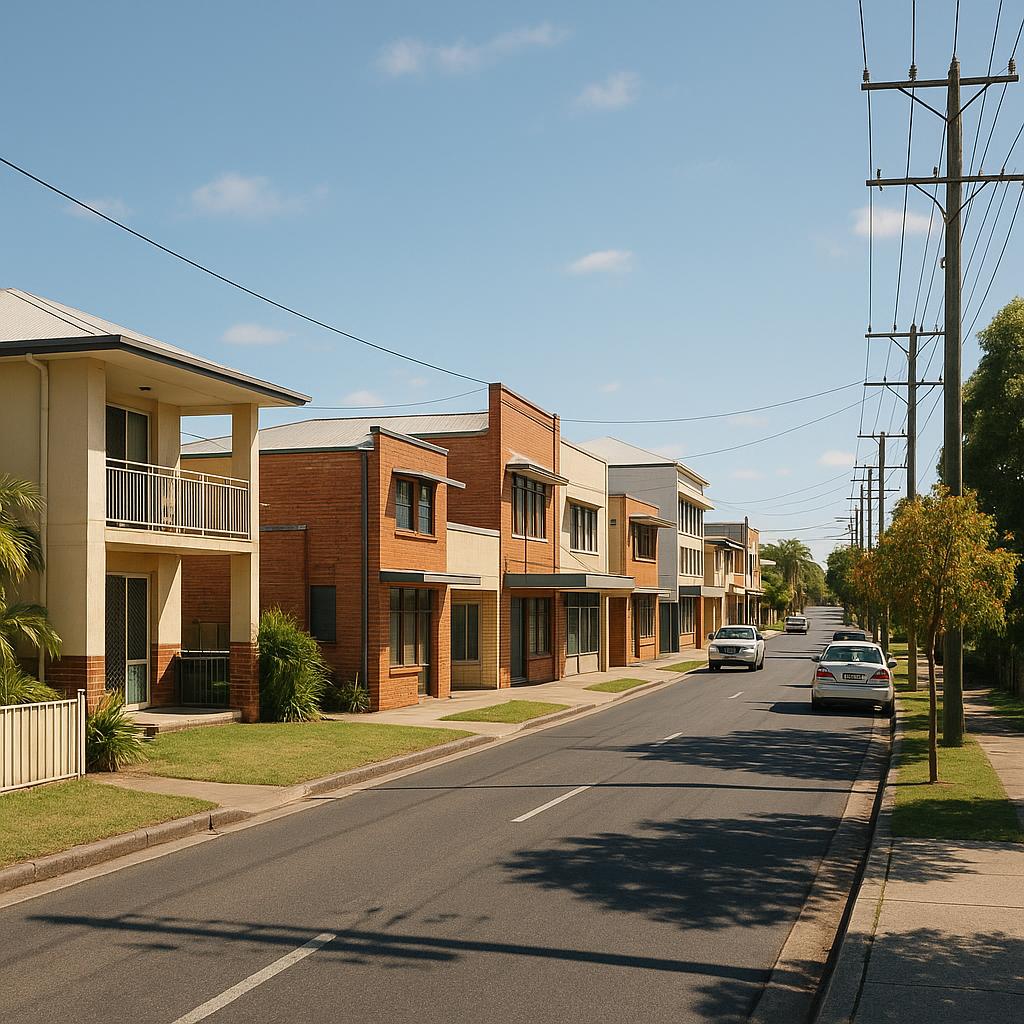
Gladstone Central sits at the heart of the Gladstone urban area, where civic activity, business, services, and central living overlap. That makes it a different proposition from suburban housing estates: buyers are often comparing practicality, access, and maintenance burden rather than chasing land size or prestige.
The local market usually includes a mix of apartments, units, townhouses, and some older housing stock in and around the centre. In a regional city like Gladstone, that mix can create a clear split between people who want a central base and people who would rather trade convenience for more space in surrounding suburbs.
For investors and homeowners, the main question is whether the property solves a genuine day-to-day need. A compact unit near key services may be ideal for a worker or downsizer, while a dated dwelling with awkward layout or limited parking may struggle even if the address is central.
Buyer Demand
Buyer demand in Gladstone Central is usually driven by practicality. That includes owner-occupiers who want reduced commuting friction, investors looking for accessible rental stock, and downsizers wanting to stay close to services without managing a large block.
The strongest demand often comes when the property type matches the likely user: a well-kept unit for a professional, a low-maintenance townhouse for a small household, or an older dwelling only if it offers genuine renovation upside. If the property’s appeal is unclear, buyers tend to compare it quickly against alternatives in surrounding suburbs.
Rental Market
The rental market is typically shaped by workers, couples, and single occupants who value proximity to the CBD, employment nodes, and everyday amenities. For investors, that means presentation, parking, and easy upkeep can matter as much as raw location.
Tenants in central suburbs often shortlist fast, so the property needs to feel clean, functional, and easy to maintain. Units and low-maintenance dwellings can work well, but only if the building is in good order and the asking rent reflects condition, not just postcode.
Lifestyle, Transport & Schools
Lifestyle in Gladstone Central is functional rather than acreage-oriented. It suits people who want to be close to services, work, and civic infrastructure, and who are happy to trade backyard size for convenience. That can be attractive for shift workers, professionals, and downsizers.
Transport access is one of the suburb’s main selling points because central positioning generally shortens the trip to key destinations. Buyers should still inspect the street environment carefully, because convenience can come with more traffic, commercial activity, and less privacy than in quieter residential pockets.
School needs are usually assessed by comparing Gladstone Central with nearby family-focused suburbs. Because school boundaries and enrolment rules can change, verify current details directly with official Queensland education sources before relying on assumptions from a map or an old listing.
Gladstone Central Suburb Profile
Official 2021 Census snapshot for the ABS Suburbs and Localities geography.
Age profile
Housing tenure
Occupied private dwellings by tenure type.
Salary & income profile
Median total income reported in the Census.
*Annual figures are weekly median × 52 estimates, not separate ABS annual medians.
Education & qualifications
Highest educational attainment, people aged 15+.
Employment status
People aged 15+ who reported being in the labour force.
Industry of employment
Top responses among employed people aged 15 years and over.
Occupation profile
Broad occupation groups among employed residents, including managers.
Property Type Guide
- Units and apartments: Often the most practical option for low-maintenance living and investor appeal, but check levies, rules, and building upkeep.
- Townhouses: Can balance convenience and privacy, especially for small households, provided parking and storage are adequate.
- Older homes or mixed stock: May offer more character or space, but often need more repairs, upgrades, and budget discipline.
- Renovation candidates: Worth considering only if the improvements are realistic and the post-renovation buyer or tenant pool is clear.
- Best-fit approach: Start with the intended user first—tenant, downsizer, or owner-occupier—then match the dwelling to that need.
Risks & Watch-Outs
- Central streets can be influenced by traffic, commercial activity, and mixed land uses, which affects privacy and amenity.
- Older buildings may hide maintenance issues, so inspect structure, services, and presentation carefully before offering.
- Strata properties need full review of levies, minutes, sinking funds, and any special maintenance programs.
- Regional markets can be sensitive to local employment conditions, so avoid assuming strong demand will always remain constant.
- Do not buy on location alone; a poor layout, awkward parking, or weak building quality can erode the suburb advantage quickly.
Nearby Suburbs to Compare
Gladstone Central is best judged alongside nearby suburbs that offer a different mix of space, convenience, and buyer appeal. Useful comparisons include South Gladstone, West Gladstone, Barney Point, Kin Kora, and Sun Valley. Each may suit a different balance of family livability, investor utility, and central access.
FAQ
Is Gladstone Central a good suburb for investors?
It can be, if you choose the right property type and understand the tenant base. Central locations often suit people who want convenience and low maintenance, but investors should still assess building quality, strata costs, parking, and how easily the property competes with nearby stock.
What type of buyer does Gladstone Central suit best?
It generally suits buyers who prioritise access and practicality over large yards or quiet residential streets. That includes professionals, downsizers, and investors looking for dwellings that are simple to manage and easier for tenants to use in everyday life.
Are units or houses better in Gladstone Central?
Neither is automatically better. Units can suit low-maintenance investment and central-living convenience, while houses may offer more space or renovation potential. The better choice depends on your holding costs, the condition of the building, and the likely end user.
What should I check before buying in the suburb?
Inspect the building condition, parking, noise exposure, and surrounding land uses. If the property is strata-titled, review the body corporate documents carefully. Also compare the property with nearby suburbs to make sure the convenience premium is justified.
How should I verify school and transport information?
Use current official Queensland education and transport sources, then confirm details in person or with the selling agent. Catchments, routes, and service patterns can change, so do not rely on old listings, hearsay, or a broad suburb description alone.
Conclusion
Gladstone Central is a convenience-first suburb that can work well for investors and homeowners who value access, low maintenance, and a practical urban base. The best outcomes usually come from buying a property with a clear use-case, then verifying condition, costs, and local comparables before committing.
Sources & how to verify
- Check current suburb context and dwelling trends on the ABS so you are not relying on outdated demographic assumptions.
- Review active listings and recent sold evidence on Domain to understand what similar properties are actually transacting for now.
- Use realestate.com.au to compare current rental listings, presentation standards, and how long comparable stock may stay on the market.
- Confirm school zones and enrolment requirements through Queensland Government sources rather than relying on assumptions from third-party maps.
- Check planning, zoning, and development controls on the relevant Gladstone Regional Council pages before considering renovation or redevelopment.
- If you are buying a unit or townhouse, inspect the body corporate records carefully to confirm levies, maintenance history, and any special contributions.
- Walk the street and surrounding block at different times of day to verify traffic, noise, parking, and nearby uses that do not show clearly online.
General information only. This is not financial or legal advice. Always verify current data and obtain independent professional advice before buying.