Quick Answer
Clayfield is a blue-chip inner-north Brisbane suburb that suits buyers who want established streets, strong family appeal, and practical access to the CBD and airport corridor. It is typically a “buy for quality, hold for scarcity” location, where street position, dwelling type, and condition matter more than headline suburb comparisons. It is best for owner-occupiers, long-term investors, and buyers who value convenience and land-backed appeal, but less suitable if your main goal is lower entry cost or immediate cash flow.
Key Takeaways
- Clayfield is an established inner-north suburb with lasting appeal, especially for buyers who prioritise convenience, character streetscapes, and long-term hold quality.
- Demand is usually strongest for well-located houses, renovated family homes, and practical apartments that suit commuters, downsizers, and professional tenants.
- Street-by-street differences matter here: noise, traffic exposure, and property condition can change the value proposition quickly.
- Investors should assess rental fit carefully, because premium locations do not automatically produce premium yield or low-maintenance ownership.
- Owner-occupiers often pay for lifestyle and scarcity, so due diligence on comparable sales, overlays, and property condition is essential.
Pros & Cons
Pros
- Established suburb with enduring lifestyle and prestige appeal
- Strong access to CBD, airport, rail, and inner-north employment nodes
- Broad buyer demand across families, professionals, and downsizers
Cons
- Higher entry cost than many outer-ring alternatives
- Older housing stock can bring maintenance and compliance costs
- Some pockets face noise, traffic, or flight-path exposure
Market Overview
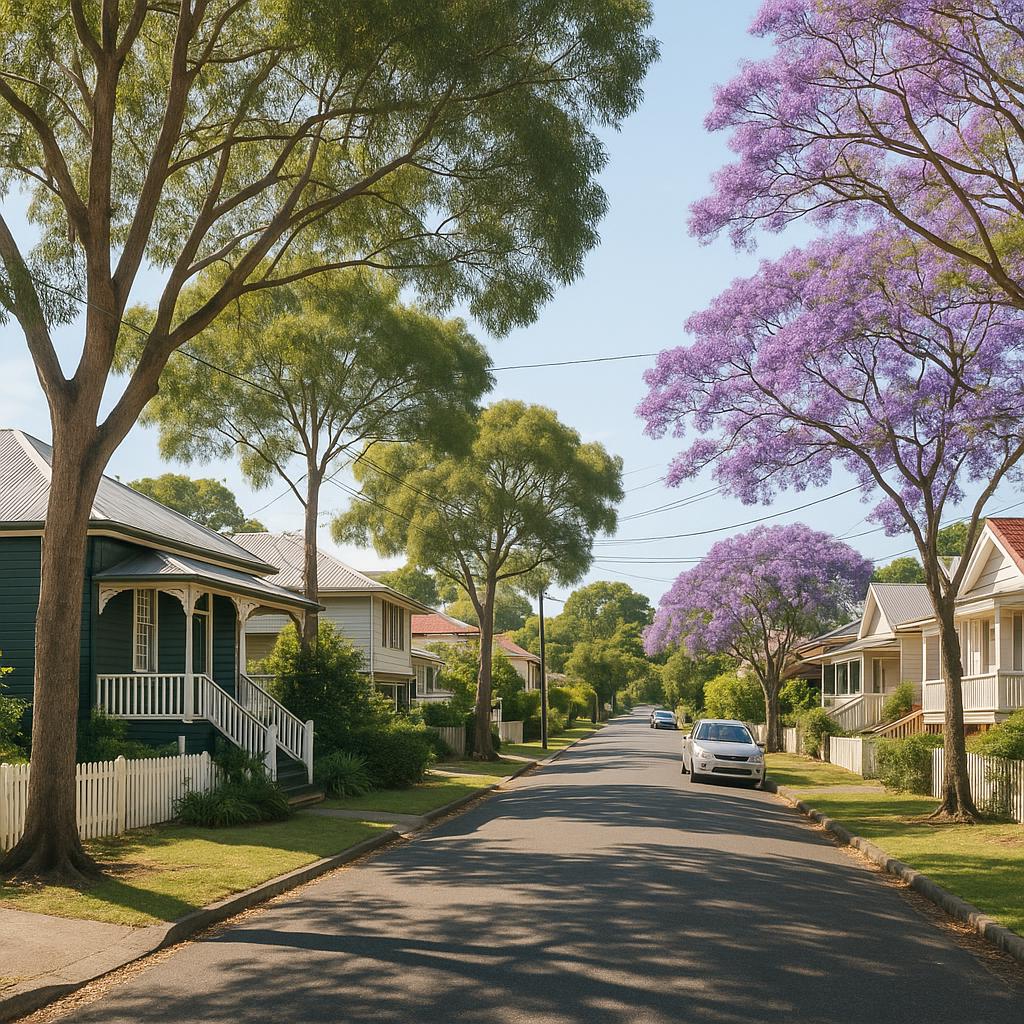
Clayfield is an inner-north Brisbane suburb with a mature residential feel, a strong reputation, and a mix of character houses, renovated homes, and lower-maintenance units. It appeals to buyers who want a well-connected address without sacrificing a leafy, established setting.
The market is usually shaped less by “the suburb” in the abstract and more by micro-location, dwelling type, and presentation. A quiet street with a well-kept Queenslander will attract a different buyer pool from an older apartment near a busier corridor.
That is why Clayfield often rewards careful, property-specific analysis. Scarcity of well-located land, ongoing owner-occupier interest, and practical convenience help support long-term demand, but they do not remove the need to check noise, flood, heritage, and renovation risk.
Buyer Demand
Buyer demand in Clayfield tends to come from a mix of families, professionals, downsizers, and investors. Families are often drawn to the suburb’s established feel and everyday convenience, while professionals and downsizers value proximity, access, and lower-friction living.
What buyers usually pay for is not just the address, but the easier daily routine that comes with it: workable parking, a sensible floorplan, a quiet street, and a home that suits their lifestyle without major immediate work.
Rental Market
Clayfield generally has broad tenant appeal because it offers inner-north convenience, access to transport, and a residential setting that feels more settled than denser urban areas. That can suit commuters, airport-linked workers, and tenants wanting a practical Brisbane base.
For investors, the key question is whether the dwelling type matches the likely tenant. A low-maintenance apartment or townhouse can suit singles and couples, while a house with good outdoor space may appeal more to families or long-stay tenants who value stability.
Lifestyle, Transport & Schools
Clayfield’s lifestyle appeal comes from being established, leafy, and close to the city without being immersed in the busiest parts of Brisbane. That combination often matters to buyers who want convenience, but still prefer a quieter residential rhythm.
Transport is one of the suburb’s major strengths. Rail access, bus options, and strong road connectivity make commuting more flexible, while airport access can be a meaningful advantage for frequent travellers and shift workers.
School access is also part of the buyer conversation in Clayfield, especially for families comparing suburbs on routine efficiency rather than just postcode prestige. As always, confirm current catchments and enrolment rules directly with official sources before making a purchase decision.
Clayfield Suburb Profile
Official 2021 Census snapshot for the ABS Suburbs and Localities geography.
Age profile
Housing tenure
Occupied private dwellings by tenure type.
Salary & income profile
Median total income reported in the Census.
*Annual figures are weekly median × 52 estimates, not separate ABS annual medians.
Education & qualifications
Highest educational attainment, people aged 15+.
Employment status
People aged 15+ who reported being in the labour force.
Industry of employment
Top responses among employed people aged 15 years and over.
Occupation profile
Broad occupation groups among employed residents, including managers.
Property Type Guide
- Character houses: Often the most emotionally compelling stock, with land, charm, and renovation upside, but they require careful checking for maintenance, services, and heritage constraints.
- Renovated family homes: Highly sought after because they reduce immediate work and suit owner-occupiers who want convenience, but quality control matters to avoid paying for cosmetic polish only.
- Apartments and units: Usually appeal to first-home buyers, downsizers, and investors wanting simpler ownership, yet building condition, parking, and body corporate costs must be reviewed closely.
- Townhouses or smaller-format homes: These can offer a middle ground between land-backed houses and unit-style convenience, though supply is often limited and layouts can be less flexible.
- Best-fit rule: Choose a house if land, flexibility, and long-term owner-occupier demand matter most; choose a unit if convenience, lower maintenance, and tenant practicality are the priority.
Risks & Watch-Outs
- Some pockets are affected by road noise, airport-related noise, or heavier traffic, so inspect at multiple times of day.
- Older homes can hide expensive work in wiring, plumbing, drainage, stumps, or extension quality, so building reports matter.
- Flood and drainage considerations should be checked carefully using official mapping, especially for low-lying sites.
- Apartment buyers should assess body corporate health, maintenance history, and possible special levies before committing.
- Do not rely on the suburb name alone; a premium address can still be a poor purchase if the street, layout, or condition is wrong.
Nearby Suburbs to Compare
- Ascot QLD Property Market Guide: Buyers & Investors
- Hamilton QLD Property Market Guide: Buyers & Investors
- Hendra QLD Property Market Guide: Buyers & Investors
- Wooloowin QLD Property Market Guide: Buyers & Investors
- Albion
FAQ
Is Clayfield a good suburb to buy in?
Yes, if you want an established inner-north suburb with strong lifestyle appeal, convenient access, and broad buyer interest. It is generally best for people who value location quality and long-term hold potential more than entry-level affordability.
Is Clayfield better for investors or owner-occupiers?
Both can do well, but for different reasons. Owner-occupiers often pay for the suburb’s lifestyle and character appeal, while investors should focus on tenant fit, maintenance risk, and whether the property type supports reliable leasing.
What property types are most desirable in Clayfield?
Well-kept character homes, renovated family homes, and quality apartments tend to attract the broadest interest. The best choice depends on whether your priority is land value, move-in readiness, or low-maintenance ownership.
What should buyers watch out for in Clayfield?
Check for noise exposure, flood or drainage issues, heritage or character constraints, and the real condition of older homes. In apartments, review building quality, ongoing maintenance, and body corporate costs carefully before making an offer.
How does Clayfield compare with nearby suburbs?
Ascot and Hamilton can feel more premium in certain pockets, Hendra and Wooloowin can be strong lifestyle alternatives, and Albion may offer different price and redevelopment dynamics. Compare by property type, street quality, and your use case.
Conclusion
Clayfield stands out as a convenient, established Brisbane suburb with lasting appeal for both buyers and investors. The strongest purchases here usually combine a good street, the right property type, and realistic due diligence. If you value scarcity, access, and owner-occupier depth, Clayfield is worth serious consideration.
Sources & How to Verify
- Check current sold listings and active competition on Domain so you are comparing Clayfield against actual market evidence, not assumptions.
- Review comparable sales, listing history, and property features on realestate.com.au to see how houses, units, and renovated stock are trading now.
- Confirm planning overlays, zoning, and development constraints through Brisbane City Council before relying on a sales pitch about future flexibility.
- Use Qld Globe to check flood, parcel, and mapping layers that can materially affect insurance and resale risk.
- Verify school catchments and enrolment details with the Queensland school finder because catchments and intake rules can change.
- Review rail service options and station information on Translink to test whether the commute profile actually suits your routine.
- If the home is older, obtain a building and pest inspection and use the report to budget realistically for repairs, upgrades, and maintenance timing.
This article provides general information only and is not financial or legal advice.