Quick Answer
Chinchilla is best approached as a practical regional housing market rather than a lifestyle-led one. For buyers, the main question is whether the home suits your daily needs, maintenance tolerance, and location preferences. For investors, the key is whether the property matches local tenant demand and can hold up under regional wear and tear. In short: buy for utility first, then assess upside. That is usually the safest framework in a town shaped by employment, services, and regional movement.
Key Takeaways
- Chinchilla suits buyers who want regional living, functional housing, and a smaller-town pace without metro-style density.
- Demand tends to be influenced by local employment, service access, and the practical needs of relocating households.
- Investors should prioritise tenant-friendly layouts, manageable maintenance, and a location that supports everyday convenience.
- Older homes can offer value, but only if repair costs, drainage, and presentation are properly understood before purchase.
- The best comparison is not just price, but how well each property matches likely owner-occupier or tenant demand.
Pros & Cons
Pros
- Regional lifestyle with more space and a calmer daily rhythm.
- Practical appeal for tenants and buyers who value function over flash.
- Can suit investors looking for straightforward accommodation demand.
Cons
- Demand can be more exposed to local economic conditions than in larger centres.
- Older housing stock may bring repair and maintenance overheads.
- Stock choice can be limited, so buyers may need to compromise on features.
Market Overview
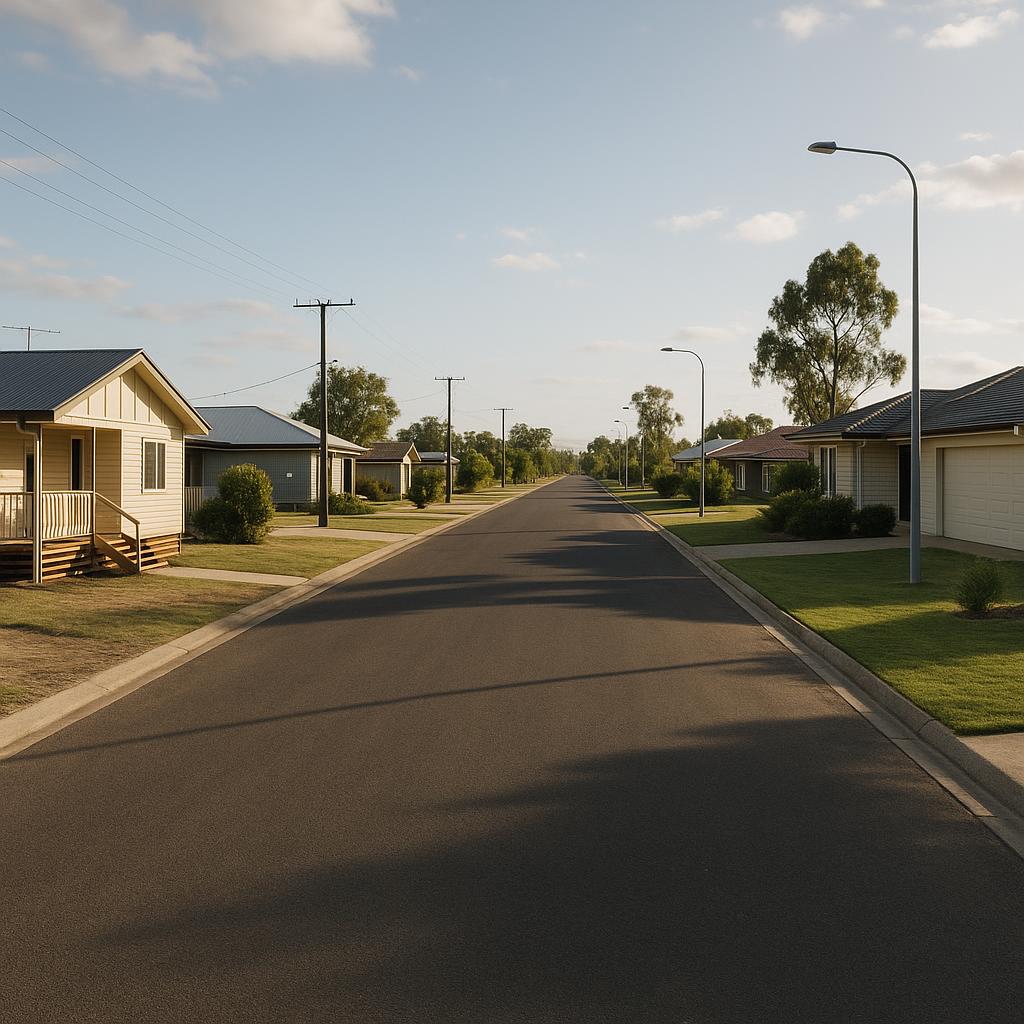
Chinchilla is a regional town in Queensland’s Western Downs, so the market is typically driven by practical housing needs, local employment patterns, and day-to-day convenience rather than prestige or amenity branding. That makes it important to assess the town as a working regional market: who is moving there, who is renting there, and what type of home is easiest to own and occupy.
For owner-occupiers, the right property is usually the one that fits routine life with the least friction. For investors, the key question is whether the asset aligns with the tenant base and can remain serviceable without expensive surprises. In regional markets like Chinchilla, the property that is easiest to maintain and most broadly useful often holds the strongest practical appeal.
Market behaviour here can differ from larger Queensland centres because local activity matters more than broad headline sentiment. That is why buyers should compare actual listings, recent sales evidence, and property condition rather than relying on assumptions about the whole state. A well-presented home in a useful location can outperform a cheaper property that is awkward to live in or costly to maintain.
Buyer Demand
Buyer demand in Chinchilla is usually shaped by a mix of local households, relocating workers, downsizers, and some investors seeking a regional holding. In a town like this, “interest” is not the same as “qualified demand”; a property still needs to suit the likely occupant, whether that is a family, a worker, or an owner-occupier wanting less upkeep.
The strongest demand typically comes from homes that are easy to use, easy to look after, and close enough to services for everyday convenience. If you are comparing homes, ask which one would be easier to live in, lease out, and resell. That simple filter often reveals more than asking price alone.
Rental Market
The rental market is best judged through tenant fit, not just headline rent. In regional towns, demand often comes from workers and households who need practical accommodation, functional layouts, and low-maintenance living. Properties that present well and feel durable usually attract more interest than homes that look cheap but need constant attention.
For investors, the main question is whether the home will stay rentable without excessive repair costs or long vacancies between tenancies. A standard, well-kept house with sensible rooms and manageable grounds often has broader appeal than a larger but harder-to-maintain dwelling. Check current listings and property manager feedback before assuming a specific rental outcome.
Lifestyle, Transport & Schools
Chinchilla offers a quieter, more practical lifestyle than most metropolitan areas. That can suit buyers who want space, a slower pace, and a stronger sense of familiarity in their day-to-day routines. It is less suitable for those who want a dense café scene, broad entertainment choice, or short-notice amenity access everywhere.
Transport matters because regional living tends to rely on driving for work, shopping, appointments, and broader access to services. When assessing a property, think about how easy it is to move around town and how the location will feel in wet weather, peak work periods, or for school runs. Convenience often matters more than a small difference in purchase price.
School access is also worth checking carefully for family buyers and renters. Even where exact school rankings are not the point, practical proximity to education, childcare, and daily services can materially affect livability and resale appeal. Confirm catchments, travel times, and school hours using current official sources before you buy.
Chinchilla Suburb Profile
Official 2021 Census snapshot for the ABS Suburbs and Localities geography.
Age profile
Housing tenure
Occupied private dwellings by tenure type.
Salary & income profile
Median total income reported in the Census.
*Annual figures are weekly median × 52 estimates, not separate ABS annual medians.
Education & qualifications
Highest educational attainment, people aged 15+.
Employment status
People aged 15+ who reported being in the labour force.
Industry of employment
Top responses among employed people aged 15 years and over.
Occupation profile
Broad occupation groups among employed residents, including managers.
Property Type Guide
- Detached houses: Usually the broadest fit for owner-occupiers and tenants because they are simple to understand and easy to value.
- Older homes: Can offer entry value, but inspect for maintenance load, worn services, and upgrade costs.
- Homes with larger blocks: Attractive for space and lifestyle, although mowing, fencing, and external upkeep add work.
- Low-maintenance homes: Often strongest for investors or busy owners because they reduce ongoing effort and vacancy risk.
- Well-presented family homes: Commonly appeal to the widest buyer pool if they are functional, tidy, and near everyday services.
Risks & Watch-Outs
- Do not assume regional demand will stay strong without checking the local employment and rental picture.
- Older properties can hide repair needs in roofs, drainage, stumps, interiors, or general presentation.
- Some homes may look cheap but be expensive to hold once maintenance and compliance are factored in.
- Location within town still matters: convenience, street appeal, and access to services can affect resale and leasing.
- Always verify flood, drainage, and planning considerations with current official sources before committing.
Nearby Suburbs to Compare
FAQ
Is Chinchilla a good place to buy property?
It can be, if your priorities align with regional living, practical housing, and a market shaped by local demand rather than inner-city growth dynamics. It is best suited to buyers who value utility, space, and a straightforward day-to-day lifestyle.
Is Chinchilla better for investors or owner-occupiers?
It can work for both, but the decision depends on property type and maintenance tolerance. Investors should focus on rental fit and durability, while owner-occupiers should focus on convenience, condition, and whether the home suits their routine.
What type of property is easiest to rent in Chinchilla?
Generally, practical homes with good presentation, sensible layouts, and manageable upkeep are easier to lease. A property that suits workers or families and does not require constant repairs will usually have broader appeal than one with complex maintenance needs.
What should I check before buying in a regional Queensland town?
Check building condition, local services, flood and drainage issues, access to schools and transport, and the likely tenant or buyer pool. Then compare recent sales and rental evidence so you understand what the market is actually doing now.
How do I compare Chinchilla with nearby towns?
Compare employment base, rental demand, stock quality, transport access, and lifestyle fit. A nearby town may offer more services, while Chinchilla may offer a more compact, practical regional setting. The right choice depends on your use case.
Conclusion
Chinchilla is best assessed as a useful regional market, not a headline-driven one. If you buy here, focus on property condition, location, tenant fit, and long-term practicality. Buyers and investors who match the home to the local market usually make better decisions than those chasing the lowest asking price or broad assumptions about growth.
Sources & How to Verify
- Check current sold and active listings on Domain so you can compare asking prices, property types, and days-on-market indicators in real time.
- Review live rentals on realestate.com.au to see what kinds of homes are being advertised, how they are presented, and whether supply appears tight or balanced.
- Use the Australian Bureau of Statistics to understand broader demographic and housing context without relying on anecdotal impressions.
- Confirm zoning, overlays, and planning matters through the Western Downs Regional Council before buying land, renovating, or considering future use changes.
- Check flood and hazard mapping on the Queensland Government mapping portal so you understand site-specific risks rather than guessing from street appearance alone.
- Verify school details, catchments, and enrolment information through the Queensland state school directory rather than relying on third-party summaries.
- Speak with local property managers and agents, then compare their feedback with live listings to test whether tenant demand matches the story being told.
- Inspect the property in person where possible, because maintenance, drainage, street presentation, and surrounding uses often influence value more than online photos.