Quick Answer
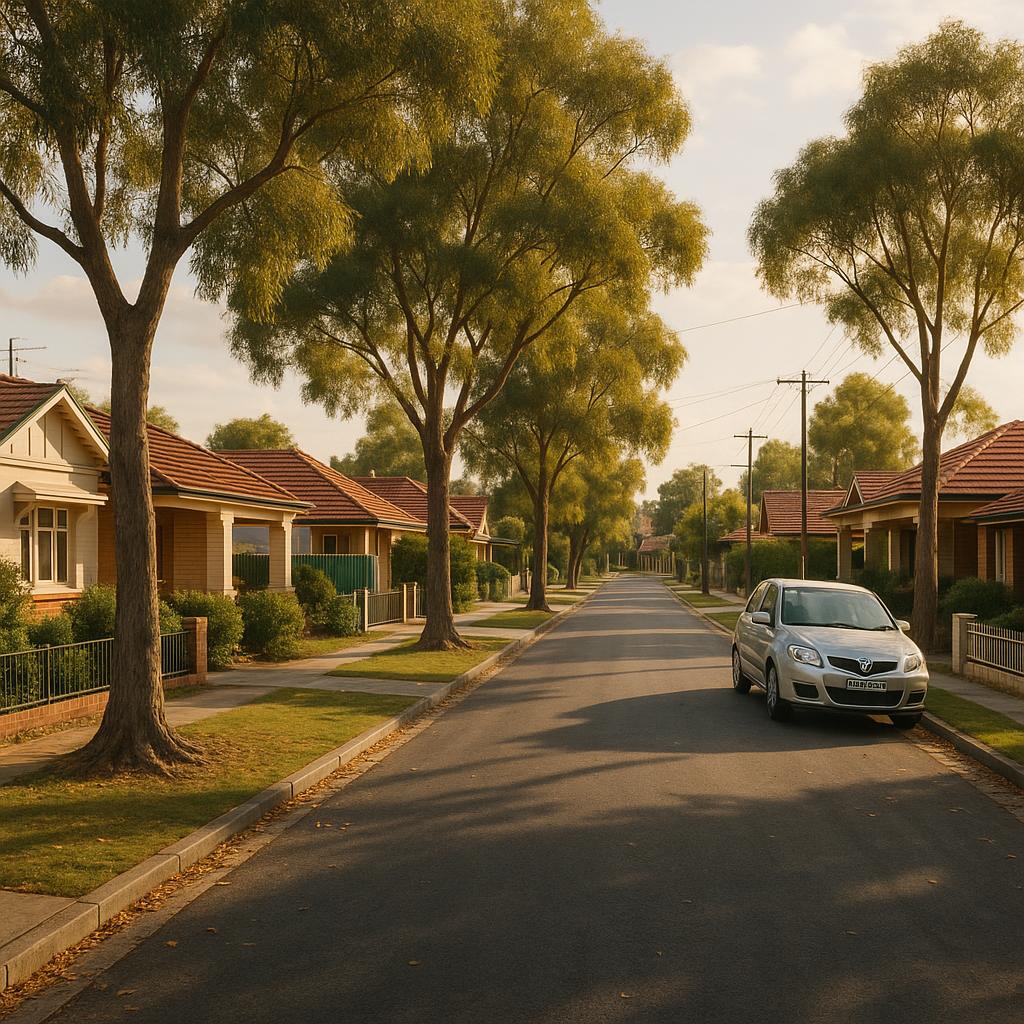
Everard Park is a tightly held inner-southwest Adelaide suburb that appeals to buyers who want convenience, established surroundings, and practical access to the CBD and nearby employment hubs. For investors, the main draw is broad tenant appeal rather than a speculative story: good location, manageable housing formats, and everyday livability. The key is to assess street-by-street differences, because noise, parking, and property type can matter more than the suburb name itself.
Key Takeaways
- Everard Park suits buyers who value inner-ring convenience, established amenity, and a straightforward commute into Adelaide.
- Demand is usually strongest for well-presented, functional homes that work for both owner-occupiers and tenants.
- Property type matters: the best choice depends on whether you prioritise land, low maintenance, or long-term flexibility.
- Street quality can vary meaningfully, so noise, parking, and access should be checked before you make an offer.
- Compare Everard Park with nearby inner suburbs to judge whether you are paying for genuine lifestyle value or just location convenience.
Pros & Cons
Pros
- Strong inner-suburb location with practical access to Adelaide’s employment and lifestyle catchments.
- Established housing and amenity can support broad appeal across buyers and tenants.
- Good fit for people who prefer convenience and lower commute friction over fringe-suburb land size.
Cons
- Limited stock means fewer compromises are possible when a property misses the mark.
- Some streets may be affected by traffic noise, parking pressure, or other urban amenity trade-offs.
- Older homes can require more maintenance, due diligence, and renovation budgeting.
Market Overview
Everard Park sits in Adelaide’s inner urban ring, so its market is shaped more by location convenience and housing quality than by new development or large land releases. That generally makes it relevant to buyers who want proximity to the city without paying for the CBD itself, and to investors who value a simple, easy-to-understand rental story.
The suburb’s appeal is best assessed at street level. In this kind of market, a quiet, well-oriented home with sensible parking and a functional layout can outperform a larger but less practical property on a busier road. Buyers should treat Everard Park as a micro-market rather than a single uniform suburb.
For decision-making, focus on land use, home condition, and whether the property feels easy to live in every day. That matters more than chasing broad suburb narratives, especially where the stock mix is small and tightly held.
Buyer Demand
Buyer interest is usually driven by convenience, commute efficiency, and the desire to live close to established services. That makes the suburb attractive to owner-occupiers, professionals, downsizers, and investors looking for broad resale depth rather than a niche buyer pool.
Demand tends to favour homes that are easy to maintain and easy to explain: functional floorplans, good presentation, and a sensible balance between privacy, access, and parking. If a property feels awkward, noisy, or over-improved relative to the street, it may narrow its buyer pool quickly.
Rental Market
From an investor perspective, Everard Park can suit tenants who want inner-suburb convenience and a manageable home. Rental performance is usually tied to practical features: usable space, good condition, adequate storage, and easy access to transport and services.
A strong location alone will not rescue a poor layout or a tired presentation. Investors should prioritise durability and low-friction living, because tenants in this part of Adelaide often compare properties on convenience and everyday usability rather than on luxury extras.
Lifestyle, Transport & Schools
Everard Park offers practical inner-suburb living rather than a high-profile destination lifestyle. The appeal is daily ease: access to shops, services, cafés, parks, and surrounding activity centres without a long commute into the city. That suits buyers who want routine convenience and a well-connected base.
Transport access is a key part of the value proposition. Buyers should test travel times at peak periods, not just off-peak, and consider how easy it is to move by car, bus, or a mix of both. In inner suburbs, minor traffic differences can materially affect livability.
For families, school zoning and enrolment pathways should be verified directly through official sources, not assumed from suburb reputation. School access can influence resale depth, but the exact catchment outcome depends on the address and current rules.
Everard Park Suburb Profile
Official 2021 Census snapshot for the ABS Suburbs and Localities geography.
Age profile
Housing tenure
Occupied private dwellings by tenure type.
Salary & income profile
Median total income reported in the Census.
*Annual figures are weekly median × 52 estimates, not separate ABS annual medians.
Education & qualifications
Highest educational attainment, people aged 15+.
Employment status
People aged 15+ who reported being in the labour force.
Industry of employment
Top responses among employed people aged 15 years and over.
Occupation profile
Broad occupation groups among employed residents, including managers.
Property Type Guide
- Character and older homes: Often appeal to owner-occupiers who want charm and renovation upside, but maintenance and layout issues must be checked carefully.
- Units, townhouses, and low-maintenance homes: Can suit investors and downsizers who value simplicity, though shared-cost obligations and limited land upside matter.
- Detached homes on smaller blocks: Usually offer the broadest buyer appeal if parking, privacy, and outdoor usability are well resolved.
- Best strategy match: Choose character if you want improvement potential, low-maintenance stock if you want ease, and detached homes if you want wider resale flexibility.
Risks & Watch-Outs
- Check for traffic, rail, or other urban noise influences that may not be obvious during a short daytime inspection.
- Review parking access carefully, especially if the street is narrow or heavily used by residents and visitors.
- Older homes can hide repair costs in wiring, plumbing, damp, roof condition, or poor past renovations.
- Do not assume all inner-suburb properties will outperform; the wrong floorplan or street can weaken both rental and resale appeal.
- Confirm zoning, easements, and any development constraints through current official records before relying on listing descriptions.
Nearby Suburbs to Compare
- Black Forest SA Property Market Guide: Buyers & Investors
- Ashford SA Property Market Guide: Buyers & Investors
- Goodwood SA Property Market Guide: Buyers & Investors
- Millswood SA Property Market Guide: Buyers & Investors
- Clarence Park SA Property Market Guide: Buyers & Investors
- Kings Park SA Property Market Guide: Buyers & Investors
FAQ
Is Everard Park a good suburb for buyers?
Yes, if your priority is inner-suburb convenience, established amenity, and a practical commute. It is best suited to buyers who value location and livability over larger blocks or brand-new housing. The best purchase is usually the one with the strongest street position and most functional layout.
Is Everard Park a good suburb for investors?
It can be, particularly for investors seeking broad tenant appeal and low-friction leasing. The key is buying a property that is easy to maintain, easy to occupy, and easy to re-let. Avoid relying on suburb reputation alone; the property itself must do the work.
What type of property is best in Everard Park?
There is no single best type. Detached homes may offer broader resale appeal, low-maintenance homes may suit investors and downsizers, and character homes can suit buyers who want renovation potential. The right choice depends on budget, holding period, and how much maintenance you can accept.
What should I check before buying in Everard Park?
Check street noise, parking, layout efficiency, building condition, and whether the home feels comfortable at different times of day. Then confirm zoning, easements, and any planning restrictions using current official records. Small issues can matter more here than in outer suburbs.
How does Everard Park compare with nearby suburbs?
It should be compared with other inner-west and inner-south suburbs where buyers are trading off convenience, land size, and housing style. Nearby markets can look similar on a map but differ materially in street feel, buyer competition, and renovation expectations.
Conclusion
Everard Park is a convenience-led inner Adelaide suburb that rewards careful street-level analysis. For buyers, the best outcomes come from prioritising livability, parking, and condition. For investors, the focus should be on tenant-friendly features and maintenance control. It is not a suburb to buy blindly; it is a suburb to assess precisely.
Sources & How to Verify
- Check current listings and sold results on Domain to see what similar homes are actually selling and renting for right now.
- Use realestate.com.au to compare stock type, days on market patterns, and the quality of available properties in the suburb.
- Review planning and zoning information on PlanSA before assuming a property can be extended, redeveloped, or changed easily.
- Confirm local area context and services through the City of Charles Sturt if the property sits within or near council-managed assets and works.
- Check suburb-level demographics and household trends on ABS to understand the broader resident profile, but do not rely on old census figures for price decisions.
- Verify school zoning directly through the South Australian school zone finder, because catchments can change and vary by address.
- Inspect current bus and network information on Adelaide Metro to check route usefulness, timing, and weekend practicality.
- Always combine online research with an in-person inspection at different times of day so you can assess noise, traffic, parking, and overall street feel accurately.