Quick Answer
Pyrmont suits buyers who want an inner-city, walkable lifestyle with strong access to the CBD, Barangaroo, Darling Harbour, and major employment hubs. It is primarily an apartment market, so the smartest purchases usually come down to building quality, strata health, aspect, and noise exposure rather than land value. For investors, the suburb’s broad tenant appeal is a key draw; for homeowners, convenience and low-maintenance living are the main advantages.
Key Takeaways
- Pyrmont is best assessed building by building, because apartment quality, strata management, and orientation matter more than postcode alone.
- The suburb’s strongest appeal is convenience: city access, waterfront amenity, entertainment, and a lifestyle that reduces car dependence.
- Investors should prioritise tenant-friendly layouts, low-maintenance buildings, and clear evidence of ongoing strata stability.
- Owner-occupiers often pay for natural light, quieter pockets, and better liveability features such as storage and parking.
- The main decision test is whether you want an inner-city apartment lifestyle, not a traditional suburban home-and-garden outcome.
Pros & Cons
Pros
- Prime inner-city location with excellent access to work, dining, and harbour-side amenity.
- Apartment-heavy housing stock gives buyers and investors multiple product types to compare.
- Broad appeal to professionals, downsizers, and tenants seeking convenience over space.
Cons
- Limited land and few freestanding homes mean less choice for buyers wanting a conventional house.
- Strata costs, building defects, and special levies can materially change holding costs.
- Noise, traffic, tourism, and parking constraints can affect some buildings and streets more than others.
Market Overview
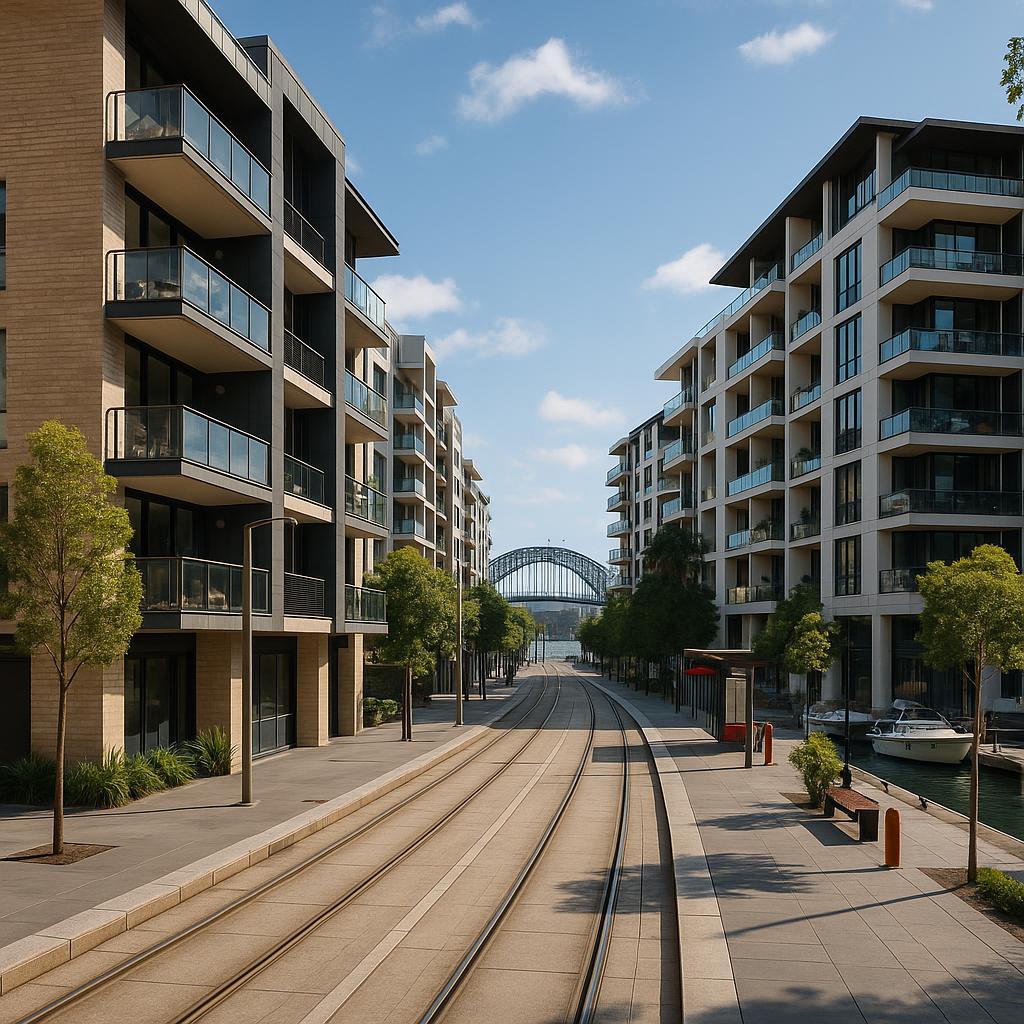
Pyrmont is an inner-city Sydney peninsula suburb with a distinctly apartment-led profile. It sits close to the CBD and major lifestyle precincts, which makes it a practical choice for buyers who value time savings, walkability, and low-maintenance living.
The suburb’s market is shaped less by land size and more by micro-location, building condition, and outlook. A well-located apartment with strong natural light, sensible layout, and a well-run owners corporation will usually hold more appeal than a flashy unit with weaker fundamentals.
For purchasers, the key is to separate “Pyrmont” as a brand from the actual property on offer. In this market, two apartments in the same street can feel very different depending on whether they face a quiet residential pocket, a busier road, or a more active commercial and entertainment zone.
Buyer Demand
Buyer demand in Pyrmont tends to come from professionals working in or near the CBD, downsizers seeking security and convenience, and investors who want a location with broad tenant appeal. The suburb also attracts buyers who want a lifestyle product rather than a larger home.
That demand is strongest where the apartment offers a practical floorplan, good ventilation, secure access, and a manageable strata profile. Buyers should expect competition for the better-located, better-managed stock, especially when the apartment is ready to occupy and easy to rent.
Rental Market
Pyrmont usually appeals to tenants who want a short commute, a walkable lifestyle, and modern apartment living. Corporate renters, couples, and single professionals are often drawn to the suburb because it balances convenience with amenity.
For investors, the strongest rentals are typically those that feel easy to live in: good storage, functional space, quiet orientation where possible, and a building that presents well. In a dense inner-city setting, presentation and practicality often matter more than raw size.
Lifestyle, Transport & Schools
Pyrmont’s lifestyle appeal is a major part of its value proposition. Residents are close to dining, waterfront walks, entertainment, and the kind of daily amenity that suits busy professionals and downsizers who want less driving and more convenience.
Transport access is another core strength. Walkability is one of the suburb’s biggest advantages, and light rail, bus, and ferry options may all be relevant depending on the exact address. Buyers should verify current routes and service levels before making assumptions about commute times.
For schooling, families need to be practical rather than generic. Check current catchment and enrolment information, because school access can vary by property and by year. If you are buying for a family rather than an investment, assess lift access, storage, noise, and pram-friendly convenience as seriously as proximity to transport.
Pyrmont Suburb Profile
Official 2021 Census snapshot for the ABS Suburbs and Localities geography.
Age profile
Housing tenure
Occupied private dwellings by tenure type.
Salary & income profile
Median total income reported in the Census.
*Annual figures are weekly median × 52 estimates, not separate ABS annual medians.
Education & qualifications
Highest educational attainment, people aged 15+.
Employment status
People aged 15+ who reported being in the labour force.
Industry of employment
Top responses among employed people aged 15 years and over.
Occupation profile
Broad occupation groups among employed residents, including managers.
Property Type Guide
- Apartments: The dominant product type; focus on layout, light, noise, parking, and strata quality.
- Newer apartments: Often attractive for presentation and amenities, but construction quality still needs checking.
- Older strata stock: Can offer better proportions or value, but review maintenance history and levy risk carefully.
- Warehouse-style or character conversions: Appeal to buyers wanting personality, but functionality and light are critical.
- Best for investors: Buildings with broad tenant appeal, sensible running costs, and low vacancy sensitivity.
- Best for owner-occupiers: Quiet, well-presented apartments with strong storage, secure access, and a usable floorplan.
Risks & Watch-Outs
- Strata levies and special levies can significantly alter the true cost of ownership, so review records before buying.
- Building defects, ageing services, or poor maintenance can weaken resale appeal and create ongoing expense.
- Noise, traffic, and foot traffic from nearby activity zones may matter more in Pyrmont than in lower-density suburbs.
- Parking scarcity and limited storage can reduce livability for owner-occupiers and appeal for some tenants.
- Do not buy on view or finish alone; a weak floorplan or poor orientation can undermine long-term demand.
Nearby Suburbs to Compare
- Ultimo
- Glebe
- Darlinghurst
- Surry Hills
- Waterloo
FAQ
Is Pyrmont a good suburb for property investors?
Pyrmont can be a strong investor suburb if you buy the right building. Focus on tenant demand, practicality, strata health, and resale breadth. A well-located apartment in a well-run complex is usually a safer investment than a visually impressive unit with hidden ongoing costs.
What should I check before buying an apartment in Pyrmont?
Review the strata report, building condition, levy history, floorplan, aspect, noise exposure, and parking or storage allocation. In an inner-city apartment market, these factors can influence both monthly holding costs and future resale outcomes more than cosmetic upgrades.
Is Pyrmont suitable for first-home buyers?
Yes, if the buyer is comfortable with apartment living and accepts the trade-off between location and space. First-home buyers often choose Pyrmont for commute convenience and lifestyle access, but should be disciplined about strata costs, layout efficiency, and long-term liveability.
How does Pyrmont compare with nearby inner-city suburbs?
Pyrmont is more apartment-focused and harbourside-oriented than many nearby alternatives. Compare it with suburbs such as Ultimo, Glebe, and Surry Hills to decide whether you want a stronger lifestyle-and-convenience product, more character, or a different balance of density and amenity.
Is Pyrmont family-friendly?
It can be, but it is usually better suited to smaller households, couples, or families who are comfortable with apartment living. Families should check school options, storage, noise, lift access, and whether the building and floorplan genuinely support day-to-day family routines.
Conclusion
Pyrmont is a high-convenience inner-city suburb where apartment quality, strata management, and micro-location drive the real buying decision. It suits buyers who want urban amenity, short commutes, and strong tenant appeal more than land and house-style living. If you approach it building by building, Pyrmont can be a practical and durable choice.
Sources & how to verify
- Check current suburb planning context and nearby development activity on NSW Planning Portal so you do not rely on outdated assumptions about future supply.
- Use Transport for NSW to confirm current service patterns, route changes, and station or stop access before comparing commute options.
- Review local area information on City of Sydney for council updates, public domain changes, and local planning matters that may affect liveability.
- Check current school catchment and enrolment details through the NSW School Finder rather than assuming a property is in a preferred zone.
- Compare recent sold results and active listings on Domain to verify real-time pricing behaviour and buyer competition.
- Cross-check asking rents and advertised unit features on realestate.com.au so you can judge rental demand using current stock, not stale estimates.
- Use the Australian Bureau of Statistics for broader demographic context, but confirm any suburb-level assumptions with more current market evidence.