Quick Answer
Balmain NSW suits buyers who want a tightly held inner-west harbour suburb with village character, strong owner-occupier appeal, and long-term scarcity value. It is usually better for lifestyle-led purchasers and patient investors than for bargain hunters chasing short-term gains. Expect premium pricing relative to many nearby suburbs, strong competition for well-located homes, and meaningful differences between streets, aspect, parking, and heritage constraints. The key is to buy a property that is easy to live in, easy to rent, and easy to resell.
Key Takeaways
- Balmain is a scarcity market, so the best results usually come from location quality, presentation, and long holding periods.
- Buyer demand is broad but selective, with owner-occupiers, downsizers, professionals, and investors competing for the same limited stock.
- Rental demand is supported by lifestyle appeal, inner-city convenience, and strong preference for low-friction, well-kept homes.
- Micro-location matters more than the suburb label, especially for noise, parking, light, access, and heritage limitations.
- The best purchase strategy is to match property type to your goal: liveability, capital resilience, renovation upside, or steady tenancy appeal.
Pros & Cons
Pros
- Walkable village atmosphere with everyday amenity close at hand
- Heritage character and harbour-side proximity add enduring emotional appeal
- Broad buyer interest can support resale depth when the property is well chosen
Cons
- Entry prices can be demanding, especially for quality homes in sought-after pockets
- Parking, traffic flow, and access can be inconvenient in some streets
- Older housing stock may involve heritage limits, maintenance, or renovation complexity
Market Overview
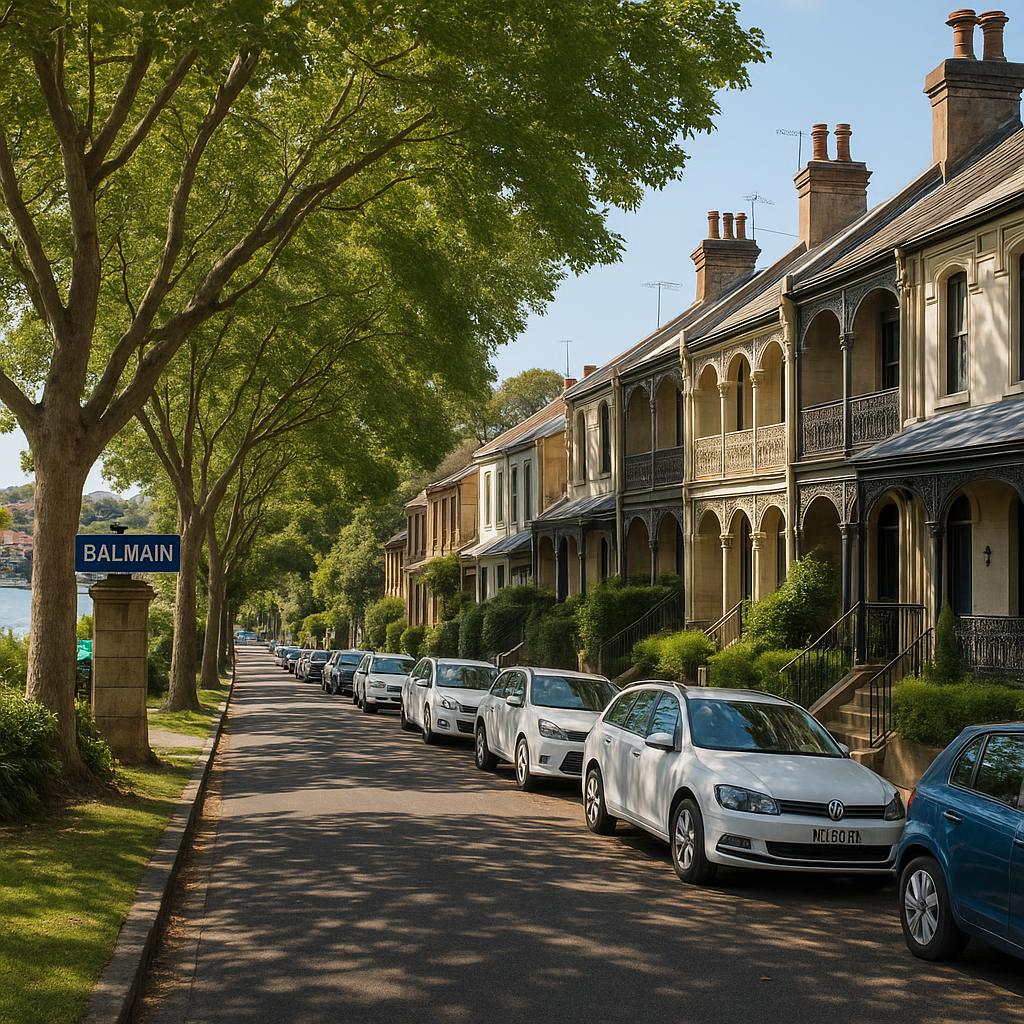
Balmain is an established inner-west Sydney suburb with a strong village identity, historic streetscape, and a housing mix that includes terraces, semis, apartments, and converted homes. The market is shaped less by volume and more by scarcity, which means the best properties can draw attention from several buyer groups at once.
For investors and owner-occupiers, the practical question is not just “Is it Balmain?” but “Which Balmain?” A quiet street near amenity, a home with better natural light, or a property with easier parking can outperform another listing with the same postcode but weaker day-to-day livability.
The suburb generally rewards buyers who think in terms of holding quality rather than chasing a discount. Renovated homes, tidy originals, and well-managed apartments can all be competitive, but they appeal for different reasons. If you are relying on future flexibility, resale depth, or tenant demand, condition and micro-location deserve as much attention as the broader suburb reputation.
Buyer Demand
Buyer demand in Balmain is typically led by owner-occupiers who value character, convenience, and a neighbourhood feel that still functions like a real village. Downsizers often want a more manageable property without giving up location quality, while professionals and families look for daily ease, good amenity, and access to the city fringe.
Competition tends to be strongest for homes that solve practical problems well: usable floor plans, good light, outdoor space, parking, and lower maintenance. If a property also has retained period features or tasteful renovation, it can attract multiple buyer types, which is important in a tightly held suburb where alternatives are limited.
Rental Market
Balmain generally appeals to tenants who want a premium inner-west lifestyle close to the CBD, rather than the cheapest possible rent. That means the strongest rental candidates are usually properties that are easy to maintain, pleasant to live in, and close to the village, transport, and local amenities.
Investors should focus on tenant fit rather than headline suburb status. A compact apartment with parking and good access may suit time-poor professionals, while a character terrace may suit tenants who are willing to pay more for charm and location. The common thread is that presentation and functionality matter more than size alone.
Lifestyle, Transport & Schools
Balmain’s lifestyle appeal comes from its walkable streets, dining and cafe options, and a settled community feel that many buyers value highly. The suburb suits people who want everyday convenience without sacrificing a distinctive character environment. That quality can support long-term demand because many residents stay once they have found the right pocket.
Transport and access are practical rather than flashy. Buyers should assess real-world commute patterns, not just map distance, because parking, traffic, and walking routes can shape daily experience. In Balmain, a property’s livability often depends on how easily you can move in and out of the suburb at busy times.
Schools and family infrastructure matter, but buyers should verify current catchments and enrolment rules directly through official sources. For family purchasers, the usual decision is less about one “best” school and more about the combination of home layout, parks, walkability, and how the suburb fits the routine of school drop-off, work, and after-school activities.
Balmain Suburb Profile
Official 2021 Census snapshot for the ABS Suburbs and Localities geography.
Age profile
Housing tenure
Occupied private dwellings by tenure type.
Salary & income profile
Median total income reported in the Census.
*Annual figures are weekly median × 52 estimates, not separate ABS annual medians.
Education & qualifications
Highest educational attainment, people aged 15+.
Employment status
People aged 15+ who reported being in the labour force.
Industry of employment
Top responses among employed people aged 15 years and over.
Occupation profile
Broad occupation groups among employed residents, including managers.
Property Type Guide
- Terraces and heritage homes: Strong character appeal, but check light, layout, maintenance, and any heritage restrictions before assuming renovation flexibility.
- Semi-detached homes: Often a practical middle ground, offering character with slightly more functionality than a narrow terrace.
- Apartments and units: Lower-maintenance entry point, but strata quality, parking, storage, and building condition matter greatly.
- Renovated stock: Best for buyers wanting immediate comfort, though workmanship and hidden defects still need careful inspection.
- Original stock: Can suit value-add buyers, but budget for compliance, staging, and realistic timeframes rather than rosy assumptions.
Risks & Watch-Outs
- Heritage controls or conservation area rules may limit additions, facade changes, or major alterations.
- Busy roads, nightlife spillover, or street parking pressure can reduce liveability in some pockets.
- Older homes may conceal maintenance issues such as damp, ageing services, or uneven structural upgrades.
- A beautiful listing can still be impractical if the layout is awkward, the light is poor, or access is difficult.
- In apartments, strata management quality can materially affect future costs, insurance, and resale confidence.
Nearby Suburbs to Compare
- Rozelle NSW Property Market Guide: Buyers & Investors
- Birchgrove NSW Property Market Guide: Buyers & Investors
- Lilyfield NSW Property Market Guide: Buyers & Investors
- Glebe NSW Property Market Guide: Buyers & Investors
- Annandale NSW Property Market Guide: Buyers & Investors
FAQ
Is Balmain good for first-home buyers?
It can be, but only if the buyer is realistic about budget, strata costs, and the trade-off between location and property size. First-home buyers often do better with a compact apartment or a lower-maintenance home than with a renovation-heavy terrace.
Is Balmain better for buyers or investors?
It is strong for both, but in different ways. Owner-occupiers tend to value the lifestyle and character, while investors should focus on tenant appeal, maintenance risk, and resale depth. It is rarely a high-yield suburb, so long-term quality matters more.
What type of property is most popular in Balmain?
Character homes usually attract the strongest emotional response, especially terraces and well-kept semis. However, apartments can be very practical for downsizers and investors if the building is well managed and the layout offers genuine everyday convenience.
What should buyers inspect most carefully?
Pay close attention to light, noise, parking, street access, internal layout, and any heritage or renovation restrictions. In older housing, also check the condition of plumbing, wiring, roofing, and drainage so you understand likely future spending.
How does Balmain compare with nearby inner-west suburbs?
Balmain usually sits at the lifestyle-and-character end of the spectrum. Nearby suburbs may offer more affordability, different housing stock, or quieter residential pockets. Comparing micro-location, not just suburb name, is the best way to judge value properly.
Conclusion
Balmain is a premium inner-west suburb for buyers who value character, convenience, and scarcity-led demand. The best opportunities usually come from balancing micro-location, property type, and holding strategy rather than chasing the cheapest listing. If you buy with clear goals and disciplined due diligence, Balmain can be a durable lifestyle and investment choice.
Sources & How to Verify
- Check recent sales, asking prices, and property history on Domain so you are not relying on outdated market impressions.
- Review current listings and rental supply on realestate.com.au to understand what is actually available in the suburb today.
- Use ABS for demographic context, but confirm any interpretation against current local conditions before acting.
- Check planning, zoning, and heritage controls through the NSW Planning Portal before assuming you can renovate or extend.
- Confirm school catchments and enrolment information with the NSW School Finder because local intake can change.
- Review transport routes and service changes on Transport for NSW so commute assumptions reflect current timetables.
- Check local planning and community information on the Inner West Council website to understand development controls and local issues.
- Inspect the street at different times of day and read strata records, because maps and listing photos rarely reveal noise, parking, or building-management issues.