Quick Answer
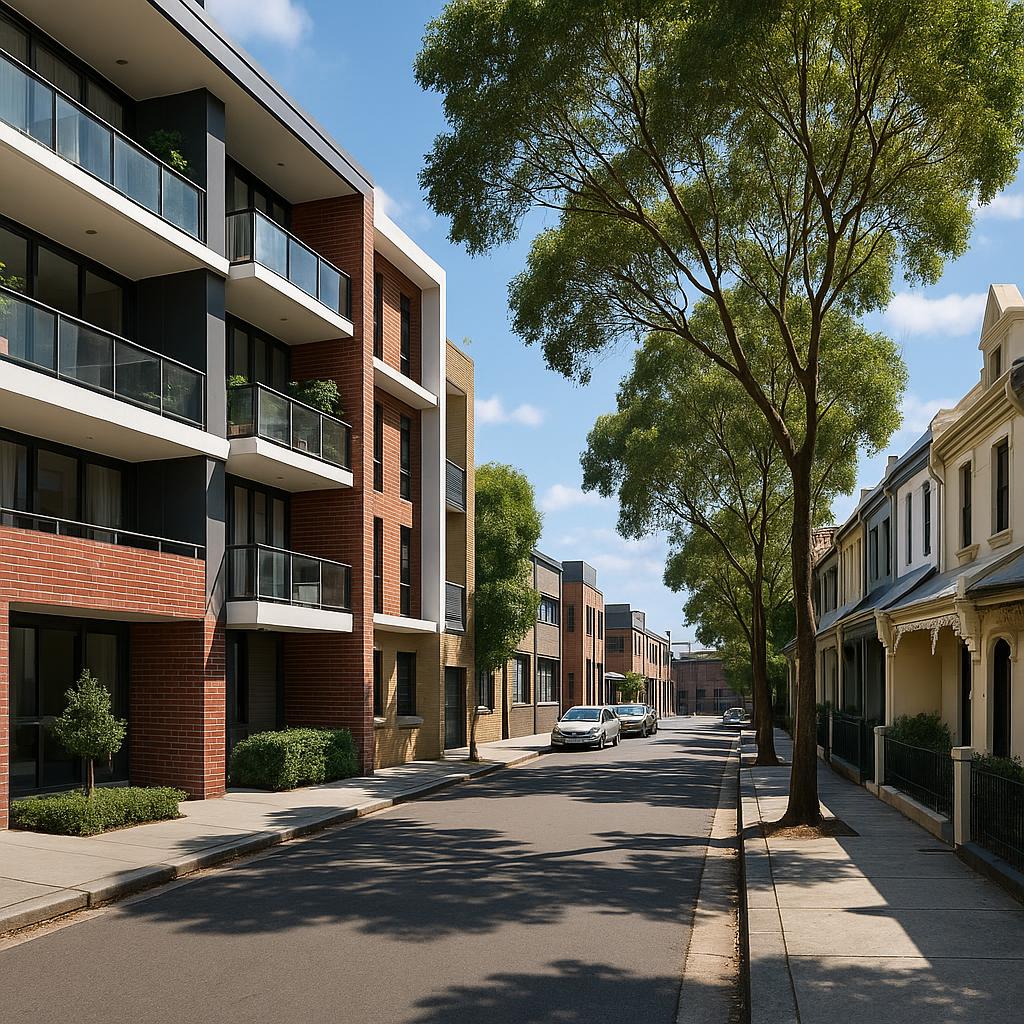
Alexandria suits buyers who value inner-city convenience, strong commuter access, and a lifestyle-led address more than big land or a traditional suburban feel. For investors, the suburb can attract resilient tenant demand, but the quality of the building, strata structure, noise exposure, and exact street matter as much as the postcode. It is generally a practical choice for professionals, downsizers, and long-term holders who understand apartment and mixed-use market dynamics.
Key Takeaways
- Alexandria is a location-first market where access, amenity, and scarcity often influence price more than block size.
- Property type matters: apartments, terraces, and warehouse conversions each attract different buyers and carry different risks.
- Demand is supported by proximity to employment hubs, lifestyle amenity, and workable transport connections.
- Investors should assess strata quality, building age, parking, light, and noise before assuming rental strength.
- Buyers should compare streets and buildings carefully because micro-location can materially change liveability and resale appeal.
Pros & Cons
Pros
- Close to the CBD and major inner-south employment areas
- Broad appeal to renters, owner-occupiers, and downsizers
- Diverse stock including apartments, terraces, and character conversions
Cons
- Limited land and a high reliance on strata property
- Some pockets face traffic, commercial activity, or construction noise
- Older buildings can bring higher maintenance and compliance risk
Market Overview
Alexandria is an inner-south Sydney suburb where buyers are usually paying for convenience, access, and scarcity rather than family-sized land. It has a mixed urban feel, with residential pockets sitting alongside warehouse-style buildings, light industrial uses, and lifestyle amenity. That combination makes it more nuanced than a typical suburb profile.
For property decision-making, Alexandria is best read as a series of micro-markets. A quiet street near good amenity can feel very different from a building exposed to traffic, loading activity, or future development pressure. The suburb can work well for those who want a lock-up-and-leave lifestyle or a tenant-friendly investment, but less well for buyers chasing a large backyard or a classic suburban setting.
The important question is not simply “Is Alexandria good?” but “Which property type, building, and pocket in Alexandria suits my goal?” That distinction matters because the suburb’s outcomes are shaped heavily by strata quality, building presentation, and day-to-day liveability.
Buyer Demand
Buyer demand in Alexandria is usually driven by people who want to stay close to the city and live in an area with strong everyday convenience. Professionals, couples, downsizers, and investors often overlap here, which can help support depth of demand when stock is well presented.
The most competitive properties tend to be those that solve real inner-city problems: parking, storage, natural light, low noise, and an easy commute. A well-finished apartment or a character home in a quieter pocket can attract multiple buyer groups, which improves resale flexibility.
Rental Market
Alexandria generally appeals to renters who value access to the CBD, nearby employment areas, and a lifestyle-rich location. That broadens the tenant pool beyond one narrow demographic, which is useful for investors seeking consistent enquiry rather than niche demand.
Rental performance is often influenced by practical features more than fashion: secure parking, usable layouts, ventilation, and building condition. Investors should also consider strata costs and building age, because those can materially affect net returns even when gross rent appears attractive.
Lifestyle, Transport & Schools
Alexandria offers an urban lifestyle with cafes, everyday services, gyms, and easy access to surrounding inner-south precincts. For many residents, the drawcard is convenience rather than quiet amenity, so walkability and short commute times carry real weight in both buying and renting decisions.
Transport access is a major part of the suburb’s appeal. Buyers and tenants often look for straightforward routes to the CBD, airport corridor, and surrounding employment hubs. Exact access depends on the property’s location within the suburb, so checking the daily commute from the front door is worthwhile.
Families may also look at nearby schooling options in surrounding suburbs, depending on zoning and preferences. Rather than relying on broad claims, verify catchments and school access directly using current government tools, because practical school proximity can influence demand for larger homes and better-located pockets.
Alexandria Suburb Profile
Official 2021 Census snapshot for the ABS Suburbs and Localities geography.
Age profile
Housing tenure
Occupied private dwellings by tenure type.
Salary & income profile
Median total income reported in the Census.
*Annual figures are weekly median × 52 estimates, not separate ABS annual medians.
Education & qualifications
Highest educational attainment, people aged 15+.
Employment status
People aged 15+ who reported being in the labour force.
Industry of employment
Top responses among employed people aged 15 years and over.
Occupation profile
Broad occupation groups among employed residents, including managers.
Property Type Guide
- Apartments: Often the most accessible entry point; check strata fees, building quality, lift access, light, ventilation, and parking.
- Terraces and character homes: Appeal to buyers wanting charm and flexibility; check renovation quality, storage, and any heritage or planning constraints.
- Warehouse conversions: Suited to design-led buyers; check acoustics, thermal comfort, ceiling heights, and strata maintenance history.
- Townhouse-style homes: Can balance privacy and low maintenance; check shared walls, visitor parking, and ongoing upkeep.
Risks & Watch-Outs
- Strata levies and building rules can shape both liveability and investment returns, so review them before making an offer.
- Noise from roads, nearby businesses, or construction can affect comfort and resale, especially in exposed pockets.
- Older buildings may carry hidden maintenance issues, compliance upgrades, or higher-than-expected ongoing costs.
- Parking, storage, and access can be more important than they first appear in an inner-city suburb with limited space.
- Style can distract from fundamentals, so assess layout, aspect, ventilation, and building condition before getting attached.
Nearby Suburbs to Compare
- Zetland NSW Property Market Guide: Buyers & Investors
- Waterloo NSW Property Market Guide: Buyers & Investors
- Erskineville
- St Peters
- Surry Hills NSW Property Market Guide: Buyers & Investors
FAQ
Is Alexandria NSW good for property buyers?
Yes, if you want an inner-south location with strong convenience and are comfortable assessing apartments, terraces, and mixed-use pockets carefully. The suburb tends to suit buyers who value access and lifestyle more than large land or a conventional suburban environment.
Is Alexandria a good suburb for investors?
It can be, particularly for investors targeting tenant demand from professionals and couples. The main focus should be building quality, strata management, parking, and noise, because those factors can have a bigger effect on performance than the suburb name alone.
What types of homes are common in Alexandria?
Expect a mix of apartments, terrace homes, townhouse-style properties, and warehouse-style conversions. That mix creates choice, but it also means buyers need to compare property type carefully rather than assuming all stock will appeal to the same buyer or tenant.
Is Alexandria suitable for families?
Some families will find it suitable, especially if they prioritise access and convenience. However, family buyers often need to be more selective about street position, parking, storage, outdoor space, and schooling access than they would in a more traditional suburban area.
What should I check before buying an apartment in Alexandria?
Review the strata report, building condition, levies, parking, ventilation, and noise exposure. Also check the immediate street environment, because an apartment can look similar online but feel very different depending on traffic, light, and nearby activity.
Conclusion
Alexandria is a strong fit for buyers and investors who understand that inner-city property rewards precision. The best outcomes usually come from choosing the right building, street, and property type, not simply buying in the suburb. If you prioritise convenience, tenant appeal, and long-term liveability, Alexandria can be a compelling option.
Sources & how to verify
- Check current listings and recent sold evidence on Domain to verify what similar properties are actually achieving in the market.
- Use realestate.com.au to compare available stock, property types, and how quickly well-presented homes are being advertised.
- Review planning controls and nearby development applications on the City of Sydney planning portal to understand future change around the property.
- Confirm transport access and service updates on Transport for NSW before relying on commute assumptions or travel times.
- Use the NSW school finder to verify catchments and school access rather than relying on informal claims.
- Check suburb demographics and housing context through ABS data, but remember census figures may lag current market conditions.
- Request a strata report and compare it with the building’s maintenance history, because levies and defects can materially change the investment case.
- Inspect the street at different times of day and speak with local agents so you can confirm noise, parking, and buyer or tenant demand in practice.