Quick Answer
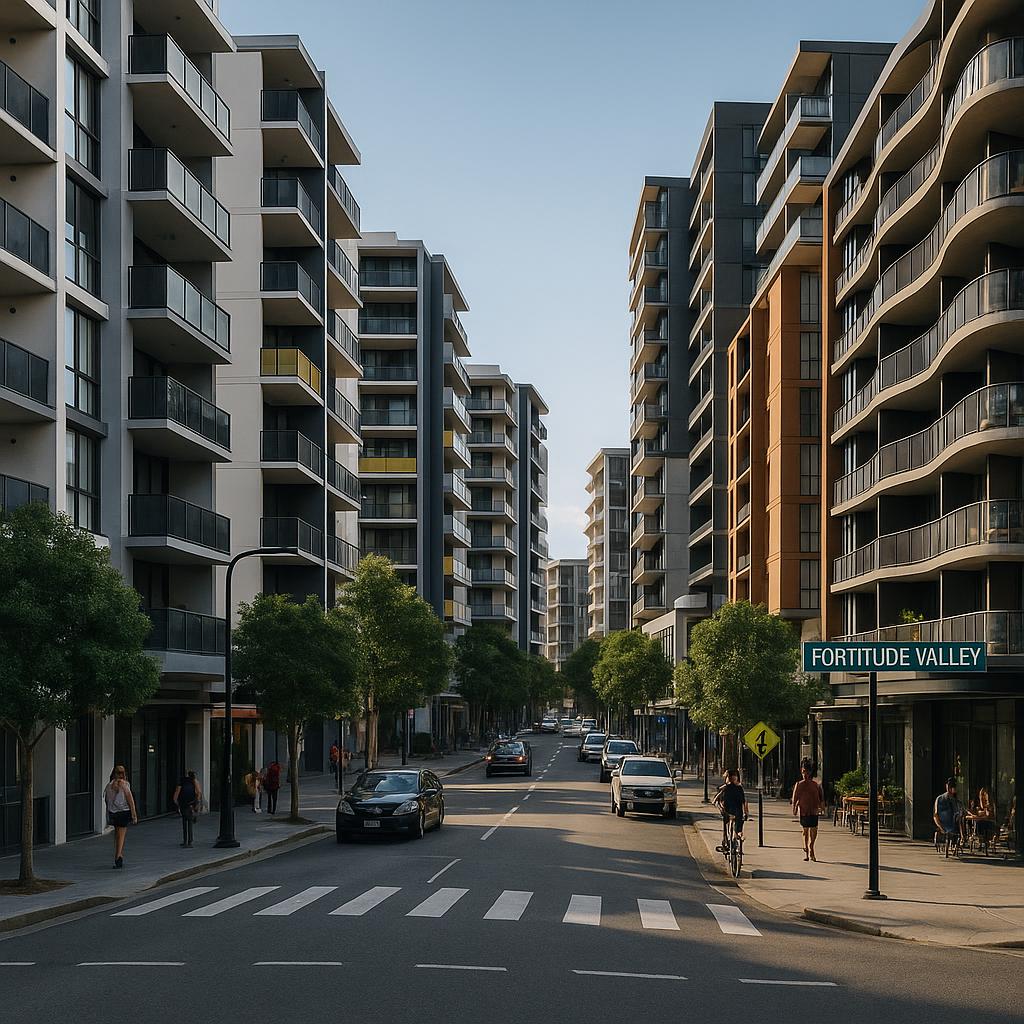
Fortitude Valley suits buyers and investors who want inner-city convenience, apartment living, and immediate access to Brisbane’s CBD, employment hubs, dining, and transport. It is usually best for people who accept an urban, activity-heavy environment in exchange for low-maintenance ownership and strong lifestyle access. The smartest purchases are not always the newest listings; they are the buildings with sound strata management, practical floorplans, and a location that matches the intended occupant’s tolerance for noise, parking, and nightlife.
Key Takeaways
- Fortitude Valley is an inner-city, apartment-led suburb where daily convenience often matters more than land size or backyard space.
- Buying well depends on the exact building, pocket, and strata quality, not just the postcode or headline presentation.
- The suburb suits lifestyle buyers, downsizers, and investors who prioritise walkability, transport access, and low-maintenance living.
- Rental demand is typically driven by professionals, couples, and city-oriented renters seeking a car-light, connected routine.
- Before committing, compare nearby inner-Brisbane suburbs and verify building records, school catchments, parking, and current listings.
Pros & Cons
Pros
- Strong inner-city convenience and fast access to the CBD
- Broad appeal to renters seeking an easy, car-light lifestyle
- Mix of apartment styles, including some character and boutique options
Cons
- Noise, traffic, and weekend activity can affect liveability
- Body corporate fees and building rules are part of apartment ownership
- Building quality varies sharply between complexes and streets
Market Overview
Fortitude Valley is one of Brisbane’s most recognisable inner-city suburbs, and that matters for property buyers because it is fundamentally a convenience market rather than a land-content market. Residential stock is heavily apartment-led, with some townhouse, terrace, and adapted character-style properties. In practice, the value of a specific building, floorplan, aspect, and street can matter just as much as the suburb name.
For homeowners, the suburb works best when the property aligns with an urban lifestyle. For investors, it is a market where tenant appeal is usually built on access, amenity, and ease of living. That makes it a micro-market: one apartment building can attract strong owner-occupier interest, while another nearby complex may struggle because of noise, dated common areas, or weak strata management.
What this means in real terms is that buyers should assess Fortitude Valley as a cluster of pockets, not a single uniform postcode. The best purchase is often the one that balances convenience with livability, rather than simply chasing the most central or most visible address.
Buyer Demand
Buyer demand tends to come from professionals, first-home buyers seeking a lower-maintenance entry point, downsizers, and investors. The suburb appeals to people who value time savings and walkability, and who are comfortable with apartment life rather than traditional house-and-yard expectations.
Demand is strongest for properties that feel easy to own: efficient layouts, good natural light, secure access, practical parking, and manageable body corporate costs. A building with a reputation for being well-run can broaden the buyer pool considerably, which is important when it comes time to resell.
Rental Market
Fortitude Valley generally suits renters who want proximity to the CBD, transport, food, and entertainment. That means tenant demand often comes from young professionals, couples, early-career workers, and city-based renters who want convenience over space.
For investors, the goal is not simply to buy a unit in a popular suburb; it is to buy the type of unit that tenants can live in comfortably. Quiet interiors, solid ventilation, secure entry, and a functional floorplan usually matter more than flashy finishes that do not improve day-to-day usability.
Lifestyle, Transport & Schools
Fortitude Valley offers an energetic urban lifestyle with dining, retail, entertainment, and cultural venues close at hand. That is a genuine strength for buyers who enjoy activity and foot traffic, but it can also be a drawback for those who prefer a quieter, more residential atmosphere.
Transport access is one of the suburb’s key advantages. Car ownership may be optional for some residents, especially those who work in or near the CBD. That said, parking, ingress and egress, and the ease of moving in and out of the suburb at busy times should be checked carefully if you plan to drive regularly.
Schools are less central to the suburb’s identity than they are in family-oriented middle-ring areas, so buyers should verify catchments directly with current official sources. Families may find nearby suburbs a better fit if school access is a major priority, but even non-family buyers should consider education access because it can influence future resale demand.
Fortitude Valley Suburb Profile
Official 2021 Census snapshot for the ABS Suburbs and Localities geography.
Age profile
Housing tenure
Occupied private dwellings by tenure type.
Salary & income profile
Median total income reported in the Census.
*Annual figures are weekly median × 52 estimates, not separate ABS annual medians.
Education & qualifications
Highest educational attainment, people aged 15+.
Employment status
People aged 15+ who reported being in the labour force.
Industry of employment
Top responses among employed people aged 15 years and over.
Occupation profile
Broad occupation groups among employed residents, including managers.
Property Type Guide
- Apartments: The dominant property type. Best for low-maintenance living, but inspect strata, noise insulation, lift reliability, and natural light.
- Boutique or older apartments: Can offer character and stronger individuality. Check renovation quality, maintenance history, and compliance of past works.
- Townhouses and terrace-style homes: Less common, but useful for buyers wanting more separation than standard apartment living.
- Investment angle: Smaller, efficient layouts often appeal to a broader tenant pool, while larger or better-located apartments may suit professionals and downsizers.
- Buyer lens: In Fortitude Valley, functional floorplan and building quality usually outperform extra square metres in a weaker building.
Risks & Watch-Outs
- Noise from nightlife, traffic, and events can affect both liveability and tenant retention.
- Body corporate fees, special levies, and building maintenance can materially change holding costs.
- Older buildings may have deferred repairs, water-ingress issues, or costly common-area upgrades.
- Some apartment segments can face competition from new supply, which affects buyer and tenant choice.
- Parking, storage, and access rules can be more important here than in suburban housing markets.
Nearby Suburbs to Compare
- South Brisbane QLD Property Market Guide: Buyers & Investors
- West End QLD Property Market Guide: Buyers & Investors
- New Farm QLD Property Market Guide: Buyers & Investors
- Brisbane City QLD Property Market Guide: Buyers & Investors
- Spring Hill
- Bowen Hills
FAQ
Is Fortitude Valley good for first-home buyers?
It can be, if the buyer wants a low-maintenance entry point and understands apartment living. First-home buyers should focus on building quality, strata costs, noise exposure, and floorplan practicality rather than chasing the lowest advertised price.
Is Fortitude Valley good for investors?
Yes, for investors who are targeting tenant demand from people who value convenience and inner-city access. The main advantage is broad rental appeal, but the property still needs to be easy to lease, easy to maintain, and in a well-run building.
What property type is most common in Fortitude Valley?
Apartments are the dominant format, with some boutique, character-style, and townhouse-style options available in limited pockets. Buyers should expect apartment-style ownership terms, including body corporate fees and building rules, in most transactions.
How noisy is Fortitude Valley?
It can vary significantly by street, building, and orientation. Areas closer to nightlife and busier roads will feel different from quieter residential pockets. Inspect at multiple times of day and check how the building handles sound transfer.
What should buyers check before purchasing?
Review the strata records, sinking fund position, maintenance history, parking allocation, noise exposure, and the exact layout of the apartment. Also verify current school catchments, transport access, and comparable sales in similar buildings before making an offer.
Conclusion
Fortitude Valley can be a strong choice for buyers who want convenience, walkability, and apartment living, but it rewards careful selection. The right property here is less about chasing a generic inner-city address and more about choosing the right building, pocket, and floorplan. Compare nearby suburbs, inspect thoroughly, and make sure the property suits your daily life or tenancy strategy.
Sources & how to verify
- Check current listings and recent sold results on Domain to see what similar properties are actually achieving in the market.
- Review nearby sales evidence on realestate.com.au so you can compare apartment size, building age, and location without relying on a single listing.
- Use Brisbane City Council to check local planning, amenity, and any precinct changes that may affect livability or future development.
- Confirm transport routes and service patterns with Translink before assuming a property is as connected as the listing suggests.
- Verify school catchments through the Queensland state schools directory, because boundaries and intake areas can change.
- Check demographic and dwelling-type context on ABS if you want a broader view of household structure and occupancy trends.
- Ask the seller or strata manager for body corporate minutes, sinking fund details, and building reports so you can assess maintenance risk before committing.
- Inspect the exact street and building at different times of day, because Fortitude Valley’s liveability can vary sharply between nightlife strips and quieter pockets.