Quick Answer
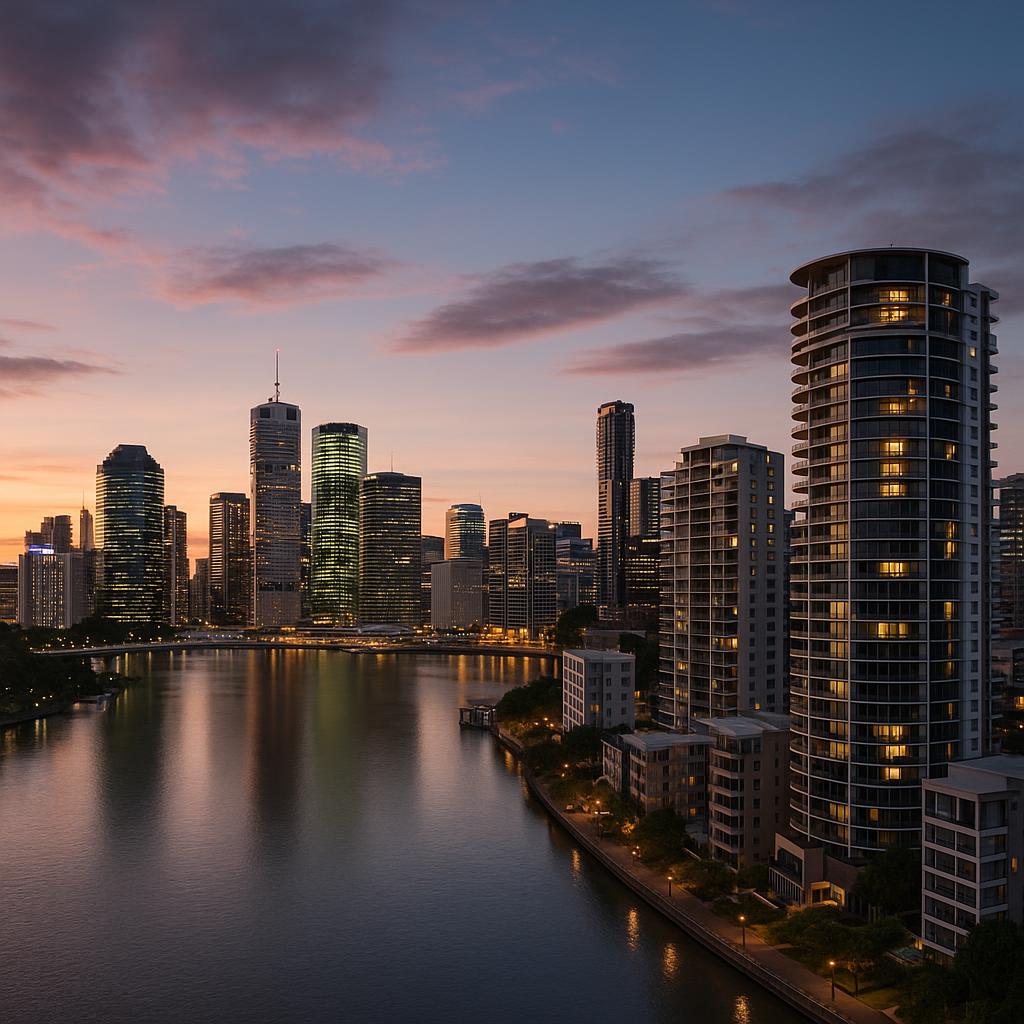
Brisbane City is a location-led market that suits buyers who value walkability, transport access, and low-maintenance living more than land size. For investors, the appeal is broad tenant demand from professionals, students, and downsizers, but building quality and body corporate settings matter just as much as the address. If you want convenience and long-term scarcity, this is a market worth serious consideration. If you want yard space or family-style separation, nearby inner-ring suburbs may be a better fit.
Key Takeaways
- Brisbane City suits buyers who prioritise access to the CBD, transport, dining, and urban convenience over detached housing features.
- The market is heavily apartment-focused, so building reputation, floorplan efficiency, and strata costs can shape outcomes.
- Tenant demand is usually supported by workers, students, and downsizers who want a central, low-maintenance base.
- Resale value often depends on liveability details such as natural light, parking, storage, and noise exposure.
- Buyers should compare nearby inner-city alternatives to decide whether pure centrality or a more residential feel matters most.
Pros & Cons
Pros
- Central position with fast access to jobs, services, and entertainment.
- Broad appeal to tenants who want convenience and low-maintenance living.
- Compact ownership can suit busy professionals and downsizers.
Cons
- Apartment ownership can bring strata costs, rules, and ongoing building obligations.
- Noise, traffic, and construction exposure can affect liveability and rental appeal.
- Not suitable for buyers who need large land, privacy, or a family-style backyard.
Market Overview
Brisbane City sits at the centre of the inner-city apartment market, where convenience, amenity, and scarcity drive much of the decision-making. It is not a typical suburban housing market; the real comparison is usually with surrounding inner-ring precincts, riverfront pockets, and city-fringe apartment stock.
Because supply is concentrated in buildings rather than standalone houses, the market can be highly property-specific. Two apartments in the same tower can perform very differently depending on aspect, layout, parking, presentation, and body corporate health. That makes due diligence more important here than in many outer suburbs.
For buyers, the suburb works best when the goal is access: to work, transport, dining, events, and a low-friction daily routine. For investors, the central question is whether the building and floorplan match the tenant pool you want to attract.
Buyer Demand
Demand in Brisbane City is typically driven by professionals, investors, downsizers, and some first-home buyers trying to enter an inner-city market. The common thread is convenience: shorter commutes, less maintenance, and proximity to lifestyle amenity.
Buyers tend to compare natural light, practical layout, parking, storage, and building reputation before they compare cosmetic upgrades. A well-kept older apartment with a functional design can be more desirable than a newer property with awkward space or higher ongoing costs.
Rental Market
Rental demand is usually broad because the suburb suits people who want easy access to work, study, and city amenity. That diversity can help reduce reliance on one tenant type, which is useful in shifting market conditions.
Investors should focus on tenancy fit rather than headline rent alone. A smaller apartment with strong light, security, and a sensible floorplan can rent more smoothly than a larger but less liveable property. Check current listings and comparable buildings before buying.
Lifestyle, Transport & Schools
Brisbane City offers a highly urban lifestyle: dining, culture, events, river access, and walkable convenience are major drawcards. It suits buyers who are comfortable with density and who want daily errands and social activities within easy reach.
Transport access is a core advantage. Trains, buses, ferries, and strong road links support commuters, students, and city workers. That connectivity also widens the tenant pool because many renters value simple movement across the inner-city network.
School considerations need separate verification, especially for families who may be weighing nearby catchments or education access in the broader inner-city area. The practical point is that school access can matter, but Brisbane City is usually chosen first for location and lifestyle rather than family schooling alone.
Brisbane City Suburb Profile
Official 2021 Census snapshot for the ABS Suburbs and Localities geography.
Age profile
Housing tenure
Occupied private dwellings by tenure type.
Salary & income profile
Median total income reported in the Census.
*Annual figures are weekly median × 52 estimates, not separate ABS annual medians.
Education & qualifications
Highest educational attainment, people aged 15+.
Employment status
People aged 15+ who reported being in the labour force.
Industry of employment
Top responses among employed people aged 15 years and over.
Occupation profile
Broad occupation groups among employed residents, including managers.
Property Type Guide
- Older apartments and units: Often appeal for simpler layouts and less flashy amenities; inspect maintenance history and strata records closely.
- Newer apartments: May offer modern finishes and better common facilities; check fees, layout efficiency, and any oversupply risk in the building segment.
- Premium towers: Can suit executive tenants and owner-occupiers; allow for higher expectations around presentation, facilities, and ongoing costs.
- Compact entry-level stock: Can work for first buyers or investors, but only if the floorplan, storage, and resale appeal are sensible.
Risks & Watch-Outs
- Body corporate fees and special levies can materially change affordability and net return, so read the strata records carefully.
- Noise from traffic, nightlife, or nearby construction can affect both owner-occupier satisfaction and tenant retention.
- Some apartment buildings have weaker layouts or low natural light, which can limit resale demand even in a strong location.
- High-rise supply can vary by segment, so buyers should check whether a specific building faces competition from nearby similar stock.
- Do not judge by finishes alone; building management, maintenance, and long-term functionality often matter more than styling.
Nearby Suburbs to Compare
- Highgate Hill
- Norman Park
- Salisbury
- Yeronga
- Spring Hill
- South Brisbane
FAQ
Is Brisbane City better for investors or owner-occupiers?
It can suit both, but for different reasons. Investors often like the broad tenant pool and central convenience, while owner-occupiers value low-maintenance living and walkability. The better choice depends on whether you want rental resilience or daily lifestyle ease.
What should I check before buying an apartment here?
Focus on strata levies, building condition, floorplan usability, noise exposure, parking, storage, and resale demand for that specific building. In Brisbane City, the apartment matters more than the suburb name alone, so building-level due diligence is essential.
Are newer towers always the safest purchase?
No. Newer does not automatically mean better. Some older apartments have stronger layouts, lower complexity, or more stable running costs. Compare the whole package: fees, maintenance, tenant appeal, and long-term liveability, not just the age of the building.
How important is parking in Brisbane City?
Parking can be very important, especially for owner-occupiers and tenants who still rely on a car occasionally. Even where public transport is strong, secure parking and storage can lift liveability and broaden resale appeal.
How do I compare Brisbane City with nearby suburbs?
Compare the lifestyle you actually want. Brisbane City is the most central option, but nearby suburbs may offer a more residential feel, less noise, or different building stock. Check commute, amenity, building type, and daily routine fit before deciding.
Conclusion
Brisbane City is a true location-first market. It rewards buyers who value access, convenience, and low-maintenance living, but it demands careful selection at the building level. If you understand the trade-offs and verify the details properly, it can be a strong inner-city choice for both owners and investors.
Sources & how to verify
- Check current listings and recent comparable results on Domain to confirm how different building types are being priced and leased now.
- Review live market and rental activity on realestate.com.au so you can compare active competition before making an offer.
- Use the Brisbane City Council site to check local planning, amenity, and any nearby works that may affect noise or access.
- Verify school catchments and nearby education options through the official Queensland school finder rather than relying on marketing material.
- Cross-check property and zoning-related details with Queensland Government housing information to understand ownership and disclosure basics.
- Inspect body corporate records, levies, and maintenance history before buying, because building costs can materially change the true holding expense.
- Visit the building at different times of day to test noise, traffic, parking access, and the real level of foot traffic around the property.
- Speak with local agents and strata managers about vacancy patterns, tenant demand, and any building-specific reputation issues that do not appear in listing copy.