Quick Answer
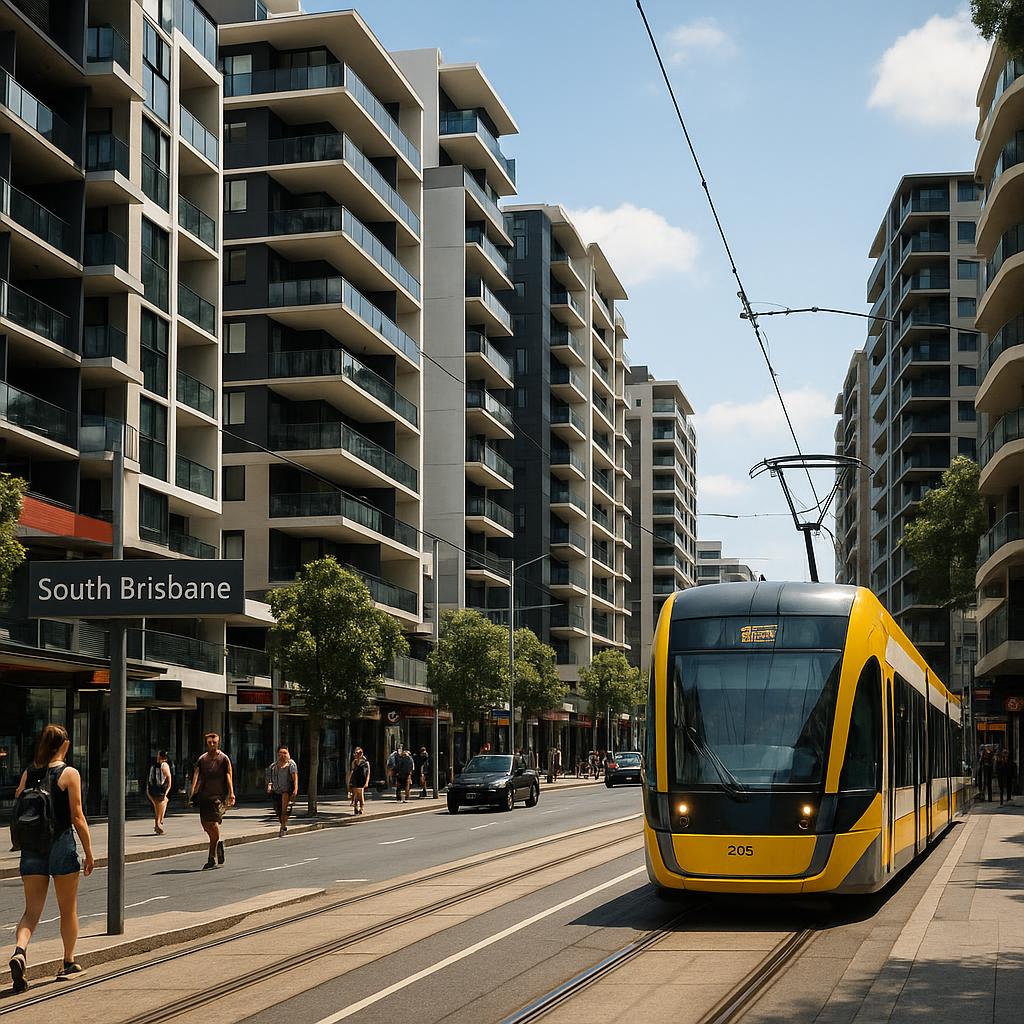
South Brisbane is one of Brisbane’s most established inner-city apartment markets, with appeal driven by proximity to the CBD, major lifestyle precincts, and broad rental demand. It can suit investors and homeowners who value walkability, low-maintenance living, and access to employment and entertainment. The trade-off is that building quality, strata costs, noise, and micro-location matter more here than in many suburban markets. If you buy selectively, South Brisbane can be a durable long-term hold.
Key Takeaways
- South Brisbane is an inner-city, amenity-led market where location and building quality usually matter more than land size.
- The suburb suits buyers seeking convenience, secure living, and strong access to the Brisbane CBD and surrounding employment hubs.
- Apartment demand is a major feature, so strata health, building reputation, and layout quality deserve close scrutiny.
- Rental demand is typically broad, supported by professionals, students, and renters who prioritise walkability and transport access.
- Compare buildings and micro-locations carefully, because two similar properties can perform very differently here.
Pros & Cons
Pros
- Close to the CBD, South Bank, cultural venues, and high-frequency urban amenity.
- Broad buyer and tenant appeal for low-maintenance inner-city living.
- Good fit for people who value convenience over space and backyard size.
Cons
- Entry prices can be high relative to many Brisbane middle-ring alternatives.
- Apartment-heavy stock means strata, maintenance, and building quality are crucial.
- Traffic, event activity, and density can reduce comfort in some pockets.
Market Overview
South Brisbane is an inner-city suburb immediately south of the Brisbane River, and that geography shapes its market more than almost anything else. Buyers are generally paying for proximity, amenity, and time savings rather than large land holdings. That makes it a different proposition from detached-house suburbs: the quality of the building, the street, and the immediate surroundings can materially affect value and livability.
The housing mix is dominated by apartments, with a smaller number of townhouses and scarce detached homes. That tends to support a lifestyle-led market where owner-occupiers and tenants compete for the best-located stock. For investors, the key question is not simply whether South Brisbane is “good”, but whether the specific asset has the right combination of layout, aspect, building management, and ongoing costs.
Because the suburb sits in a high-amenity inner-ring corridor, demand is influenced by employment access, cultural infrastructure, education links, and the broader appeal of central Brisbane living. In practical terms, that often means the strongest properties are those that are easy to lease, easy to resell, and easy to live in day to day.
Buyer Demand
Buyer demand in South Brisbane is usually strongest from people who want a central, low-maintenance base. That includes professionals working in or near the CBD, downsizers looking to simplify, and owner-occupiers who value walkability more than yard space. The suburb also attracts investors because the tenant pool is relatively broad for an inner-city area.
What buyers usually want here is practical rather than flashy: a functional floor plan, good natural light, reasonable privacy, secure parking where relevant, and a building with a sensible fee structure. A well-located apartment with strong presentation can attract more interest than a larger property that feels dated, awkward, or noisy. As always, the building matters as much as the suburb name.
Rental Market
South Brisbane generally appeals to renters who want convenience and connectivity. Typical tenant profiles include professionals, city workers, students, and couples who value short commutes, nearby amenity, and lower-maintenance living. That diversity can be an advantage because it reduces reliance on a single tenant group.
For investors, rental success often comes down to the basics done well: clean presentation, functional layout, liveable acoustics, and a building with credible management. Some tenants will pay more for a good outlook or extra study space, while others care more about being able to walk to work or public transport. Check current listings and recent leases before relying on any broad rental estimate, because performance varies sharply by building and fit-out.
Lifestyle, Transport & Schools
South Brisbane offers a distinctly urban lifestyle. It is close to dining, cultural attractions, riverfront spaces, and the kind of everyday amenity that can shorten errands and improve day-to-day convenience. That makes it attractive to buyers who want “live close to everything” rather than a traditional suburban environment.
Transport access is a major reason the suburb performs well. The mix of walkability, rail, bus, and city-fringe connectivity broadens the buyer and renter pool. For hybrid workers, the ability to move efficiently between home, the CBD, and other inner-city nodes can be more valuable than extra internal space.
School planning still matters, especially for families considering an inner-city base, but buyers should verify current catchments and enrolment rules directly with official sources. In this market, school access is usually one factor among several, not the sole driver. Families should also consider apartment size, storage, and whether the lifestyle suits their longer-term needs.
South Brisbane Suburb Profile
Official 2021 Census snapshot for the ABS Suburbs and Localities geography.
Age profile
Housing tenure
Occupied private dwellings by tenure type.
Salary & income profile
Median total income reported in the Census.
*Annual figures are weekly median × 52 estimates, not separate ABS annual medians.
Education & qualifications
Highest educational attainment, people aged 15+.
Employment status
People aged 15+ who reported being in the labour force.
Industry of employment
Top responses among employed people aged 15 years and over.
Occupation profile
Broad occupation groups among employed residents, including managers.
Property Type Guide
- Apartments: The core housing type here. Best for investors and owner-occupiers who want low maintenance, strong location value, and broad resale appeal.
- Townhouses: Less common, but useful for buyers wanting a little more separation and privacy without leaving the inner-city core.
- Detached/character homes: Scarce and often tightly held. These can appeal to buyers seeking land value or renovation potential, but they require careful due diligence.
- What to inspect: Strata records, maintenance history, ventilation, noise transfer, car parking, lift access, and whether the layout suits the target buyer or tenant.
Risks & Watch-Outs
- Not every building in South Brisbane performs equally, so reputation, sinking fund strength, and maintenance history matter.
- Body corporate fees and special levies can materially affect net returns, especially in older or more complex buildings.
- Noise, traffic, event crowds, and density can affect comfort, even when the location is excellent on paper.
- Flood exposure and lower-level apartment risk should be checked carefully using current mapping and disclosure documents.
- Overpaying for postcode prestige is a common mistake; the asset still needs to stand up on layout, light, and ongoing costs.
Nearby Suburbs to Compare
- West End QLD Property Market Guide: Buyers & Investors
- Brisbane City QLD Property Market Guide: Buyers & Investors
- New Farm QLD Property Market Guide: Buyers & Investors
- Highgate Hill: Inner-Metro Community Feel Focus
- Norman Park: Commuter-Focused Green Spaces and Family Outdoors Pulse
FAQ
Is South Brisbane a good suburb for investors?
It can be, provided you focus on the right asset rather than the suburb name alone. South Brisbane has strong inner-city appeal and a broad renter base, but investor outcomes depend heavily on building quality, strata costs, and how well the property suits the local tenant pool.
Is South Brisbane good for owner-occupiers?
Yes, especially for buyers who value walkability, convenience, and a low-maintenance lifestyle. It is generally better suited to people who enjoy urban living than those who want a larger block, quieter streets, or a classic suburban feel.
What property type is usually best in South Brisbane?
For most buyers, a well-located apartment is the most practical option because that is where the bulk of the market sits. The best choice depends on your goals: investors should think rental depth and costs, while homeowners should prioritise liveability and resale appeal.
What should buyers watch out for most?
Building-specific issues are the biggest watch-out. Check body corporate records, maintenance plans, noise, parking, ventilation, and any flood or low-lying exposure. A strong suburb cannot fully compensate for a poorly managed or awkwardly designed building.
How does South Brisbane compare with nearby suburbs?
Compared with West End, South Brisbane is often more directly tied to the CBD and major precincts. Compared with Brisbane City, it can feel slightly more residential. Compared with New Farm, it usually offers a different mix of amenity, density, and property stock.
Conclusion
South Brisbane is a compelling inner-city suburb for buyers who want location, convenience, and strong day-to-day amenity. It is not a broad-acre family market, and it should not be treated like one. Success here comes from choosing the right building, the right floor plan, and the right micro-location for your strategy.
Sources & How to Verify
- Check current listing history and comparable sold results on Domain so you are judging today’s market rather than last year’s headlines.
- Review active listings and rental asking ranges on realestate.com.au to compare South Brisbane buildings and nearby suburbs side by side.
- Use the ABS Census to understand broad household and dwelling patterns, but avoid treating census data as current market pricing evidence.
- Confirm zoning, overlays, and development context through Brisbane City Council planning resources before assuming a site can be developed or altered.
- Check flood mapping and related property guidance via Brisbane City Council flooding information because low-lying inner-city pockets can behave differently block by block.
- Verify public transport routes and service changes using Translink so you understand actual commute convenience rather than relying on a map pin.
- Confirm school catchments directly through Queensland school catchment maps, since catchments can change and may not align with marketing claims.
- Ask for strata disclosure, body corporate minutes, and sinking fund details from the selling agent or body corporate manager, because building costs and disputes can outweigh any location advantage.
Internal link suggestions: West End QLD Property Market Guide: Buyers & Investors, Brisbane City QLD Property Market Guide: Buyers & Investors, New Farm QLD Property Market Guide: Buyers & Investors, Highgate Hill: Inner-Metro Community Feel Focus, Norman Park: Commuter-Focused Green Spaces and Family Outdoors Pulse