Quick Answer
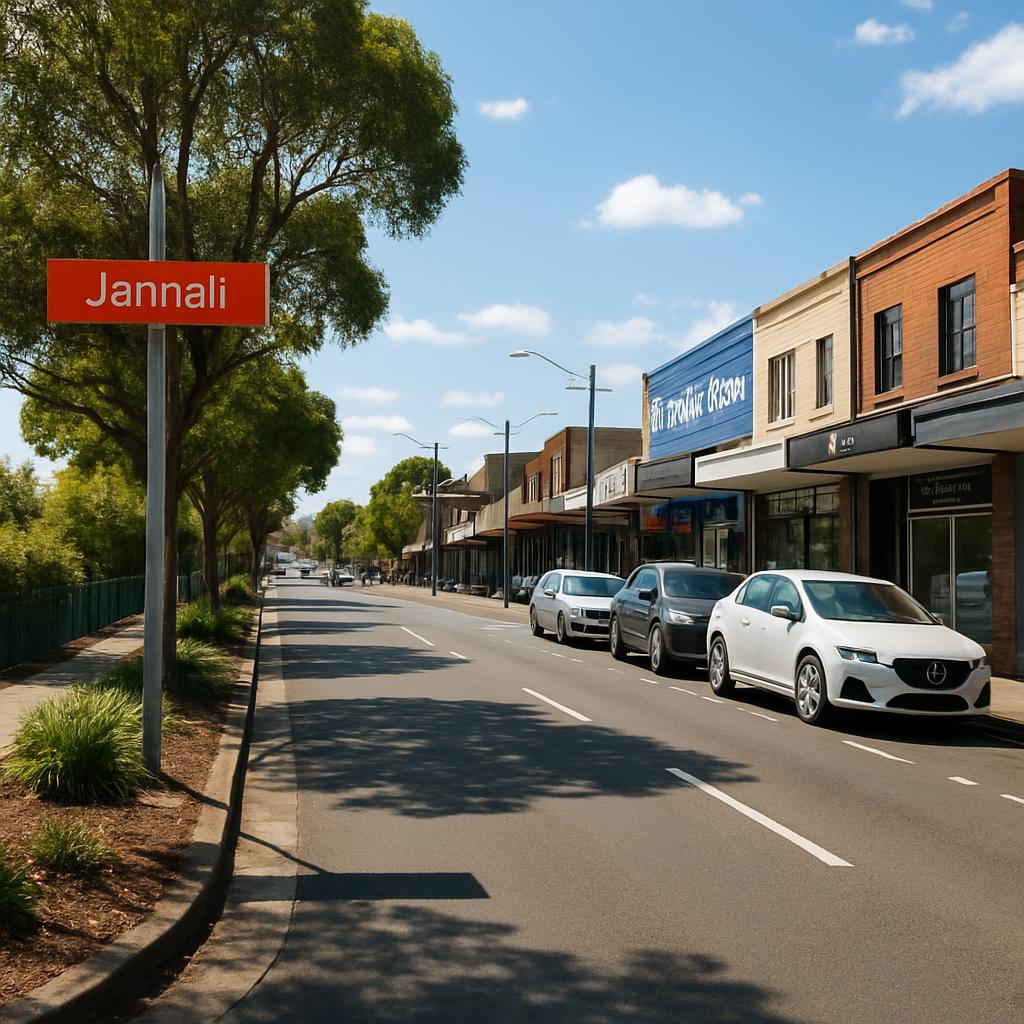
Jannali in southern Sydney is a compact, train-connected suburb that tends to appeal to buyers who want a village feel, family practicality, and a lower-key lifestyle than the Inner West or CBD fringe. For 2026, it is best understood as a suburb where property type, street quality, and walkability matter more than the postcode alone. Jannali is often a strong fit for first-home buyers, families, downsizers, and long-term investors who value steadier demand over speculative upside. The main watch-outs are limited stock, property-by-property variation, and careful checks around flood, bushfire, and strata or building condition.
- Best for: first-home buyers, families, downsizers, and long-term investors looking for durable rental demand.
- Main appeal: train access, local convenience, quiet residential streets, and a grounded suburban lifestyle.
- Main caution: assess each street, block, and building on its own merits, especially where older stock or environmental overlays are involved.
- 2026 lens: value usually comes from the right property type, renovation potential, and proximity to amenities rather than the suburb name alone.
Key takeaway: Jannali rewards patient, due-diligent buyers who prioritise liveability, holding power, and practical convenience.
Key Takeaways
- Jannali suits buyers who want a balance of commuter access, community atmosphere, and relatively low-density living.
- Investors should focus on tenant appeal, scarcity of quality stock, property type selection, and holding costs.
- Homeowners should focus on walkability to the station and shops, block orientation, renovation potential, and day-to-day practicality.
- Suburbs like Jannali often perform through consistency and scarcity, not dramatic bursts of momentum.
- The suburb is best approached as a practical lifestyle choice for people trading some excitement for convenience and stability.
A useful way to think about Jannali is as a suburb where the right home can quietly outperform the wrong one. A tidy, well-located property with strong fundamentals can be easier to live in, easier to rent, and easier to resell than a larger but compromised listing on a noisier street or in a poorly maintained complex.
Pros & Cons
Pros
- Convenient train access for commuting and school runs.
- Village-style feel with local amenities and a calmer pace.
- Appeal to a broad tenant pool including couples, young families, and professionals.
- Potential for value uplift through renovation, layout improvements, or smart land use.
- Sutherland Shire lifestyle benefits without the density of inner-city suburbs.
Cons
- Not a low-entry suburb; affordability can still stretch buyers.
- Quality stock can be limited, so competition may be strong for well-located homes.
- Street-by-street differences matter a lot.
- Older homes may need meaningful updates and ongoing maintenance.
- Buyers need to verify environmental and planning risks carefully.
The main value of the pros is longevity: people tend to stay where their daily routine is easy. The main risk in the cons is holding cost; a property that looks “cheaper” on paper can become expensive if it needs major work, has awkward access, or carries higher strata or maintenance obligations.
Suburb snapshot
- Context: Jannali sits in the southern Sydney/Sutherland Shire market and functions as a train-oriented residential suburb.
- Housing mix: Expect a mix of freestanding homes, apartments, and semi-attached or duplex-style options depending on pocket and street.
- Buyer appeal: The suburb attracts a wide spread of buyers across life stages, especially those who want convenience without a high-energy urban feel.
- Daily feel: Think commuter movement in the morning, local coffee and errands during the day, and a quieter evening rhythm than many inner-ring suburbs.
Jannali can feel different depending on where you stand. Close to the station and shops, it is about ease and movement. On quieter residential streets, it becomes more about privacy, family routines, and a suburban pace that suits people who want less friction in everyday life.
In practical terms: the suburb experience is shaped as much by the exact property as by the suburb label. A neat townhouse within a short walk of amenities can feel very different from an older detached home on a deeper block, even if both share the same postcode.
Investor view
Core investor thesis: Jannali may suit investors seeking durable occupancy and measured capital growth rather than high-yield, high-volatility returns.
That matters because the best investment strategy depends on the suburb. In Jannali, a strong result often comes from choosing a property that is easy to lease, easy to maintain, and attractive to a broad tenant pool over time.
- Assess rental demand: focus on commuters, small households, local workers, and families who want convenient access to transport and amenities.
- Check vacancy resilience: properties with practical layouts and good presentation are more likely to hold up in softer rental periods.
- Watch maintenance burden: older homes can offer upside, but only if repairs and compliance are realistically budgeted.
- Review strata carefully: for units and apartments, look at levies, sinking fund health, and evidence of proactive maintenance.
- Value renovation potential: a tired kitchen, dated bathroom, or awkward layout may be improved, but only if the end result matches local buyer and tenant expectations.
Case A: An investor chooses a low-maintenance unit near transport to reduce upkeep and keep leasing simple. That may suit a “set and forget” approach.
Case B: Another investor buys a tired house on a better block and renovates the kitchen and bathroom over time. This can work well if the holding costs are manageable and the upgrades genuinely improve liveability.
Investor view summary: the suburb tends to reward steady, conservative execution more than aggressive assumptions. If you need broader Sutherland Shire context, compare Jannali with nearby suburbs before assuming it is the best value option.
Homeowner view
Core homeowner thesis: Jannali can be appealing for buyers who prioritise lifestyle stability, school access, commute practicality, and a community-oriented feel.
Owner-occupiers usually buy for fit. In Jannali, that often means choosing a home that simplifies weekday life: an easier commute, manageable maintenance, and good access to local services. The upside is less time spent “working around” your suburb and more time enjoying it.
- Location matters: confirm distance to the station, shops, parks, and schools in real walking time, not just map distance.
- Layout matters: look for a floor plan that suits your routine, whether that means work-from-home space, family zoning, or easy indoor-outdoor flow.
- Comfort matters: inspect for noise, sunlight, privacy, parking, and the practicalities of daily entry and exit.
- Future-proofing matters: think ahead to children, remote work, aging parents, or eventual downsizing.
Scenario: A couple chooses a smaller but well-located home to reduce commute stress and reclaim weekend time. Another family accepts a longer walk to amenities in exchange for a yard and better space for children.
For homeowners, the right purchase is often the one that makes the rest of life simpler. If you are considering a Sydney comparison, it can help to read a nearby lifestyle market like Islington to see how different suburb characters influence buyer choice.
Cost of Living Breakdown
Jannali’s cost of living is not just about the purchase price or rent. It is the sum of housing, transport, upkeep, and everyday convenience.
- Housing payments or rent: your largest fixed cost will depend on property type, condition, and proximity to transport or amenity.
- Strata/body corporate: relevant for units, townhouses, and some duplex-style properties; always review the records rather than assuming levies are low.
- Council and utilities: these costs vary by dwelling size, efficiency, and family usage.
- Transport and commuting: train access can reduce car dependence for some households, but parking, fuel, and tolls may still matter.
- Maintenance and gardening: older houses and larger blocks generally require more time and money.
- Child-related spend: families may budget for school, childcare, sport, and activities that often influence the suburb choice as much as the home itself.
Practical guidance: a commuter suburb can save time, but that time benefit still needs a disciplined monthly budget. A property with lower purchase cost but higher repairs can be more expensive overall than a slightly pricier, better-kept home. Units often reduce maintenance, but strata exposure can offset part of that advantage.
Common mistake: focusing on mortgage affordability alone and forgetting insurance, repairs, strata, parking, and transport drag.
Tools/templates/resources: Build a simple monthly housing-cost worksheet that includes loan or rent, council rates, strata, utilities, insurance, repairs, transport, and a contingency buffer so you compare properties on true holding cost, not just asking price.
Lifestyle & Daily Life
Jannali’s lifestyle appeal sits in its balance: local convenience without constant urban intensity. Residents typically want a suburb that makes ordinary life easy.
- Local essentials: daily shopping, takeaway, medical services, and rail access are central to the suburb’s usefulness.
- Parks and recreation: nearby green space and broader Sutherland Shire lifestyle options help support family routines and weekend downtime.
- Community feel: the suburb tends to suit people who like familiar streets, routine, and a quieter pace.
- Weekend rhythm: expect errands, sport, coffee catch-ups, and home time rather than a constant high-density buzz.
A week in Jannali: morning commute by train, quick school or childcare drop-off, local grocery run, after-work sport or dinner at home, then a slower weekend that may include parks, family visits, and practical chores rather than long cross-city trips.
Visit at different times of day. Morning traffic, school pickup pressure, parking availability, and evening noise can all change how a street feels. For a lifestyle comparison with a different Sydney pocket, see Mayfield to compare a more urban, mixed-use feel with Jannali’s suburban rhythm.
Schools & Education
Education access is a major demand driver in family-friendly suburbs, but catchments and enrolment arrangements can change. Buyers should verify current details directly before making assumptions.
- School proximity: a short, safe and predictable morning routine can be worth more than a slightly larger home farther away.
- Childcare access: early years care often influences suburb choice because it affects commuting, drop-off timing, and work flexibility.
- Family demand: stable school access can support long-term occupancy and a broader buyer pool.
Important note: do not rely on hearsay about zones or rankings. Check current catchments and enrolment rules on official sources, and confirm whether the property sits inside the relevant boundaries.
Buyer scenario: Parents may choose a home that shortens the school-run loop even if it means compromising on internal space. In family markets, routine efficiency can be a stronger motivator than cosmetic perfection.
Transport & Commute Details
Transport is one of Jannali’s defining strengths. Train access shapes both daily living and market demand because it directly affects commute friction.
- Rail convenience: station proximity can materially improve the suburb’s appeal for both renters and owner-occupiers.
- Employment access: predictable public transport is valuable for people commuting to Sydney employment hubs.
- Walkability premium: a shorter walk to transport and shops can make a property feel more usable every single day.
Trade-off: the best commuter convenience can come with parking pressure or a little more noise in the most accessible pockets. Some buyers will accept that in exchange for easier everyday movement; others will choose a quieter street even if it adds a few minutes to the commute.
Scenario: A professional chooses Jannali because the train saves time and mental load during the week. A family chooses a slightly less central street because it feels calmer, safer, and easier to manage with children.
For transport verification, check current service information on Transport for NSW and test the commute yourself at the actual time you would travel.
Property type guide
Freestanding houses
Houses usually offer the strongest land component, the most renovation flexibility, and the widest scope for long-term value creation. They can also carry the greatest maintenance burden, especially if the dwelling is older or the block is larger than average.
Units / apartments
Units can be a practical entry point for buyers seeking lower maintenance and better affordability relative to houses. The key checks are layout, natural light, parking, storage, strata quality, and whether the building has been well maintained.
Duplexes and semi-attached homes
These can provide a useful middle ground: more house-like livability than many apartments, with less maintenance than a full freestanding dwelling. They are often attractive to buyers who want a manageable home without giving up all sense of space.
Renovation candidates vs turnkey homes
A renovation candidate can create upside if the structure, location, and layout are sound. A turnkey home can reduce stress and unforeseen costs, which may be worth paying for if you need certainty and immediate livability.
First-home buyer example: a well-located unit may be the best way to enter the suburb while keeping ownership costs manageable.
Investor example: a low-maintenance dwelling with broad tenant appeal may outperform a larger but more complex property if it leases quickly and requires less ongoing spend.
Do not pay house-like prices for a compromised building just because it has a desirable address. Functionality, strata, parking, and outdoor usability matter just as much as land size in practice.
For a nearby suburban comparison focused on different value trade-offs, review Sutherland Shire suburb profiles and compare the property mix carefully.
Comparison with Other Areas
Jannali is best compared on feel and function, not just price. Relative to more prestige-oriented or busier neighbouring pockets, it often offers a more grounded, practical suburban experience.
- Versus busier nearby centres: Jannali is generally calmer and more residential, which appeals to buyers who dislike constant movement.
- Versus larger-lot suburbs: some neighbouring areas may offer more space, but usually with different trade-offs in convenience and daily access.
- Versus tighter apartment-heavy markets: Jannali can offer more breathing room and stronger family functionality depending on the property type chosen.
Buyer choice example: one buyer may accept a smaller home in Jannali to secure convenience and lifestyle simplicity. Another may stretch to a different suburb for larger blocks or a different character altogether.
Suburb comparison is most useful when you match like with like. If you want a broader lifestyle comparison, check Cooks Hill to see how a different suburb profile can shift buyer priorities.
Rental Market Insights
Jannali’s rental appeal comes from practicality. The tenant pool is likely to include commuters, couples, small households, and local workers who value ease over flashiness.
- Broad tenant appeal: train access and local amenity help attract a wide range of renters.
- Low-maintenance preference: quality presentation and practical layouts often lease more smoothly than oversized or awkward homes.
- Parking matters: renters are often sensitive to convenience, especially where public transport and car use overlap.
Scenario: a well-presented two-bedroom unit near transport may appeal to a professional couple, while a renovated house with a usable yard may suit a family seeking stability.
Investor watch-out: do not overcapitalise beyond what the local rental market is likely to support. The most expensive kitchen in the street does not always produce the highest rent. Presentation should be aligned with tenant expectations and maintenance realities.
To verify current listings and market tone, compare live rental and sold evidence on Domain and similar portals before relying on estimates.
Future Growth & Development
In established suburbs like Jannali, future growth is often driven by small, cumulative improvements rather than one giant project. That can include amenity upgrades, gradual housing renewal, improved streetscapes, and broader Sydney demand.
- Infrastructure sensitivity: transport and amenity improvements can support long-term desirability if they improve convenience without undermining liveability.
- Housing renewal: older homes may be updated over time, lifting the overall presentation of a street or pocket.
- Broader demand pressure: Sydney buyers who want a practical suburban lifestyle may continue to look south and west for relative value.
Growth logic: in a suburb like Jannali, consistency matters more than hype. Small improvements in access, streetscape quality, and housing stock can compound over time.
Watch-out: development promises are not guarantees. Always confirm planning status and likely timing through the NSW Planning Portal rather than relying on marketing language.
Safety & Crime
Safety should be assessed carefully and locally. Avoid relying on anecdotes or broad suburb stereotypes, because safety perception can vary from one street to another and from day to night.
- Street feel: inspect lighting, passive surveillance, and evening foot traffic.
- Timing matters: visit after dark and on weekends to understand how the area actually feels.
- Official verification: check current information through NSW Police, local council resources, and other official sources.
Buyer tip: two similarly priced homes can feel very different after a night inspection. The best decision is based on direct observation, not online commentary.
For broader local context and amenities, you may also want to review the Sutherland Shire Council website and consider the practical impact of lighting, access, and nearby activity on your specific street.
Who This Area Is Best For
- First-home buyers: those seeking a practical entry point with transport access and livability.
- Families: buyers wanting station convenience, suburban stability, and day-to-day routine efficiency.
- Downsizers: people who value convenience, lower-stress living, and manageable upkeep.
- Investors: those prioritising steady rental demand and manageable holding costs.
Not ideal for: buyers chasing ultra-low prices, a prestige-luxury feel, or a large-lot semi-rural lifestyle. Jannali is strongest when assessed as a practical, well-connected suburb rather than a status play.
Due diligence checklist
- Inspect the exact street at multiple times of day and on at least one weekend.
- Check flood, bushfire, and other environmental overlays where relevant.
- Review zoning, easements, heritage constraints, and development potential before assuming future flexibility.
- Compare recent sales by property type, land size, condition, and parking, not just by suburb.
- Test the walk to the station, shops, parks, and schools in real time.
- Review strata records if the property is in a complex, including levies, capital works planning, and meeting minutes.
- Budget for repairs, compliance, insurance, and ongoing maintenance rather than relying on the listing presentation.
Why this matters: in established suburbs, small differences create big outcomes. A buyer who checks overlays, building condition, and access properly is far less likely to face an unpleasant surprise after settlement.
Useful verification tools include ABS for demographic context and NSW School Finder for current school information.
Red flags / watch-outs
- Overpriced renovations that do not match local buyer expectations.
- Poorly maintained older dwellings with hidden repair costs.
- Noise, access, or parking compromises that reduce day-to-day comfort.
- Strata issues or unclear building maintenance history.
- Environmental or planning constraints that were not disclosed early.
A property can look attractive in photos and still be a poor long-term buy if the layout is awkward, the maintenance history is weak, or the resale appeal is narrow. The most common mistake is buying the presentation and forgetting the holding cost.
Common mistakes
- Assuming every pocket of Jannali performs the same way.
- Overpaying because the suburb feels comfortable on a first inspection.
- Ignoring strata quality for apartment-style stock.
- Failing to verify school zones, zoning, and environmental overlays.
- Underestimating repairs, parking constraints, or commute friction.
Sources & how to verify
- Check current train routes, service changes, and station access on Transport for NSW so you verify the actual commute rather than relying on generic travel-time claims.
- Review zoning, development controls, and planning approvals on NSW Planning Portal to confirm what can realistically be built or changed on a property.
- Use Sutherland Shire Council to confirm local services, local policies, and area-specific council matters that may affect the property.
- Search current school details and boundaries on NSW School Finder so you do not assume catchments or enrolment arrangements.
- Use ABS to understand household composition, tenure, and demographic context without relying on anecdotal impressions.
- Review live sold results and asking prices on realestate.com.au to compare similar properties by condition, layout, and location.
- Check live rentals and listing quality on Domain so your rent or yield expectations are based on current market evidence.
- Use a property data or title search provider such as official land/title resources only where relevant to verify title, easements, and ownership details before committing to a purchase.
Note: where a local or state source changes structure or link paths, search the official agency site directly rather than relying on cached pages or third-party summaries.
FAQ (6–8 questions)
Is Jannali a good suburb for investors in 2026?
Jannali can be a good fit for long-term investors who want stable tenant demand, practical transport access, and manageable risk. It is usually better suited to investors seeking steady occupancy than to those chasing speculative growth.
Is Jannali better for homeowners or tenants?
It works well for both. Homeowners often value the lifestyle and convenience, while tenants are drawn to the transport access and practical suburban setting.
What property type is best in Jannali?
The best type depends on your goal. Houses can offer more upside and land value, units can suit lower-maintenance strategies, and duplexes or semis can sit in the middle.
Is Jannali good for families?
Yes, especially for families who want routine-friendly access to transport, schools, parks, and everyday services. Always verify school zones and walking routes before buying.
What should buyers check before making an offer?
Check the street at different times, the property’s condition, zoning, overlays, transport convenience, parking, and if relevant, strata records and maintenance history.
Is Jannali likely to stay in demand?
It is likely to remain relevant because practical, train-connected suburbs tend to attract both buyers and tenants over time. Demand still depends on property quality, pricing, and broader market conditions.
What are the biggest risks when buying here?
The main risks are overpaying for the wrong property type, underestimating maintenance, ignoring strata or planning issues, and assuming all streets and pockets are equally desirable.
How should I verify safety and suitability?
Inspect the street yourself, check official sources, and look at the area both daytime and after dark. Suitability is usually revealed by the details of the exact location rather than the suburb name alone.
Conclusion
Jannali is a practical, commuter-friendly, family-capable suburb with measured appeal. It is best suited to buyers who value stability, usability, and careful property selection.
Investor takeaway: focus on durable demand, low friction, and holding costs you can live with.
Homeowner takeaway: Jannali is compelling if you want everyday convenience, a calmer suburban rhythm, and a home that supports real life rather than complicating it.
In Jannali, the winning strategy is less about chasing a headline and more about choosing the right street, the right property type, and the right long-term plan.