
Quick Answer
Shellharbour is a lifestyle-led coastal market that suits buyers who want everyday convenience, beach access, and a practical family base rather than a speculative flip. In 2026, it is best viewed as a suburb where location quality, property condition, and walkability to amenities matter more than broad “Shellharbour” branding. For investors, the strongest cases are usually well-located homes and low-maintenance dwellings that appeal to stable tenants. For homeowners, the draw is the mix of coast, services, and long-term liveability.
Key Takeaways
- Shellharbour is driven by lifestyle demand, coastal amenity, and family-friendly convenience.
- The suburb tends to appeal to owner-occupiers, downsizers, and investors who value durable demand over fast speculation.
- Micro-location matters: beach proximity, access to shops, transport, and property condition can materially change buyer interest.
- Low-maintenance homes and practical layouts are often easier to rent and resell than dated stock with awkward floor plans.
- Coastal exposure can lift maintenance costs, so buyers should inspect thoroughly and check relevant planning and hazard overlays.
- The best strategy is usually to buy the best-quality property you can afford in the most convenient pocket.
Pros & Cons
Pros
- Strong lifestyle appeal with beaches, outdoor recreation, and family-oriented amenity.
- Broad demand base from locals, movers within the Illawarra, and buyers seeking a coastal alternative to tighter metro markets.
- Practical access to retail, health, education, and transport options supports liveability.
- Quality stock in good locations can hold appeal across multiple buyer groups.
Cons
- Coastal markets can be sensitive to interest rates, sentiment, and stock quality.
- Maintenance, corrosion, and weather exposure can be more relevant than in inland suburbs.
- Not every pocket performs the same, so poor micro-location can dilute resale depth.
- Emotion-led purchasing can lead buyers to overpay for view, branding, or proximity without checking fundamentals.
Market overview
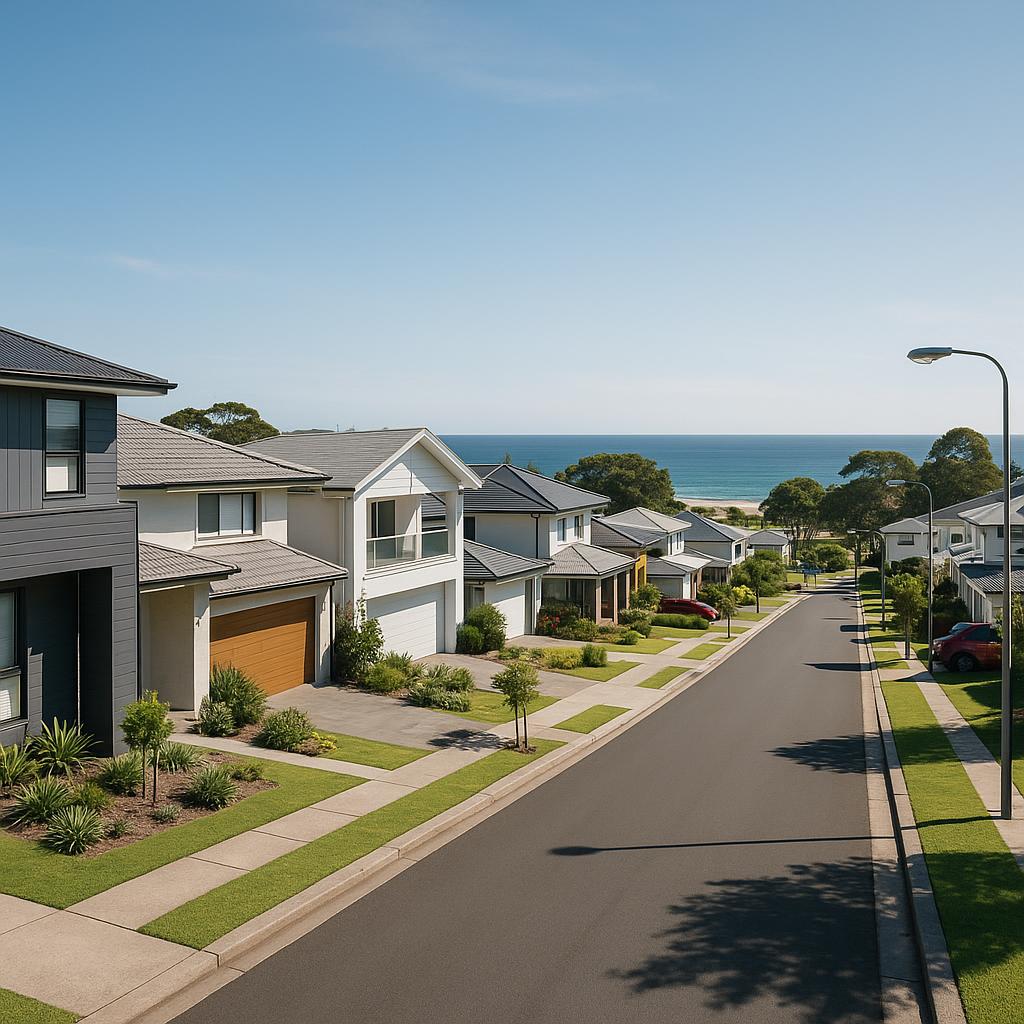
Shellharbour is best understood as a coastal, amenity-rich market where daily convenience and lifestyle are central to buyer decision-making. It is not a one-size-fits-all suburb; the local market is shaped by how close a property is to beaches, retail, services, schools, transport, and employment connections across the Illawarra. That means a well-kept home in a convenient pocket can attract broader competition than a similar property in a less accessible or more exposed street. For buyers, that distinction matters more than the suburb headline.
The typical property mix gives options for different strategies. Houses usually attract families, upsizers, and owner-occupiers wanting space and longer-term stability. Townhouses and units can suit first-home buyers, downsizers, and investors who prefer lower maintenance and easier tenancy management. In a suburb like Shellharbour, layout quality often matters as much as land size. A functional floor plan, good natural light, parking, and usable outdoor space can outweigh cosmetic features that look impressive online but do not improve day-to-day living.
For 2026 decision-making, the key is to treat Shellharbour as a market where quality compounds. Homes that make life easier tend to have wider buyer appeal, while awkward, dated, or poorly located stock may require a discount to move. If you are assessing the area as an investor, focus on tenant-fit, maintenance risk, and exit depth. If you are buying to live in, focus on future usability, not just the current emotional pull of the coast. This is the kind of market where patience and disciplined comparison usually beat chasing the first property that looks appealing.
Buyer demand
Buyer demand in Shellharbour is typically broad, but not uniform. First-home buyers are often drawn to lower-maintenance dwellings and practical access to services, while families focus on bedrooms, yards, parking, and a safe-feeling environment for everyday routines. Downsizers generally want single-level or low-upkeep homes close to shops, health services, and social infrastructure. Investors are usually looking for stable tenant demand, easy upkeep, and a property type that can be re-let without heavy repositioning.
The most important demand feature is breadth. Properties that appeal to more than one buyer group tend to have stronger resale depth. For example, a renovated home with sensible zoning, good parking, and a usable backyard may attract both a family buyer and an investor who can see the rental potential. By contrast, a property that relies on a single “wow factor” — such as a view, a novelty layout, or a cosmetic renovation — may be more vulnerable if buyer sentiment shifts.
Shellharbour also benefits from a buyer psychology common to coastal lifestyle markets: people are willing to pay for convenience that reduces friction in daily life. That means short travel times to shopping, beaches, services, and transport can matter just as much as the block itself. The strongest demand is usually for homes that feel easy to live in from day one.
Rental market
Shellharbour can work well for investors where the property suits practical tenant needs rather than trying to compete on prestige alone. Tenants in lifestyle-oriented coastal suburbs still care about the basics first: condition, layout, parking, storage, heating and cooling, and proximity to everyday amenity. A clean, well-presented home with low-maintenance finishes often performs better than a larger but less functional property that is expensive to maintain.
Rental demand is usually strongest for homes and townhouses that reduce friction for working households, couples, and families. A property near shops, transport, and community facilities can be more attractive than a similar home in a more isolated pocket, even if the latter has better finishes. That is because tenants are often balancing commuting, school runs, and weekend convenience. In other words, location and practicality can beat decorative upgrades.
For investors, the key question is not simply whether Shellharbour is “rental friendly,” but which part of Shellharbour and which dwelling type best matches tenant demand. Low-maintenance, well-located assets generally make leasing easier and reduce turnover headaches. Before buying, check current listings, compare equivalent properties, and assess whether your target tenant would choose your property over competing stock.
Lifestyle & amenities
Shellharbour’s lifestyle appeal is a major part of its market value. Buyers are not only purchasing a dwelling; they are buying access to beaches, coastal recreation, parks, and a daily routine that feels more relaxed than many urban alternatives. That matters because lifestyle amenity can translate into longer hold periods, stronger owner-occupier interest, and fewer forced sales. People often stay where life is easy.
The suburb’s practical appeal also comes from the mix of retail, services, and community infrastructure. That combination is especially important for families and downsizers who want fewer car trips and less complexity in daily life. A buyer who can manage school drop-offs, shopping, medical appointments, and weekend recreation without long commutes is effectively buying back time. In property terms, that convenience can support demand even when broader market conditions soften.
From an investment perspective, amenity is not just a nice extra; it is a demand driver. Properties that are easy to live in, easy to access, and easy to maintain tend to hold a wider market on resale. Shellharbour’s appeal sits at the intersection of coast, convenience, and community, which is why the most successful purchases are usually those that align lifestyle value with practical usability.
Risks & watch-outs
The biggest risk in Shellharbour is overgeneralising the suburb. Coastal branding can make buyers assume any property will perform well, but outcomes still depend on the exact street, dwelling type, condition, and exposure to environmental factors. A home that looks appealing online may have practical issues on inspection, such as poor layout, limited storage, awkward access, or maintenance concerns associated with coastal weather.
Buyers should also check for flood, drainage, bushfire, erosion, and planning constraints where relevant. These risks are not reasons to avoid the suburb outright, but they are reasons to inspect with care. A property that appears “close to everything” may still suffer from noise, traffic, or access disadvantages that reduce everyday enjoyment and resale appeal. For investors, those same issues can affect tenant retention and re-leasing speed.
The key watch-out is emotional buying. In lifestyle markets, it is easy to focus on the feeling of living near the coast and miss the practical costs of ownership. Ask whether the property will still work for you in five years, not just on day one. If you are unsure, compare it against better-located, lower-maintenance alternatives nearby before committing.
Nearby suburbs
Nearby areas can help you calibrate value and fit. Shell Cove is a natural comparison if you want a more polished coastal setting and are weighing lifestyle appeal against budget. Albion Park is useful if your priority is relative accessibility and a more inland residential profile. Barrack Heights and Flinders are worth comparing for local convenience, housing stock mix, and proximity trade-offs. Blackbutt can help buyers assess whether a quieter pocket suits their needs better than a more active coastal setting.
When comparing these suburbs, focus on what matters to you: commute, daily errands, beach access, block size, property age, and future maintenance. The “best” suburb is usually the one that best matches your budget and long-term use case, not the one with the strongest marketing narrative.
FAQ
Is Shellharbour a good suburb to invest in?
It can be, if you buy the right property in the right pocket. Shellharbour suits investors who value lifestyle-driven tenant demand, practical amenity, and broader owner-occupier appeal at resale. The key is to prioritise quality, condition, and location rather than assuming the suburb name alone will carry the investment.
Is Shellharbour better for homeowners or investors?
It tends to be especially strong for homeowners because the lifestyle and convenience proposition is easy to understand and use every day. Investors can still do well, but they should be selective and focus on tenant-friendly stock. In markets like this, the best investor purchases often overlap with what owner-occupiers also want.
What property types are most in demand in Shellharbour?
Well-located houses, practical townhouses, and low-maintenance dwellings generally have the broadest appeal. Demand usually rises for properties that are easy to live in, easy to maintain, and close to amenities. A functional floor plan can matter more than a larger but less efficient home.
What should buyers check before purchasing in Shellharbour?
Check comparable sales in the same pocket, the property’s condition, access to amenities, and any flood, drainage, bushfire, or planning overlays. It is also worth assessing noise, traffic, parking, and coastal maintenance exposure. The same suburb can behave very differently from one street to the next.
How does Shellharbour compare with nearby suburbs?
Shellharbour generally offers a strong mix of coast and convenience. Nearby suburbs may offer lower entry points, quieter streets, or different housing stock, but they may also trade off some lifestyle appeal. The best comparison is the one that matches your budget, commute, and intended holding period.
Is Shellharbour suitable for long-term family living?
Yes, if the property and pocket suit your routine. Families often value the blend of outdoor lifestyle, services, and everyday convenience. The strongest long-term fit usually comes from homes with good parking, usable outdoor space, and access to the places you will use most often.
Sources & how to verify
- Check local planning controls and zoning on NSW Planning Portal before assuming a property can be extended, rebuilt, or repurposed the way you want.
- Use ABS community data to verify household structure, age profile, and tenure mix rather than relying on broad suburb stereotypes.
- Review current council projects and local infrastructure priorities on Shellharbour City Council to understand what may affect amenity and access.
- Look up school catchments and enrolment information on NSW Government School Finder if school access is part of your buying decision.
- Check current rental asking prices and stock quality on Domain so you can compare your target property against real listings.
- Cross-check recent sold evidence on realestate.com.au and focus on comparable streets, land size, and condition rather than suburb-wide averages.
- Use Bureau of Meteorology information where weather exposure, rainfall, or drainage risk could affect a coastal property.
- Always inspect the street in person at different times of day, because traffic, noise, parking, and accessibility are often more revealing than online photos.
Conclusion
Shellharbour is a lifestyle-led coastal market with genuine appeal for both homeowners and investors, provided the property is chosen carefully. The strongest opportunities are usually found in good locations, with functional layouts, solid condition, and easy access to daily amenity. Rather than treating Shellharbour as one uniform market, compare pocket by pocket and prioritise the fundamentals that support long-term demand. If you buy for livability, tenant-fit, and resale depth, Shellharbour can be a compelling 2026 option.