
Quick Answer
Mayfield is a practical, middle-ring Newcastle suburb with broad appeal for first-home buyers, owner-occupiers, and long-term investors who value proximity, established housing, and everyday convenience. In 2026, it makes more sense as a livability-and-demand story than a prestige story.
- For investors: Mayfield can be attractive if you prioritise tenant demand, resale flexibility, and a suburb with multiple buyer and renter pools.
- For homeowners: it suits buyers who want a lived-in, accessible suburb with character and strong daily amenity.
- For bargain hunters: the opportunity is usually about value relative to location, not necessarily cheap entry.
- Bottom line: Mayfield in 2026 is not a trophy suburb story — it is a practical-property story, where good decisions tend to be rewarded over time.
Key Takeaways
- Mayfield’s appeal comes from its mix of convenience, established streets, and broad buyer demand.
- It often suits people who want access to work, services, and city connections without paying for the most premium pockets.
- For investors, the key question is not just “Can I get a tenant?” but “Will this property remain desirable to the next tenant, and the buyer after that?”
- For homeowners, the biggest value is lifestyle convenience and the ability to settle into a suburb with a genuine community feel.
- Use suburb-level data as a starting point, then verify individual streets, property condition, and recent comparable sales.
Pros & Cons
- Strong everyday convenience and local amenity.
- Established suburb feel with a mix of housing options.
- Broad appeal to renters, owners, and upsizers.
- Easier to explain to future buyers than a highly specialised location.
Cons
- Not a “cheap buy” simply because it is older and established.
- Some streets, property types, or blocks may need careful due diligence.
- Buyers may need to weigh character charm against renovation or maintenance costs.
Suburb snapshot
Mayfield sits within Newcastle’s established urban fabric and is often viewed as a liveable middle ground rather than a niche luxury pocket. The housing mix is typically varied street by street, which means micro-location matters more than the suburb label alone.
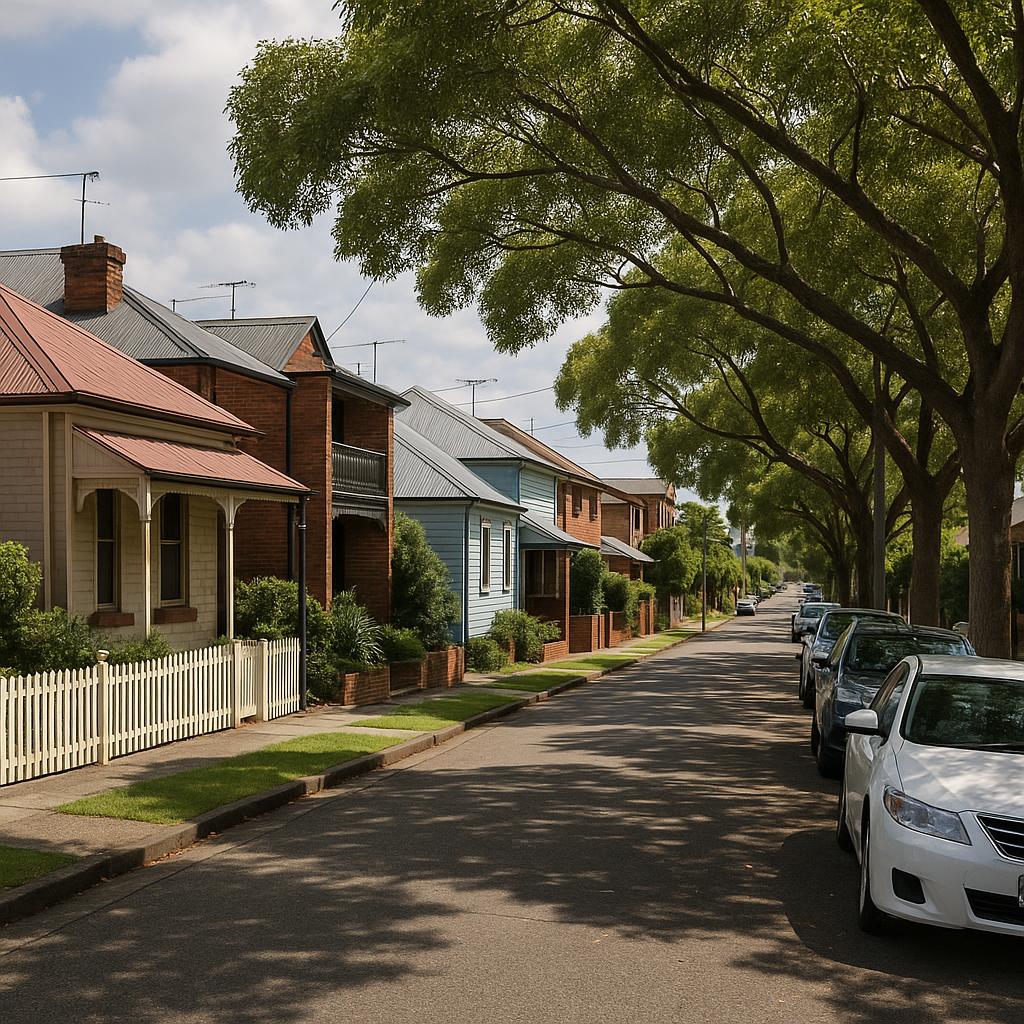
- Typical buyer types: first-home buyers, young families, downsizers seeking convenience, and investors targeting stable demand.
- Housing character: expect a mix of older dwellings, updated homes, and renovation candidates.
- Why it matters: suburb reputation can be broad, but property performance is often decided by micro-location and dwelling quality.
Two similar buyers enter Mayfield. One buys a neat, move-in-ready home with sensible maintenance. The other buys a “cheap-looking” house with hidden repair issues. The first buyer preserves flexibility; the second spends the next year dealing with surprises.
Investor view
Mayfield can appeal to investors who value tenant interest, practical location, and resale flexibility. The strongest strategy is usually to buy a property that will appeal to more than one tenant profile over time, rather than chasing a narrow, highly styled niche.
- Look for: low-maintenance properties, functional floorplans, useful parking, and homes that fit local renter expectations.
- Why it matters: you are buying today’s rent and tomorrow’s marketability.
- Rental strategy: tidy presentation, durable finishes, and practical layouts often outperform overdone cosmetic spend.
- Best fit: investors who want a suburb with multiple exit paths, not just a single story.
For comparison context, it can be useful to read nearby profiles such as Islington, Cooks Hill, and Merewether to understand how buyer priorities shift with location and lifestyle.
- Prioritise tenant demand, vacancy resilience, and resale depth.
- Stress-test maintenance costs before assuming yield or cash flow will be straightforward.
- Prefer properties that work for both owner-occupiers and renters if you want broader market depth.
Homeowner view
Homeowners often choose Mayfield for convenience, character, and access to everyday services. If your priority is to shorten life admin — the scschoolun, errands, commuting, and appointments — this suburb can make daily routines easier to manage.
- What to weigh: do you want convenience first, or a bigger block and more privacy?
- Maintenance: older homes can be rewarding, but they may require ongoing care.
- Ownership lens: look beyond the façade and assess storage, parking, noise, privacy, and renovation scope.
Families may see Mayfield as a stepping stone to a longer-term base, while downsizers may value manageable homes close to services. The key is whether the property supports your routine without creating hidden friction.
Market drivers
Mayfield demand is typically shaped by a stack of ordinary reasons that become powerful together: access, suburb familiarity, housing choice, and practical convenience. That makes it resilient for buyers who want a suburb that is easier to explain and easier to resell.
- Accessibility: proximity to jobs, services, and Newcastle connections.
- Suburb reputation: established, practical, and broadly understandable.
- Housing mix: different dwelling types can attract different buyers and renters.
- Why it matters: some properties sell quickly because they satisfy several groups at once.
Cost of Living Breakdown
The real cost of living in Mayfield is not just the mortgage or weekly rent. It is the combination of housing outgoings, transport, maintenance, and everyday lifestyle spending. A lower entry price can still feel expensive if the property needs frequent repairs or if your commute and parking costs are high.
- Housing costs: mortgage or rent, council-related outgoings, insurance, and potential strata or maintenance costs.
- Transport costs: fuel, parking, public transport, and the time cost of commuting.
- Home maintenance: older roofs, drainage, electrical updates, painting, and general wear-and-tear.
- Everyday living: groceries, childcare, services, and local discretionary spending.
Compare total monthly cost of living, not just purchase price or weekly rent. The property that looks cheaper on paper is not always cheaper to own.
Transport & Commute Details
Transport practicality is one of Mayfield’s core selling points. For many buyers, the value is not only road access but also the ability to move efficiently between work, school, errands, and weekend plans without feeling isolated from the city.
- Road access: check peak-hour conditions rather than relying on a map.
- Public transport: verify current bus and rail options using live route tools.
- Day-to-day mobility: assess parking, driveway access, and how easy it is to leave and return during busy periods.
If commute convenience is central to your search, compare Mayfield with other practical Newcastle and Central Coast-style value locations such as Wyoming, Narara, and Lisarow to see how connectivity changes the buyer pool.
Property type guide
Mayfield is best understood as a suburb where the dwelling type matters as much as the postcode. Older freestanding homes can offer character and flexibility, while smaller dwellings or lower-maintenance options may suit buyers who want simplicity and less upkeep.
- Freestanding homes: generally better for space, privacy, and owner-occupier appeal, but they may bring higher upkeep.
- Smaller dwellings: can suit investors or buyers seeking simplicity, but location and parking become even more important.
- Renovated vs original: renovated homes may save time; original homes can offer upside but need careful cost checking.
- Semis or duplex-style options: where available, they can appeal to buyers seeking a middle path between space and maintenance.
If you want low stress, prioritise condition and functional layout. If you want upside, budget realistically for works and inspect for structural or moisture issues before you get attached to cosmetic appeal.
Comparison with Other Areas
Mayfield is often compared with nearby Newcastle suburbs on a trade-off basis: convenience versus prestige, character versus polish, and flexibility versus niche appeal. Compared with more premium nearby pockets, Mayfield may offer a more grounded and practical proposition. Compared with quieter suburban alternatives, it may feel more connected and active.
- Mayfield vs a premium nearby suburb: Mayfield may offer broader practicality, while premium areas may offer stronger prestige.
- Mayfield vs a quieter residential suburb: Mayfield may feel more connected, busier, and easier for daily logistics.
- Compare based on: what you actually use every week, not just what looks good in a brochure.
For wider context across comparable NSW lifestyle and middle-ring markets, also review East Gosford and Green Point to understand how amenity and housing stock shape demand differently.
Rental Market Insights
Rental demand in Mayfield is usually shaped by usability: condition, layout, access, parking, and amenity. A well-presented property with practical features may lease faster than a prettier property with awkward storage, difficult access, or higher maintenance.
- Likely tenant mix: professionals, couples, small families, and renters who want convenience.
- What helps leasing: neutral finishes, durable materials, functional kitchens and bathrooms, and tidy outdoor spaces.
- What hurts leasing: poor storage, awkward layouts, and visibly deferred maintenance.
Choose improvements that reduce vacancy risk, not just upgrades that look impressive in photos. A practical home usually outperforms a flashy but inconvenient one.
Future Growth & Development
Future growth in an established suburb like Mayfield is often incremental rather than dramatic. That means buyers should watch for small improvements in amenity, transport, local services, and redevelopment patterns rather than expecting one major project to transform the market.
- Watch for: gradual uplift in amenity, evolving housing stock, and changing buyer preferences.
- Street-by-street impact: some pockets may benefit more than others depending on traffic, land use, and surrounding activity.
- Investor lens: future demand tends to favour properties that remain easy to live in and easy to maintain.
- Homeowner lens: think about whether change will improve day-to-day comfort or add noise and congestion.
Safety & Crime
Safety is best approached as a street-level due diligence issue rather than a suburb stereotype. Perception can vary significantly depending on the exact block, time of day, lighting, nearby activity, and how well the area is maintained.
- Inspect at night and on weekends: the atmosphere can differ greatly from a daytime inspection.
- Check surroundings: look at lighting, foot traffic, parking behaviour, and nearby land uses.
- Use official sources: verify current local data before making decisions based on anecdotes or online comments.
For balanced checking, review NSW Police, local council updates, and community observations rather than relying on a single source.
Who This Area Is Best For
Mayfield is best for buyers who want practical access, established housing, and a suburb that can work for both living and investing. It is less suitable for buyers chasing a highly exclusive, prestige-led lifestyle or those who want a large-lot, low-density feel above all else.
- Best fit: first-home buyers, investors seeking broad appeal, homeowners who value convenience, and buyers who appreciate established suburbs with real-world livability.
- Less suited to: buyers seeking large-lot privacy, highly exclusive amenity, or a “set and forget” purchase without checking condition carefully.
If your top priority is daily convenience and balanced demand, Mayfield deserves a shortlist inspection.
Due diligence checklist
- Inspect the street in daylight and after dark.
- Note noise, parking, traffic flow, and nearby land uses.
- Walk the immediate streets, not just the property frontage.
- Check roof condition, drainage, moisture, fencing, and visible maintenance issues.
- Assess floorplan practicality and future adaptability.
- Review comparable sales and recent rental listings, not just suburb averages.
- Confirm whether the property appeals to both owner-occupiers and tenants.
Common mistakes
- Overpaying for cosmetic presentation without checking fundamentals.
- Ignoring maintenance in older homes.
- Relying on suburb reputation instead of street-by-street assessment.
- Buying a property that suits your personal taste but not the broader market.
- Assuming a strong suburb automatically makes every property a good investment.
Tools, templates & resources
- Create a two-column comparison sheet for price, condition, parking, walkability, and maintenance risk.
- Use a weekly cost template that includes mortgage or rent, insurance, transport, repairs, and rates.
- Keep an inspection checklist with separate fields for structure, moisture, access, storage, and street context.
- Build a shortlist of recent comparable sales and rentals before you make an offer.
FAQ
Is Mayfield a good suburb for first-home buyers?
It can be, especially if you value convenience, established housing, and a suburb with broad everyday utility. The key is buying a property with manageable maintenance and a price point that leaves room in your budget for repairs and moving costs.
Is Mayfield better for investors or owner-occupiers?
It can work for both. Investors may like the broad tenant pool and resale flexibility, while owner-occupiers may value daily convenience and suburb character. The better fit depends on whether you want cash flow resilience or lifestyle comfort.
What type of property performs best in Mayfield?
There is no single winner, but generally the best-performing properties are the ones with functional layouts, sensible maintenance requirements, and enough appeal to attract both renters and future buyers.
What should I inspect before buying in Mayfield?
Check the building condition, drainage, parking, noise, street presentation, and surrounding land use. If the home is older, pay close attention to moisture, roof condition, and the quality of any renovations.
How does Mayfield compare with nearby Newcastle suburbs?
Mayfield is usually judged on practicality rather than prestige. Compared with more premium areas, it may offer stronger value positioning; compared with quieter pockets, it may offer more connectivity and activity.
Is Mayfield suitable for families?
Yes, many families will find it suitable because of its access to schools, services, and practical daily routines. The real question is whether the home itself gives you enough space, storage, and comfort for family life.
What are the main risks of buying in Mayfield?
The main risks are property-specific: older-home maintenance, overcapitalising on cosmetic upgrades, and buying in a street that does not match the broader suburb’s reputation. Always verify the exact block, not just the postcode.
What makes a good street in Mayfield?
A good street typically has manageable traffic, reasonable parking, solid presentation, good daylight feel, and nearby uses that suit your lifestyle. The best way to assess it is to inspect at multiple times and compare several streets.
Sources & how to verify
- Check current sold prices and rental listings on Domain so you are comparing real-time market evidence rather than relying on outdated estimates.
- Cross-check live listing depth and suburb trends on realestate.com.au to see how quickly comparable homes are being marketed and what features are common.
- Use the ABS Census to understand household structure, occupancy trends, and demographic context before assuming demand drivers.
- Review zoning and planning controls on the NSW Planning Portal so you understand what can be built, altered, or intensified nearby.
- Check school catchments and enrolment information through the NSW public school finder to verify access rather than relying on hearsay.
- Review route and service changes on Transport for NSW to confirm commute options, timetables, and service frequency.
- Use Newcastle City Council to check local planning updates, infrastructure works, and community notices relevant to the suburb.
- Confirm health and emergency access using the Hunter New England Health network pages if hospital proximity matters to your household decision.
- Review crime-prevention and safety guidance from NSW Police to understand official safety resources and local reporting channels.
- Verify development history and local approvals through the Newcastle development pages so you can see what is being built or approved nearby.
Conclusion
Mayfield in 2026 is best understood as a practical, established suburb with strong everyday usefulness and broad buyer appeal. The smartest buyers will look past the suburb label and assess the street, dwelling, and holding costs together. If you compare multiple properties, inspect at different times, and align the purchase with your next 5 to 10 years, you will make a more defensible decision.