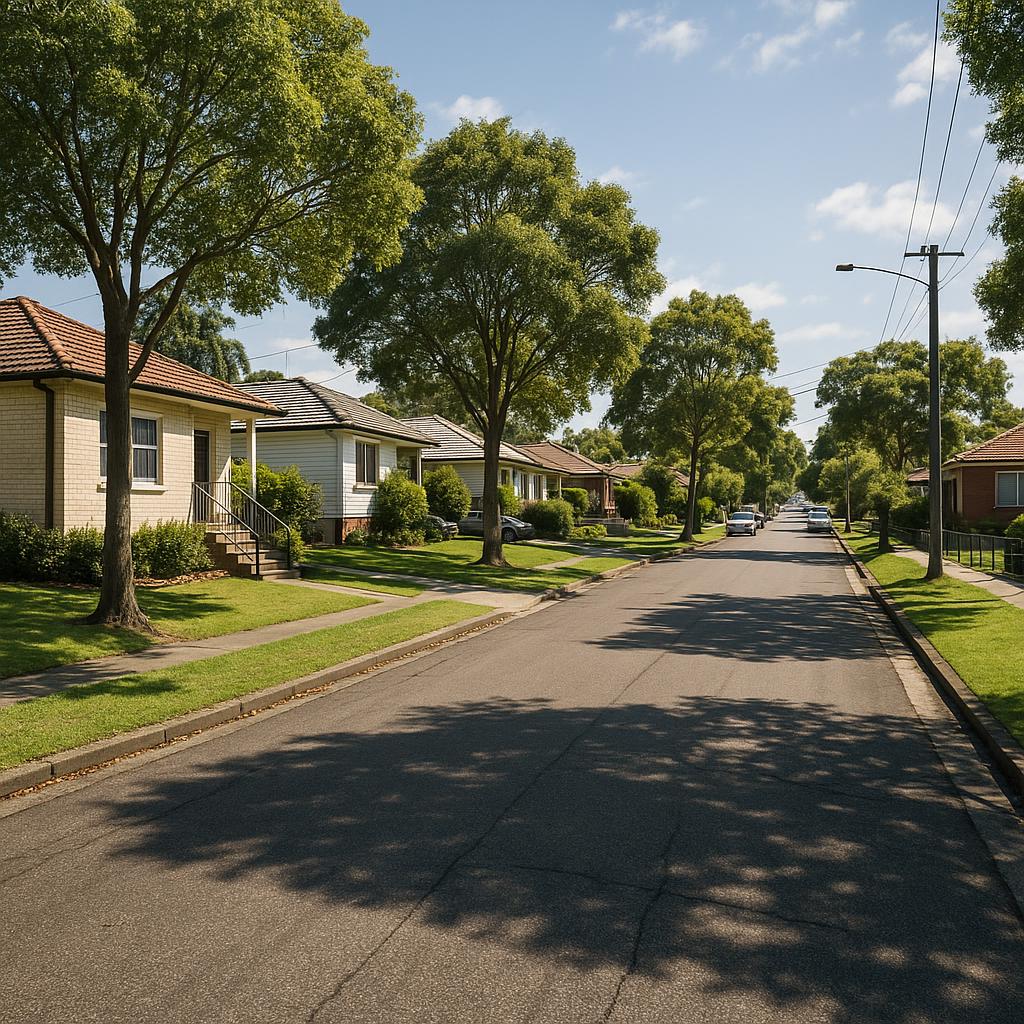
Charlestown in 2026 is best understood as a convenience-led, well-connected suburb with broad appeal rather than a niche lifestyle market. For investors and homeowners alike, it offers practical access to shopping, schools, services, and employment links across Newcastle and Lake Macquarie. The most successful buyers here usually focus on micro-location, property type, and liveability details rather than the suburb name alone.
Quick Answer
- Charlestown is a strong fit for buyers who want everyday convenience, good access to services, and a broadly appealing address in the Newcastle–Lake Macquarie corridor.
- It tends to suit owner-occupiers, first-home buyers, downsizers, and long-term investors who value practicality over prestige.
- The main opportunity is steady, useful demand from people who need a central base for work, school runs, shopping, and regional commuting.
- If you want low-fuss living with access to essentials, Charlestown is worth serious consideration; if you want a quiet, highly scenic, ultra-lifestyle suburb, it may be less suitable.
Key Takeaways
- Charlestown offers a balance of livability, accessibility, and relative affordability compared with some premium coastal or inner-city areas.
- The suburb tends to appeal to buyers who value practicality over prestige.
- Investor appeal often comes from broad tenant demand, family-friendly amenity, and steady rather than speculative growth.
- Homeowners often like the ability to live close to major retail, medical, schooling, and transport links.
- Key decision point: choose the right property type and street context, because not every pocket performs the same.
- Reading guide: AEO first for fast answers, then GEO for deeper reasoning, examples, scenarios, and decision-making support.
Pros & Cons
Pros
- Central convenience for shopping, services, and commuting.
- Broad appeal across families, professionals, and downsizers.
- Access to nearby beaches, hospitals, and employment corridors.
- Often easier to manage as an investment than more niche lifestyle suburbs.
Cons
- Busy roads and commercial activity can affect some pockets.
- Not all streets offer the same quietness or outlook.
- Can feel more practical than scenic, depending on buyer preferences.
- Competition for well-located homes can be strong.
Suburb snapshot
Charlestown is one of the most functional and recognisable service centres in the Lake Macquarie–Newcastle area. It combines established residential streets with a strong commercial core, which means the suburb works well for people who want to keep errands, appointments, schooling, and commuting relatively simple.
As a suburb profile, Charlestown is not a one-note market. Street context matters. A home tucked into a quieter residential pocket will feel very different to a property closer to major roads, retail activity, or busier intersections. That distinction is important for both buyers and investors.
It is helpful to think of Charlestown as a “convenience suburb” first and a lifestyle suburb second. That framing explains why it appeals to a wide audience: families, professionals, downsizers, and investors who want a location with depth of demand.
Illustrative example: two similar homes may attract different buyer interest depending on whether one sits on a quieter residential street and the other is exposed to heavier daily traffic. The actual house can be comparable, but the liveability outcome is not.
Investor view
From an investor perspective, Charlestown’s core strength is broad demand. A suburb with shopping access, services, health facilities, and route connectivity often attracts a wider tenant pool than a more isolated pocket. That does not guarantee superior capital growth or rental returns, but it does support resilience when managed well.
There are generally three investor angles to consider. First is the hold-and-grow approach, where a buyer prioritises a quality block, a sensible layout, and future renovation upside. Second is a cash-flow mindful strategy, where maintenance, strata, and dwelling efficiency matter as much as the address. Third is value-add, where older homes or dated interiors are improved if the site, layout, and zoning potential justify the work.
Charlestown can suit investors who want tenants with ordinary, reliable housing needs rather than highly specialised demand. That can include workers across the Newcastle–Lake Macquarie corridor, couples who want convenience, and families seeking a practical base. In investor terms, that is useful because demand depth often matters more than one-off hype.
Mini case-study: an investor may choose a well-kept older home near services rather than a flashier property in a less practical location. The rationale is simple: convenience supports tenant appeal, and tenant appeal supports easier leasing and broader resale interest.
Investor view summary: Charlestown is generally about steady demand, manageable vacancy risk, and sensible long-term holding rather than speculative upside. The biggest mistake is overpaying for a property that looks attractive online but underdelivers on street quality, parking, noise, or access.
Homeowner view
Homeowners are often drawn to Charlestown for time-saving convenience. If daily life involves school drop-offs, medical appointments, shopping runs, or commuting across the region, a centrally located suburb can remove a surprising amount of friction from the week.
This is especially relevant for buyers who do not want a holiday-style lifestyle suburb. Charlestown is more about function, comfort, and access. For some households, that is exactly the point. A practical home base can be more valuable than a picturesque but inconvenient location.
Common homeowner scenarios: a young family trying to reduce drive time and simplify routines; a couple downsizing from a larger property and wanting less maintenance; or a buyer moving up from an apartment to a house with better separation, storage, and outdoor space.
Homeowners should inspect beyond the floor plan. Look at parking, privacy, noise, local traffic patterns, and how the property feels at different times of day. A well-positioned home in Charlestown can be very liveable, but the suburb’s convenience can also mean some pockets feel busier than others.
Market drivers
Charlestown’s demand profile in 2026 is shaped by practical needs rather than novelty. Buyers often choose the suburb because it solves everyday problems: proximity to services, route flexibility, and a central base for family or work life. That is why the suburb tends to remain relevant even when market sentiment shifts elsewhere.
Several drivers matter. Employment access across Newcastle and surrounding centres helps support housing demand. Family movement within the region creates turnover in established suburbs. Low-maintenance living remains attractive to downsizers and busy professionals. Retail and service convenience also support the suburb’s role as a repeat-choice location rather than a once-off destination.
Scenario-based reasoning is useful here. A family may move to Charlestown to reduce commute stress and make school runs easier. A downsizer may sell a larger coastal property and choose a smaller, easier-to-manage dwelling close to services. In both cases, the suburb solves a lifestyle problem.
Charlestown’s story is less about speculation and more about useful, repeatable demand. That makes it a good suburb to study carefully at street level, because the right pocket can outperform the average experience of the broader area.
Cost of Living Breakdown
The real cost of living in Charlestown depends on both the dwelling and the lifestyle attached to it. Purchase price is only one input. Ongoing maintenance, transport needs, utility usage, strata levies where relevant, and the age of the home all affect the total cost of ownership.
For older houses, maintenance can be a meaningful line item, particularly if the property needs recurring works such as drainage, roofing, fencing, or internal updates. For units and townhouses, body corporate or strata expenses may be part of the equation, so buyers should compare the annual holding cost rather than focusing on the sticker price alone.
Everyday living costs are often influenced by how much driving is required. A conveniently located property can reduce the time and cost of running errands, school trips, and commuting. That may sound minor, but over years it becomes material. A slightly cheaper home in a poorer location can end up costing more in fuel, time, and friction.
Buyer tip: compare total ownership cost, not just purchase price. The cheapest property is not always the most economical choice once repairs, transport, and lost time are included.
Practical rule: If one property is marginally more expensive but significantly better located for work, schools, and daily errands, it may be the lower-cost option over the long term.
Transport & Commute Details
Charlestown is valuable because of access, not just distance on a map. Road connectivity matters for commuters heading toward Newcastle, Lake Macquarie, or other employment centres across the region. For some buyers, that flexibility is the difference between a stressful week and a manageable one.
Public transport can be useful depending on the exact destination and schedule, but many households will still rely on cars for part of their weekly routine. That makes parking, intersection access, and peak-hour congestion very relevant. Commute quality is not just about kilometres; it is about how the route feels at the times you actually travel.
Scenario example: one buyer works locally and values short errands and easy road access. Another commutes daily and needs a home on a street that avoids bottlenecks and makes leaving in the morning less stressful. Both can live in Charlestown, but the ideal pocket differs.
If transport is a key factor, test it properly. Drive the route in peak and off-peak periods. Check how easy it is to enter and exit the street. Consider whether the property suits a car-dependent lifestyle or a mixed-mode one.
Property type guide
Choosing the right property type in Charlestown is often more important than chasing a generic suburb label. The same suburb can work for a family house buyer, a downsizer, and an investor, but each group should look at a different product.
Houses
Detached houses suit buyers who want land, privacy, and potential renovation upside. They often appeal to families and long-term hold investors. The key watch-outs are age, layout, maintenance history, and whether the block genuinely adds value or simply adds upkeep.
Townhouses and duplex-style homes
These often suit buyers who want lower maintenance without fully sacrificing space. They can be attractive to downsizers and investors seeking reduced upkeep. Check strata rules, shared walls, visitor parking, and the quality of the scheme, because those factors affect both liveability and resale depth.
Units and apartments
Units can be useful for affordability and convenience-focused living. They may suit first-home buyers, singles, couples, and investors wanting a simpler maintenance profile. The critical checks are building condition, parking, noise, lift or access issues where relevant, and the financial health of the strata.
Simple selection framework: investors should balance demand, upkeep, and rental ease; homeowners should prioritise comfort, layout, and daily practicality.
Example: a family may prefer a detached house with yard space, while a professional buyer may value a well-located unit with minimal maintenance and easy access to services.
Comparison with Other Areas
Charlestown is often best compared with nearby suburbs that offer similar access but different trade-offs. The real decision is not always “Charlestown or somewhere else”; it is often “which compromise suits my needs best?”
Compared with quieter residential suburbs, Charlestown usually offers more convenience and service access, but also more traffic and commercial activity. Compared with lifestyle-driven coastal suburbs, it usually offers more practicality and day-to-day function, but less scenic prestige. That trade-off matters when you are buying for either investment resilience or long-term livability.
For readers comparing suburb options, it can help to cross-check nearby markets such as Mayfield for a different inner-suburban feel, or Waratah if you want to compare another practical Newcastle-area location. Buyers who are considering broader lifestyle trade-offs may also look at Merewether or Cooks Hill to understand what premium lifestyle positioning looks like relative to a convenience suburb.
Tip: use comparisons to clarify your top priority. If your non-negotiable is calm, coastal ambience, Charlestown may not be the right benchmark. If your priority is getting through the week efficiently, it may compare very well.
Rental Market Insights
Charlestown’s rental appeal is anchored in practicality. Tenants tend to respond to properties that reduce friction in daily life: easy access to shops, schools, transport routes, medical services, and employment corridors. That usually means strong presentation matters, but so does the property’s functional fit.
Likely tenant profiles include young professionals, couples, families, and locals who want stability and convenience. A low-maintenance dwelling with parking and good access can be easier to lease than a more compromised property, even if the latter has a lower headline asking price.
Leasing tips: present the home well, highlight storage and parking, and describe the practical advantages of the location. Tenants do not just rent the room count; they rent the daily experience.
Mini case-study: a neat two-bedroom unit near services may attract a different tenant profile than a larger family home with a yard. Both can work, but the leasing strategy is different. One is convenience-led, the other is family-led.
If you are comparing rental demand across nearby suburbs, it can also be useful to review Islington for a more urban-rental context or Waratah for a different mix of tenants and stock.
Schools & Education
School access is a major consideration for many Charlestown buyers, especially families planning to hold long term. Rather than relying on hearsay, check the actual school catchments and location-to-school travel times for the specific property you are considering. Education access can shape both owner-occupier demand and future resale interest.
For families, the practical question is whether the suburb simplifies morning routines and after-school logistics. A property that reduces commute stress and school-run complexity can improve day-to-day quality of life in a way that is hard to quantify but easy to feel.
Family scenario: parents looking for a suburb that supports routine, nearby amenities, and a manageable school run may find Charlestown appealing because it reduces the number of moving parts in the week. That is a meaningful lifestyle benefit even before you consider resale.
When evaluating schools, treat proximity, suitability, and confirmed enrolment rules as part of your due diligence rather than assumptions. Use official tools to verify catchments and boundaries before you buy.
Lifestyle & Daily Life
Charlestown’s daily life is defined by convenience. It is a suburb that suits people who want shopping, services, dining, and errands to be straightforward. For many households, that practicality is the main lifestyle benefit.
A typical day might involve a quick trip to the shops, a medical appointment, school drop-off, a commute, and then an easy return without a long detour. For retirees or downsizers, that accessibility can reduce the need for long drives and make life feel more manageable.
The suburb is not just about retail. It also appeals to buyers who want access to local recreation, fitness options, and the wider Newcastle–Lake Macquarie region. The right pocket can balance activity with residential calm, but buyers should inspect this carefully rather than assuming all streets feel the same.
Unique framing: Charlestown is not a “destination suburb” in the lifestyle sense; it is a “life made easier” suburb. That distinction matters because it sets the correct expectations from day one.
Future Growth & Development
Future growth in Charlestown will likely depend on whether the suburb continues to solve practical needs better than nearby alternatives. Infrastructure upgrades, retail/service evolution, and ongoing demand for central living can all support confidence, but they should be assessed carefully rather than treated as automatic positives.
Scenario-based thinking helps. If access, amenity, and surrounding services improve, buyer appeal may broaden further. If congestion becomes more pronounced or activity levels rise without corresponding liveability gains, the best streets may become more valuable relative to busier pockets. In other words, not all development is equally positive.
For buyers and investors, the question is simple: does the change improve everyday use, or does it just add activity? A project that makes life easier is usually more useful than one that merely creates noise or traffic pressure.
Safety & Crime
Safety should be assessed as a street-level issue, not only as a suburb label. Two streets in the same suburb can feel very different after dark, on weekends, or during quieter periods of the day. The most useful approach is to observe the property in person and verify official information rather than relying on general reputation.
Look at lighting, passive surveillance, visibility from the street, pedestrian movement, and how secure the property feels. Check whether the street is active in a healthy way or simply busy in a way that creates discomfort. Visit morning, afternoon, and evening if you can.
Balanced note: if safety is a major concern, use official crime data sources and local police information, then combine that with your own street observation. That gives you a more reliable picture than anecdotal comments alone.
Watch-out: a street that feels fine during business hours can feel very different after dark or on weekends, so confirm what the area is actually like when you would be living there.
Who This Area Is Best For
Charlestown is best suited to practical buyers who value convenience, families wanting access to everyday services, investors seeking broad demand, and downsizers looking for less maintenance and more accessibility.
It is less suited to buyers who want a secluded, highly scenic, or holiday-style environment, or people who strongly dislike commercial activity and traffic exposure. If your top priority is quiet retreat, you may prefer a different suburb profile.
Simple fit test: if your top priority is “easy life, close by,” Charlestown may fit well. If your top priority is “quiet retreat,” keep comparing suburbs.
Investor view: good for broad demand, sensible holding, and straightforward leasing if you choose the right dwelling and street.
Homeowner view: good for people who value time savings, errands made easy, and daily practicality over prestige.
Due diligence checklist
- Inspect the exact street, not just the suburb name.
- Visit at different times of day and on weekdays and weekends.
- Check noise, traffic, parking, and neighbour context.
- Review property type, condition, and maintenance history.
- Assess renovation costs realistically rather than optimistically.
- Compare similar properties nearby, not just online asking prices.
- Confirm transport, school, and amenity access by actual route.
- For investors: estimate tenant appeal by property type and location, and factor in vacancy risk, repairs, and strata costs where relevant.
- For homeowners: consider whether the home fits your next 5 to 10 years, not just your current routine.
Why this matters: good suburb selection can still be undermined by a poor street or an unsuitable dwelling, so treat micro-location as part of the asset, not an afterthought.
Red flags / watch-outs
- Busy-road exposure or noise sensitivity issues.
- Overlooking the importance of exact micro-location.
- Buying a property that needs more repair work than expected.
- Misjudging strata quality or ongoing costs.
- Choosing style over practicality for your own needs.
- Assuming every part of Charlestown behaves the same way.
- Ignoring parking, access, and peak-hour congestion.
Mini warning story: a buyer falls for a renovated interior, only to discover the property’s daily convenience is offset by traffic noise and limited parking. That is exactly why street-level assessment matters.
Common mistakes
- Assuming a convenient suburb automatically equals a good street.
- For investors, underestimating maintenance or strata expenses.
- For homeowners, buying a layout that does not match family needs.
- Relying on one inspection time instead of checking the area repeatedly.
- Using suburb averages to justify an individual property decision.
Tools, templates & resources
- Use a simple inspection scorecard covering noise, parking, storage, light, street feel, and access.
- Create a holding-cost template that includes mortgage, council rates, insurance, maintenance, strata, and transport.
- Save comparable listings and sold results by property type rather than by suburb alone.
- Keep a commute test note with peak-time travel time, parking ease, and route stress level.
- Track school catchment, hospital access, and service proximity separately, because each affects liveability differently.
FAQ
Is Charlestown a good suburb to buy in 2026?
Yes, if you value convenience, access, and broad buyer appeal. It is especially compelling for practical purchasers rather than those chasing a highly scenic or prestige-led market.
Is Charlestown better for investors or owner-occupiers?
It can suit both. Investors may like the broad tenant pool and practical demand, while owner-occupiers often appreciate the daily convenience and access to services.
What property types are most practical in Charlestown?
That depends on your goal. Houses suit land and renovation potential, townhouses suit lower maintenance, and units can suit affordability and convenience-focused buyers.
What should I check before buying in Charlestown?
Check the street, traffic, noise, parking, property condition, renovation scope, and whether the exact location suits your commute or family needs.
Is Charlestown suitable for families?
Yes, particularly for families who want everyday services, school-run practicality, and a central base. The exact property location still matters.
How does Charlestown compare with nearby suburbs?
Charlestown is usually more convenience-driven than quieter residential pockets and less lifestyle-prestigious than some coastal suburbs. It is often a stronger practical choice than an emotional one.
Does Charlestown suit downsizers?
Often yes. Downsizers commonly value low-maintenance living, service access, and a location that reduces daily travel and effort.
How should I verify market claims?
Check current listings, sold results, transport information, catchments, and planning updates using official and reputable sources rather than relying on general commentary.
Sources & how to verify
- Check current sold prices and rental listings on Domain before relying on any market estimate.
- Use realestate.com.au to compare active listings, property types, and how Charlestown is being marketed right now.
- Review suburb and household data on the ABS to understand demographic trends rather than guessing buyer demand.
- Confirm school catchments and education options through the NSW School Finder so you do not rely on informal boundary assumptions.
- Check road upgrades, bus information, and travel planning on Transport for NSW to assess commuting practicality accurately.
- Review planning rules and development controls using the NSW Planning Portal before considering renovations or development potential.
- Use the local council website for rates, local projects, and community information at Lake Macquarie City Council.
- Verify hospital access and services through the Hunter New England Local Health District if health proximity matters to your decision.
- Compare recent suburb activity on CoreLogic if you have access, because trend data is more useful than one-off anecdotes.
- Check crime information through BOCSAR and compare it with street-level observations rather than making assumptions from suburb reputation.
Conclusion
Charlestown remains a practical, connected, and convenience-driven suburb in 2026. It is not mainly about prestige or resort-style living; it is about making day-to-day life easier while still offering access to a broad employment and amenity network.
For investors, the key is to match the right dwelling and street to a demand profile that supports long-term holding. For homeowners, the key is to choose a pocket that fits your routine, not just your budget. The suburb rewards buyers who focus on function, access, and liveability.
Final takeaway: Charlestown is strongest for people who want an easy life, close by. If you want convenience, broad appeal, and sensible long-term usability, it deserves a close inspection.