Quick Answer
Como suits buyers who want an established inner-south Perth address with strong lifestyle appeal, and investors who understand that property type matters as much as location. It generally works best for owner-occupiers, professionals, downsizers, and long-term investors focused on tenant quality rather than chasing a generic yield story. The key is to assess micro-location, strata quality, and the balance between land value, convenience, and resale depth.
Key Takeaways
- Como is an established riverside suburb where convenience, amenity, and liveability often drive buyer interest.
- Demand is usually strongest for well-located homes, quality townhouses, and low-maintenance properties with strong presentation.
- Investors should treat strata, building condition, and ongoing costs as central to the decision, not secondary details.
- Homes on quieter streets or near preferred amenity can appeal more broadly than similar properties in busier pockets.
- The suburb suits buyers who value long-term desirability, but success depends on comparing comparable stock carefully.
Pros & Cons
Pros
- Inner-suburban location with convenient access to Perth CBD and major corridors.
- Lifestyle appeal from riverside setting, parks, cafes, and established streetscapes.
- Broad buyer pool: families, professionals, downsizers, and investors.
Cons
- Prices and competition can be elevated relative to outer suburbs.
- Strata properties may require careful due diligence on fees, levies, and building condition.
- Character homes may need renovation budgets, compliance checks, or maintenance planning.
Market Overview
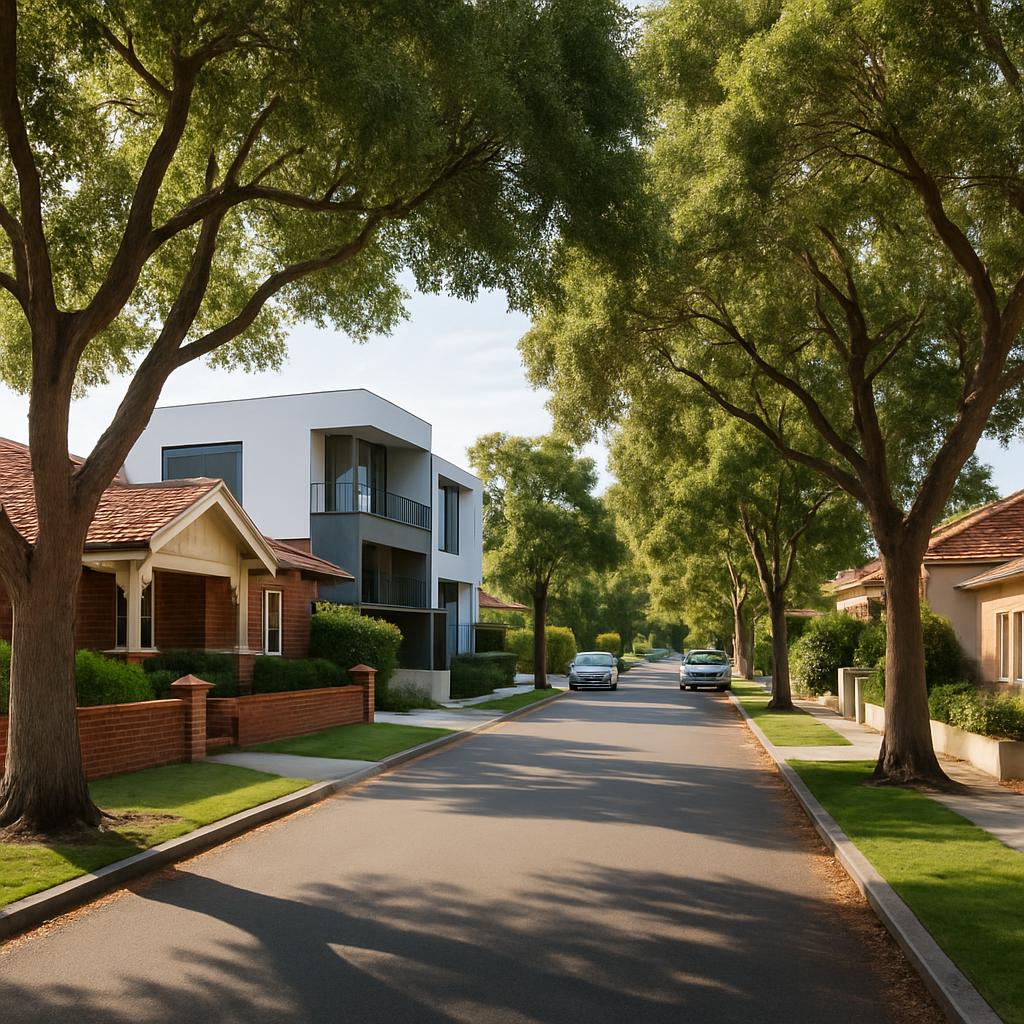
Como is one of Perth’s established inner-south suburbs, with a mix of riverside convenience, mature streets, and a housing stock that ranges from older character homes to modern apartments and townhouses. That combination gives the suburb broad appeal, but it also means buyers need to compare micro-locations carefully rather than treating Como as one uniform market.
For homeowners, the attraction is usually lifestyle and access. For investors, the attraction is a deeper and more varied buyer and tenant pool than many suburbs further from the city. The trade-off is that price performance and rental performance can vary significantly depending on whether you buy land-rich housing, strata accommodation, or a property that needs work.
In practice, Como rewards disciplined selection. A neat home on a quieter street with useful amenity nearby can feel materially different from a similar-looking property on a busier road or in a building with higher strata risk. That is why street-level comparison matters here more than broad suburb averages.
Buyer Demand
Buyer demand in Como is typically driven by people who want to stay close to the city without sacrificing liveability. Families, professionals, and downsizers all show up in the same search pool, which helps support resale depth. The suburb’s appeal is less about novelty and more about practical, everyday convenience.
Demand is usually strongest for properties that feel easy to live in and easy to maintain. If a home offers functional layout, good presentation, parking, and a sensible walkable setting, it will usually attract more interest than an equivalent property that is awkward, noisy, or expensive to hold.
Rental Market
Como’s rental appeal tends to come from tenant convenience rather than a single headline feature. Professional tenants often want manageable commutes and low-maintenance living, while small households and some families look for established amenity and access to daily needs. That helps support a relatively broad leasing audience.
From an investor’s perspective, the best rental candidates are usually properties that are simple to maintain, easy to furnish, and practical to live in. Apartments and townhouses can work well if the building is well managed, but detached homes may suit longer tenancies if the upkeep is sensible and the layout is functional. Always verify current rent evidence through live listings and recent comparable leases.
Lifestyle, Transport & Schools
Como’s lifestyle appeal comes from its established residential feel, proximity to the river corridor, and access to everyday amenity. It is the kind of suburb where buyers often value convenience, mature streets, and a more settled environment over flashier new development.
Transport access is a real part of the value proposition. Como generally suits buyers who want practical city access, whether by road or public transport, and that matters for both owner-occupiers and tenants. If commuting time is important, compare travel routes in peak periods rather than relying on map distance alone.
School access can also shape demand, especially for family buyers, but catchments and enrolment rules should always be checked directly with official sources. Buyers should look at more than the school name: walking routes, traffic flow, and whether the property genuinely suits school-run logistics can all influence day-to-day livability.
Como (WA) Suburb Profile
Official 2021 Census snapshot for the ABS Suburbs and Localities geography.
Age profile
Housing tenure
Occupied private dwellings by tenure type.
Salary & income profile
Median total income reported in the Census.
*Annual figures are weekly median × 52 estimates, not separate ABS annual medians.
Education & qualifications
Highest educational attainment, people aged 15+.
Employment status
People aged 15+ who reported being in the labour force.
Industry of employment
Top responses among employed people aged 15 years and over.
Occupation profile
Broad occupation groups among employed residents, including managers.
Property Type Guide
- Houses: Best for buyers wanting land, privacy, and long-term flexibility; check renovation scope, maintenance, and layout efficiency.
- Townhouses and villas: A strong middle ground for downsizers and professionals; review strata rules, shared walls, and outdoor space.
- Apartments: Often suit investors and lock-and-leave buyers; focus on building quality, strata health, parking, and noise control.
- Best fit by strategy: Choose houses for land value and owner-occupier depth, townhouses for balance, and apartments for lower-maintenance entry.
- Comparative check: Match the property to your exit strategy, not just your entry budget, because resale audiences differ sharply by type.
Risks & Watch-Outs
- Strata records can reveal special levies, deferred maintenance, and governance issues that are not obvious at inspection.
- Busy roads, traffic noise, and parking pressure can materially reduce liveability and resale appeal in some pockets.
- Older homes may hide costs in plumbing, wiring, moisture, or functional obsolescence, especially if renovated superficially.
- Two similar properties can attract very different outcomes depending on street position, privacy, and walkability.
- Don’t assume every property in Como will suit every buyer; the best asset for an investor may not be the best home for an owner-occupier.
Nearby Suburbs to Compare
- South Perth WA Property Market Guide: Buyers & Investors
- Victoria Park WA Property Market Guide: Buyers & Investors
- Manning
- Salter Point
- South Perth
FAQ
Is Como WA a good suburb to buy in?
Como is generally attractive for buyers who want established amenity, inner-south convenience, and a broad resale audience. It is strongest when the property itself is well chosen, well presented, and aligned with the buyer’s strategy, whether that is living in it or holding it long term.
Is Como better for owner-occupiers or investors?
It can suit both, but for different reasons. Owner-occupiers often prioritise lifestyle, commute, and everyday convenience, while investors need to focus on strata quality, maintenance, and tenant fit. The best investment properties in Como are usually the easiest to own, lease, and resell.
What property type is most suitable in Como?
That depends on your goal. Houses suit buyers chasing land and long-term flexibility. Townhouses and villas offer a practical middle ground. Apartments can work well for lower-maintenance living or investing, provided the building quality and strata position are sound.
What should I inspect before buying in Como?
Inspect more than the cosmetic finish. Check the street environment, parking, traffic noise, building condition, and any strata documentation if relevant. For homes, pay attention to layout, maintenance history, and renovation quality. Then compare recent sales of similar stock, not just suburb-wide averages.
How does Como compare with nearby suburbs?
Compared with nearby inner-south areas, Como often competes on location, amenity, and access rather than on being the cheapest option. Buyers should compare liveability, land component, strata exposure, and commute convenience to decide whether Como or a neighbouring suburb is the better fit.
Conclusion
Como is best understood as a high-liveability inner-south suburb where property type and micro-location matter greatly. It can suit homeowners seeking convenience and investors focused on durable demand, but only if the asset is well chosen. Compare like-for-like stock, check the details carefully, and verify current evidence before making an offer.
Sources & How to Verify
- Check current listings and recent comparable sales on Domain so you are not relying on outdated price expectations.
- Review live sale and rental evidence on realestate.com.au to confirm how similar homes are being marketed today.
- Use the ABS to understand broad demographic and dwelling trends without guessing at suburb-specific figures.
- Confirm school zones, enrolment rules, and catchment details with WA Education before treating any property as school-zone suitable.
- Check local planning, zoning, and development considerations through WA Planning so you understand future land-use context.
- Review council information on amenities, local works, and community assets through the City of Canning if the property sits within the local government area.
- Inspect transport routes and service changes on Transperth to verify commute options and practical service frequency.
- For strata properties, request the records, minutes, and financials directly and have them reviewed before you commit, because building issues are often disclosed there first.