Quick Answer
Applecross is an established, premium riverside suburb that suits buyers who value location, lifestyle, and long-term scarcity more than entry-level affordability. It can work well for owner-occupiers, downsizers, executive families, and investors seeking stable demand and quality tenants rather than speculative gains. The best results usually come from choosing the right pocket and property type, because Applecross offers very different outcomes across houses, townhouses, and apartments.
Key Takeaways
- Applecross is typically a tightly held suburb with strong prestige appeal and enduring liveability.
- Demand is driven by riverside amenity, village convenience, and proximity to major Perth employment areas.
- Investors should focus on tenant quality, asset resilience, and low-maintenance ownership rather than chasing bargains.
- Buyers need to compare streets, building quality, and property type carefully, not just the suburb name.
- Applecross often rewards patient, long-term decision-making and disciplined due diligence.
Pros & Cons
Pros
- Strong prestige positioning and a consistently desirable riverside lifestyle.
- Broad appeal to owner-occupiers, downsizers, and quality tenants.
- Good mix of homes for different budgets and holding strategies within a premium market.
Cons
- Premium entry expectations can narrow the pool of affordable options.
- Older homes may need meaningful maintenance, updates, or reconfiguration.
- Strata quality, aspect, and street position can materially affect value and livability.
Market Overview
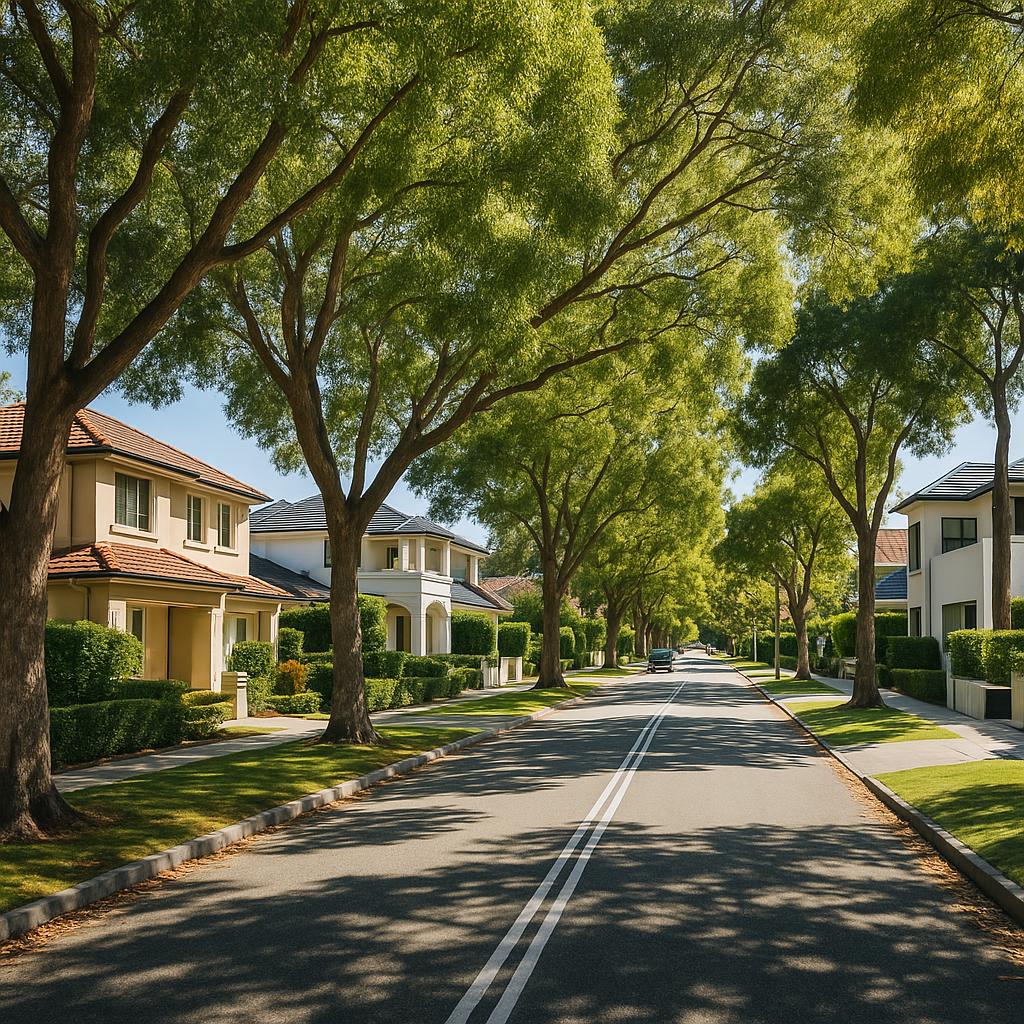
Applecross sits in Perth’s inner south and is widely regarded as one of the city’s more established, affluent residential suburbs. Its appeal comes from a mix of riverside setting, mature streets, and a polished, residential feel that attracts long-term owner-occupiers rather than short-hold speculators.
The market is shaped by scarcity and buyer selectivity. Well-located homes can remain tightly held for years, while apartments and townhouses compete on convenience, condition, and strata quality. In practice, one Applecross property may be a lifestyle play, while another is mainly a land-and-renovation decision.
That is why buyers should avoid treating Applecross as a single market. The suburb reward profile depends heavily on whether you are buying a detached home, a low-maintenance villa, or an apartment close to amenity. Compare like with like, then verify current sales and rentals before making an offer.
Buyer Demand
Buyer demand is generally strongest from downsizers, established families, professionals, and investors who want a blue-chip address with practical everyday convenience. Many buyers are willing to pay for a suburb that reduces commute friction while preserving lifestyle quality and future resale confidence.
Demand drivers vary by property type. Downsizers often prioritise walkability, security, and low maintenance; families look for usable layouts and space; investors look for tenant-friendly floorplans, parking, and easy upkeep. That mix supports resilience, but it also means the “right” property in Applecross can differ sharply from the wrong one.
Rental Market
Applecross tends to attract tenants who value comfort, presentation, and location. This can include relocating professionals, long-term renters who want a premium inner-south base, and households wanting access to established amenity without sacrificing daily convenience.
For investors, the key is matching the asset to the tenant profile. Renovated apartments and well-kept townhouses can appeal to time-poor renters, while larger homes may suit families seeking space and a settled address. Presentation, parking, and practical layout matter just as much as the suburb name.
Lifestyle, Transport & Schools
Applecross offers the kind of lifestyle many Perth buyers want: river proximity, established streets, and convenient access to cafes, local shopping, and recreation. The suburb’s feel is more polished and residential than high-energy, which suits buyers who want comfort and predictability.
Transport access is a practical strength, especially for commuters heading toward the CBD, Canning Bridge precinct, or nearby employment nodes. However, walkability varies by pocket, so buyers should test their daily routine rather than assuming every part of Applecross functions the same way.
Schools and catchments need direct verification, because boundaries and enrolment rules can change. Family buyers should confirm current options through official channels and compare the practical commute to school, not just the suburb reputation. A good house in the wrong catchment may be less useful than a simpler home in the right one.
Applecross Suburb Profile
Official 2021 Census snapshot for the ABS Suburbs and Localities geography.
Age profile
Housing tenure
Occupied private dwellings by tenure type.
Salary & income profile
Median total income reported in the Census.
*Annual figures are weekly median × 52 estimates, not separate ABS annual medians.
Education & qualifications
Highest educational attainment, people aged 15+.
Employment status
People aged 15+ who reported being in the labour force.
Industry of employment
Top responses among employed people aged 15 years and over.
Occupation profile
Broad occupation groups among employed residents, including managers.
Property Type Guide
- Detached homes: Best for families and long-term owners wanting land, privacy, and renovation upside, but they can bring higher maintenance.
- Renovated older homes: Appeal to buyers who want character and a premium location, provided the improvements are functional and well executed.
- Townhouses and villas: Suit downsizers and professionals wanting lower maintenance, though strata quality and design efficiency must be checked closely.
- Apartments and units: Can work well for investors and lifestyle buyers if the building, parking, noise levels, and strata costs stack up.
- Renovation-ready stock: Offers value-add potential, but only if structure, services, and renovation scope are realistic for the end resale market.
Risks & Watch-Outs
- Premium pricing means the wrong purchase can underperform even in a strong suburb.
- Older homes may hide expensive maintenance needs in roofing, plumbing, wiring, or moisture management.
- Strata levies, rules, and building quality can materially change the holding cost of apartments and townhouses.
- Aspect, street noise, parking, and privacy can affect liveability more than many buyers expect.
- Renovation budgets should be tested carefully so the final value does not rely on wishful assumptions.
Nearby Suburbs to Compare
- South Perth WA Property Market Guide: Buyers & Investors
- Como WA Property Market Guide: Buyers & Investors
- Ardross
- Victoria Park WA Property Market Guide: Buyers & Investors
- Mount Pleasant
FAQ
Is Applecross a good suburb to buy in?
Yes, for buyers who value established prestige, riverside amenity, and long-term desirability. The suburb is usually best approached as a quality-location decision rather than a bargain hunt, so the property type and condition matter enormously.
Is Applecross better for owner-occupiers or investors?
It can suit both, but owner-occupiers often get the strongest lifestyle benefit. Investors can do well when they choose the right asset, such as a well-presented apartment or low-maintenance home with broad tenant appeal.
What property types are most common in Applecross?
You will generally see a mix of detached homes, renovated older residences, villas, townhouses, and apartments. Each behaves differently, so compare similar properties rather than assuming the whole suburb trades as one market.
Is Applecross good for families?
Often yes, especially for families prioritising a polished inner-south location, access to amenities, and settled streets. The key is checking layout, outdoor space, school options, and whether the pocket suits your daily routine.
What should investors check before buying in Applecross?
Focus on tenant demand, strata documents, maintenance history, and practical features like parking and noise. Also compare recent rental listings and similar sales so you understand whether the property is genuinely competitive, not just prestigious.
Conclusion
Applecross is best suited to buyers who value premium location, lifestyle convenience, and long-term holding confidence. The smartest purchase is rarely the most emotional one; it is the property type, pocket, and condition that best fit your strategy. Investors should prioritise tenant appeal and low-maintenance quality, while homeowners should test daily livability before committing.
Sources & How to Verify
- Check current listing and sold evidence on Domain so you are comparing Applecross properties against recent real-world market activity.
- Use realestate.com.au to review current stock, asking prices, and how different property types in Applecross are being presented today.
- Confirm zoning, planning controls, and redevelopment considerations on WA Planning before assuming a renovation or extension path is feasible.
- Review suburb and household context through ABS if you want background information, but rely on current property evidence for purchase decisions.
- Check school boundaries and enrolment information directly through the relevant official school or education source, because catchments and local intake areas can change.
- Inspect public transport options and station access using Transperth so commute assumptions are based on real routes and timetables.
- For units and townhouses, request strata records and minutes to verify levies, special projects, by-laws, and building maintenance plans before making an offer.
- Always compare several similar sales and rentals, because Applecross pricing, demand, and presentation can differ sharply between pockets, streets, and building types.