Quick Answer
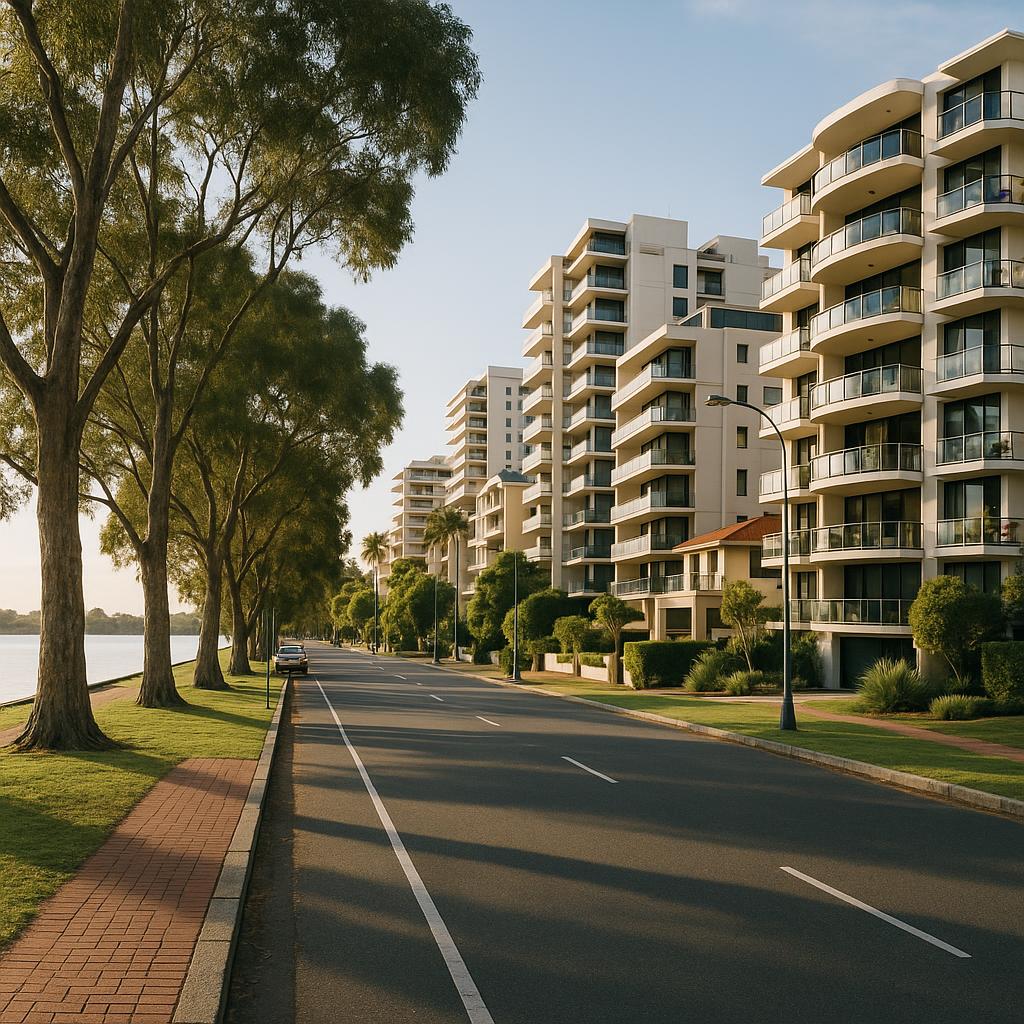
South Perth, WA is a premium inner-south suburb that usually suits buyers who value river access, CBD convenience, and an established lifestyle setting. For investors, the main attraction is broad tenant appeal, but the best results typically come from choosing the right property type rather than relying on the suburb name alone. Apartments often suit low-maintenance strategies, while townhouses and houses reward buyers who want scarcity, privacy, and longer-term owner-occupier appeal.
Key Takeaways
- South Perth is a lifestyle-led suburb with strong appeal to professionals, downsizers, families, and investors.
- Apartment stock is a major entry point, so building quality and strata health matter as much as location.
- Detached homes are more tightly held, which can support long-term scarcity and owner-occupier demand.
- Rental performance is usually driven by convenience, walkability, and low-maintenance living rather than headline suburb prestige.
- The best buys are usually the properties that match real demand: practical layouts, good parking, and easy access to amenity.
Pros & Cons
Pros
- Inner-south location with strong everyday convenience
- River, parkland, and walkability appeal to a broad buyer pool
- Varied stock: apartments, townhouses, and prestige homes
Cons
- Premium entry expectations can narrow value for some buyers
- Older apartments need careful strata and building due diligence
- Some pockets face parking, traffic, or noise trade-offs
Market Overview
South Perth is one of Perth’s most recognisable inner-south suburbs, with a market shaped by river proximity, city access, and a reputation for established amenity. It is not one single market: riverside apartments, quiet residential streets, and premium detached homes can behave quite differently.
That matters because buyers often pay for lifestyle first and floor plan second. In practical terms, the suburb tends to reward properties that are well-located within the suburb, easy to maintain, and aligned with the needs of owner-occupiers or long-term tenants.
For investors and homeowners alike, the key question is not simply “Is South Perth good?” It is “Which part of South Perth, which property type, and what holding costs?” A well-chosen apartment or townhouse may offer stronger day-to-day usefulness than a larger but less practical home.
Buyer Demand
Demand in South Perth is typically driven by people who want to trade space for convenience. That includes professionals wanting shorter commutes, downsizers wanting lower maintenance, and buyers who value lifestyle access to the river and nearby amenity.
Competition is usually strongest for properties that solve real problems: secure parking, practical layouts, good natural light, and easy access to the CBD or key services. Buyers should compare property type to property type, because a well-kept townhouse can compete very differently from a dated apartment or an older house.
Rental Market
South Perth generally has broad rental appeal because it suits tenants who prioritise location, convenience, and low-maintenance living. That can include professionals, couples, and long-term renters who want a premium suburb without taking on a house-sized upkeep burden.
For investors, the best rental candidates are usually properties that are easy to live in and easy to maintain. Focus on layout efficiency, parking, storage, security, and building quality. Strong suburb appeal does not cancel out weak strata management, poor design, or expensive ongoing costs.
Lifestyle, Transport & Schools
South Perth’s lifestyle strength is its combination of riverside amenity, established streetscapes, and access to cafés, parks, and leisure options. It appeals to buyers who want a suburb that feels residential but still close to the CBD.
Transport is a practical advantage rather than a novelty. Road access to central Perth is straightforward in comparison with many outer suburbs, and public transport options help broaden the buyer and tenant pool. In some pockets, walkability is a genuine selling point.
For families, school access and daily logistics matter more than broad suburb reputation. Buyers should confirm zoning, enrolment rules, and travel times directly through official sources, because catchments and local preferences can change. If education is a key driver, inspect the suburb through the lens of routine, not just prestige.
South Perth Suburb Profile
Official 2021 Census snapshot for the ABS Suburbs and Localities geography.
Age profile
Housing tenure
Occupied private dwellings by tenure type.
Salary & income profile
Median total income reported in the Census.
*Annual figures are weekly median × 52 estimates, not separate ABS annual medians.
Education & qualifications
Highest educational attainment, people aged 15+.
Employment status
People aged 15+ who reported being in the labour force.
Industry of employment
Top responses among employed people aged 15 years and over.
Occupation profile
Broad occupation groups among employed residents, including managers.
Property Type Guide
- Apartments: Often the most accessible entry point; best when the building is well managed and the floor plan is practical.
- Townhouses: A useful middle ground for buyers wanting more space, less maintenance, and stronger owner-occupier appeal.
- Houses: More tightly held and attractive for long-term owners who value land, privacy, and scarcity.
- Prestige or river-adjacent homes: Usually bought for lifestyle and long-term desirability rather than standard investment metrics.
Risks & Watch-Outs
- Older strata buildings can hide deferred maintenance, weak sinking funds, or upcoming special levies.
- Premium postcode appeal can lead to overpaying if the property itself is average, awkward, or expensive to hold.
- Some pockets have traffic, parking, or noise constraints that matter more than buyers expect.
- Do not assume every apartment performs the same; building reputation, layout, and amenity can change the result materially.
- Renovation upside can be overstated if the floor plan, storage, or building quality is fundamentally weak.
Nearby Suburbs to Compare
- Como WA Property Market Guide: Buyers & Investors
- Kensington
- East Perth WA Property Market Guide: Buyers & Investors
- Applecross
- Perth WA Property Market Guide: Buyers & Investors
FAQ
Is South Perth good for buyers?
Yes, if you want an established inner-south location with strong lifestyle appeal and convenient access to the CBD. The best fit depends on whether you want an apartment, townhouse, or house, because each segment behaves differently.
Is South Perth a good suburb for investors?
It can be, especially if you focus on low-maintenance properties with strong tenant appeal. Investors should assess strata fees, building condition, parking, and layout carefully, because the suburb’s reputation alone does not guarantee strong holding economics.
What type of property is best in South Perth?
There is no universal answer. Apartments suit convenience and lower maintenance, townhouses offer balance, and houses suit buyers who want land and scarcity. The best choice depends on budget, risk tolerance, and how long you plan to hold.
Is South Perth family-friendly?
Yes, particularly for families who value access to parks, established streets, and practical commuting options. That said, family fit depends on the specific property, traffic exposure, and access to schooling, childcare, and daily services.
What should I check before buying an apartment in South Perth?
Review strata minutes, levies, sinking fund health, building maintenance history, parking, noise, ventilation, and resale appeal. A well-located apartment can still be a poor purchase if the building has weak management or expensive future works.
Conclusion
South Perth is a high-quality Perth suburb for buyers and investors who want lifestyle, convenience, and long-term appeal. The smartest purchases are rarely the cheapest; they are the most practical, well-located, and appropriately priced for the property type. If you verify strata, compare micro-locations, and match the home to your goal, the suburb can be a strong strategic choice.
Sources & how to verify
- Check current sales evidence on Domain so you are comparing recent, similar properties rather than relying on broad suburb reputations.
- Review active listings and rental asking prices on realestate.com.au to test how the market is pricing different property types right now.
- Use the City of South Perth website to confirm local amenity, planning information, and any place-specific considerations before you buy.
- Verify zoning, planning controls, and development implications through WA Planning Portal so you understand what can realistically change near the property.
- Check school catchments and enrolment details via the WA School Finder rather than assuming a suburb name guarantees a particular school pathway.
- Use ABS data for broad demographic context, but treat it as background only and not a substitute for property-level due diligence.
- Review title and land-related information through Landgate if you need authoritative property and cadastral reference details.