Quick Answer
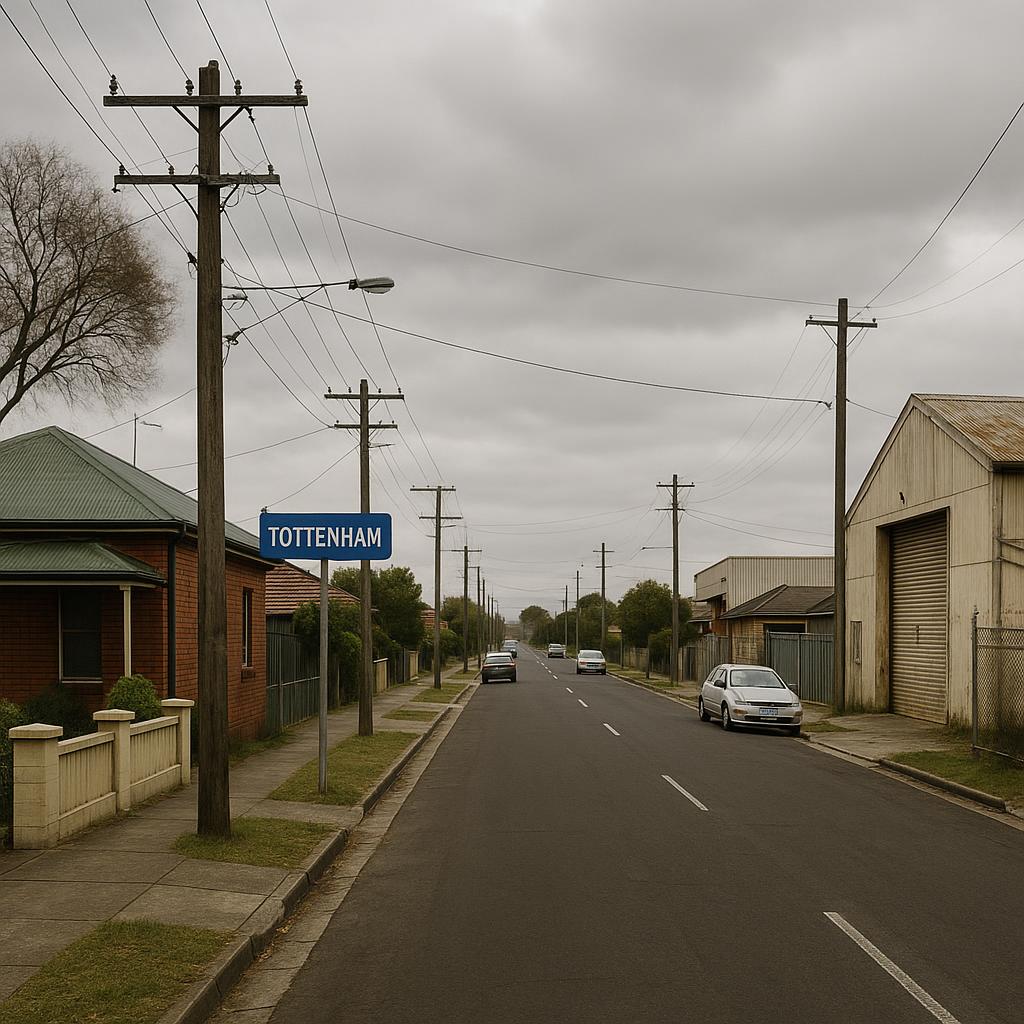
Tottenham VIC is best suited to buyers and investors who value inner-west access, relative affordability, and a practical, mixed-use setting over prestige amenity. It can appeal to first-home buyers wanting a foothold near Melbourne’s inner west, as well as investors seeking tenant demand tied to transport and employment corridors. The suburb is not uniform, so street-by-street due diligence matters. If you want convenience and value, Tottenham is worth a serious look; if you want a leafy lifestyle core, compare it carefully with nearby alternatives.
Key Takeaways
- Tottenham sits in Melbourne’s inner-west context, where transport access and industrial land use shape buyer decisions.
- The suburb can appeal to value-focused purchasers who want practical access without paying premium inner-city pricing.
- Street-level variation matters here: some pockets feel residential, while others sit closer to freight or commercial activity.
- Investors should prioritise tenant appeal, easy maintenance, and realistic rent expectations over broad suburb assumptions.
- Tottenham works best when the property matches your strategy, whether that is entry-level ownership, holding, or improvement potential.
Pros & Cons
Pros
- Inner-west location supports long-term relevance.
- Transport access can broaden renter and buyer interest.
- Potentially better value than more polished nearby suburbs.
Cons
- Industrial and freight influences may affect amenity.
- Not every pocket has the same residential feel.
- Buyer expectations must stay grounded in local context.
Market Overview
Tottenham is an inner-west Melbourne suburb where residential streets, industrial land uses, and transport connectivity all influence how buyers assess value. It is not a suburb to judge by postcode alone; the feel of the street, nearby activity, and dwelling type can change the experience significantly. That makes it especially important for buyers to inspect the immediate surrounds rather than relying on a broad reputation.
For owner-occupiers, Tottenham is often about trade-offs: practical access and a more approachable entry point versus a less polished environment. For investors, the same traits can be attractive if the dwelling is easy to lease and hold. The suburb’s market story is less about glamour and more about function, convenience, and long-term positioning within Melbourne’s inner-west.
As the inner west continues to draw attention, Tottenham can benefit from spillover demand from nearby areas, but that does not mean every property will perform the same way. A well-located home or low-maintenance dwelling may attract stronger interest than a similar property on a busier or less residential street.
Buyer Demand
Demand in Tottenham is typically driven by buyers who want inner-west access without stretching to the highest-priced nearby suburbs. That includes first-home buyers, investors, and practical owner-occupiers who are willing to accept a more utilitarian setting in exchange for location and value.
Demand is also highly property-specific. Homes with better street presentation, easier access, and a more comfortable residential feel can stand out quickly, while dwellings closer to heavier activity may appeal more narrowly. Buyers should compare like-for-like properties and avoid assuming all of Tottenham behaves the same way.
Rental Market
Tottenham’s rental appeal comes from convenience. Tenants who work across Melbourne’s inner west, or who want train and road access, may see the suburb as a practical base. That broadens the potential tenant pool to include singles, couples, and workers who value function over lifestyle polish.
For investors, low-maintenance properties tend to make the most sense because they are easier to lease and hold. The best rental strategy is usually the one that keeps friction low: sensible layout, manageable upkeep, and a location that suits commuting or local employment patterns. Before buying, check current rental listings and compare similar properties nearby to test real tenant demand.
Lifestyle, Transport & Schools
Tottenham offers a practical inner-west lifestyle rather than a café-led prestige lifestyle. Buyers who value convenience, everyday functionality, and proximity to work corridors may find it appealing, while those chasing a quiet, leafy, residential-only environment may prefer other suburbs.
Transport relevance is one of Tottenham’s key advantages. Train access and road connections can reduce commute friction and support both owner-occupier convenience and rental demand. For many buyers, that practical access is the main reason Tottenham remains on the shortlist, especially when compared with more expensive nearby suburbs.
Schools and family considerations should be approached in a practical way rather than through rankings alone. Families often focus on day-to-day routines: ease of drop-off, walking routes, nearby open space, and how the home fits the rhythm of school and work travel. Official school-finder tools and local inspections are the best way to verify current options.
Tottenham (Vic.) Suburb Profile
Official 2021 Census snapshot for the ABS Suburbs and Localities geography.
Age profile
Housing tenure
Occupied private dwellings by tenure type.
Salary & income profile
Median total income reported in the Census.
*Annual figures are weekly median × 52 estimates, not separate ABS annual medians.
School completion
Highest year of school completed. Detailed tertiary data was unavailable from QuickStats.
Employment status
People aged 15+ who reported being in the labour force.
Property Type Guide
- Houses: May suit buyers wanting land, control, or longer-term improvement potential; inspect the street context carefully.
- Townhouses: Often appeal to buyers seeking a modern, lower-maintenance compromise between space and practicality.
- Units/apartments: Can suit entry-level buyers and investors looking for simplicity, but check building condition and owner-occupier appeal.
- Best for first-home buyers: Usually the most practical option is the one that balances budget, commute, and maintenance tolerance.
- Best for investors: Low-maintenance dwellings with solid tenant fit and easy access often make the cleanest holding strategy.
Risks & Watch-Outs
- Industrial adjacency can influence quietness, outlook, and perceived amenity in some streets.
- Freight routes and arterial traffic may affect noise levels and day-to-day livability.
- Older dwellings may need more work than a quick inspection suggests, especially on maintenance and compliance items.
- Body corporate settings in units or townhouses can affect costs, control, and resale flexibility.
- Renovation potential should be tested against the immediate micro-market, not just the broader suburb story.
Nearby Suburbs to Compare
- Maidstone VIC Property Market Guide: Buyers & Investors
- Brooklyn VIC Property Market Guide: Buyers & Investors
- South Kingsville VIC Property Market Guide: Buyers & Investors
- Newport VIC Property Market Guide: Buyers & Investors
- Seddon VIC Property Market Guide: Buyers & Investors
- Kingsville VIC Property Market Guide: Buyers & Investors
FAQ
Is Tottenham VIC a good suburb for first-home buyers?
It can be, especially for buyers who want an inner-west foothold and are willing to trade some lifestyle polish for access and value. The key is choosing a property and street that suit your daily routine and long-term plan.
Is Tottenham a good suburb for property investors?
Yes, provided the property is easy to maintain and has obvious tenant appeal. Investors should focus on practical dwellings near useful transport and employment links, then verify demand through current rentals and comparable leasing results.
What type of property performs best in Tottenham?
There is no single winner, but low-maintenance properties often make the most sense for investors, while houses may suit buyers who want control or improvement potential. Always compare the dwelling type against the surrounding street and likely buyer pool.
How does Tottenham compare with nearby inner-west suburbs?
Tottenham is usually more about practicality and access than lifestyle prestige. Nearby suburbs may offer a stronger residential feel, more established streetscapes, or greater café appeal, so your best choice depends on whether you prioritise convenience or amenity.
What should I check before buying in Tottenham?
Inspect the street at different times, review surrounding land uses, compare recent sales and rentals, and confirm the property’s zoning or planning context. In a suburb like Tottenham, local detail matters more than broad assumptions.
Conclusion
Tottenham VIC suits buyers and investors who think in terms of function, access, and value rather than prestige. Its mixed-use nature creates both opportunity and trade-offs, so success depends on choosing the right pocket and property type. If you are comparing inner-west options, Tottenham deserves a careful, evidence-based inspection.
Sources & how to verify
- Check current sold prices and rental listings on Domain to confirm whether recent market examples support your expectations.
- Compare asking rents and available stock on realestate.com.au so you do not rely on a single advertised figure.
- Review zoning, overlays, and planning controls on Planning Victoria before assuming redevelopment or extension potential.
- Use Public Transport Victoria to verify train and bus access, rather than relying on generic suburb impressions.
- Check school-catchment and enrolment details on Find My School because zoning and intake can change.
- Use ABS suburb and census tools to understand broad household patterns, then cross-check with on-the-ground inspections.
- Confirm local land-use and community information through the relevant local council website, especially if a property sits near a mixed-use or industrial edge.