Quick Answer
Ripponlea is a small, tightly held inner south-east Melbourne suburb that suits buyers who value walkability, heritage character, and a quieter residential feel. It is typically best for owner-occupiers, downsizers, and investors who want stable lifestyle-driven demand rather than a broad, high-volume market. The main decision point is not just suburb name, but the specific dwelling type, condition, and long-term upkeep.
Key Takeaways
- Ripponlea is better viewed as a lifestyle-led market than a high-turnover investment hotspot.
- Scarcity of housing stock can support demand, but it also means buyers face less choice and more competition.
- Character homes appeal strongly, yet older construction can bring maintenance and renovation complexity.
- Apartments can work well here if the building quality, layout, and strata position are sound.
- Compare the property carefully against nearby suburbs, because the right asset matters more than the postcode alone.
Pros & Cons
Pros
- Walkable village feel with established amenity nearby.
- Strong appeal for professionals, downsizers, and lifestyle buyers.
- Character-rich streetscapes can support emotional buyer demand.
Cons
- Small suburb footprint means fewer listings and less variety.
- Older homes may require more maintenance, upgrades, or heritage-sensitive planning.
- Apartment quality varies, so poor building selection can weaken long-term outcomes.
Market Overview
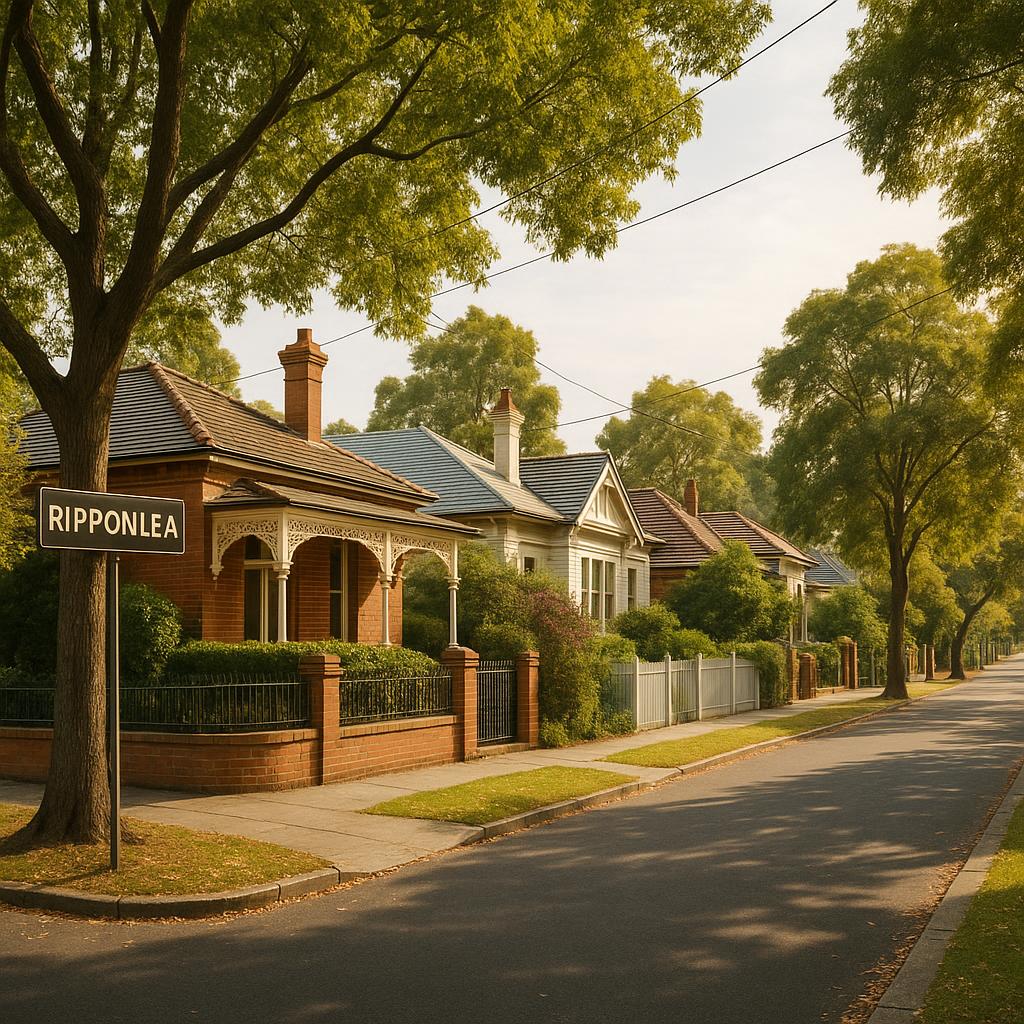
Ripponlea is a compact, established inner south-east Melbourne suburb with a refined residential feel and limited housing turnover. That small-scale character matters: in a suburb like this, buyer attention tends to concentrate on the best-located and best-presented properties, rather than on broad, suburb-wide speculation. It is a market where the exact street, dwelling type, and condition can shape outcomes materially.
For investors and homeowners, Ripponlea generally sits in the “quality of location and liveability” bucket rather than the “volume and affordability” bucket. Buyers are often drawn here after discounting busier neighbouring centres and deciding they want a calmer street environment with easy access to everyday amenity. That makes the suburb attractive, but also more selective.
Value is typically influenced by scarcity, character, and convenience. Well-kept homes with practical floorplans tend to attract the broadest demand, while properties needing major work should be assessed with discipline rather than sentiment. In a small suburb, overpaying for charm without checking maintenance and livability is a common mistake.
Buyer Demand
The core buyer pool is usually owner-occupiers, downsizers, and younger professionals who want a connected but quieter lifestyle. That mix is important because it often favours homes that are easy to live in and easy to maintain, not just properties with visual appeal.
Demand tends to strengthen for dwellings that offer a clear use case: a character home for someone wanting period appeal, a low-maintenance apartment for a time-poor buyer, or a townhouse-style option for someone trading down from a larger family home. Buyers should compare properties carefully because a premium suburb does not automatically make every listing a premium asset.
Rental Market
Ripponlea can appeal to renters who want an inner-suburb address without the busier energy of larger entertainment or retail strips. Typical tenant demand often comes from professionals, couples, and small households looking for convenience, transport access, and a manageable commute.
For investors, the strongest rental performers are usually the properties that are clean, well maintained, and easy to live in. Good natural light, storage, and sensible layouts matter. Older homes can rent well if presentation is strong, but they also carry more upkeep risk. In apartment stock, building quality and strata settings can matter as much as location.
Lifestyle, Transport & Schools
Ripponlea offers a quieter village-like atmosphere compared with larger nearby activity centres. That lifestyle is a major part of its appeal: residents can enjoy local convenience while still feeling somewhat removed from heavier traffic, denser retail, and more transient rental pockets. For many buyers, that balance is the point.
Transport access is a practical strength because nearby train and tram connections broaden the buyer and tenant pool to commuters, students, and households who prefer reduced car dependence. That can support resale appeal over time, especially for properties that are also walkable to daily amenities. Buyers should verify commute times and service frequency using current transport sources rather than relying on broad assumptions.
School access in the surrounding area can also influence family demand, even when the buyer is not currently school-aged. The key is proximity and choice, not unverified rankings. If education access matters to your strategy, check official school catchments, enrolment boundaries, and current school information before making a purchase decision.
Ripponlea Suburb Profile
Official 2021 Census snapshot for the ABS Suburbs and Localities geography.
Age profile
Housing tenure
Occupied private dwellings by tenure type.
Salary & income profile
Median total income reported in the Census.
*Annual figures are weekly median × 52 estimates, not separate ABS annual medians.
Education & qualifications
Highest educational attainment, people aged 15+.
Employment status
People aged 15+ who reported being in the labour force.
Industry of employment
Top responses among employed people aged 15 years and over.
Occupation profile
Broad occupation groups among employed residents, including managers.
Property Type Guide
- Period and heritage-style homes: Strong character appeal, but inspect carefully for maintenance, older services, and renovation constraints.
- Apartments and units: Lower-maintenance and often attractive to renters, but building quality, layout efficiency, parking, and strata health are critical.
- Townhouses or low-maintenance dwellings: A useful middle ground for buyers wanting less upkeep than a house and more space than a unit.
- Best for investors: Choose the property that best suits tenant demand, not simply the one with the prettiest façade.
- Best for homeowners: Prioritise liveability, light, storage, and long-term comfort over cosmetic features alone.
Risks & Watch-Outs
- Competition can feel intense because supply is limited and good properties are often tightly held.
- Older housing stock may require significant maintenance, even when it appears charming and well preserved.
- Some properties may have awkward floorplans, limited parking, or poor storage that weaken everyday livability.
- Apartment buyers should review strata records, building condition, and ongoing costs before relying on location alone.
- Do not assume the suburb’s reputation will overcome a flawed dwelling; property-specific issues still dominate outcomes.
Nearby Suburbs to Compare
- Elsternwick VIC Property Market Guide: Buyers & Investors
- St Kilda East VIC Property Market Guide: Buyers & Investors
- Balaclava VIC Property Market Guide: Buyers & Investors
- Caulfield North VIC Property Market Guide: Buyers & Investors
- Armadale VIC Property Market Guide: Buyers & Investors
FAQ
Is Ripponlea a good suburb for buyers?
It can be a strong choice for buyers who value character, convenience, and a quieter residential feel. The key is to match the property type to your needs, because a great suburb cannot fix a poor floorplan, weak maintenance, or unsuitable building quality.
Is Ripponlea a good suburb for investors?
It can suit investors who want stable lifestyle-driven demand from professionals, couples, and smaller households. The best results usually come from low-maintenance, well-presented dwellings with strong tenant appeal. Avoid assuming every property will perform equally well just because the suburb is desirable.
What type of property is best in Ripponlea?
There is no single best option. Period homes suit character-focused buyers, apartments suit convenience and lower upkeep, and townhouses can appeal to those wanting a middle ground. Your strategy should reflect whether you prioritise liveability, rental simplicity, or long-term family use.
What should buyers inspect most carefully?
Focus on building condition, renovation scope, parking, storage, natural light, and practical floorplan flow. If the property is an apartment, review strata documents and any ongoing works or levies. These factors often matter more than the suburb label when assessing real value.
How does Ripponlea compare with nearby suburbs?
Ripponlea is typically smaller and more tightly held than larger nearby suburbs, which can make it feel calmer and more selective. In comparisons, buyers should weigh streetscape character, commute convenience, property choice, and maintenance burden rather than using price or prestige alone as the deciding factor.
Conclusion
Ripponlea is a niche, tightly held suburb with strong appeal for buyers who want convenience, character, and a more measured residential environment. It can work well for homeowners and investors, but only if the property itself is sound. In this market, the right dwelling type and condition matter as much as the location.
Sources & How to Verify
- Check current sold evidence on Domain so you can compare real listings and recent results rather than rely on broad suburb impressions.
- Review live listings and rental asking prices on realestate.com.au to understand what is actually available in Ripponlea today.
- Use the Property Value platform as a cross-check for market context, but verify against current comparable sales before making decisions.
- Confirm zoning, overlays, and planning constraints through Victorian Planning if you are considering renovations, extensions, or redevelopment.
- Check school zones and local education options using the official Find My School tool rather than relying on hearsay or outdated forum comments.
- Verify train and tram access through Public Transport Victoria because service patterns and travel times can change.
- Inspect council planning and local amenity details via the City of Stonnington site if you want current local policy and community information.
- Always confirm any property-specific condition, title, or strata issue with the relevant documents, because suburb-level research cannot replace due diligence on the actual dwelling.