Quick Answer
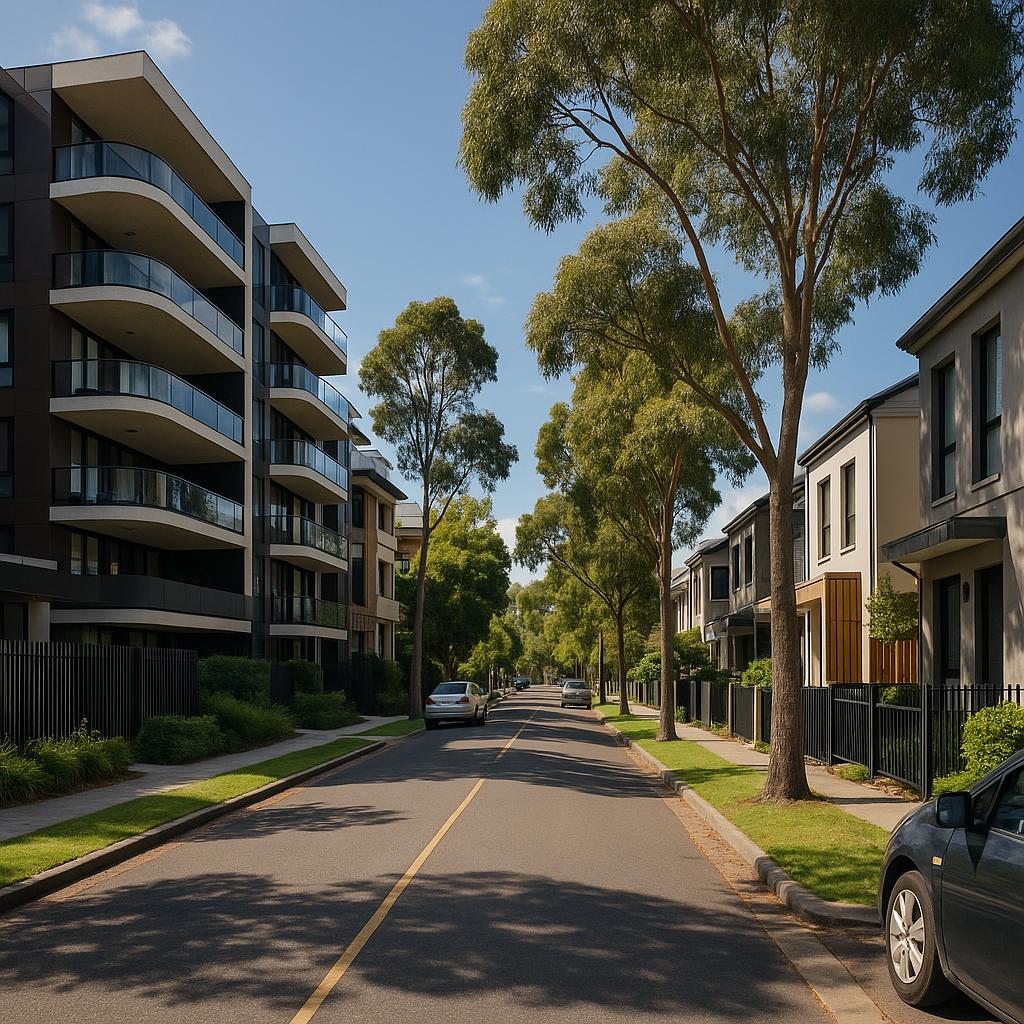
Maribyrnong is an inner-west Melbourne suburb that suits buyers and investors who want CBD access, strong everyday amenity, and a mix of apartments, townhouses, and family homes. It tends to appeal to first-home buyers, downsizers, and investors because the location is practical rather than purely lifestyle-led. The main decision is not whether Maribyrnong is “good”, but which pocket and dwelling type best match your budget, risk tolerance, and long-term exit strategy.
Key Takeaways
- Maribyrnong offers inner-west convenience, which supports broad appeal from owner-occupiers and renters across different life stages.
- Housing choice matters here: apartments, townhouses, and detached homes behave differently on price, holding costs, and resale depth.
- Buyers should compare street-by-street amenity, building quality, and access to parks, shops, and transport before making an offer.
- Investors can benefit from flexible tenant demand, but body corporate costs and building condition need close scrutiny.
- The suburb rewards practical due diligence because lower-lying areas, traffic exposure, and apartment quality can materially affect outcomes.
Pros & Cons
Pros
- Strong lifestyle convenience with shopping, parks, river trails, and day-to-day services close by.
- Good inner-west positioning for commuters who want relatively direct access to the CBD and surrounding employment hubs.
- Diverse stock can suit different strategies, from low-maintenance investing to longer-term family ownership.
Cons
- Managed complexes can carry higher ongoing costs and less control over future expenses.
- Some pockets are more exposed to traffic, parking pressure, or noise than buyers expect.
- Flood awareness and building-specific issues require careful checks, especially near lower-lying land and in dense apartment areas.
Market Overview
Maribyrnong sits in Melbourne’s inner west and functions as a mixed market rather than a single-price, single-buyer suburb. That matters because a riverside apartment, a townhouse near daily amenity, and a family house on a quieter street can attract completely different buyers and command different levels of competition.
The suburb’s appeal is built on convenience, established amenity, and a housing mix that still offers options for both entry-level and move-up purchasers. In practice, that means market performance is often driven by micro-location, building quality, and how well a property fits a clear buyer use case.
For example, a young professional may prioritise low-maintenance living and commute ease, while a family may trade convenience for space, privacy, and a better backyard. That split is useful for investors too: the best-performing stock is usually the property that solves a specific need clearly.
Buyer Demand
Demand in Maribyrnong is typically supported by first-home buyers, young professionals, couples, families, downsizers, and investors. The suburb’s value proposition is practical: it offers inner-suburban access without the price and congestion profile of some closer-in blue-chip areas.
Buyer behaviour tends to be feature-led. Entry buyers often chase transport and low upkeep; families want room, streetscape, and school access; downsizers prioritise security and convenience; investors look for layouts that lease easily and hold broad tenant appeal.
Rental Market
Maribyrnong generally suits investors who want a broad renter base rather than a niche one. Apartments and townhouses close to amenity can be particularly attractive to professionals and smaller households who value convenience, manageable upkeep, and straightforward commuting.
For leasing performance, the details matter more than the postcode. Practical floor plans, good natural light, secure parking, storage, and sensible management usually matter more than cosmetic finishes alone. Investors should also include strata levies and maintenance risk in their return calculations, not just headline rent.
Lifestyle, Transport & Schools
Maribyrnong’s lifestyle appeal comes from its balance of urban convenience and outdoor relief. Parks, river-side recreation, and shopping access make it feel functional for busy households, while still giving residents places to walk, exercise, and unwind without leaving the area.
Transport access is a major part of the suburb’s value. Buyers should verify train, tram, and bus options directly, then test peak-hour drive times and parking conditions from the exact property. In an inner-west suburb, transport quality influences both liveability and resale liquidity.
School demand can also shape buyer activity, especially for family homes and townhouses. Families usually look beyond a suburb name and check catchments, travel time to school, childcare convenience, and whether the surrounding streets feel practical for daily routines.
Maribyrnong Suburb Profile
Official 2021 Census snapshot for the ABS Suburbs and Localities geography.
Age profile
Housing tenure
Occupied private dwellings by tenure type.
Salary & income profile
Median total income reported in the Census.
*Annual figures are weekly median × 52 estimates, not separate ABS annual medians.
Education & qualifications
Highest educational attainment, people aged 15+.
Employment status
People aged 15+ who reported being in the labour force.
Industry of employment
Top responses among employed people aged 15 years and over.
Occupation profile
Broad occupation groups among employed residents, including managers.
Property Type Guide
- Apartments: Best for buyers wanting lower maintenance and stronger affordability relative to houses. Check strata fees, building condition, aspect, noise, and internal layout.
- Townhouses: Often the middle ground for families, professionals, and downsizers. Focus on usability, parking, storage, privacy, and how much outdoor space is actually functional.
- Detached houses: Best for long-term owners who value land, privacy, and renovation flexibility. Inspect for land usability, upkeep, and street exposure.
- Investor angle: The most liquid stock is usually the property type that is easy to lease, easy to maintain, and broadly acceptable to future buyers.
Risks & Watch-Outs
- Lower-lying areas near waterways can warrant flood and drainage checks before you commit.
- Apartment complexes may hide quality issues behind fresh presentation, so inspect the building fabric as well as the finishes.
- Body corporate levies, special levies, and management rules can materially affect net returns and resale flexibility.
- Traffic exposure and parking pressure can reduce day-to-day comfort and narrow buyer appeal in busier pockets.
- Renovations that look impressive but do not improve layout, light, or function may not translate into resale value.
Nearby Suburbs to Compare
- Ascot Vale
- Flemington
- Kensington
- Brunswick West
- Footscray
- Braybrook
FAQ
Is Maribyrnong good for first-home buyers?
It can be, especially for buyers who want inner-west access and manageable living costs relative to more premium nearby suburbs. The key is to compare apartments and townhouses carefully, because building quality, fees, and layout can change value more than the suburb name alone.
Is Maribyrnong a good suburb for investors?
Often yes, if the property has broad tenant appeal and sensible holding costs. Investors should focus on low-friction dwellings, good transport access, practical layouts, and strata due diligence. Avoid assuming all apartments will lease equally well or produce similar net returns.
What types of homes are common in Maribyrnong?
You’ll typically see a mix of apartments, townhouses, and detached houses, with the balance varying by pocket. That mix creates different buyer markets within the suburb, so a property near retail and transport may perform differently from one on a quieter residential street.
Are there risks with buying near the river?
Yes, buyers should verify flood mapping, drainage, and any relevant planning overlays before proceeding. Proximity to water and lower-lying land can add lifestyle value, but it also increases the importance of property-specific due diligence and sensible insurance checks.
How does Maribyrnong compare with nearby inner-west suburbs?
It is often viewed as a practical inner-west option with strong amenity and varied housing stock. Nearby suburbs may offer more prestige, more urban intensity, or different price dynamics, so comparisons should be based on commute, dwelling type, and lifestyle priorities.
Conclusion
Maribyrnong is best approached as a suburb of pockets, not a one-size-fits-all market. For buyers, the right property type and street matter more than broad labels. For investors, the strongest opportunities usually come from well-located, easy-to-maintain dwellings that suit real tenant demand and protect resale flexibility.
Sources & how to verify
- Check current listings and recent sold evidence on Domain so you are not relying on outdated price assumptions.
- Use realestate.com.au to compare supply, asking rents, property mix, and how quickly similar homes are being advertised.
- Review local planning and zoning information on City of Melbourne or the relevant planning authority to confirm overlays and development constraints.
- Confirm flood, drainage, and land risk information through Water Victoria and any available mapping tools before making assumptions about a site.
- Check school catchments and enrolment information using the Victorian education department’s official resources rather than relying on informal claims.
- Verify transport routes, service frequency, and planned network changes through Public Transport Victoria so commute expectations match reality.
- Ask the selling agent or body corporate for building reports, minutes, and levy history if you are buying an apartment or townhouse, because strata risk is often hidden in documents.
- Cross-check local amenity claims by inspecting the property at different times of day, since noise, parking, and traffic can change materially between weekday and weekend use.