Quick Answer
Docklands is best suited to buyers who want apartment living close to the CBD, strong tram access, and a low-maintenance lifestyle rather than a traditional suburban house-and-land profile. For investors, the key is not the postcode alone but the building: layout, aspect, strata costs, maintenance, and tenant appeal matter more than headline waterfront branding. It can work well for professionals, downsizers, and city commuters, but families seeking space, yards, and a stronger community feel will often find better value elsewhere.
Key Takeaways
- Docklands is an apartment-led precinct, so buyers should assess building quality, not just location appeal.
- Its strongest demand comes from CBD-adjacent convenience, walkability, and low-maintenance living preferences.
- Investor outcomes depend heavily on strata costs, floor plan efficiency, and how broadly the apartment appeals.
- Some pockets can feel quieter outside office hours, which matters for both residents and resale depth.
- Compare Docklands with nearby inner-Melbourne suburbs before buying, especially if you want more character or land content.
Pros & Cons
Pros
- Close to the CBD with strong convenience for work and city access.
- Modern apartments and waterfront amenity suit lock-and-leave living.
- Low-maintenance ownership is attractive for busy owners and investors.
Cons
- Limited detached housing and little traditional suburban feel.
- Apartment quality, strata fees, and building reputation vary widely.
- Some areas can feel exposed, windier, or quieter after business hours.
Market Overview
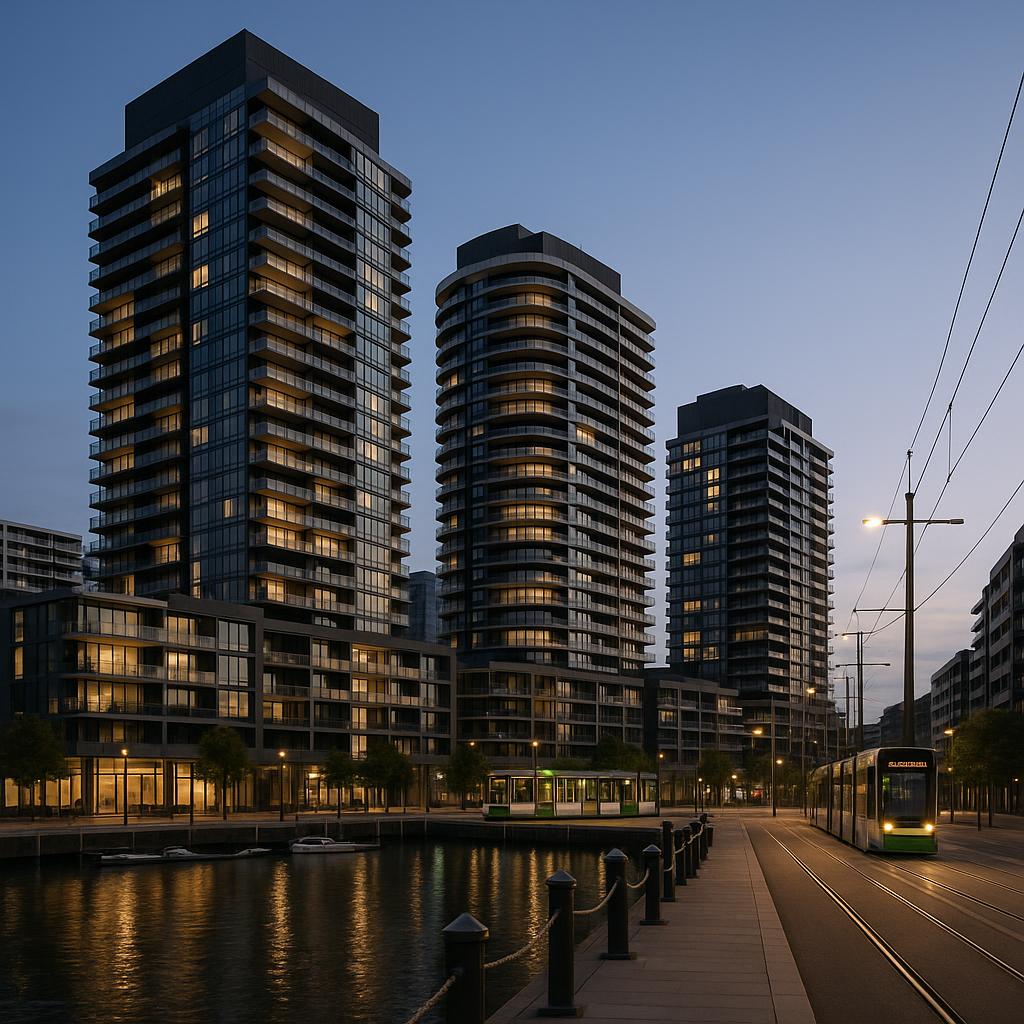
Docklands is an inner-Melbourne waterfront precinct just west of the CBD, but it behaves more like a high-density urban district than a classic suburb. That matters because the strongest outcomes usually come from choosing the right apartment in the right building, not simply buying into the area name.
The market is dominated by strata-managed apartments, so buyers should focus on floor plan usability, natural light, aspect, security, car parking, and the reputation of the building. In precinct-style markets like Docklands, two similar-sized apartments can perform very differently if one has a better outlook, better ventilation, and lower owners corporation complexity.
For homeowners, Docklands is often about convenience and lifestyle; for investors, it is about keeping the asset broadly usable so it remains competitive with other nearby apartment stock. That makes verification essential: inspect the building, review strata records, and compare the apartment against alternatives in the broader inner-Melbourne market.
Buyer Demand
Buyer demand is typically strongest from professionals, downsizers, first-home buyers wanting proximity to the city, and investors seeking low-maintenance stock. The common thread is practicality: people are choosing Docklands because it reduces commute friction and supports an urban lifestyle.
Demand is supported by the precinct’s waterfront setting, tram access, retail, dining, and modern building stock. However, the buyer pool is narrower than in more established family suburbs, so properties with awkward layouts, poor light, or heavy strata burdens can be harder to sell and may attract more price resistance.
Rental Market
Docklands generally appeals to tenants who value convenience over space, especially city workers, younger professionals, and some students. That tenant profile tends to prefer well-designed apartments with good storage, natural light, and reliable building management rather than flashy but impractical layouts.
For investors, the rental strategy should be simple: choose an apartment that is easy to lease, easy to maintain, and easy to explain to prospective tenants. The best-performing stock is usually the property that feels comfortable and functional day to day, because that broadens the tenant pool and supports lower vacancy risk.
Lifestyle, Transport & Schools
Docklands offers a waterfront, city-fringe lifestyle with promenades, retail, cafes, entertainment, and a strong “newer Melbourne” feel. That is a major selling point for buyers who want convenience and amenity without the upkeep of a house.
Transport is a core strength. Tram access supports easy trips into the CBD and surrounding inner areas, and many residents also walk to work or to central destinations. This convenience underpins both owner-occupier appeal and rental demand, especially for people with regular city-based routines.
On schools, Docklands is not primarily a family-house suburb, so buyers with children should test the practicality of their daily school commute, drop-off routines, and after-school logistics. If school access matters, verify local catchments and enrolment rules through official government sources rather than assuming nearby convenience equals a straightforward school outcome.
Docklands Suburb Profile
Official 2021 Census snapshot for the ABS Suburbs and Localities geography.
Age profile
Housing tenure
Occupied private dwellings by tenure type.
Salary & income profile
Median total income reported in the Census.
*Annual figures are weekly median × 52 estimates, not separate ABS annual medians.
Education & qualifications
Highest educational attainment, people aged 15+.
Employment status
People aged 15+ who reported being in the labour force.
Industry of employment
Top responses among employed people aged 15 years and over.
Occupation profile
Broad occupation groups among employed residents, including managers.
Property Type Guide
- One-bedroom apartments: Usually best for entry-level buyers or investors chasing broad tenant appeal, but layout quality matters more than size alone.
- Two-bedroom apartments: Often the most versatile option for resale and leasing because they suit singles, couples, sharers, and downsizers.
- Larger apartments: Can appeal to owner-occupiers seeking more space, but compare carefully against established inner-city suburbs if you want premium depth.
- Premium/high-level residences: Best when the outlook, natural light, and building quality justify the premium; views alone are not enough.
- What to assess: Check floor plan efficiency, storage, aspect, ventilation, car parking, owners corporation fees, and common-area upkeep.
Risks & Watch-Outs
- Apartment oversupply in some segments can limit price growth and make resale competition tougher.
- Strata costs and special levies can change the real affordability of a Docklands purchase.
- Poor natural light, awkward layouts, or weak privacy can reduce both rental and owner-occupier appeal.
- Some buildings have maintenance or water-ingress issues, so records and inspections matter.
- Waterfront branding can distract buyers from practical issues like noise, exposure, and ongoing holding costs.
Nearby Suburbs to Compare
- Melbourne VIC Property Market Guide: Buyers & Investors
- Southbank
- West Melbourne
- Port Melbourne VIC Property Market Guide: Buyers & Investors
- South Melbourne VIC Property Market Guide: Buyers & Investors
FAQ
Is Docklands good for first-home buyers?
It can be, if you want apartment living near the CBD and accept strata ownership. It is less suitable if you want a backyard, a traditional street-based suburb, or a more established community feel. Focus on floor plan, costs, and long-term liveability.
Is Docklands good for investors?
It can work well for investors who select the right apartment and manage risk properly. The main considerations are building quality, tenant appeal, strata fees, and vacancy risk. A strong location alone will not compensate for a poor layout or weak building reputation.
What type of property performs best in Docklands?
The most versatile stock is usually a well-designed one- or two-bedroom apartment with good natural light, sensible storage, secure access, and practical parking where relevant. Broad appeal matters more than novelty, especially in a market with many similar apartments.
Is Docklands family-friendly?
It can suit some families, but it is not the easiest fit for buyers wanting land, multiple living zones, and a classic suburban rhythm. Families should assess school logistics, outdoor space, noise, and the day-to-day practicality of apartment living before committing.
What should I check before buying in Docklands?
Review the strata records, owners corporation costs, building maintenance history, floor plan, aspect, ventilation, and security. Then compare the apartment with similar stock in nearby suburbs so you can judge whether the property offers real value or just strong marketing.
Conclusion
Docklands is a precinct for buyers who value convenience, modern apartment living, and a CBD-adjacent lifestyle. It can be a smart choice when the building, layout, and holding costs line up with your goals. The key is to buy selectively, compare widely, and treat the apartment as the investment—not just the suburb.
Sources & how to verify
- Check current listings and recent sold evidence on Domain so you can compare actual Docklands apartments rather than relying on general market commentary.
- Use realestate.com.au to review rental listings, floor plans, and building patterns that may indicate tenant demand and stock depth.
- Confirm tram routes, service changes, and network access on Public Transport Victoria before assuming commute convenience from a map alone.
- Review precinct and planning context through City of Melbourne to understand nearby development activity and local amenity changes.
- Verify population, household, and dwelling characteristics on ABS to avoid guessing at the suburb’s demographic profile.
- Check school zones and enrolment details via Find My School because catchments and eligibility can change and should be confirmed directly.
- Inspect owners corporation records, building reports, and any special levy history before buying, as strata issues can materially affect long-term holding costs.
- Cross-check every investment assumption against recent comparable sales, not headline asking prices, because asking prices can be aspirational rather than realistic.