Quick Answer
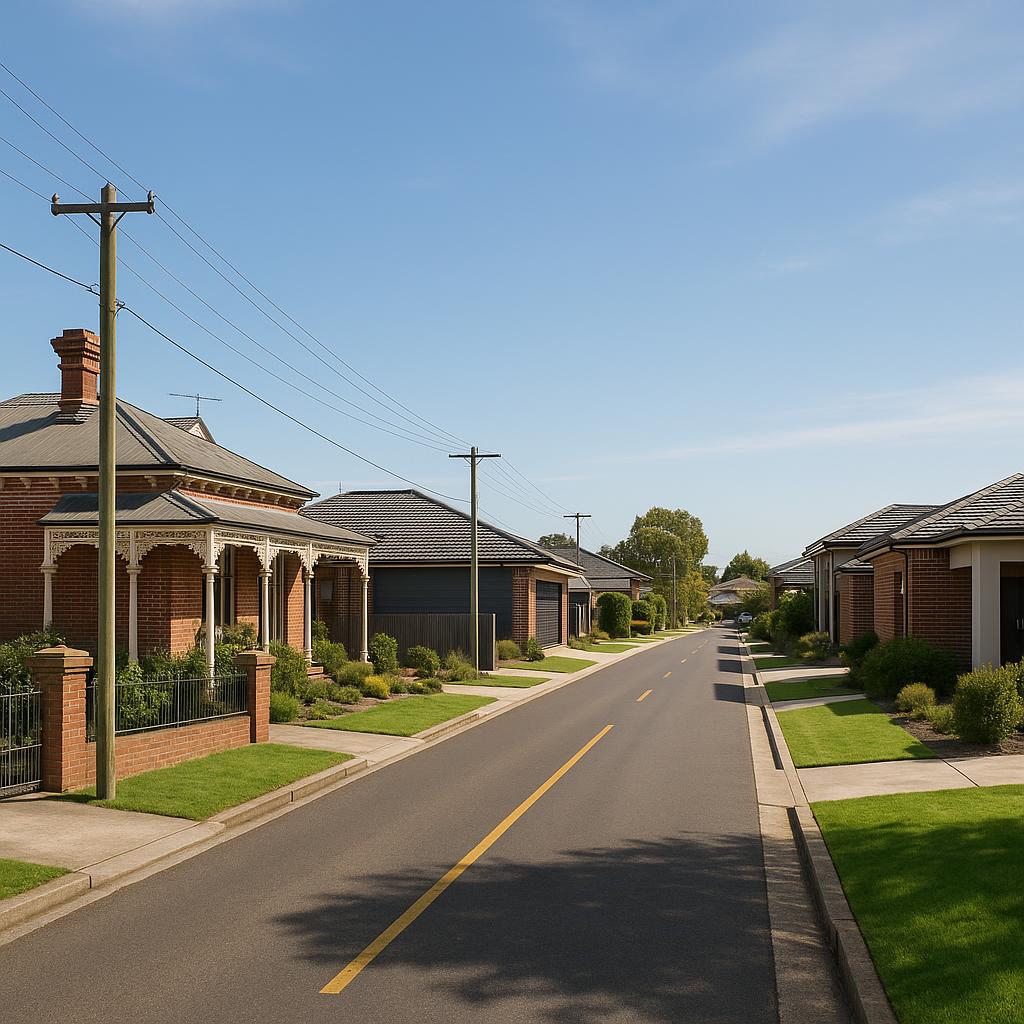
Ballarat is a large regional city market that can work well for both homeowners and investors if you match the property to the right pocket and buyer profile. It typically suits people seeking more space than metro Melbourne, with options ranging from character homes near established amenities to lower-maintenance newer dwellings in growth areas. The strongest results usually come from buying for liveability, tenant appeal, and long-term practicality rather than chasing the broad “Ballarat” label.
Key Takeaways
- Ballarat is best assessed as a collection of distinct pockets, not one uniform market.
- Established areas often appeal to buyers wanting character, convenience, and mature streetscapes.
- Newer estates can suit buyers who prioritise lower maintenance and straightforward living.
- Rental demand tends to favour practical homes near transport, services, and everyday amenities.
- Street quality, property condition, and local amenity access matter more than broad suburb branding.
Pros & Cons
Pros
- Regional-city lifestyle with a broader housing choice than many metro alternatives.
- Multiple buyer profiles can support demand, including families, commuters, downsizers, and investors.
- There are options for both character-led ownership and more practical low-maintenance living.
Cons
- Performance can vary sharply between pockets, so a poor location choice can dilute outcomes.
- Older homes may bring hidden maintenance, heating, and efficiency costs.
- Some newer estates trade proximity and character for convenience and easier upkeep.
Market Overview
Ballarat sits in the broad regional Victoria market, with a mix of inner-established housing, family-friendly growth areas, and quieter fringe pockets. That diversity is the point: a central period home, a renovated worker’s cottage, and a newer estate house can each attract a different buyer and tenant profile.
For buyers and investors, the practical question is not “Is Ballarat good?” but “Which Ballarat pocket and property type suits my goal?” Inner areas tend to reward amenity and character, while outer areas often suit those prioritising newer housing and simpler upkeep. Verification matters here: compare the exact street, surrounding stock, and likely resale audience.
As a city-wide market, Ballarat can offer a useful blend of lifestyle and value, but the strongest purchase is usually the one that aligns with the local micro-market. Think in terms of walkability, maintenance, commute convenience, and who the next buyer or tenant will be.
Buyer Demand
Demand in Ballarat is usually shaped by a mix of owner-occupiers and investors rather than a single dominant buyer group. First-home buyers often seek entry-level value, families look for space and practical amenity access, and downsizers want manageable homes that still feel liveable and connected.
For investors, the key is to target property types that have broad appeal: well-kept homes, sensible layouts, adequate parking, and location convenience. A property that appeals to a wide tenant pool is usually more resilient than one that depends on a narrow lifestyle niche.
Rental Market
The rental market generally favours properties that are easy to maintain, easy to heat, and easy to live in. Tenants often prioritise functionality over flash: good layout, off-street parking where available, outdoor space, and a home that presents cleanly from day one.
Older rentals can still perform well if they are well presented and well located, but investors should budget realistically for upgrades and ongoing maintenance. If a home feels cheap to buy yet expensive to hold, the rental case weakens quickly. Check current listings and recent leased properties in the exact pocket before relying on broad assumptions.
Lifestyle, Transport & Schools
Ballarat’s lifestyle appeal comes from its regional-city character, heritage streetscapes, and the ability to access urban services without full metro density. Many residents value the balance between local amenity, family-friendly spaces, and a more spacious residential feel than inner Melbourne.
Transport convenience is highly location dependent. Access to key roads and rail connections can materially improve both liveability and tenant appeal, especially for commuters or households balancing work across multiple centres. If commute practicality matters to you, test travel times at the times you would actually travel.
Schools and education access matter for family buyers and for rental demand in family-oriented pockets. Rather than relying on generic reputation, confirm the relevant catchments, enrolment requirements, and travel routes directly with schools and official sources. That extra step can save you from buying in the wrong pocket for your intended use.
Ballarat Central Suburb Profile
Official 2021 Census snapshot for the ABS Suburbs and Localities geography.
Age profile
Housing tenure
Occupied private dwellings by tenure type.
Salary & income profile
Median total income reported in the Census.
*Annual figures are weekly median × 52 estimates, not separate ABS annual medians.
Education & qualifications
Highest educational attainment, people aged 15+.
Employment status
People aged 15+ who reported being in the labour force.
Industry of employment
Top responses among employed people aged 15 years and over.
Occupation profile
Broad occupation groups among employed residents, including managers.
Property Type Guide
- Older character homes: Often suit buyers who want established streets, charm, and closer amenity access, but maintenance and energy efficiency need scrutiny.
- Family homes on larger blocks: Can suit long-term owner-occupiers and families wanting flexibility, though gardens and upkeep add to holding effort.
- Townhouses and low-maintenance dwellings: Often appeal to downsizers, professionals, and investors who value easier upkeep and broader tenant appeal.
- Newer estate homes: Usually offer modern layouts and lower immediate maintenance, but check how far they sit from core amenities.
- Renovator stock: Can create value if the bones are sound, but only if the renovation budget and end buyer are both realistic.
Risks & Watch-Outs
- Not every Ballarat pocket behaves the same, so avoid treating the city as a single comparable market.
- Older homes can hide costly issues in roofing, plumbing, insulation, moisture, or heating performance.
- A property may look appealing but still mismatch the local buyer or tenant pool if layout or location is poor.
- Nearby development, traffic changes, or amenity shifts can affect streetscape quality and long-term appeal.
- Investors should factor in vacancy, maintenance, insurance, and compliance costs rather than focusing only on purchase price.
Nearby Suburbs to Compare
When comparing Ballarat, it helps to also review nearby or comparable regional and outer-metro markets that may better suit a specific strategy. Useful comparisons from the available Proptywise library include Geelong, Melton, Sunbury, Pakenham, and Berwick.
These comparisons can help you separate “regional lifestyle” from “commuter growth” and “established premium” positioning. Even if Ballarat is your preferred target, cross-checking against these markets can clarify whether your budget is better placed in character housing, newer stock, or a different growth corridor.
FAQ
Is Ballarat a good place to buy a house?
It can be, if you choose the right pocket and property type for your goal. Ballarat suits buyers who want regional-city living, more space than many metro alternatives, and a property strategy based on liveability rather than short-term speculation. Always compare streets, condition, and access.
Is Ballarat good for property investors?
Yes, provided you focus on tenant-friendly features and broad appeal. Investors should prioritise practical layouts, accessible locations, low-maintenance finishes, and good presentation. The strongest rental outcome usually comes from homes that are easy to occupy and easy to maintain, not just cheap to buy.
What type of property is safest in Ballarat?
“Safest” depends on your risk tolerance, but many buyers prefer well-located homes with straightforward layouts and manageable maintenance. That may be a renovated older home, a townhouse, or a newer dwelling in a convenient area. The key is matching property type to your holding plan.
Should I buy in an established area or a newer estate?
Established areas often offer character, mature amenity, and strong owner-occupier appeal, while newer estates usually provide easier upkeep and modern layouts. Your choice should depend on whether you value location and charm or simplicity and lower maintenance. Check each pocket’s resale audience before deciding.
What should I verify before purchasing in Ballarat?
Confirm the exact street context, property condition, zoning or planning issues, commute practicality, and local amenity access. Then compare recent comparable sales and current rentals in the same type of pocket. Ballarat is too varied to buy confidently on a city-wide headline alone.
Conclusion
Ballarat can be a strong regional choice for both homeowners and investors, but only if you buy with a suburb-level lens. The best outcomes usually come from matching the property type to the right pocket, then pressure-testing demand, maintenance, and liveability before you commit. If you do that, Ballarat offers genuine flexibility.
Sources & How to Verify
- Check recent comparable sales on realestate.com.au Sold so you can compare the exact pocket, property type, and condition rather than relying on broad suburb commentary.
- Review active rentals on Domain Rentals to see what is currently competing for tenants and how presentation affects asking rent.
- Use City of Ballarat for planning, local services, and place-based information that may affect future development or amenity.
- Check official zoning and planning controls through Planning Victoria before assuming an upgrade, extension, or redevelopment path is straightforward.
- Confirm school details, enrolment boundaries, and practical access through the relevant school or Find My School rather than relying on hearsay.
- Verify rail and coach options on Public Transport Victoria because commute convenience can materially alter buyer and tenant demand.
- Cross-check demographic and household trends on ABS to understand the broader resident profile, but do not use it as a substitute for local inspection.
- Speak with at least two local agents and inspect multiple streets, because Ballarat’s value can change meaningfully from one pocket to the next.