Quick Answer
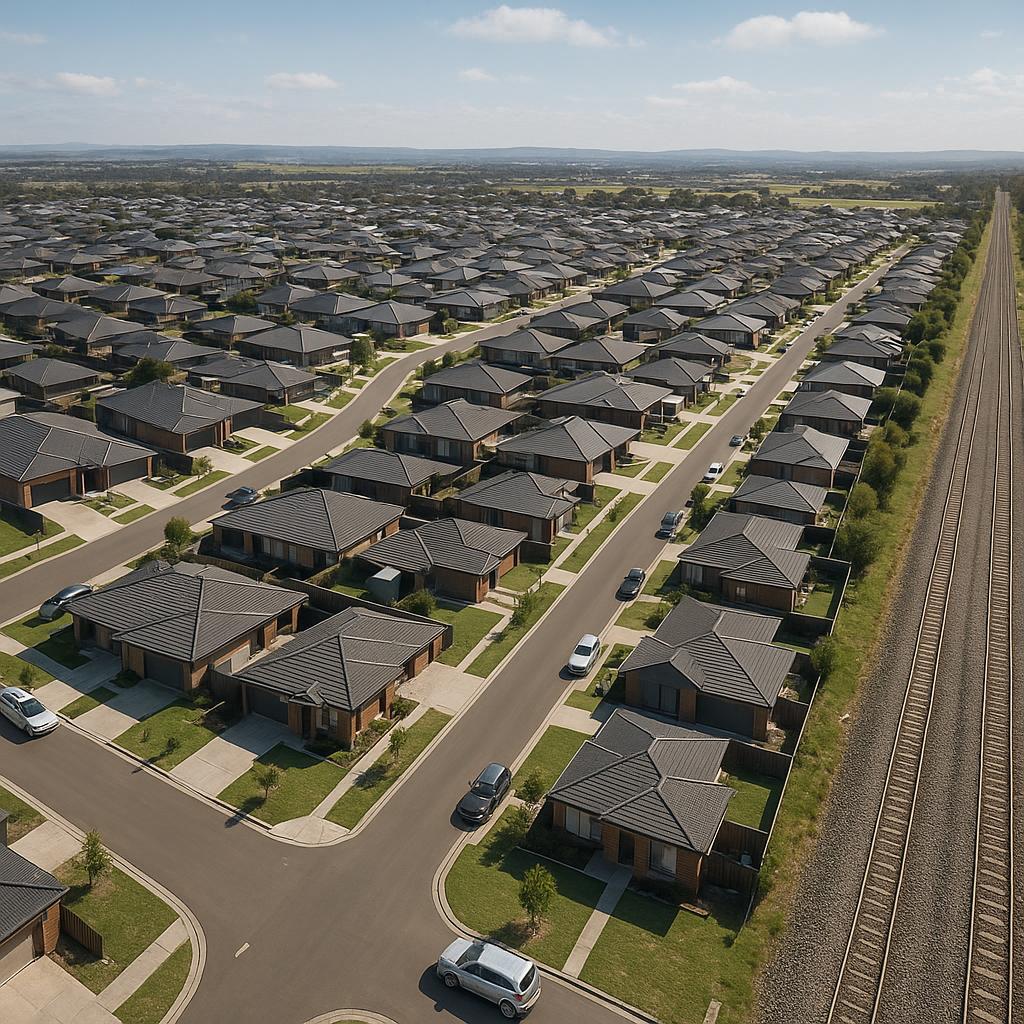
Pakenham is a growth-oriented outer south-east Melbourne suburb that suits first-home buyers, families and long-term investors who want more house for the money. It is generally valued for newer housing, practical amenity and rail access, but outcomes vary sharply by pocket, estate quality and proximity to transport. Buyers should compare established streets with newer estates, then verify current sale and rental evidence before making a decision.
Key Takeaways
- Pakenham’s appeal is built on value, space and everyday functionality rather than inner-suburban prestige.
- Buyers often prioritise train access, family housing and estate quality when comparing pockets.
- Investors should focus on broad tenant appeal, low-maintenance layouts and strong access to services.
- New supply can weaken scarcity in some segments, so street-by-street due diligence matters.
- The best purchase is usually the one that matches your commute, hold period and exit strategy.
Pros & Cons
Pros
- More space and newer housing options than many inner Melbourne suburbs
- Family-friendly amenity with a practical, everyday-living feel
- Train line access that supports commuter demand
Cons
- Commutes can still be long, especially if you drive for part of the journey
- Some pockets are more car-dependent and less walkable
- New estate supply can reduce scarcity and increase competition
Market Overview
Pakenham sits in Melbourne’s south-east growth corridor and is commonly viewed as a value-for-space suburb. It combines newer estates, established family homes and pockets of low-rise development, which means the market is not uniform and pocket choice matters.
For buyers, that means the same budget can produce very different outcomes depending on whether you buy in a newer estate, an older street or a location closer to transport and services. For investors, the key question is less “Is Pakenham good?” and more “Which part of Pakenham suits my tenant and resale strategy?”
The suburb’s market character is shaped by affordability relative to many Melbourne alternatives, family-oriented demand and ongoing development across the corridor. To verify current momentum, compare recent comparable sales, new listings and rental availability in the exact pocket you are targeting.
Buyer Demand
Pakenham typically attracts first-home buyers, young families, upgraders seeking more bedrooms and yard space, and investors looking for a commuter-friendly tenant base. Some downsizers also consider low-maintenance homes near services.
Demand is strongest for properties that are move-in ready, practical and easy to live in. A four-bedroom home near schools and parks will usually appeal differently from a townhouse near the station, so buyers should match property type to the likely next buyer pool, not just their own preferences.
Rental Market
The rental market is usually supported by tenants who want affordable family housing, train access and a straightforward daily routine. That makes Pakenham appealing for households that value space, parking and proximity to shopping, education and transport.
Investors should weigh tenant convenience more heavily than cosmetic features. A low-maintenance home with good heating and cooling, sensible bedroom count and easy access to amenities will often be easier to rent than a larger but less practical property.
Lifestyle, Transport & Schools
Pakenham offers a practical suburban lifestyle with parks, open space, local shopping and a community-focused feel. That combination often suits families who want room to spread out without moving too far from everyday services.
Transport is a major decision driver here. Train access is a genuine advantage for commuters, while road access matters for those who drive part or all of the way to work. Buyers should assess how the commute actually works at peak time, not just on a map.
Schools, childcare and sporting facilities matter strongly in this suburb because many purchasers are buying for long-term family use. Always confirm current school zones and enrolment requirements directly with official sources, as catchments can influence both owner-occupier demand and rentability.
Pakenham Suburb Profile
Official 2021 Census snapshot for the ABS Suburbs and Localities geography.
Age profile
Housing tenure
Occupied private dwellings by tenure type.
Salary & income profile
Median total income reported in the Census.
*Annual figures are weekly median × 52 estimates, not separate ABS annual medians.
Education & qualifications
Highest educational attainment, people aged 15+.
Employment status
People aged 15+ who reported being in the labour force.
Industry of employment
Top responses among employed people aged 15 years and over.
Occupation profile
Broad occupation groups among employed residents, including managers.
Property Type Guide
- Houses: Usually best for families and long-term holders who want the widest buyer appeal and land component.
- Townhouses: Often suit first-home buyers, investors and downsizers wanting lower maintenance and a simpler lifestyle.
- House-and-land/new builds: Attractive for buyers seeking modern layouts and low initial upkeep, but compare inclusions and estate timing carefully.
- Established homes: Can offer better location advantages or larger blocks, but may require more maintenance and upgrades.
- Best selection rule: Prioritise location, layout and likely future buyer demand before cosmetic appeal.
Risks & Watch-Outs
- Not every pocket performs the same, so avoid treating Pakenham as a single market.
- Some streets may be more car-dependent, which can reduce convenience and resale appeal.
- Flooding, drainage or nearby noise sources should be checked before committing to a purchase.
- New estate supply can create competition between sellers and landlords in similar product types.
- Buying on price alone can lead to weaker long-term outcomes if the pocket is inferior.
Nearby Suburbs to Compare
- Berwick VIC Property Market Guide: Buyers & Investors
- Officer
- Beaconsfield
- Narre Warren VIC Property Market Guide: Buyers & Investors
- Clyde North
FAQ
Is Pakenham good for first-home buyers?
Yes, it can be a strong first-home-buyer option if you want more space and a family-friendly layout without targeting inner-ring Melbourne. The key is comparing estate quality, transport access and ongoing costs, then checking whether the property still works if your circumstances change.
Is Pakenham a good suburb for investors?
It can be, provided you buy for tenant demand rather than headline yield alone. Focus on properties with broad appeal: practical bedrooms, secure parking, low maintenance and access to transport and services. Also compare new supply in nearby estates before assuming scarcity.
What type of property performs best in Pakenham?
There is no single winner. Houses often suit family buyers and long-term holders, while townhouses and compact homes can be easier to rent and maintain. The best-performing asset is usually the one that fits the strongest local demand in its exact pocket.
Which parts of Pakenham are best?
That depends on your goal. Buyers who prioritise convenience may prefer areas closer to transport and services, while families may value quiet streets near parks and schools. Always compare exact streets, estate design, access and drainage rather than relying on suburb-wide impressions.
Is Pakenham better for living or investing?
It can suit both. Owner-occupiers often value the space, practicality and family lifestyle, while investors may like the commuter demand and broad tenant base. The better choice depends on whether you need personal liveability, capital growth potential, rental demand or a balanced mix.
Conclusion
Pakenham is a practical, growth-led suburb that tends to reward buyers who understand pocket-level differences. It is strongest when you want value, space and everyday convenience, and when you choose a property that matches your hold period and exit strategy. For both homeowners and investors, careful comparison is the real edge.
Sources & how to verify
- Check current sold results on Domain to confirm whether recent comparable sales support the price range you are considering.
- Review active rental listings on realestate.com.au so you can compare asking rents, property features and tenant competition in the suburb.
- Use the Australian Bureau of Statistics to check updated demographic and household data before assuming the suburb’s buyer profile has stayed the same.
- Confirm zoning, planning controls and development activity through Planning Victoria so you know whether nearby supply or restrictions could affect your purchase.
- Check current train, bus and service information on Public Transport Victoria to verify how practical the commute is at the times you actually travel.
- Look up official school zone information on Find My School because catchments can materially affect both demand and family liveability.
- Review council planning and local project updates on Cardinia Shire Council to understand infrastructure, amenity and local development priorities.
- For flood, drainage and other location-specific risks, check the relevant Victorian government maps and reports before relying on any agent or listing description.