Quick Answer
Berwick VIC is generally viewed as a family-friendly, higher-demand outer south-east Melbourne suburb with strong owner-occupier appeal and steady tenant interest. It tends to suit buyers who want established amenity, a polished suburban feel, and a long-term holding mindset rather than speculative growth chasing. For investors, the key is choosing the right pocket and property type, because Berwick rewards quality, location, and low-friction liveability. If you value schools, parks, and everyday convenience, it deserves a close look.
Key Takeaways
- Berwick’s appeal is built on family demand, established amenity, and a suburban image that many buyers actively seek.
- Property performance can vary sharply by pocket, so street-level due diligence matters more than the suburb name alone.
- Owner-occupiers often shape the market here, which can support resale depth and more stable competition.
- Houses, townhouses, and newer estates can each attract different buyer groups, so strategy should match the asset.
- Nearby suburbs may offer a lower entry point, but Berwick’s lifestyle profile can justify a premium for the right buyer.
Pros & Cons
Pros
- Strong family and lifestyle appeal, which often supports resilient end-user demand.
- Broad buyer mix across life stages, helping with resale flexibility.
- Established community feel and polished streetscapes in many pockets.
Cons
- Can be pricier than some nearby growth-area alternatives.
- Commute and traffic experience can vary significantly by exact location.
- Not every property benefits equally from the Berwick name, especially if maintenance or layout is weak.
Market Overview
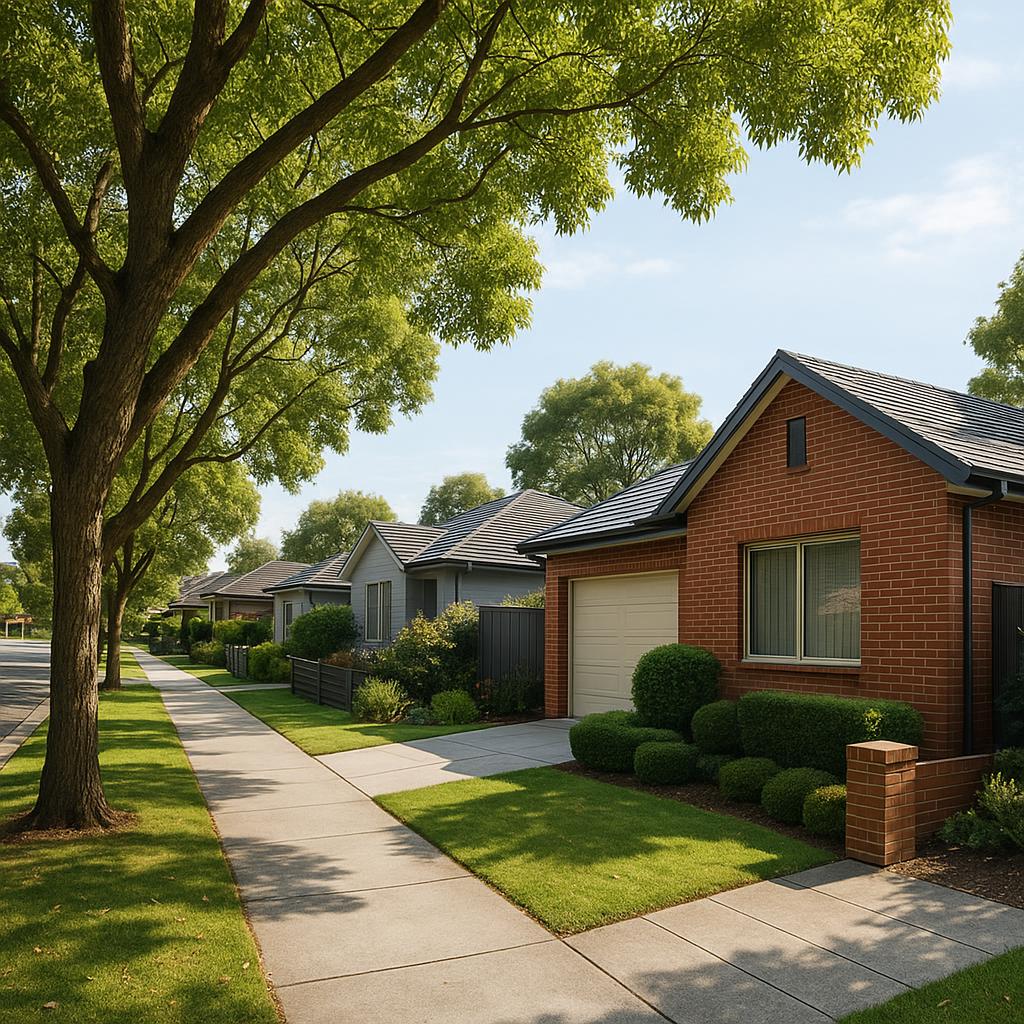
Berwick is a well-known south-east Melbourne suburb with a reputation for family living, established amenity, and a mix of older streets and newer residential pockets. It sits within a broader growth corridor, so buyers are often weighing lifestyle, land, and future resale appeal at the same time.
That matters because Berwick is not a one-note market. Some buyers are focused on prestige and liveability, while others are comparing practical access, housing style, and holdability. As a result, the same suburb can behave differently depending on whether the property is a renovated family house, a low-maintenance townhouse, or an older home needing work.
For investors, that mix is both an opportunity and a warning. Durable owner-occupier interest can help with tenant demand and resale confidence, but only if the property itself suits the local buyer pool. Think in terms of pocket, presentation, and end-user fit, not just postcode recognition.
Buyer Demand
Berwick typically attracts families upgrading from smaller homes, downsizers looking for easier living, first-home buyers stretching for a more established suburb, and investors targeting reliable tenant appeal. That combination usually creates a broad demand base, which is useful when a market becomes more selective.
What buyers tend to value most is straightforward: practical access to schools, parks, shops, and transport; good street presentation; and homes that work for day-to-day living. A property that feels easy to occupy often has more buyer depth later, which can matter just as much as the initial purchase story.
Rental Market
Berwick’s rental appeal is usually strongest with families, couples, and professionals who want a quieter suburban setting without giving up access to daily amenities. That tenant mix is helpful because it reduces reliance on one narrow renter segment.
From an investment perspective, houses often suit longer-term tenants who want space and a backyard, while townhouses and low-maintenance homes can appeal to renters who prioritise simplicity and reduced upkeep. Presentation matters: a functional floor plan, good heating and cooling, and easy maintenance can be more valuable than cosmetic upgrades that don’t improve liveability.
Lifestyle, Transport & Schools
Berwick’s lifestyle appeal comes from its community feel, local shopping, parks, recreation options, and generally settled suburban environment. For many buyers, that means a better day-to-day experience rather than a flashy headline feature. It is the sort of suburb people choose when they want a stable routine and a more considered living environment.
Transport convenience is a key part of the equation. Road access and public transport access can materially affect both buyer demand and tenant interest, especially for commuters. The exact experience depends on the pocket, so it is worth testing the daily route, not just looking at a map.
Schools are a major reason families look at Berwick. Even buyers without children often factor in school reputation and education access because those features can support future resale demand. Always confirm school zones and enrolment rules through official sources rather than assumptions, because these can change.
Berwick Suburb Profile
Official 2021 Census snapshot for the ABS Suburbs and Localities geography.
Age profile
Housing tenure
Occupied private dwellings by tenure type.
Salary & income profile
Median total income reported in the Census.
*Annual figures are weekly median × 52 estimates, not separate ABS annual medians.
Education & qualifications
Highest educational attainment, people aged 15+.
Employment status
People aged 15+ who reported being in the labour force.
Industry of employment
Top responses among employed people aged 15 years and over.
Occupation profile
Broad occupation groups among employed residents, including managers.
Property Type Guide
- Detached houses: Best for families, land-focused buyers, and hold-and-improve investors. They usually offer the broadest end-user appeal, but maintenance and garden upkeep matter.
- Townhouses: Suited to downsizers, first-home buyers, and investors wanting lower-maintenance stock. Check body corporate settings and shared-access arrangements carefully.
- Older homes: Can offer better land value or position, but may need functional updates, energy-efficiency improvements, or renovation spending.
- Newer homes: Often attract buyers wanting modern layouts and less immediate maintenance. The trade-off can be smaller land size or less character.
- Best-fit rule: Choose the product that matches your exit audience. If you would be selling to families later, buy with family usability in mind.
Risks & Watch-Outs
- Do not buy on suburb reputation alone; street quality, noise, access, and presentation can change the experience materially.
- Traffic and commute friction can matter more than buyers expect, especially for households using Berwick as a base for daily travel.
- Cosmetic styling can hide awkward floor plans, so inspect for genuine livability rather than only presentation.
- Older homes may need more capital and time than first-time buyers or passive investors expect.
- Some pockets may compete directly with nearby suburbs, which means your price point needs to be justified by features, not brand alone.
Nearby Suburbs to Compare
- Narre Warren VIC Property Market Guide: Buyers & Investors
- Beaconsfield
- Cranbourne
- Officer
Compare these suburbs on housing stock, commute practicality, and the type of buyer or tenant most likely to want the property later. If Berwick’s premium feels too high for your budget, these comparisons can clarify whether you are paying for lifestyle, convenience, or simply a stronger suburb brand.
FAQ
Is Berwick a good suburb for families?
Often yes, because family buyers are drawn to the suburb’s established feel, amenity, and housing mix. The real question is whether the property is in a pocket that suits your daily routine, school access, and travel patterns. Inspect the surrounding streets carefully.
Is Berwick good for property investors?
It can be, especially for investors who value durable tenant demand and stronger resale depth over short-term cash flow chasing. The best outcomes usually come from properties with broad owner-occupier appeal, practical layouts, and manageable ongoing maintenance. Strategy matters more than suburb name.
What property types work best in Berwick?
Detached houses are often the broadest fit for families, while townhouses can work well for low-maintenance buyers and renters. Older homes may suit renovation-focused strategies, but only if the location and land characteristics justify the extra effort and capital.
How does Berwick compare with nearby suburbs?
Berwick is often judged against suburbs like Narre Warren, Beaconsfield, Cranbourne, and Officer. The comparison usually comes down to price point, lifestyle feel, commute convenience, and the amount of land or modernity on offer. Buyers should compare pocket by pocket, not only by suburb.
What should I check before buying in Berwick?
Look at street context, commute practicality, school-zone position, maintenance requirements, and whether the home matches the likely future buyer pool. Review recent local listings and recent sales, then visit at different times of day to understand traffic, parking, and neighbourhood feel.
Conclusion
Berwick is best understood as a lifestyle-led, family-oriented suburb with real appeal for owner-occupiers and long-term investors. The opportunity is not simply buying in Berwick, but buying the right pocket and property type for your goal. If you focus on livability, resale depth, and practical due diligence, it can be a strong and sensible Melbourne south-east choice.
Sources & how to verify
- Check current listings, sold results, and rental competition on Domain so you are not relying on stale market impressions.
- Review current comparable sales and suburb commentary on realestate.com.au to see which property types are actually transacting.
- Confirm suburb boundaries, local planning controls, and applicable overlays through Victoria Planning before making assumptions about development potential.
- Use the official Australian Bureau of Statistics for demographic context, but interpret it as background rather than a direct price forecast.
- Check school zones, enrolment rules, and official school details via Find My School rather than relying on hearsay or property ads.
- Verify rail, bus, and major-road access using Public Transport Victoria and test your actual commute during peak periods.
- Review local amenity, capital works, and community planning on the City of Casey website to understand council priorities and nearby services.
- Remember that yields, prices, and vacancy conditions move quickly, so use current-date sources and cross-check at least two independent references before acting.