Quick Answer
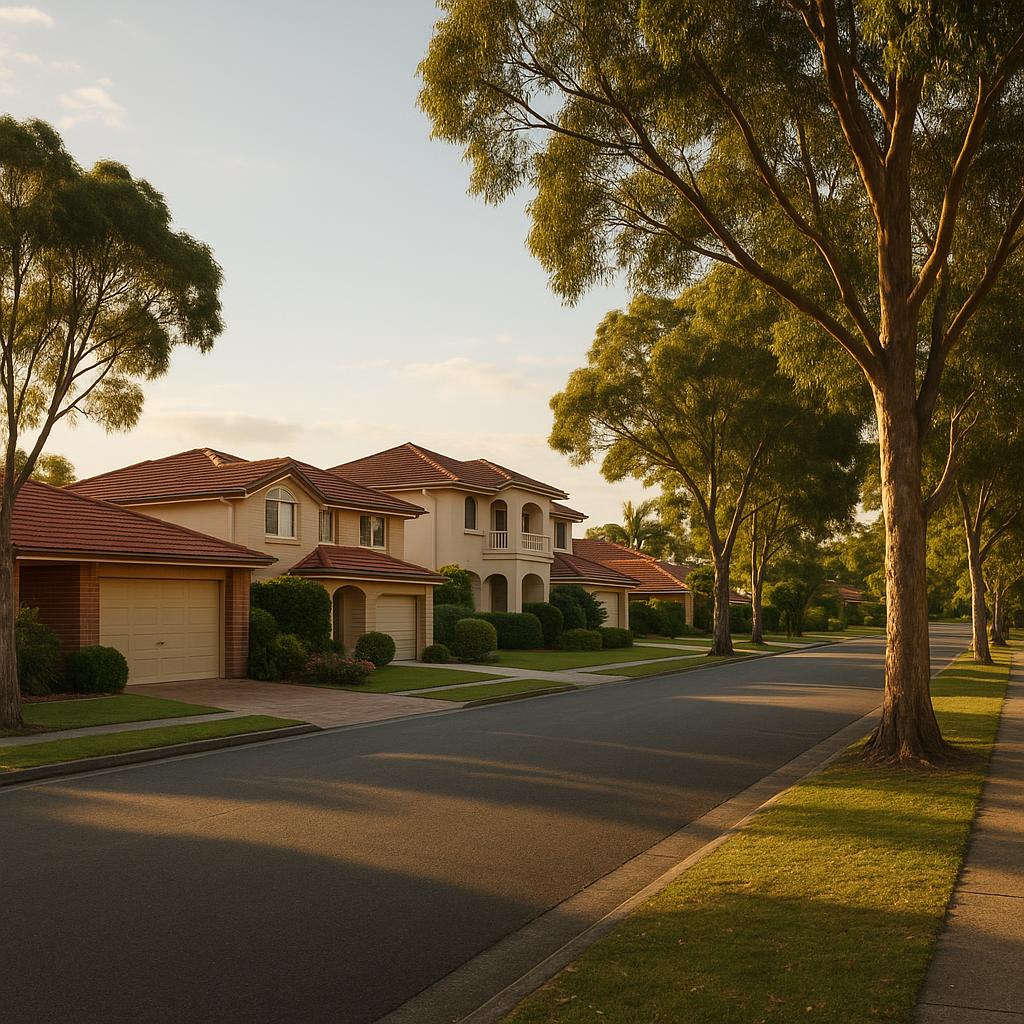
Bridgeman Downs is typically a lifestyle-led north Brisbane suburb that appeals to buyers who want space, privacy, and a more established residential feel. It is usually better suited to owner-occupiers and long-term investors than short-term speculative plays. The key question is whether you value family functionality, land, and quiet streets enough to accept a premium for that setting. For many buyers, the answer is yes; for yield-focused investors, the fit is more selective.
Key Takeaways
- Bridgeman Downs tends to attract family buyers and long-term residents rather than fast-turnover, entry-level demand.
- Property appeal is usually driven by block size, street presentation, and functional family layouts, not density or apartment-style convenience.
- Investors should focus on tenant stability and maintenance management, because larger homes can cost more to own and care for.
- The suburb’s strength is liveability: it suits buyers seeking a calmer northside base with practical access to daily amenities.
- Before buying, compare the exact street, home condition, and land use potential rather than relying on the suburb name alone.
Pros & Cons
Pros
- Family-friendly reputation with a spacious suburban feel.
- Often suits buyers wanting larger homes, privacy, and room to grow.
- Strong long-term appeal for owner-occupiers who prioritise lifestyle over density.
Cons
- Generally less affordable than outer growth areas, especially for larger established homes.
- Not ideal for buyers chasing apartments, ultra-low entry prices, or fast cash flow.
- Some pockets rely heavily on car travel, so convenience varies street by street.
Market Overview
Bridgeman Downs sits in Brisbane’s northside family-market bracket, where buyers often trade up for space, privacy, and a more established residential environment. It is the kind of suburb people compare with other northside lifestyle areas when they want a better balance of home size and day-to-day convenience.
The market usually rewards well-kept homes, usable blocks, and strong street presence. That means a property’s condition and layout can matter as much as the suburb itself. For buyers, the main decision is whether the home suits a long-term living strategy. For investors, the key is whether the asset will remain attractive to stable family tenants over time.
It is useful to think of Bridgeman Downs as a quality-and-comfort market rather than a volume market. In practical terms, that often means more attention on presentation, parking, outdoor usability, and the home’s fit for modern family life than on “cheap entry” or high-density rental turnover.
Buyer Demand
Demand is usually driven by established families, upsizers, and professional households who want a calmer base without leaving north Brisbane convenience behind. That tends to create interest in homes that are practical, private, and well maintained.
Buyers in this suburb typically care about the everyday details: a usable backyard, enough parking, sensible separation between living and sleeping areas, and a layout that works for children, guests, or a home office. A renovated home may attract a premium if it saves the buyer from future work, but a solid older home on a better block can still be highly competitive.
Rental Market
The rental profile is generally more family-focused than investor-speculative. Tenants are often looking for a home that feels settled, has enough space, and supports ordinary routines such as school runs, parking, storage, and outdoor use.
For investors, that usually points to long-term hold potential rather than aggressive yield chasing. A well-located, easy-to-maintain house with broad appeal is likely to be easier to lease than a highly customised or upkeep-heavy property. To verify rent levels properly, check current listings and recent leased comparables rather than relying on broad suburb estimates.
Lifestyle, Transport & Schools
Bridgeman Downs suits buyers who want a quieter suburban lifestyle with an established feel. The appeal is less about nightlife or high walkability and more about comfort, privacy, and room to live well. Parks, local convenience, and family-friendly streets are part of the draw.
Transport planning matters here because many residents will rely on driving for daily needs and commuting. Buyers should assess the actual route from the specific property, not just the suburb on a map, because peak-hour reality can differ from distance alone. That is especially important for households balancing school drop-offs, work commutes, and weekend errands.
School considerations can strongly influence demand in family-oriented suburbs, but catchments and enrolment arrangements should always be checked directly with the relevant education authority. Even within one suburb, the practical convenience of a particular address can differ depending on access, traffic flow, and surrounding amenities.
Bridgeman Downs Suburb Profile
Official 2021 Census snapshot for the ABS Suburbs and Localities geography.
Age profile
Housing tenure
Occupied private dwellings by tenure type.
Salary & income profile
Median total income reported in the Census.
*Annual figures are weekly median × 52 estimates, not separate ABS annual medians.
Education & qualifications
Highest educational attainment, people aged 15+.
Employment status
People aged 15+ who reported being in the labour force.
Industry of employment
Top responses among employed people aged 15 years and over.
Occupation profile
Broad occupation groups among employed residents, including managers.
Property Type Guide
- Detached family homes: Usually the core asset type here, especially where the block, layout, and street setting support long-term family living.
- Larger established homes: Often appeal to upsizers and owner-occupiers who want more internal space and a stronger sense of permanence.
- Renovated homes: Can attract a premium if the finish quality removes future work and aligns with modern family expectations.
- Older homes with strong land value: May suit buyers who want renovation flexibility or future improvement potential.
- Investor best-fit: Homes that are low-fuss, broad-appeal, and easy to maintain are usually better aligned with tenant demand.
Risks & Watch-Outs
- Do not assume every street in the suburb performs the same; micro-location can change buyer appeal materially.
- A polished interior can distract from weak fundamentals such as awkward layout, poor parking, or limited outdoor usability.
- Larger homes can bring higher maintenance, so investors should factor in repairs, gardening, and replacement costs.
- Yield-focused buyers may find the suburb less compelling if they need immediate cash flow rather than long-term hold quality.
- Always compare the property against likely resale demand, not just current presentation or agent marketing language.
Nearby Suburbs to Compare
- Aspley
- Carseldine
- Everton Park
- McDowall
- Wavell Heights
FAQ
Is Bridgeman Downs good for families?
Yes, if you want a spacious suburban setting with a strong family feel. The suburb generally suits households that value privacy, practical layouts, and room to live comfortably rather than compact, high-density living. Always assess the exact street and access points.
Is Bridgeman Downs a good suburb for investors?
It can be, but usually for investors who prefer durable tenant demand and long-term holding rather than maximum yield. The strongest cases are well-kept homes with broad family appeal, manageable maintenance, and a layout that suits long-term renters.
What type of property performs best in Bridgeman Downs?
Broadly appealing detached houses tend to fit best, especially those with functional layouts, parking, and usable outdoor space. Renovated homes may attract a premium, while older homes can work well if the land, location, and street presentation are strong.
What should buyers check before purchasing?
Check the street, block usability, layout, parking, upkeep, and how the home compares with likely resale or tenant demand. Also verify transport routes, school information, and current comparable listings so you are judging the property on current facts.
How does Bridgeman Downs compare with nearby suburbs?
It generally sits in the more spacious, lifestyle-oriented part of the northside market. Nearby suburbs may offer better affordability, different housing stock, or stronger convenience, so compare them on land, commute practicality, and the kind of buyer or tenant each attracts.
Conclusion
Bridgeman Downs is best viewed as a quality suburban market with enduring family appeal. It makes most sense for buyers who value space, liveability, and long-term comfort, and for investors who want dependable tenant demand rather than the highest short-term return. If the property suits the suburb’s core strengths, it can be a sensible holding.
Sources & how to verify
- Check current sold results and active listings on Domain so you can compare actual property types, prices, and market timeframes before forming an opinion.
- Review comparable sales and rental evidence on realestate.com.au to test whether a property’s asking price or rent is realistic for its condition and location.
- Use Brisbane City Council information to understand local planning context, suburb services, and any infrastructure or zoning factors that may affect the property.
- Cross-check suburb and household context with ABS if you want broad demographic background, but avoid using older figures as a substitute for current on-the-ground demand.
- Confirm school catchments and enrolment details through the relevant Queensland school catchment tool because catchments and intake rules can materially affect buyer interest.
- Verify transport and road access assumptions via official Queensland transport sources, because map distance alone does not show peak-hour commute performance or route reliability.
- Inspect multiple recent listings and sold comparables in the immediate area so you can see whether the home is aligned with the suburb’s normal buyer profile or sits above it.