Quick Answer
Lindfield suits buyers who want an established North Shore suburb with a family-oriented feel, strong everyday amenity, and long-term liveability. It is generally a better fit for people prioritising schools, transport access, and a comfortable owner-occupier lifestyle than for buyers chasing maximum rental yield. For investors, the key question is not just suburb prestige, but whether the property type, strata quality, and street position will appeal to good tenants and future buyers over time.
Key Takeaways
- Lindfield typically appeals to families and professionals who value convenience, established streets, and a calmer residential setting.
- The suburb’s strongest demand usually comes from well-located homes and apartments that suit daily routines, not just weekend inspections.
- Houses often suit buyers seeking land value, renovation upside, and flexibility for growing households.
- Apartments can work well for downsizers and investors if the building is well maintained and the layout is practical.
- Buyers should compare Lindfield against nearby North Shore suburbs to test value, commute fit, and property type before committing.
Pros & Cons
Pros
- Established suburb reputation with broad appeal to owner-occupiers and long-term tenants.
- venient access to transport, village services, and everyday amenities.
- Good choice of property types for different budgets and life stages.
Cons
- Premium positioning can mean higher entry costs than some nearby alternatives.
- Yield-focused investors may find stronger cash flow in more affordable suburbs.
- Micro-location, building quality, and strata standards can vary sharply from one property to the next.
Market Overview
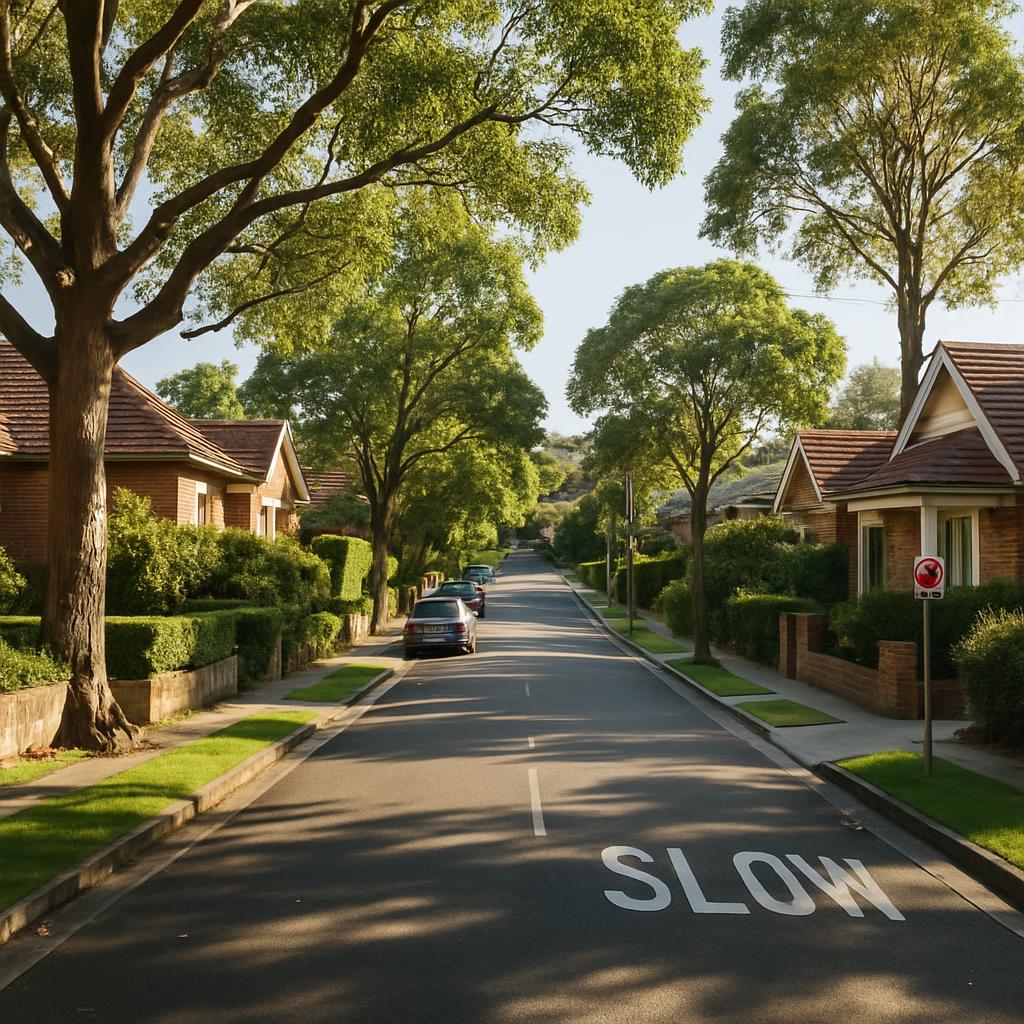
Lindfield is one of those suburbs where the address, the street, and the property type all matter. It sits in the Upper North Shore conversation, with a leafy, established feel and a market that is often driven by owner-occupiers, school-related decisions, and buyers seeking a long-term home rather than a short trading cycle.
That matters because the suburb is rarely about one simple metric. A renovated house on a quiet street, a tidy apartment close to transport, and an older home needing work will each attract very different buyers. In practice, Lindfield tends to reward careful comparison of micro-location, land component, building condition, and how the property fits real daily use.
For buyers, the key question is whether you are paying for genuine lifestyle utility or just the prestige of a known North Shore postcode. The best purchases usually balance convenience, usability, and resale depth.
Buyer Demand
Demand in Lindfield is usually strongest from families, professionals, and downsizers who want an established suburb with practical amenity. Properties that make school runs, commuting, parking, and weekend life easier tend to attract more interest than homes that rely purely on cosmetic presentation.
From an investing perspective, the broader the buyer pool on exit, the better. A well-kept apartment, a liveable house with sensible layout, or a low-maintenance property near transport generally has a clearer resale story than a niche dwelling with awkward access or compromised light.
Rental Market
Lindfield can suit investors who value tenant quality and steady occupancy more than headline yield. The main tenant groups are likely to include professionals who want rail access, families who want access to established amenities, and downsizers looking for convenience without leaving the area.
The rental performance of a property will still depend heavily on type and presentation. A functional two-bedroom apartment with parking, good light, and solid strata management is likely to be easier to lease than a tired unit or an awkward layout, even if both are in the same suburb.
Lifestyle, Transport & Schools
Lindfield’s lifestyle appeal comes from its combination of leafy streets, a village-style centre, and everyday convenience. That mix suits people who want a quieter residential environment without feeling disconnected from services or transport.
Transport matters here because many buyers are making a trade-off between space and commute practicality. Station access, parking, road congestion at peak times, and how easy it is to move around the suburb all influence liveability. If you are buying for family use, check the real walking route, not just the map distance.
School access is another important demand driver, especially for families planning ahead. Rather than relying on assumptions, verify current catchment and enrolment information directly with official education sources before making a decision. In suburbs like Lindfield, a property can be attractive simply because it reduces daily stress.
Lindfield Suburb Profile
Official 2021 Census snapshot for the ABS Suburbs and Localities geography.
Age profile
Housing tenure
Occupied private dwellings by tenure type.
Salary & income profile
Median total income reported in the Census.
*Annual figures are weekly median × 52 estimates, not separate ABS annual medians.
Education & qualifications
Highest educational attainment, people aged 15+.
Employment status
People aged 15+ who reported being in the labour force.
Industry of employment
Top responses among employed people aged 15 years and over.
Occupation profile
Broad occupation groups among employed residents, including managers.
Property Type Guide
- Houses: Best for buyers seeking land value, privacy, and renovation potential; inspect structure, layout, and outdoor usability carefully.
- Apartments: Best for downsizers, first-home buyers, and investors wanting lower maintenance; focus on strata health, light, and parking.
- Townhouses / low-maintenance dwellings: A middle ground for buyers who want more space than an apartment without the upkeep of a larger house.
- Older character homes: Can offer strong upside, but only if the renovation quality, drainage, and maintenance history are sound.
Risks & Watch-Outs
- Do not assume a premium suburb automatically equals a premium asset; the wrong street or building can materially weaken outcomes.
- Strata quality matters more than many buyers expect, especially for older apartment stock and buildings with deferred maintenance.
- Overcapitalising on cosmetic renovations is a risk if the underlying layout, parking, or access is weak.
- Traffic, school-time congestion, and parking pressure can affect day-to-day convenience more than a brochure suggests.
- Always test resale depth: ask who the likely next buyer is and whether the property suits more than one use case.
Nearby Suburbs to Compare
- Gordon NSW Property Market Guide: Buyers & Investors
- Roseville
- Chatswood
- Killara
- Lane Cove
FAQ
Is Lindfield a good suburb for families?
Lindfield is often a strong family choice because it combines established residential streets, practical amenities, and access to transport. Families should still compare property type, school access, and daily commute logistics before assuming every pocket will suit their routine.
Is Lindfield better for buyers or investors?
It can suit both, but for different reasons. Buyers often value lifestyle, schools, and convenience, while investors need to focus on tenant appeal, strata quality, and long-term resale depth. Yield-focused buyers should compare nearby suburbs before deciding.
What property type tends to work best in Lindfield?
That depends on your objective. Houses are usually better for space and long-term family use, while apartments may be better for downsizers and investors seeking lower maintenance. In both cases, the best assets are usually the most practical ones.
What should I check before buying an apartment in Lindfield?
Review strata records, building condition, maintenance planning, parking, noise transfer, and natural light. In an established suburb, a good building can perform very differently from a mediocre one, even if both appear similar on inspection day.
How should I compare Lindfield with nearby suburbs?
Use a decision checklist rather than reputation alone: commute, property type, school access, land component, and likely resale audience. A nearby suburb may offer better value if it suits your household and budget more closely.
Conclusion
Lindfield is best understood as a lifestyle-led North Shore suburb with enduring appeal, not a quick-turn investment market. Buyers who want convenience, family functionality, and long-term ownership comfort will likely find it compelling. Investors should stay disciplined and assess each property on its own fundamentals, especially building quality, layout, and tenant appeal.
Sources & how to verify
- Check current property listings and recent comparable sales on Domain so you are not relying on stale pricing impressions.
- Use realestate.com.au to compare rental listings, property features, and the type of stock currently competing in the suburb.
- Review official planning and zoning information on the NSW Planning Portal before assuming future development potential or constraints.
- Confirm school catchments and enrolment details through the NSW School Finder, because boundaries and intake rules can change.
- Check transport routes, station access, and service updates on Transport for NSW rather than relying on walking-time estimates alone.
- Use the ABS for broad demographic context, but remember it will not replace property-specific due diligence.
- Inspect strata records, building reports, and contract documents directly when buying units or townhouses, because suburb averages do not reveal building-level risks.
General information only, not financial or legal advice.