Quick Answer
Gordon is a high-appeal Upper North Shore suburb for buyers who want a mix of rail convenience, established streetscapes, and enduring family demand. It tends to suit owner-occupiers, downsizers, and investors who value location fundamentals over short-term bargains. The main trade-off is entry cost: quality stock can be tightly held, and different property types attract very different buyer pools. If you are comparing Gordon, focus on exact address quality, strata or land component, and walkability to transport and amenity.
Key Takeaways
- Gordon suits buyers who prioritise long-term suburb fundamentals, not speculative discount hunting.
- Rail access, established streets, and strong family appeal help keep demand broad across market cycles.
- Property type matters: apartments, townhouses, and houses each appeal to different buyer and tenant groups.
- Investors should assess strata, layout, noise, and walkability before assuming the suburb alone will carry returns.
- Best results usually come from quality stock in convenient pockets with genuine everyday liveability.
Pros & Cons
Pros
- Strong North Shore reputation supports steady owner-occupier and tenant interest.
- venient train access makes the suburb practical for commuters and flexible for renters.
- Leafy, established character adds to lifestyle appeal and resale confidence.
Cons
- Entry prices are typically higher than many Sydney alternatives, narrowing buyer options.
- Apartment quality varies, so building condition and strata are critical.
- Some stock can be tightly held, which may make negotiations less straightforward.
Market Overview
Gordon is an established Upper North Shore suburb in Ku-ring-gai with a residential feel, rail convenience, and broad appeal to families and professionals. That combination matters because buyers here are often paying for location fundamentals: access, amenity, streetscape quality, and long-term desirability rather than flashier short-term drivers.
The market is not one single story. Apartments, townhouses, and freestanding homes all compete in different lanes, so the suburb can feel pricey in one segment and more accessible in another. That is why the right comparison is often property-to-property, not suburb-to-suburb in the abstract.
For investors and homeowners, Gordon works best when the asset matches the local demand profile. Well-located stock close to transport, shops, and reputable schools usually attracts stronger attention than a superficially similar property in a less convenient pocket.
Buyer Demand
Buyer demand in Gordon is typically driven by practical lifestyle needs. Family buyers want a settled suburb with transport access and education options, while professionals often value the commute efficiency and low-friction daily routine.
Downsizers also play an important role, especially where low-maintenance living still feels premium. For investors, the appeal is not speculative turnover; it is the ability of the suburb to attract multiple buyer and tenant groups over time.
Rental Market
The rental market is usually supported by commuters, relocating professionals, and households testing the area before buying. That mix can be useful for landlords because it broadens the tenant pool beyond a single demographic.
Apartment investors generally need to pay close attention to building quality, strata costs, and liveability features such as natural light, parking, and noise exposure. A clean, well-positioned unit will usually outperform a poorly configured one, even within the same suburb.
Lifestyle, Transport & Schools
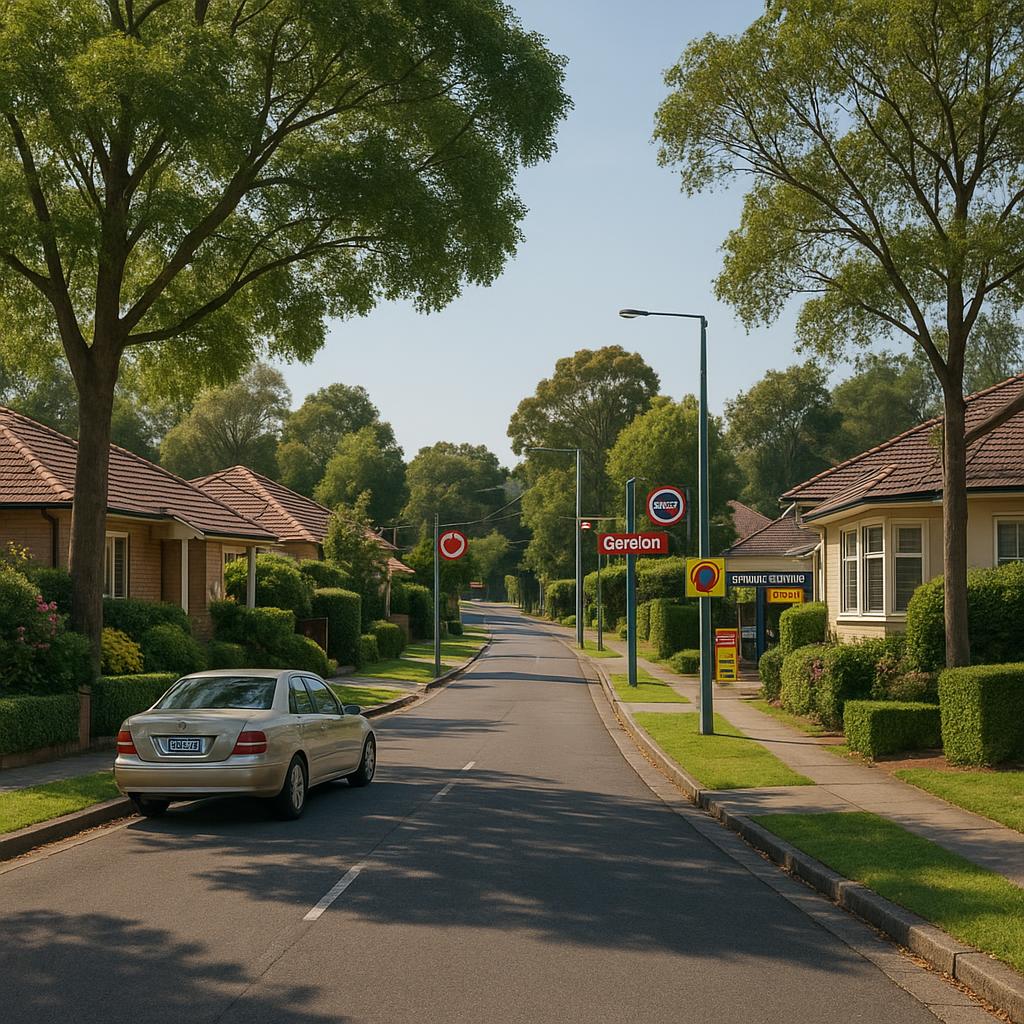
Gordon’s lifestyle appeal is grounded in its leafy, established feel and everyday convenience. It is the kind of suburb many buyers choose when they want a quieter residential base without giving up access to local shops, parks, and commuter infrastructure.
Transport is a major value driver. Rail access can materially improve daily convenience for both owner-occupiers and tenants, and buyers often prefer properties that are genuinely walkable to the station rather than merely nearby on a map.
Schools and education access remain important buying triggers, particularly for families making long-term decisions. As with all Sydney suburbs, school-zone eligibility should be checked by exact address, not assumption, because boundaries and enrolment rules must be verified with current official sources.
Gordon (NSW) Suburb Profile
Official 2021 Census snapshot for the ABS Suburbs and Localities geography.
Age profile
Housing tenure
Occupied private dwellings by tenure type.
Salary & income profile
Median total income reported in the Census.
*Annual figures are weekly median × 52 estimates, not separate ABS annual medians.
Education & qualifications
Highest educational attainment, people aged 15+.
Employment status
People aged 15+ who reported being in the labour force.
Industry of employment
Top responses among employed people aged 15 years and over.
Occupation profile
Broad occupation groups among employed residents, including managers.
Property Type Guide
- Apartments: Often the most accessible entry point for investors, first-home buyers, and downsizers. Best when the building is well maintained, the layout is efficient, and transport access is strong.
- Townhouses and smaller low-maintenance homes: Suit buyers wanting more space than an apartment without the upkeep of a full house. Stock is usually more limited, so quality can matter even more.
- Freestanding houses: Best for families and long-term owner-occupiers who value land, privacy, and future flexibility. These buyers usually pay for lifestyle and scarcity as much as bricks and mortar.
- Premium homes: Appeal to buyers seeking prestige, space, and a long-hold strategy. They can be less liquid, so presentation, position, and holding power are important.
Risks & Watch-Outs
- Do not overpay for a good suburb without checking the property’s fundamentals, because poor layout or condition can cap resale appeal.
- For apartments, inspect strata levies, capital works planning, and maintenance history carefully, as these can materially affect cash flow.
- Convenient locations can carry traffic or noise trade-offs, especially near busier roads or station-adjacent buildings.
- School-zone assumptions should be verified by exact address, since a small location difference can change buyer demand and household suitability.
- Investors should test the asset against real tenant behaviour, not just suburb reputation, because livability drives vacancy and retention.
Nearby Suburbs to Compare
- Lindfield NSW Property Market Guide: Buyers & Investors
- Roseville NSW Property Market Guide: Buyers & Investors
- Pymble NSW Property Market Guide: Buyers & Investors
- Killara NSW Property Market Guide: Buyers & Investors
FAQ
Is Gordon a good suburb for families?
Yes, Gordon is often a strong family choice because it combines a settled residential feel with transport convenience and access to education options. Families usually need to compare exact streets, school eligibility, and house layout before deciding whether it fits their long-term routine.
Is Gordon a good suburb for investors?
It can be, particularly for investors who focus on tenant depth, low vacancy risk, and durable location fundamentals. The key is property selection: a well-located, practical apartment may suit the rental market better than a higher-cost asset with narrow demand.
What type of property performs best in Gordon?
There is no single best answer. Apartments can work well for access and affordability, while houses appeal to families and long-hold buyers. The right choice depends on your budget, holding period, and whether you want lower maintenance or more land-based appeal.
How important is the train station in Gordon?
Very important. Walkable rail access can materially improve desirability for both buyers and renters because it reduces daily friction. For many purchasers, the difference between “close” and genuinely walkable can influence how competitive a property feels.
What should I check before buying in Gordon?
Inspect the property’s position, building quality, ongoing maintenance needs, strata or land costs, and the exact school-zone or transport reality for the address. Suburb reputation helps, but the asset itself still determines how well the purchase works for you.
Conclusion
Gordon is best understood as a quality-driven North Shore market with broad appeal and selective value opportunities. It rewards buyers who think carefully about property type, position, and holding costs rather than chasing the suburb name alone. For the right household or investor, it offers a credible long-term buy-and-hold proposition.
Sources & How to Verify
- Check current listings and recent sold results on Domain so you can compare Gordon’s real-time asking prices with nearby suburbs and specific property types.
- Review realestate.com.au to assess current inventory, days on market signals, and how presentation changes buyer interest in the suburb.
- Use Transport for NSW to confirm station services, route changes, and commute assumptions rather than relying on outdated travel impressions.
- Check the NSW School Finder for exact catchment or intake information, because school eligibility must be verified by address.
- Refer to the Ku-ring-gai Council website for local planning, development controls, and place-specific infrastructure or amenity updates.
- Use the NSW Planning Portal to check zoning, development applications, and any nearby proposals that could affect livability or future supply.
- Consult the Australian Bureau of Statistics if you want updated census context on household composition, dwelling type, and local demographic trends.
- For apartment buyers, ask for strata records, building reports, and levy history so you can verify maintenance risk, capital works planning, and ongoing ownership costs.