Quick Answer
Glebe suits buyers and investors who want inner-city convenience, heritage character, and a strong rental story rather than big blocks or new-estate living. It is often a good fit for professionals, academics, downsizers, and landlords targeting tenants who value walkability and proximity to the Sydney CBD, universities, and hospitals. The best outcomes usually come from buying the right property type in the right street or building, then checking building quality, noise, parking, and strata or renovation constraints carefully.
Key Takeaways
- Glebe is a tightly held inner Sydney suburb where location, character, and walkability often matter more than size alone.
- The buyer pool is broad, but demand is usually strongest for well-located terraces and well-kept apartments with practical layouts.
- Investors should focus on tenant fit, strata health, and building condition, not just the suburb’s reputation.
- Heritage appeal can support long-term desirability, but it can also bring renovation limits and higher upkeep.
- Comparing Glebe with nearby suburbs helps clarify whether you want more character, more space, or easier apartment living.
Pros & Cons
Pros
- Inner-city convenience with a village-style feel and strong day-to-day amenity
- Broad appeal to owner-occupiers and renters, which supports market depth
- Character housing and established streetscapes that are hard to replicate elsewhere
Cons
- Limited supply can make choice competitive, especially for quality stock
- Older homes and buildings may need more maintenance, planning checks, or strata scrutiny
- Parking, noise, and access can be genuine trade-offs depending on the street and property type
Market Overview
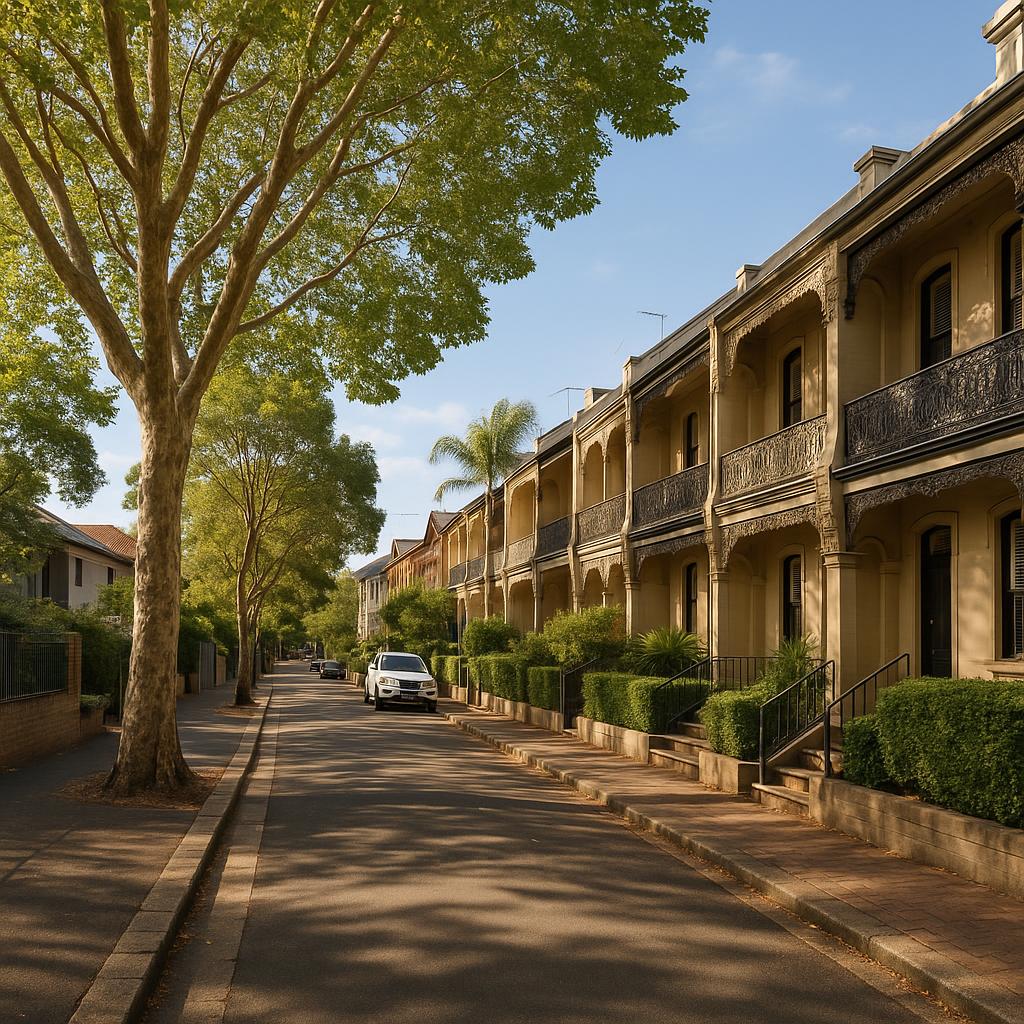
Glebe sits close to the CBD and major education and health precincts, which gives it a distinctly inner-city market profile. The suburb is known for heritage terraces, converted dwellings, and apartment stock, so the market is shaped more by property type and street quality than by a single suburb-wide pattern.
That matters for buyers because two properties in Glebe can appeal to very different audiences. A renovated terrace in a quieter pocket may suit an owner-occupier seeking character and long-term hold potential, while a smaller apartment near key amenity may be more attractive to investors chasing broad tenant demand and lower maintenance.
Supply is often constrained by the suburb’s established nature, and that scarcity can support resilience when the right property comes to market. For investors and homeowners, the central question is not whether Glebe is desirable, but which part of Glebe, which building, and which property type best matches the intended use.
Buyer Demand
Buyer demand in Glebe is typically driven by people who want convenience without sacrificing atmosphere. That includes professionals commuting to the city, academics and university staff, downsizers who want a walkable lifestyle, and buyers who simply prefer an older, more character-filled suburb over modern apartment precincts.
Demand also tends to be filtered by practical factors. Buyers often compare street noise, parking, natural light, and building quality before they compare style. In other words, emotional appeal gets people through the door, but functionality usually decides the purchase.
Rental Market
Glebe has a naturally strong rental story because of its proximity to employment, study, and health-care hubs. That can support a steady pool of prospective tenants, especially for low-maintenance homes that offer easy access, sensible layouts, and good presentation.
For investors, the best rental results usually come from properties that are easy to live in, not just pleasant to photograph. Think functional kitchens, decent storage, workable outdoor space where available, and buildings with manageable ongoing costs. In inner-city areas like Glebe, tenant convenience often matters more than extra floor area.
Lifestyle, Transport & Schools
Glebe offers a genuine urban village feel, with cafés, local shopping, parks, and a strong sense of place. That lifestyle is a major reason people choose it: daily errands, dining, and recreation can often be handled without a car, which is a meaningful advantage for busy households and tenants alike.
Transport convenience is one of the suburb’s practical strengths. Walkability is a core feature, and public transport access supports commuting across the inner city. Buyers should still check the specifics of their chosen property, because convenience can vary significantly between streets, especially where parking, bus access, or pedestrian routes differ.
School and education considerations should be verified directly, especially for families making a long-term move. Glebe’s identity is closely linked to nearby university and education precincts, which also contributes to rental demand. For families, the right fit depends on schooling needs, noise tolerance, and whether they value urban convenience over larger suburban living.
Glebe (NSW) Suburb Profile
Official 2021 Census snapshot for the ABS Suburbs and Localities geography.
Age profile
Housing tenure
Occupied private dwellings by tenure type.
Salary & income profile
Median total income reported in the Census.
*Annual figures are weekly median × 52 estimates, not separate ABS annual medians.
Education & qualifications
Highest educational attainment, people aged 15+.
Employment status
People aged 15+ who reported being in the labour force.
Industry of employment
Top responses among employed people aged 15 years and over.
Occupation profile
Broad occupation groups among employed residents, including managers.
Property Type Guide
- Terraces and heritage homes: Best for buyers who value character, scarcity, and long-term liveability. Check renovation limits, damp, access, and parking.
- Apartments and units: Best for investors and low-maintenance owner-occupiers. Check strata health, sound transfer, ventilation, and building age.
- Boutique or period conversions: Can offer strong charm, but inspect building structure, access, and upkeep obligations carefully.
- Semi-detached or rarer stock: Often appealing for buyers wanting more space than an apartment without the full maintenance load of a freestanding home.
Risks & Watch-Outs
- Heritage controls or older-building layouts can limit renovation flexibility and make upgrades more expensive than expected.
- Apartment buyers should review strata documents carefully for repairs, levies, sinking fund health, and any recurring building issues.
- Noise, traffic, and shared-wall sound transfer can materially affect liveability and rental appeal, especially in busy or tightly built pockets.
- Parking and access can be a genuine trade-off in inner-city streets, so check daily use rather than relying on the listing alone.
- Older stock can hide moisture, ventilation, insulation, or service problems that only become obvious after a detailed inspection.
Nearby Suburbs to Compare
- Annandale NSW Property Market Guide: Buyers & Investors
- Camperdown
- Newtown NSW Property Market Guide: Buyers & Investors
- Ultimo
- Pyrmont NSW Property Market Guide: Buyers & Investors
- Forest Lodge
FAQ
Is Glebe a good suburb for buyers?
Glebe is often a strong choice for buyers who want inner-city convenience, character, and a walkable lifestyle. It is less suitable for people who want large blocks, new estates, or a very quiet suburban feel. The best purchase depends on property type, street, and condition.
Is Glebe a good suburb for investors?
Often, yes, because the suburb attracts a broad tenant base and has enduring lifestyle appeal. Investors should still focus on building quality, strata, noise exposure, and practical layout. A good location alone does not guarantee strong rental performance or low maintenance.
What type of property is best in Glebe?
That depends on the buyer’s goal. Terraces and heritage homes suit lifestyle and scarcity-focused buyers, while well-located apartments usually suit investors and downsizers who want convenience and lower upkeep. The right answer is property-specific, not suburb-wide.
Is Glebe family-friendly?
It can be, especially for families who value proximity to amenity, transport, and education precincts. However, families should assess space, parking, noise, and daily routines carefully. Some households will prefer the lifestyle; others will want a larger, quieter alternative suburb.
What should I check before buying in Glebe?
Check the property’s condition, renovation constraints, strata records if relevant, access, parking, natural light, and likely resale appeal. Also compare recent sales of the same property type rather than relying on broad suburb averages, which can be misleading in a diverse inner-city market.
Conclusion
Glebe is best understood as a lifestyle-led, supply-constrained inner-city suburb with strong appeal for both buyers and investors. The smartest purchases usually come from matching the right property type to the right use case, then verifying building quality, access, and long-term costs. If you compare carefully, Glebe can be a resilient and highly liveable choice.
Sources & how to verify
- Check current planning controls and development context on NSW Planning Portal so you understand any heritage, zoning, or permissibility constraints before buying.
- Review local planning and streetscape considerations on City of Sydney to confirm what may affect renovations, permits, or nearby public domain changes.
- Use NSW public school information to verify catchments and enrolment details directly, rather than relying on outdated third-party summaries.
- Compare current sold listings and active rentals on Domain so you are using recent evidence for pricing, tenant demand, and competition.
- Cross-check listing history and market movement with realestate.com.au to see how long comparable properties are taking to sell or lease.
- Use ABS for broad demographic and housing context, but avoid treating suburb-level summaries as a substitute for property-specific due diligence.
- Confirm nearby transport routes and service changes with Transport for NSW because access and commuting convenience can change over time.
- If buying an apartment, obtain building and strata records and verify any levies, defects, or repair plans directly rather than assuming older stock has already been fully maintained.