Quick Answer
Newtown NSW is a tightly held inner-west suburb best suited to buyers who value walkability, character housing, and strong access to Sydney’s employment and lifestyle hubs. It tends to reward purchasers who understand micro-location, building condition, and the trade-offs between terraces, semis, and apartments. For investors, the appeal is broad tenant demand and easy re-leasing potential; for owner-occupiers, it is the convenience and long-term desirability of an established urban village. : Newtown can suit both investors and homeowners, but the “right” purchase depends on whether you prioritise lifestyle, lower-maintenance ownership, renovation upside, or long-term holding strength.
Key Takeaways
- Newtown suits buyers who want an inner-city lifestyle with strong walkability, amenity, and transport access.
- Investor demand is usually supported by a wide tenant pool, but holding costs can vary sharply by building type.
- Terraces and semis offer character and scarcity value, while apartments can provide a more accessible entry point.
- Street-by-street differences matter here, especially for noise, parking, and proximity to busy dining or nightlife strips.
- The suburb rewards informed buyers who inspect carefully and compare property condition, not just postcode prestige.
Pros & Cons
Pros
- Strong lifestyle appeal with everyday convenience
- Broad demand from renters and owner-occupiers
- Character housing with long-term buyer interest
Cons
- Premium competition for quality stock
- Older homes and strata buildings can need more due diligence
- Noise, parking, and street variation can affect liveability
Market Overview
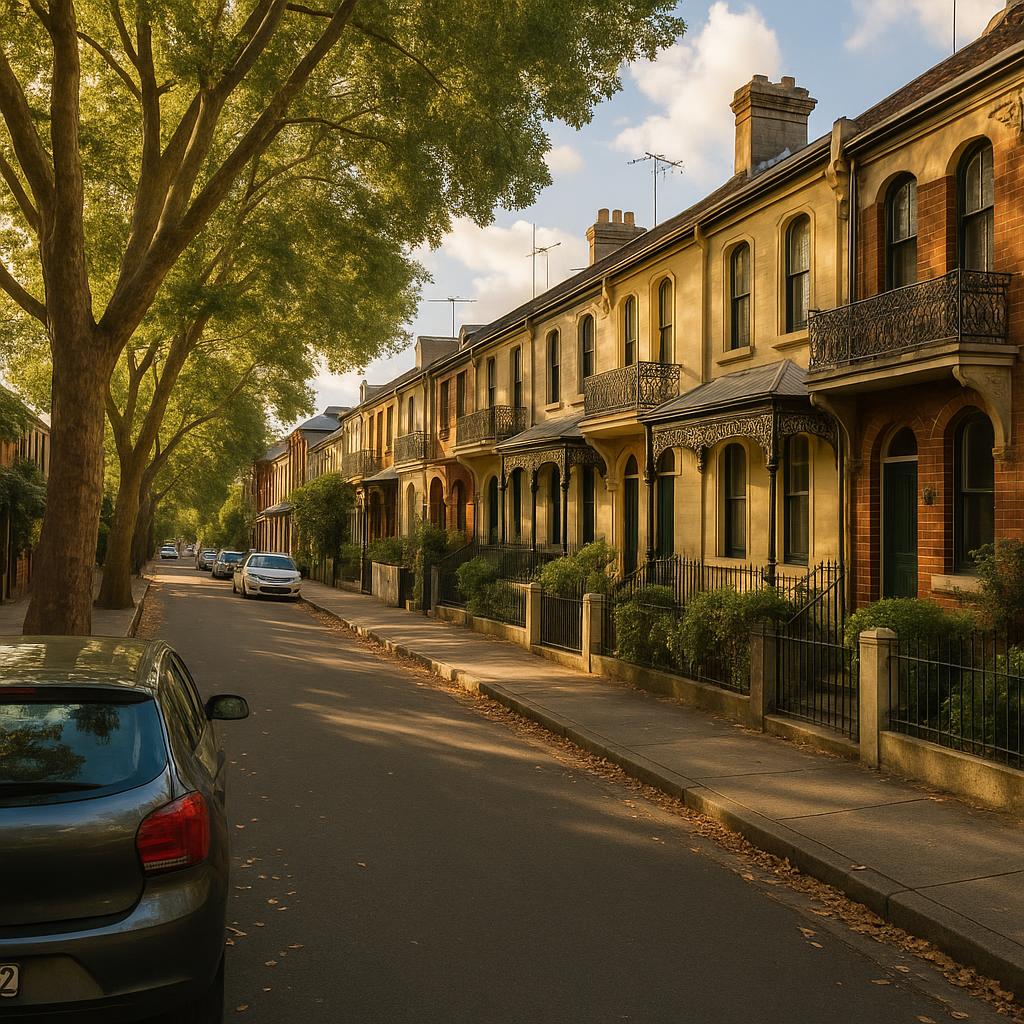
Newtown is one of Sydney’s most recognisable inner-west suburbs, and that reputation matters because it shapes buyer expectations. The area is dominated by established housing, including terraces, semis, apartments, and mixed-use pockets, so the market is less about land release and more about scarcity, condition, and location within the suburb.
For buyers, the key point is that Newtown is not a one-price-fits-all market. A renovated terrace on a quieter street, a dated apartment near transport, and a compact dwelling closer to entertainment strips can all attract different buyer profiles and pricing behaviour. That creates opportunities, but only for people who compare like with like.
The suburb’s enduring appeal comes from its urban-village feel, access to the city fringe, and strong amenity. In practical terms, that means demand often stays resilient for well-presented stock, while the weakest properties are usually the ones with poor layout, weak natural light, or ownership issues such as high strata costs or maintenance catch-up.
Buyer Demand
Buyer demand in Newtown is diverse. Owner-occupiers tend to include professionals, couples, creatives, and downsizers who want convenience and character. First-home buyers often target apartments or smaller dwellings, while value-add buyers focus on older homes with renovation potential.
The strongest competition is usually for properties that combine lifestyle and practicality: renovated terraces, quality apartments in well-managed buildings, and homes on quieter streets with easy access to transport. For buyers, this means preparation matters. Finance clarity, inspection discipline, and an understanding of the local micro-market can make the difference between a smart purchase and an emotional one.
Rental Market
Newtown has broad rental appeal because it offers access, character, and a lifestyle many tenants actively seek. Typical renter profiles include young professionals, postgraduate students, couples, and people commuting to the CBD or nearby inner-city employment centres. That diversity can support occupancy and reduce reliance on one tenant demographic.
From an investor’s perspective, apartments can suit those wanting simpler management, while terraces and semis may appeal to tenants who will pay for space, charm, and outdoor access. The key is to check the building itself, not just the suburb: strata quality, sound insulation, maintenance history, and exposure to traffic or nightlife can materially affect rental performance.
Lifestyle, Transport & Schools
Newtown’s lifestyle proposition is a major reason it commands attention. The suburb is known for cafés, dining, independent retail, music, arts, and a lively street environment. That is valuable for owner-occupiers, but it also has investment implications: lifestyle suburbs often hold demand because people buy with both their daily routine and emotional connection in mind.
Transport is another major draw. Newtown is well placed for commuting into the CBD and surrounding inner-city districts, and walkability is a real part of the value proposition. Buyers often pay more for homes that shorten the walk to transport, shops, and everyday essentials, especially when they want a low-friction weekday routine.
Families will still want to check school and childcare needs carefully. Catchments, enrolment boundaries, and school suitability should always be confirmed through official sources rather than assumptions. The same applies to parks and quieter residential pockets: some streets feel energetic and active, while others are noticeably calmer and more suitable for buyers who want less late-night activity.
Newtown (NSW) Suburb Profile
Official 2021 Census snapshot for the ABS Suburbs and Localities geography.
Age profile
Housing tenure
Occupied private dwellings by tenure type.
Salary & income profile
Median total income reported in the Census.
*Annual figures are weekly median × 52 estimates, not separate ABS annual medians.
Education & qualifications
Highest educational attainment, people aged 15+.
Employment status
People aged 15+ who reported being in the labour force.
Industry of employment
Top responses among employed people aged 15 years and over.
Occupation profile
Broad occupation groups among employed residents, including managers.
Property Type Guide
- Terraces: Highly desirable for character, scarcity, and long-term appeal, but buyers should assess light, privacy, storage, and maintenance risk.
- Semis: Often balance liveability and inner-city convenience, making them attractive to long-term owner-occupiers and family buyers.
- Apartments: A common entry point for investors and first-home buyers, usually with lower upkeep but stronger strata due diligence requirements.
- Renovated stock: Can save time and suit buyers who want immediate usability, though quality should be checked carefully rather than relying on finishes alone.
- Original-condition stock: May offer value-add potential, but only if the buyer has budget discipline, project confidence, and a realistic renovation scope.
Risks & Watch-Outs
- Older terraces and semis can conceal maintenance issues that are not obvious during a quick inspection.
- Apartment buyers should review strata records, special levies, and building defects before relying on an advertised “low-maintenance” story.
- Noise and activity levels can vary materially by street, so inspect during both daytime and evening conditions.
- Parking is often limited, which can affect daily convenience and future buyer appeal.
- Renovation opportunities can be overestimated if heritage controls, layout constraints, or building condition are not properly checked.
Nearby Suburbs to Compare
- Enmore NSW Property Market Guide: Buyers & Investors
- Marrickville NSW Property Market Guide: Buyers & Investors
- Stanmore NSW Property Market Guide: Buyers & Investors
- Erskineville NSW Property Market Guide: Buyers & Investors
FAQ
Is Newtown a good suburb for first-home buyers?
It can be, especially if you are comfortable with apartment living or a smaller home and want strong walkability. The main checks are strata quality, noise, parking, and whether the purchase still works if rates or holding costs rise.
Is Newtown better for investors or owner-occupiers?
It suits both, but in different ways. Investors are often drawn to tenant demand and easy re-leasing potential, while owner-occupiers usually value the lifestyle, character, and convenience. The “best” asset depends on your holding period and maintenance tolerance.
What type of property is most in demand in Newtown?
Well-located terraces, semis, and quality apartments can all attract interest. In practice, demand is shaped less by one property type and more by presentation, street quality, outdoor space, parking, and the condition of the building or home.
Are there quieter parts of Newtown for families?
Yes, but quietness is street-specific rather than suburb-wide. Some pockets are calmer and more residential, while others are busier and more active. Families should inspect at different times of day and verify nearby amenities, school access, and traffic patterns.
What should buyers inspect most carefully in Newtown?
Focus on noise exposure, parking, strata health, building condition, natural light, and renovation quality. In older suburbs, charm can hide costs, so a good inspection process matters as much as location. Always check the dwelling on its own merits.
Conclusion
Newtown is a standout inner-west suburb for buyers who want lifestyle, convenience, and enduring appeal, but it rewards disciplined purchasing. The best outcome comes from matching the right dwelling to the right strategy: home comfort, tenant appeal, or renovation upside. If you inspect carefully and compare micro-locations, Newtown can be a strong long-term choice.
Sources & how to verify
- Check current sold results and active listings on Domain so you are comparing recent evidence rather than relying on stale impressions.
- Review comparable sales and rental evidence on realestate.com.au to understand how different property types are being marketed and leased.
- Use NSW Planning Portal to confirm zoning, planning controls, and any development constraints that could affect future use.
- Check school zones and enrolment details through NSW School Finder because catchments and intake rules can change and should never be assumed.
- Use Transport for NSW to verify station, bus, and route information before pricing transport convenience into your decision.
- Confirm local area information and any council planning matters with the City of Sydney because local controls can affect renovations, parking, and street conditions.
- Order a building and pest inspection, and if the property is strata, review minutes and financials so hidden maintenance costs do not surprise you later.
- Speak with a qualified conveyancer, buyer’s agent, or local property professional if you are comparing terraces, heritage dwellings, or apartments with different ownership risks.