Quick Answer
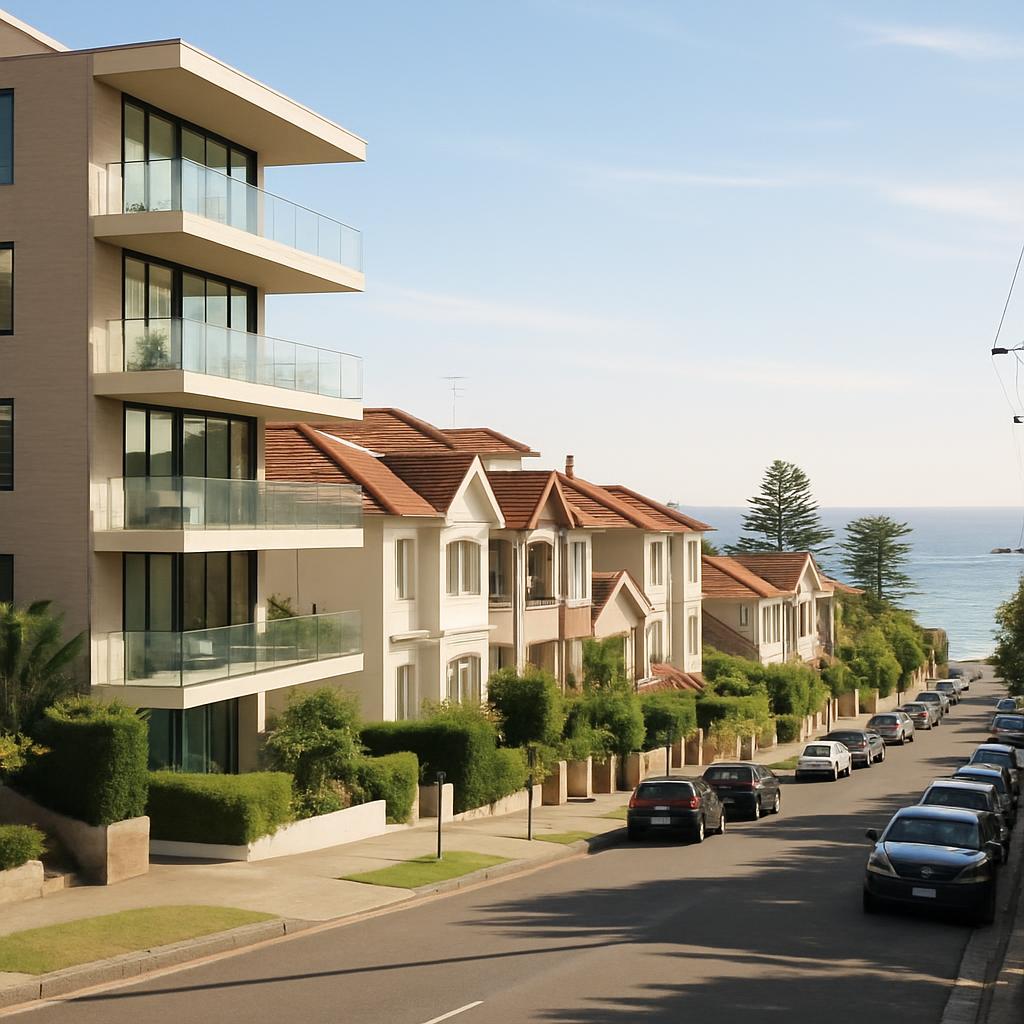
Bondi is a tightly held eastern-suburbs market with strong lifestyle appeal, consistent buyer interest, and a mix of family, investor, and downsizer demand. It generally suits buyers who value beachside living, access to the city, and long-term scarcity over discount pricing. Investors often focus on apartments, well-located semis, and low-maintenance homes with broad tenant appeal. The key is matching the property type to your goal, because Bondi rewards location, liveability, and holding power more than speculative thinking.
Key Takeaways
- Bondi tends to attract steady demand because of its beachside identity, strong amenity, and limited stock.
- Property selection matters: apartments, semis, and houses each suit different budgets, time horizons, and maintenance tolerance.
- Rental demand is typically supported by professionals, couples, sharers, and long-term locals who prioritise lifestyle and convenience.
- Buyers should weigh premium entry costs, strata exposure, parking constraints, and everyday congestion before committing.
- Why this matters: understanding the suburb’s core drivers helps avoid overpaying for the wrong property type.
Pros & Cons
Pros
- Strong lifestyle appeal with beach access, cafés, parks, and a highly recognisable Sydney address.
- Good market depth across owner-occupiers, investors, and downsizers, which can support resale interest.
- Broad rental appeal from tenants who want convenience, character, and coastal proximity.
Cons
- Premium pricing can reduce affordability and make entry more competitive.
- Parking, traffic, and seasonal crowding can affect daily convenience.
- Apartments may involve strata costs and building-specific risks that need careful checking.
Market Overview
Bondi is one of Sydney’s best-known beachside suburbs, and that brand carries real market weight. Its appeal comes from the coastline, established housing stock, walkability, and proximity to the broader eastern suburbs and Sydney CBD employment catchments.
For buyers, Bondi is usually a premium market where lifestyle value and scarcity matter as much as spreadsheets. The housing mix can include apartments, semis, terraces, and detached homes depending on the pocket, so the same suburb can suit very different strategies.
That means the right purchase depends less on “Bondi” as a label and more on street, building quality, aspect, layout, parking, and noise exposure. A well-chosen apartment may suit an investor; a quieter semi may suit a family; a freestanding home may suit a long-term owner-occupier.
Buyer Demand
Demand is typically driven by owner-occupiers seeking lifestyle and convenience, families wanting access to parks and practical day-to-day living, and investors looking for broad tenant appeal. Downsizers and professionals also stay active because low-maintenance property in Bondi can be easier to hold than larger homes.
The biggest demand drivers are beach proximity, walkability, limited land supply, and the suburb’s reputation as a desirable coastal address. In practice, that means well-presented homes in quieter or more convenient pockets can attract stronger interest than the broader suburb label alone would suggest.
Rental Market
Bondi generally appeals to tenants who want a lifestyle address without giving up convenience. Typical tenant profiles include professionals, couples, shared households, and longer-term locals who want to stay close to the beach, transport, and everyday amenity.
Investors should focus on what tenants actually value: functional layouts, natural light, parking where possible, storage, and low-maintenance presentation. A smaller apartment in a good position can often be easier to lease than a larger but awkward property with poor access or weak liveability.
Lifestyle, Transport & Schools
Lifestyle is the main reason many buyers stretch their budget in Bondi. The beach culture, outdoor recreation, local dining, fitness options, and weekday convenience create a strong owner-occupier draw and help support holding appeal over time.
Transport and parking deserve careful attention. Buyers should check bus routes, commute patterns, and the reality of street parking at different times of day, because convenience can vary sharply between pockets. A street that looks ideal on paper may still be frustrating if access is difficult.
Families should investigate school catchments, childcare, and walkability rather than assuming every part of Bondi offers the same experience. Quieter residential streets and proximity to parks can matter as much as beach access when daily family logistics become the priority.
Bondi Suburb Profile
Official 2021 Census snapshot for the ABS Suburbs and Localities geography.
Age profile
Housing tenure
Occupied private dwellings by tenure type.
Salary & income profile
Median total income reported in the Census.
*Annual figures are weekly median × 52 estimates, not separate ABS annual medians.
Education & qualifications
Highest educational attainment, people aged 15+.
Employment status
People aged 15+ who reported being in the labour force.
Industry of employment
Top responses among employed people aged 15 years and over.
Occupation profile
Broad occupation groups among employed residents, including managers.
Property Type Guide
- Apartments: Often the most practical option for investors, first-home buyers, and downsizers. Check strata fees, building condition, noise, parking, and sinking-fund health.
- Semis and terrace-style homes: Good for buyers wanting a house-like feel without the full cost of freestanding property. Shared walls and renovation limits still matter.
- Detached houses: Best suited to long-term family buyers and premium owner-occupiers. Expect scarcity, stronger competition, and larger maintenance commitments.
- Renovated stock: Useful for buyers who value move-in ease or quicker leasing. Make sure the finish is functional, not just cosmetic.
- Original stock: Can offer value-add potential, but budget for upgrades and verify what work is realistically achievable.
Risks & Watch-Outs
- Check strata records carefully, because building quality and maintenance history can materially affect costs and livability.
- Inspect noise exposure from roads, nightlife, pedestrian activity, or nearby construction before assuming the street will feel quiet.
- Do not underestimate parking limitations, narrow access streets, and the daily inconvenience they can create for households.
- Avoid overcapitalising on cosmetic upgrades if the underlying floor plan, aspect, or building fundamentals are weak.
- Verify drainage, building condition, and any site-specific issues through inspections and contract review rather than relying on presentation alone.
Nearby Suburbs to Compare
- Bondi Beach NSW Property Market Guide: Buyers & Investors
- Bondi Beach
- Manly NSW Property Market Guide: Buyers & Investors
- North Sydney NSW Property Market Guide: Buyers & Investors
- Chatswood NSW Property Market Guide: Buyers & Investors
- Sydney NSW Property Market Guide: Buyers & Investors
FAQ
Is Bondi a good suburb to buy in?
Bondi is often a strong choice for buyers who value lifestyle, long-term desirability, and broad market recognition. It is less about buying cheaply and more about buying well in a tightly held, highly sought-after location.
Is Bondi better for investors or owner-occupiers?
It can suit both, but the right property type differs. Investors often lean toward apartments or low-maintenance stock, while owner-occupiers may prioritise semis or houses for space, privacy, and long-term liveability.
What property type works best in Bondi?
There is no single best option. Apartments can offer flexibility and easier upkeep, semis can balance space and lifestyle, and houses suit buyers with bigger budgets and longer holding horizons. The best fit depends on your goal.
What should buyers watch out for?
Pay close attention to strata quality, parking, noise, access, and building condition. In Bondi, the difference between a good purchase and a frustrating one often comes down to everyday usability rather than the postcode itself.
How does Bondi compare with nearby suburbs?
Bondi generally offers a strong mix of lifestyle and convenience, while nearby suburbs may provide different trade-offs in beach access, quietness, transport convenience, or property mix. Comparing micro-locations helps avoid paying for features you do not need.
Conclusion
Bondi remains a premium Sydney suburb with durable buyer appeal, but success depends on matching the property to your purpose. For some, that means a low-maintenance apartment with broad tenant demand; for others, it means a family-friendly semi or long-term coastal home. The best purchase is the one that fits your holding plan, budget, and tolerance for trade-offs.
Sources & How to Verify
- Check current sold evidence and active listings on Domain so you are comparing real-time asking prices and recent market depth.
- Review comparable sales and rental asking ranges on realestate.com.au to confirm whether a property is priced in line with similar stock.
- Use NSW planning and building resources to check zoning, development controls, and any proposed changes that could affect the street or building.
- Confirm transport access and route options on Transport for NSW before assuming a commute is straightforward at all hours.
- Check local area information and council updates through the Waverley Council website to understand local works, parking rules, and public-domain priorities.
- Verify school catchments and official school details with the NSW school finder rather than relying on informal suburb commentary.
- Request strata records, minutes, by-laws, and building reports before buying any apartment so you can assess maintenance history and upcoming costs properly.
- Cross-check flood, drainage, and site constraints through contract documents and relevant authority maps if the property sits in a lower-lying or complex location.