Quick Answer
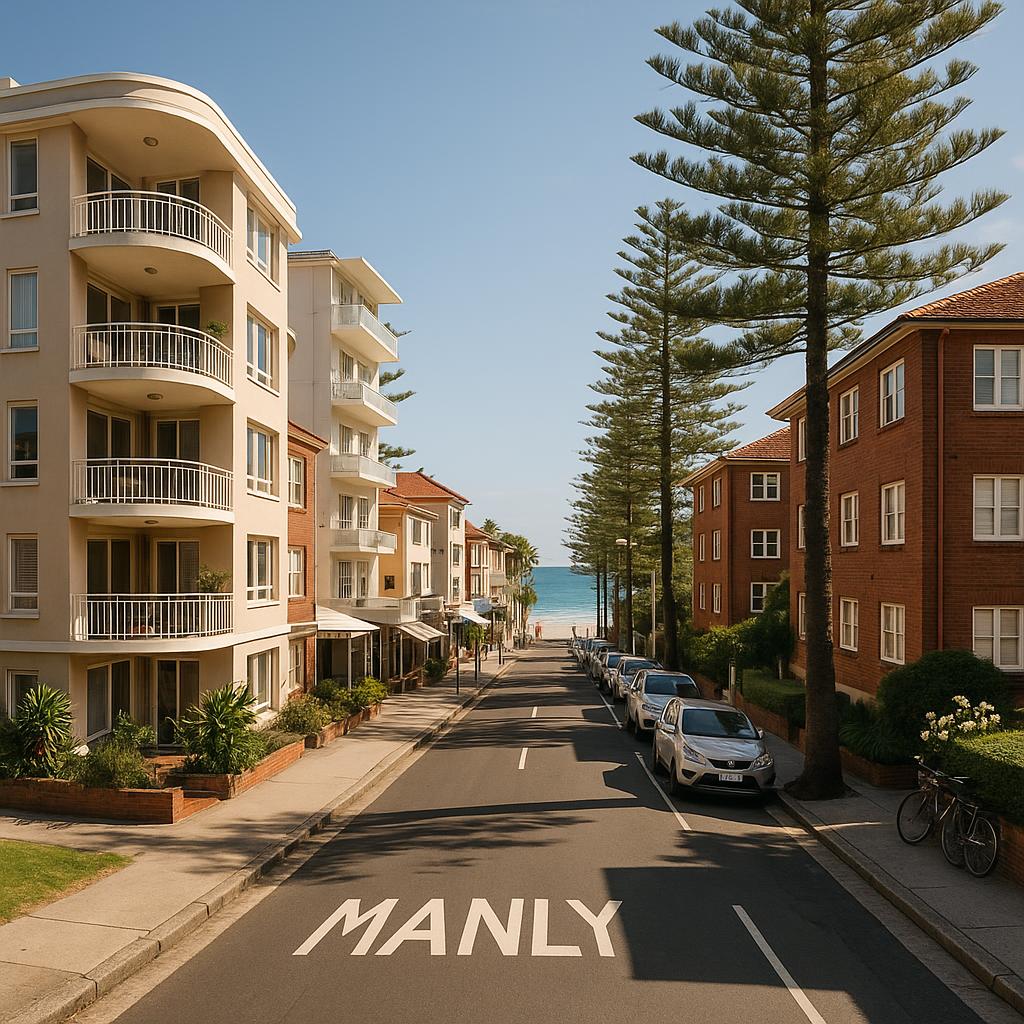
Manly NSW is a premium, tightly held Northern Beaches suburb that suits buyers who prioritise beachside lifestyle, walkability, and long-term desirability. It is generally best for owner-occupiers, downsizers, and investors seeking quality rather than bargain entry or high cash flow. The strongest opportunities usually come from well-located apartments, quality terraces, and tightly held homes with genuine day-to-day convenience. Buyers should focus on micro-location, building quality, and holding costs rather than the suburb name alone.
Key Takeaways
- Manly is a scarcity-led market where lifestyle, location, and presentation matter more than broad affordability metrics.
- Demand is supported by beach access, ferry commuting, village amenity, and the suburb’s premium Northern Beaches reputation.
- Property choice matters: apartments are common, but well-located freestanding homes and terraces remain highly sought after.
- Investors should assess body corporate costs, maintenance risk, and tenant appeal before relying on the suburb’s prestige.
- Manly is often a better fit for capital-growth-minded buyers than for those chasing maximum rental yield or larger land value.
Pros & Cons
Pros
- Iconic coastal lifestyle with strong emotional and owner-occupier appeal.
- Walkable access to beaches, cafés, retail, and ferry commuting options.
- Limited stock and strong prestige help support long-term desirability.
Cons
- Premium entry pricing can place it outside many buyers’ budgets.
- Apartments may involve strata costs, building risks, and by-law restrictions.
- Lifestyle appeal does not automatically translate into strong cash flow.
Market Overview
Manly sits on Sydney’s Northern Beaches and combines ocean-facing lifestyle, harbour access, and a village-style centre that remains highly desirable. For property buyers, that mix creates a market shaped by scarcity, prestige, and convenience rather than broad supply. The most competitive stock is usually the kind that offers an easy daily routine, not just a famous postcode.
Micro-location matters more here than in many suburbs. Apartments close to the ferry, beach, and village amenity can attract a wider buyer pool than otherwise similar stock farther inland. Likewise, a well-renovated property with functional layout and strong presentation often outperforms an older dwelling with awkward design or weak natural light.
For investors and homeowners, the key question is not whether Manly is “good” in the abstract, but whether the property suits the strategy. In this market, buyers are often paying for a blend of liveability, scarcity, and long-term emotional demand. That can be a strong foundation for holding value, provided the property itself is well chosen.
Buyer Demand
Buyer demand in Manly is typically driven by owner-occupiers, downsizers, professionals, and lifestyle-led families. The suburb attracts people who want everyday convenience as much as weekend recreation, which broadens demand beyond beach-focused buyers alone. That depth of interest can be helpful when you eventually resell.
Competition tends to be strongest for turnkey stock: apartments with parking, good light, and manageable strata; terraces or boutique homes with character; and freestanding homes in tightly held pockets. Investors should remember that demand follows usability. A property that feels easy to live in often attracts more enquiries than one that is simply “in Manly.”
Rental Market
Manly generally appeals to tenants who value lifestyle, transport convenience, and a premium coastal setting. Typical renters include professionals, couples, and relocators who want a lower-maintenance base with strong amenity. For landlords, that means presentation, floorplan efficiency, and practical features can matter as much as the address.
Features such as parking, storage, natural light, balcony space, and easy access to the ferry or village centre can materially improve leasing interest. Investors should also factor in ongoing costs: quality buildings and good management often matter more than chasing the highest advertised rent. Verify current asking rents and vacancy trends through live listings before assuming any income outcome.
Lifestyle, Transport & Schools
Manly’s lifestyle is a major part of its property appeal. Residents get beach access, harbour outlooks in some pockets, dining, cafés, recreation, and a generally active outdoor rhythm. That lifestyle can underpin demand even when the broader market softens, because many buyers see Manly as a long-term “keep forever” location.
Transport is another practical advantage. Ferry access gives the suburb a distinctive commuting option, while local bus services connect to surrounding Northern Beaches areas. For many buyers, the ability to combine coastal living with a workable city commute is a major reason Manly holds up so well in buyer searches.
For schools, family buyers should assess the current catchment and nearby options directly before purchasing, because boundaries and enrolment rules can matter. Even when the purchase is lifestyle-led, school access, childcare convenience, and daily routines can shape resale demand. Always confirm the latest information with official NSW school and transport sources rather than relying on agent summaries.
Manly (NSW) Suburb Profile
Official 2021 Census snapshot for the ABS Suburbs and Localities geography.
Age profile
Housing tenure
Occupied private dwellings by tenure type.
Salary & income profile
Median total income reported in the Census.
*Annual figures are weekly median × 52 estimates, not separate ABS annual medians.
Education & qualifications
Highest educational attainment, people aged 15+.
Employment status
People aged 15+ who reported being in the labour force.
Industry of employment
Top responses among employed people aged 15 years and over.
Occupation profile
Broad occupation groups among employed residents, including managers.
Property Type Guide
- Apartments: Often the most accessible entry point; best for buyers wanting lower maintenance, but check strata, building condition, and noise.
- Terraces and townhouses: A useful middle ground for buyers who want more space without committing to a full freestanding house.
- Freestanding homes: Highly desirable and tightly held, with strong emotional appeal, privacy, and land component value.
- Renovated stock: Usually attracts broader demand because buyers in this location often pay for convenience and presentation.
- Original-condition stock: Can suit renovators or value-add buyers, but execution risk is higher and costs should be stress-tested carefully.
Risks & Watch-Outs
- Do not confuse prestige with guaranteed growth; entry price discipline still matters.
- Apartments may carry strata levies, special levies, or building defects that change the real cost of ownership.
- Busy streets, visitor traffic, and nightlife proximity can affect privacy, noise, and day-to-day liveability.
- Coastal exposure can increase maintenance needs through salt air, moisture, and weather-related wear.
- Some “blue-chip” properties have weak floorplans, poor light, or limited functionality despite a strong address.
Nearby Suburbs to Compare
- Bondi Beach NSW Property Market Guide: Buyers & Investors
- Freshwater
- Fairlight
- Balgowlah
- Seaforth
- North Manly
FAQ
Is Manly NSW a good suburb for buyers?
Yes, if your priority is lifestyle, convenience, and long-term desirability. Manly suits buyers who value beach access, ferry commuting, and a premium Northern Beaches address. It is less ideal if your main goal is affordability or a large amount of land.
Is Manly a good suburb for investors?
It can be, but the strategy should be growth and tenant quality rather than maximum yield. Investors usually do best with well-located apartments or boutique homes that are easy to lease, low in maintenance risk, and attractive to quality tenants.
What type of property performs best in Manly?
That depends on the buyer profile. Apartments often suit professionals and downsizers, while terraces and freestanding homes appeal to lifestyle buyers and families. In general, renovated properties with walkability, parking, and good light attract the broadest demand.
Is Manly family-friendly?
Yes, but families should weigh school access, childcare logistics, transport convenience, and whether the property suits daily life. A family may accept a smaller home or apartment if it delivers easier routines, beach access, and a practical commute.
What should buyers watch out for in Manly?
Pay close attention to strata quality, noise, maintenance, floorplan usability, and coastal wear. The suburb’s prestige can distract buyers from building-specific issues, so inspect carefully and compare several streets or buildings before committing.
Conclusion
Manly is a premium, lifestyle-led suburb with enduring buyer appeal and a strong position in Sydney’s Northern Beaches market. It is best suited to buyers who value convenience, scarcity, and liveability over affordability. For investors, the smart play is to focus on quality assets, careful building assessment, and realistic holding costs.
Sources & how to verify
- Check current sold results and live listings on Domain to confirm whether asking prices and recent sales support your purchase view.
- Review comparable listings and recent sales on realestate.com.au so you can compare floorplans, building quality, and market timeframes.
- Use NSW Planning Portal to check zoning, planning controls, and any nearby development proposals that may affect amenity or future supply.
- Verify ferry, bus, and commute options through Transport for NSW before relying on current travel times or service frequency.
- Confirm school catchments and enrolment details with the NSW School Finder, because boundaries and intake arrangements can change.
- Look up local planning context and community information on the Northern Beaches Council website to understand infrastructure, approvals, and local priorities.
- For apartment purchases, ask for strata records and building reports, then verify any levies, defects, or compliance issues before making an offer.
- Cross-check multiple sources rather than relying on a single agent appraisal, because Manly’s micro-markets can differ sharply by street, building, and aspect.