Quick Answer
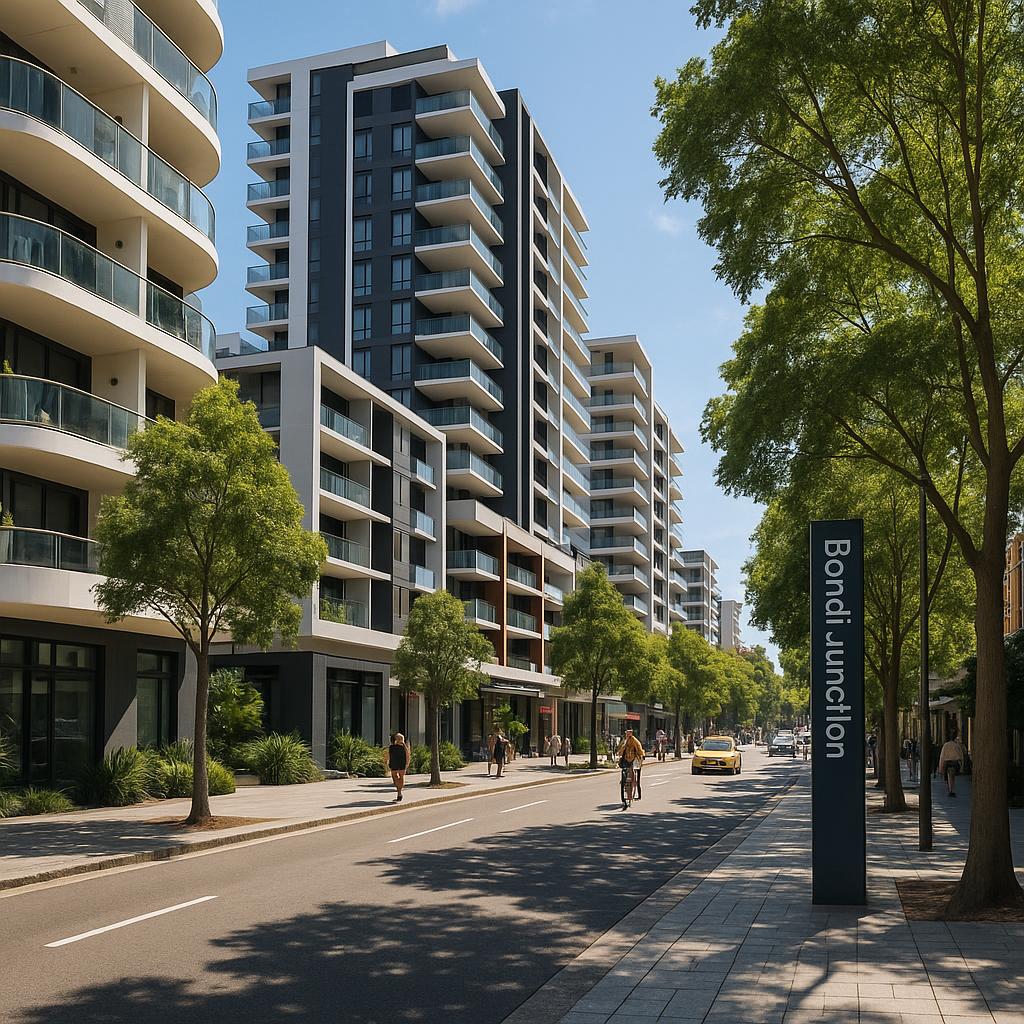
Bondi Junction is a strong inner-east Sydney choice for buyers who value convenience, transport access, and apartment-led living. It tends to suit owner-occupiers, downsizers, and investors who want broad tenant appeal rather than land-heavy housing. The suburb’s main advantage is everyday practicality: you can live, work, commute, shop, and access nearby beaches without relying heavily on a car. The main risk is building-specific quality, so strata, noise, light, and floorplan matter far more than the postcode alone.
Key Takeaways
- Bondi Junction’s appeal is convenience-led, with strong demand for well-located apartments and low-maintenance living.
- The suburb attracts a wide buyer pool, which can help resale liquidity when the property itself is well chosen.
- Transport access, shopping, and services are major value drivers, especially for commuters and downsizers.
- Apartment quality matters more than cosmetic presentation; light, layout, noise, and strata health deserve close scrutiny.
- For investors, tenant-friendly stock near transport usually offers the most reliable leasing depth and broad appeal.
Pros & Cons
Pros
- Excellent convenience for commuting, errands, and access to the eastern suburbs.
- Broad appeal to professionals, downsizers, first-home buyers, and long-term tenants.
- Strong apartment market with multiple building options and lifestyle-oriented demand.
Cons
- Busy urban environment means traffic, noise, and privacy trade-offs in some pockets.
- Strata levies and building maintenance can materially affect total ownership cost.
- Not ideal for buyers seeking a traditional detached-house lifestyle or large land component.
Market Overview
Bondi Junction sits in Sydney’s inner east and functions as a major retail, transport, and employment hub. That shape matters: the suburb behaves more like a high-convenience apartment market than a classic family-house market, so the quality of the building, not just the street name, heavily influences demand.
Buyers here are usually weighing lifestyle efficiency against housing size. Some are upgrading proximity to services; others are downsizing from larger homes and want security, lift access, and easier upkeep. For investors, that mix is useful because it creates demand from several cohorts, not just one.
The practical takeaway is that Bondi Junction rewards disciplined selection. A well-positioned apartment with good light, sensible layout, and sound strata governance can be more desirable than a flashier unit that is noisy, poorly ventilated, or costly to hold.
Buyer Demand
Demand is broad because Bondi Junction works for different life stages. Professionals value the commute savings, downsizers value simplicity and access to services, and first-home buyers are often drawn to the area’s relative convenience compared with more distant suburbs. That breadth can support resale depth when the property itself is marketable.
Buyer behaviour is strongly feature-driven. Parking, lift access, aspect, storage, balcony usability, and noise exposure can shift buyer interest significantly. In this market, two apartments on the same street may appeal to completely different buyers if one is quiet, light-filled, and efficiently planned while the other feels cramped or exposed.
Rental Market
Renters are typically looking for convenience, not just a postcode. Bondi Junction suits tenants who want easy transport, quick access to shopping and services, and a practical base for work in the CBD or eastern suburbs. That creates good fit for compact, well-maintained apartments with functional layouts.
For investors, the most resilient rentals are usually those that meet everyday needs cleanly: good light, secure entry, sensible storage, and a low-maintenance finish. Overspending on luxury fit-out does not always improve leasing outcomes if the underlying apartment is awkward, noisy, or poorly located within the building.
Lifestyle, Transport & Schools
Bondi Junction offers a highly practical urban lifestyle. Daily life is shaped by shopping, dining, fitness, health services, and easy movement across the eastern suburbs. For many households, that means fewer car-dependent routines and more time saved on errands, commuting, and weekend logistics.
Transport access is a defining advantage because it supports both owner-occupier convenience and rental demand. It also broadens the buyer pool for one-car or no-car households. Families often assess schooling alongside housing form and daily routine rather than treating education as the only consideration, so the suburb can suit family living if the apartment size, layout, and nearby amenities align.
As a buyer, inspect how the street feels at peak times, how close the property is to transport, and whether the walk to services is genuinely practical. A suburb can look attractive on paper, but day-to-day comfort is what usually shapes long-term satisfaction.
Bondi Junction Suburb Profile
Official 2021 Census snapshot for the ABS Suburbs and Localities geography.
Age profile
Housing tenure
Occupied private dwellings by tenure type.
Salary & income profile
Median total income reported in the Census.
*Annual figures are weekly median × 52 estimates, not separate ABS annual medians.
Education & qualifications
Highest educational attainment, people aged 15+.
Employment status
People aged 15+ who reported being in the labour force.
Industry of employment
Top responses among employed people aged 15 years and over.
Occupation profile
Broad occupation groups among employed residents, including managers.
Property Type Guide
- Apartments: The core stock type here; best for investors, downsizers, and buyers prioritising convenience over land.
- Older apartments: Often offer better room sizes or thicker construction, but check for deferred maintenance and renovation fatigue.
- Newer apartments: May provide lifts, parking, and modern finishes, but quality control and levies still need careful review.
- Boutique buildings: Can appeal to owner-occupiers seeking privacy, calmer living, and a more limited resident base.
- Larger complexes: Often suit investors and tenants who value amenity, access, and a broader range of comparable stock.
- Best-fit factors: Prioritise light, ventilation, floorplan efficiency, and strata health before cosmetic presentation.
Risks & Watch-Outs
- Building-specific issues can be more important than suburb-level reputation, especially where strata governance is weak.
- Noise from traffic, corridors, or nearby commercial activity can reduce liveability and buyer interest.
- High ongoing costs may arise from strata levies, special levies, or repeated building repairs.
- Poor natural light, awkward layouts, and limited storage can materially weaken resale and rental appeal.
- Parking, access, and lift reliability should be checked carefully because they affect both tenants and future buyers.
Nearby Suburbs to Compare
- Bondi — compare for a stronger beach-first lifestyle and a different daily rhythm.
- Bondi Beach — compare for premium coastal demand and a more beach-centric buyer pool.
- Woollahra — compare for a quieter village feel and different housing mix.
- Double Bay — compare for upscale amenity and a different retail-lifestyle profile.
- Queens Park — compare for park access and a more residential atmosphere.
- Sydney — compare for a broader CBD-adjacent perspective on apartment demand.
FAQ
Is Bondi Junction better for buyers or investors?
It can suit both, but the best result depends on your goal. Buyers who want convenience and walkability often value the suburb’s everyday practicality, while investors benefit from broad tenant appeal and a location that remains relevant across market cycles.
What type of property performs best in Bondi Junction?
Usually well-located apartments with strong natural light, practical layouts, and sound strata management. A smaller apartment that is quiet, secure, and easy to live in can outperform a larger unit with awkward planning or poor orientation.
Is Bondi Junction suitable for first-home buyers?
Yes, especially if you are comfortable with apartment living and want a connected eastern suburbs location. The key is to buy for long-term usability, not just entry price, and to check strata costs before committing.
How important is strata when buying in Bondi Junction?
Very important. In apartment-heavy markets, strata records can reveal maintenance quality, upcoming expenses, and dispute history. Review minutes, levies, sinking fund planning, and any signs of recurring building issues before making an offer.
How does Bondi Junction compare with Bondi, Woollahra, and Double Bay?
Bondi Junction is more convenience- and transport-oriented. Bondi is more beach-focused, Woollahra has a quieter village character, and Double Bay leans toward upscale amenity. Your choice should reflect commute needs, lifestyle priorities, and tolerance for apartment living.
Conclusion
Bondi Junction is a strong Sydney suburb for buyers who value access, practicality, and apartment-led living. The upside is broad demand and everyday convenience; the trade-off is that building quality and strata health matter enormously. If you match the right property to your goal, the suburb can be a highly functional long-term choice.
Sources & how to verify
- Check current sales evidence on Domain so you are comparing real, recent apartment results rather than relying on general reputation.
- Review active rentals on realestate.com.au to confirm current tenant demand, asking rents, and the standard of competing stock.
- Use ABS to verify demographic context, household structure, and broader area trends before drawing conclusions about buyer profiles.
- Check transport service information on Transport for NSW to confirm route options, station access, and service changes that affect day-to-day convenience.
- Confirm planning and zoning details through the NSW Planning Portal, especially if you are assessing redevelopment potential or nearby projects.
- Review catchment and school information on the NSW School Finder because catchments can materially affect family buyer demand.
- Inspect strata minutes, levies, and capital works documents before buying, because the building’s financial health can change your true holding cost.
- Compare the property against multiple inspections at different times of day, as traffic, noise, light, and privacy often vary more than buyers expect.