Quick Answer
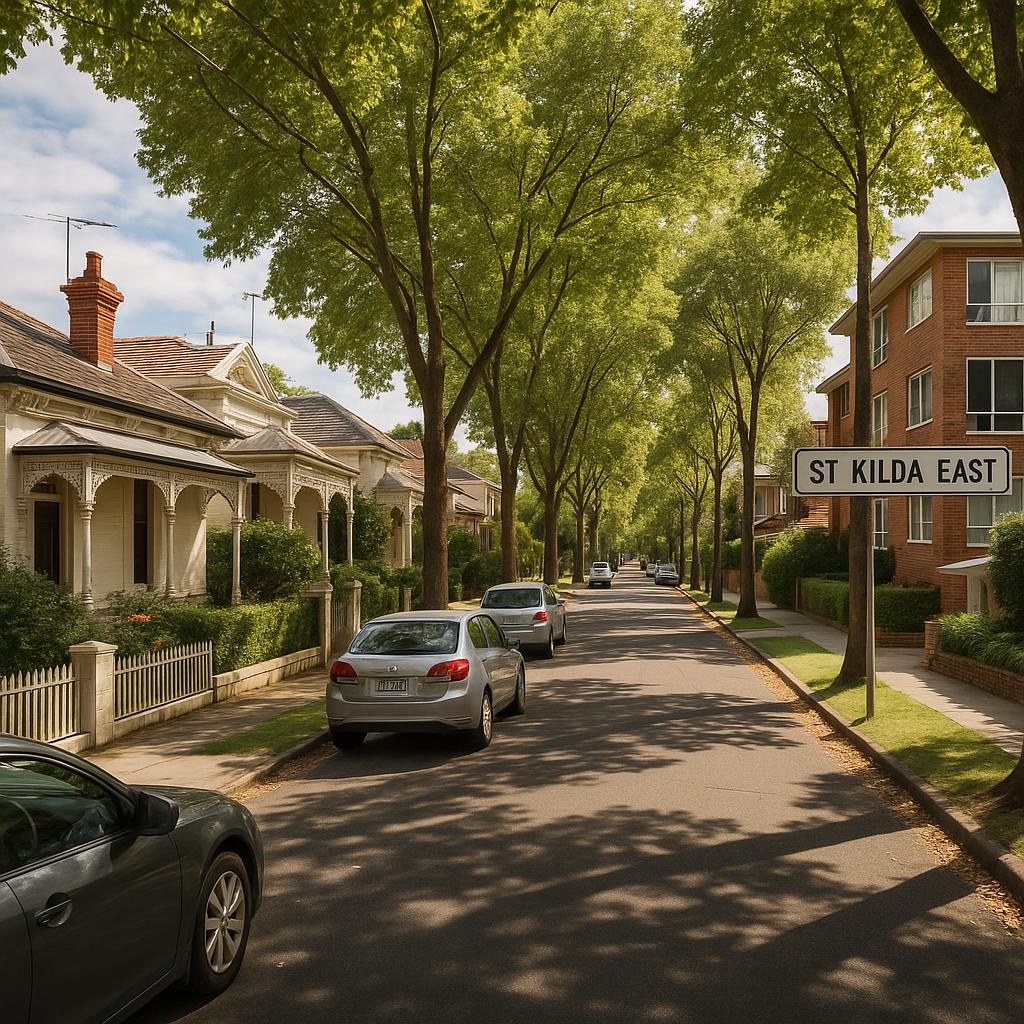
St Kilda East suits buyers who want an inner-south Melbourne location with strong day-to-day convenience, good public transport access, and a housing mix that includes period homes, older apartments, boutique blocks, and renovated stock. It is often a practical choice for investors and owner-occupiers who value liveability, not just prestige. The key is to focus on building quality, layout, light, noise exposure, and ongoing costs rather than assuming every property in the suburb will perform the same.
Key Takeaways
- Inner-south location with broad appeal to owner-occupiers, tenants, and downsizers.
- Property type matters more than postcode hype; building quality can drive outcomes.
- Transport access and walkability are major value drivers for both renters and buyers.
- Older apartments and period homes can offer upside if maintenance is understood upfront.
- Best purchases balance lifestyle, practical floorplan, and manageable holding costs.
Pros & Cons
Pros
- venient inner-urban lifestyle with access to shops, services, and transport.
- Broad buyer and tenant appeal across professionals, couples, downsizers, and some families.
- Varied housing stock creates opportunities for different budgets and strategies.
Cons
- Older stock can bring maintenance, renovation, and strata complexity.
- Some locations face noise, traffic, or privacy trade-offs near busier corridors.
- Parking, storage, and building quality can vary widely between comparable-looking properties.
Market Overview
St Kilda East sits in Melbourne’s inner south-east and is typically assessed as a practical, highly connected residential market rather than a one-note lifestyle suburb. It has a mix of period homes, older apartment stock, boutique low-rise buildings, and renovated dwellings, so the market is best understood by property type and street rather than by suburb name alone. That matters because two seemingly similar properties can attract very different buyer pools depending on light, layout, parking, and building presentation.
For homeowners, the suburb often appeals when convenience is as important as character. For investors, it can be attractive because the local demand base is relatively broad and tends to include renters who want access to transport, amenity, and an easy commute. The practical takeaway is simple: this is a suburb where the “right” asset can outperform a better-known address with weaker fundamentals.
In market terms, buyers usually need to think like asset selectors. A well-kept apartment in a quieter pocket may be more compelling than a larger but compromised home, while a character property can hold strong appeal if the condition and location are right. Use recent comparable sales, agent feedback, and building due diligence to test whether the property you are considering is actually aligned with current demand.
Buyer Demand
Buyer demand in St Kilda East is typically driven by practicality: tram access, nearby amenities, a central-inner location, and a range of dwelling options. That combination tends to suit first-home buyers, professionals, downsizers, and investors who want liquidity and broad resale appeal. Demand can be strongest for homes that feel easy to live in from day one, not just visually attractive online.
Competition often centres on usable floorplans, natural light, quiet positioning, and well-maintained common areas. If you are comparing properties, ask whether the dwelling is genuinely flexible over time: can it suit a couple now and a small family later, or appeal to tenants with different needs? In this suburb, versatility is often a better predictor of marketability than cosmetic finishes alone.
Rental Market
The rental market is supported by tenants who value inner-suburban convenience and transport connectivity. That usually includes professionals, couples, and some shared households, especially where the property offers practical layouts, secure entry, and easy access to daily essentials. Lower-maintenance apartments and neat older dwellings often have the broadest tenant pool.
For investors, the best rental performers are usually properties that solve everyday problems: commute time, storage, security, noise, and usability. A property can look polished yet still struggle if it is poorly planned or expensive to maintain. Check current rental listings and compare competing suburbs before setting expectations, because tenant preferences shift with supply, transport access, and broader rental conditions.
Lifestyle, Transport & Schools
St Kilda East offers a convenient inner-city lifestyle with cafes, local shopping, everyday services, and access to nearby activity centres. It is not just about being close to Melbourne’s core; it is about reducing friction in daily life. Buyers who value walkability and routine convenience often find the suburb more compelling than areas with stronger headline branding but less functional amenity.
Transport access is a major part of the suburb’s appeal. Tram routes are especially relevant for commuters, while broader rail and bus connectivity in surrounding areas can improve flexibility. For families, school zoning and enrolment eligibility should be checked directly with official sources, because catchments and rules can change. That is especially important if schooling is a core reason for buying rather than a secondary benefit.
For homeowners, the liveability test should include an on-foot inspection at different times of day. Look at traffic patterns, parking pressure, noise from nearby routes, and how easy it is to complete daily errands without driving. These details often matter more than a generic suburb reputation.
St Kilda East Suburb Profile
Official 2021 Census snapshot for the ABS Suburbs and Localities geography.
Age profile
Housing tenure
Occupied private dwellings by tenure type.
Salary & income profile
Median total income reported in the Census.
*Annual figures are weekly median × 52 estimates, not separate ABS annual medians.
Education & qualifications
Highest educational attainment, people aged 15+.
Employment status
People aged 15+ who reported being in the labour force.
Industry of employment
Top responses among employed people aged 15 years and over.
Occupation profile
Broad occupation groups among employed residents, including managers.
Property Type Guide
- Period homes: Attractive for character, ceiling height, and renovation potential, but budget for maintenance and compliance-related work.
- Boutique apartments: Often suit buyers wanting lower-rise living, better privacy, and a smaller building footprint.
- Older apartment blocks: Can offer stronger room proportions and better value, but strata health and building condition are critical.
- Renovated stock: Can reduce immediate work and widen buyer appeal, provided the improvements are functional rather than cosmetic only.
- Ground-floor or smaller units: May suit budget-conscious buyers, though privacy, security, and light need careful checking.
Risks & Watch-Outs
- Older buildings can carry hidden costs, so review strata records, maintenance plans, and any history of special levies.
- Noise, privacy, and parking can vary sharply by street and even by side of a building.
- Cosmetic renovation should never replace proper checks on structure, dampness, ventilation, and building services.
- Some apartments look similar online but differ materially in layout efficiency, storage, and natural light.
- Investors should test rent assumptions against current competing listings rather than relying on suburb-wide averages.
Nearby Suburbs to Compare
- Balaclava VIC Property Market Guide: Buyers & Investors
- St Kilda West VIC Property Market Guide: Buyers & Investors
- Caulfield
- Elwood
- Brighton
FAQ
Is St Kilda East a good suburb for first-home buyers?
Yes, if you want an inner-Melbourne location with practical access to transport and amenity. First-home buyers should be selective about building quality, floorplan efficiency, and ongoing costs, because these factors can matter more than the suburb label itself.
Is St Kilda East better for houses or apartments?
It depends on your goals. Houses and period homes may suit buyers seeking character and longer-term flexibility, while apartments can suit people prioritising lower maintenance and easier entry. The best choice is the one that matches your budget, lifestyle, and holding strategy.
What should investors focus on most in St Kilda East?
Investors should focus on tenant appeal, low-maintenance design, transport convenience, and building quality. A property that is easy to lease and inexpensive to hold is often more resilient than one with short-term visual appeal but weak practical fundamentals.
How important is strata when buying an apartment here?
Very important. In apartment-heavy markets, strata health can materially affect cash flow, resale confidence, and long-term maintenance costs. Review body corporate records, levies, insurance, and planned works before you make an offer or finalise finance.
How do I verify whether a property is really good value?
Compare it with recent sold results, current listings, floorplan quality, and building condition. Then inspect the property in person and check the surrounding street at different times of day. Good value is usually a combination of location, liveability, and manageable risk.
Conclusion
St Kilda East is best approached as a selection market, not a generic suburb play. The strongest results usually come from choosing the right building, the right street, and the right layout for your goal. If you want an inner-south location with broad appeal and practical liveability, this suburb deserves careful consideration.
Sources & How to Verify
- Check current sold results and active listings on Domain to confirm what similar properties are actually trading and renting for right now.
- Use realestate.com.au to compare floorplans, asking prices, and rental competition across St Kilda East and nearby suburbs.
- Confirm planning controls, overlays, and permit information through Planning Victoria before assuming renovation or redevelopment potential.
- Review local amenity, permits, and area information on the City of Port Phillip website where relevant to nearby services and local conditions.
- Verify school zones and enrolment details with the Find My School tool rather than relying on agent descriptions or older online references.
- Check public transport routes, service changes, and station or tram access through Public Transport Victoria to understand real commuting convenience.
- Use ABS data for broad demographic context, but treat it as background only and not a substitute for current property-level evidence.
- Inspect strata documents, building reports, and the street environment yourself, because the quality of one apartment building can differ sharply from another nearby.