Quick Answer
Balaclava is best suited to buyers and investors who prioritise walkability, transport access, and low-maintenance living over land size. It tends to appeal to first-home buyers, downsizers, and investors chasing broad tenant demand in an inner-Melbourne location. The key is to buy the right dwelling, in the right pocket, with a close eye on building quality, noise, and ongoing strata costs. In Balaclava, micro-location and property type matter more than broad suburb averages.
Key Takeaways
- Balaclava is a lifestyle-led inner suburb where convenience, not land size, usually drives buyer interest and rental appeal.
- Apartment quality matters heavily, so assess layout, natural light, noise exposure, and owners corporation costs before making an offer.
- The suburb can suit first-home buyers, downsizers, and investors, but each group should target different property types and streets.
- Rental demand is generally supported by proximity to transport, retail, and city access, making well-located stock easier to lease.
- Compare Balaclava with nearby suburbs based on dwelling type, amenity, and long-term holding costs rather than postcode alone.
Pros & Cons
Pros
- Excellent convenience for everyday living and commuting.
- Broad appeal to renters who value transport and amenity.
- Good fit for low-maintenance ownership and compact dwellings.
Cons
- Apartment-heavy stock can reduce land-content upside.
- Body corporate fees and building condition can affect returns.
- Noise and privacy can vary sharply between streets and buildings.
Market Overview
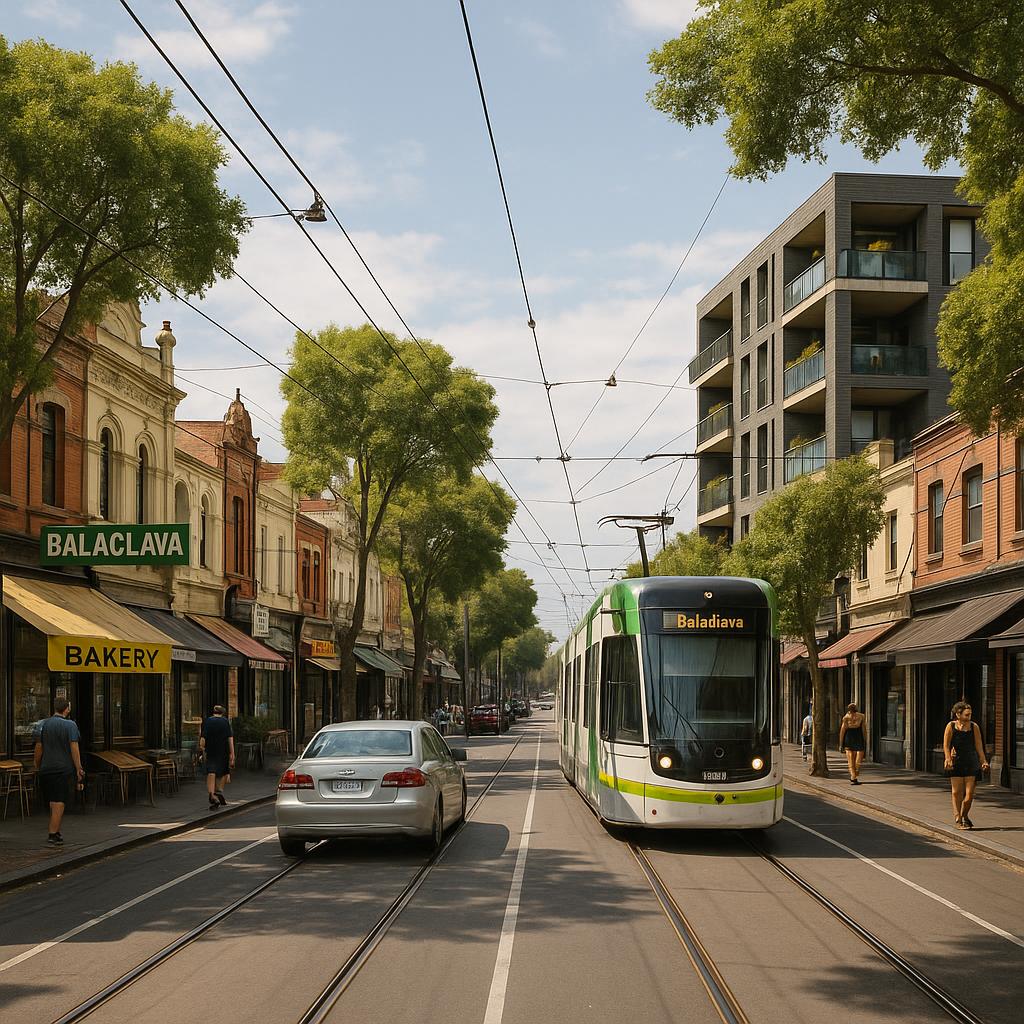
Balaclava is an established inner-south Melbourne suburb with a compact, urban feel and a strong convenience-first profile. It is typically compared with nearby lifestyle suburbs rather than outer-ring family areas, which means location, transport access, and dwelling quality often matter more than broad suburb labels.
The local market is shaped by apartments, older units, boutique low-rise buildings, and some character dwellings. That mix creates opportunity for buyers with clear goals, but it also means two homes in the same street can have very different liveability and resale strength depending on light, layout, parking, and building condition.
For investors and homeowners, the main takeaway is simple: Balaclava rewards careful selection. A well-located, well-kept property can be far more compelling than a cheaper option with poor orientation, weak storage, or ongoing maintenance issues.
Buyer Demand
Buyer demand in Balaclava usually comes from people who want a connected urban lifestyle. That includes first-home buyers entering inner Melbourne, owner-occupiers seeking convenience, downsizers wanting less upkeep, and investors looking for a broad tenant pool.
Demand tends to be strongest for properties that are easy to live in and easy to rent. A practical two-bedroom apartment near transport and retail will often appeal more widely than a more idiosyncratic dwelling that looks attractive in photos but is harder to furnish, lease, or resell.
Rental Market
Balaclava generally suits tenants who prioritise commute time, amenity, and a walkable lifestyle. That commonly includes professionals, couples, singles, and sharers who prefer access to transport and everyday services over larger homes and backyard space.
For investors, the rental story is usually about usability rather than novelty. Functional layouts, secure entry, reasonable storage, natural light, and sensible ongoing costs tend to matter more than cosmetic finishes alone. Before relying on any rental estimate, check current listings and comparable leased properties.
Lifestyle, Transport & Schools
Balaclava’s lifestyle appeal comes from its café culture, local retail, and easy access to surrounding inner-Melbourne amenity. Buyers often value the ability to do more on foot, which can be a major advantage for downsizers and time-poor professionals.
Transport access is another major draw. Rail and tram connectivity make the suburb practical for city commuters, while walkability can be just as important as driving convenience. If you are buying here, test the commute at peak time and walk the immediate streets, not just the broader suburb boundary.
Schools can matter for some households, but buyers should verify catchments and enrolment details directly with official sources rather than assume based on suburb reputation. In Balaclava, family suitability often depends more on the specific property, nearby amenities, and daily routine than on the suburb’s headline image.
Balaclava (Vic.) Suburb Profile
Official 2021 Census snapshot for the ABS Suburbs and Localities geography.
Age profile
Housing tenure
Occupied private dwellings by tenure type.
Salary & income profile
Median total income reported in the Census.
*Annual figures are weekly median × 52 estimates, not separate ABS annual medians.
Education & qualifications
Highest educational attainment, people aged 15+.
Employment status
People aged 15+ who reported being in the labour force.
Industry of employment
Top responses among employed people aged 15 years and over.
Occupation profile
Broad occupation groups among employed residents, including managers.
Property Type Guide
- Apartments: Often the most accessible entry point; check body corporate health, building age, light, ventilation, and noise insulation.
- Boutique low-rise units: Can suit buyers wanting a quieter feel and stronger owner-occupier appeal if the block is well maintained.
- Townhouses: Useful for buyers who want more space than a standard apartment without moving to a full family-house market.
- Character homes and older dwellings: Can offer charm and upside, but renovation scope, maintenance, and layout practicality need careful review.
The right property type in Balaclava depends on your holding period and use case. Investors usually benefit from simple, broadly appealing stock, while lifestyle buyers may justify a premium for better design, parking, and privacy.
Risks & Watch-Outs
- Micro-location matters a lot, so assess traffic, rail proximity, nightlife spillover, and street feel at different times of day.
- Older apartment buildings can hide maintenance issues, so review strata records and upcoming capital works carefully.
- Low-cost listings can be misleading if the layout is awkward, dark, or difficult to furnish.
- Cosmetic upgrades do not always fix building-quality problems, especially in apartment-heavy pockets.
- Always think about your exit strategy: who will want to buy or rent this property later?
Nearby Suburbs to Compare
- St Kilda West VIC Property Market Guide: Buyers & Investors
- St Kilda West
- Windsor
- Prahran
- Elwood
- Ripponlea
FAQ
Is Balaclava a good suburb for first-home buyers?
It can be, especially if you want an inner-Melbourne lifestyle and are comfortable with apartment living. First-home buyers should focus on layout quality, building condition, and transport access rather than assuming every listing offers equal value.
Is Balaclava a good suburb for investors?
Yes, if you buy for tenant appeal and holding efficiency. The strongest investor options are typically low-maintenance properties with broad rental demand, sensible body corporate costs, and easy access to transport and daily amenity.
What type of property is best in Balaclava?
That depends on your goal. Investors often favour straightforward apartments or boutique units, while owner-occupiers may prefer a better-designed apartment or townhouse. Character homes can work, but they usually require a more hands-on approach.
What should I check before buying an apartment here?
Review strata levies, maintenance history, natural light, ventilation, noise, storage, and parking. Also compare the building against similar stock nearby, because the cheapest apartment is not always the best long-term value.
How does Balaclava compare with nearby suburbs?
It generally competes on convenience and compact urban living. Nearby suburbs may offer more bayside character, stronger nightlife, or different housing stock, so the best choice depends on your budget, commute, and preferred property type.
Conclusion
Balaclava is a strong fit for buyers and investors who want inner-suburban convenience, transport access, and low-maintenance living. The suburb is less about chasing land-content upside and more about selecting the right dwelling in the right pocket. If you compare buildings carefully and verify ongoing costs, Balaclava can be a practical, lifestyle-led choice.
Sources & how to verify
- Check current listings and recent sold results on Domain to understand how different property types are being priced and marketed right now.
- Use realestate.com.au to compare asking rents, property features, and available stock before forming an opinion about tenant demand.
- Verify local transport routes and service patterns on Public Transport Victoria so you understand how practical the commute really is.
- Confirm school zones and enrolment guidance through Find My School rather than relying on general suburb assumptions.
- Review planning, local amenity, and any area-specific updates on the City of Port Phillip website if a listing appears near active projects or policy changes.
- Check suburb-level characteristics through the Australian Bureau of Statistics if you want a broader demographic context, but treat it as background rather than a buy decision by itself.
- Ask for body corporate records, recent meeting minutes, insurance details, and capital works information before buying any apartment or unit in the area.
- Walk the immediate street at different times of day to verify noise, parking pressure, traffic flow, and the general feel of the pocket you are considering.