Quick Answer
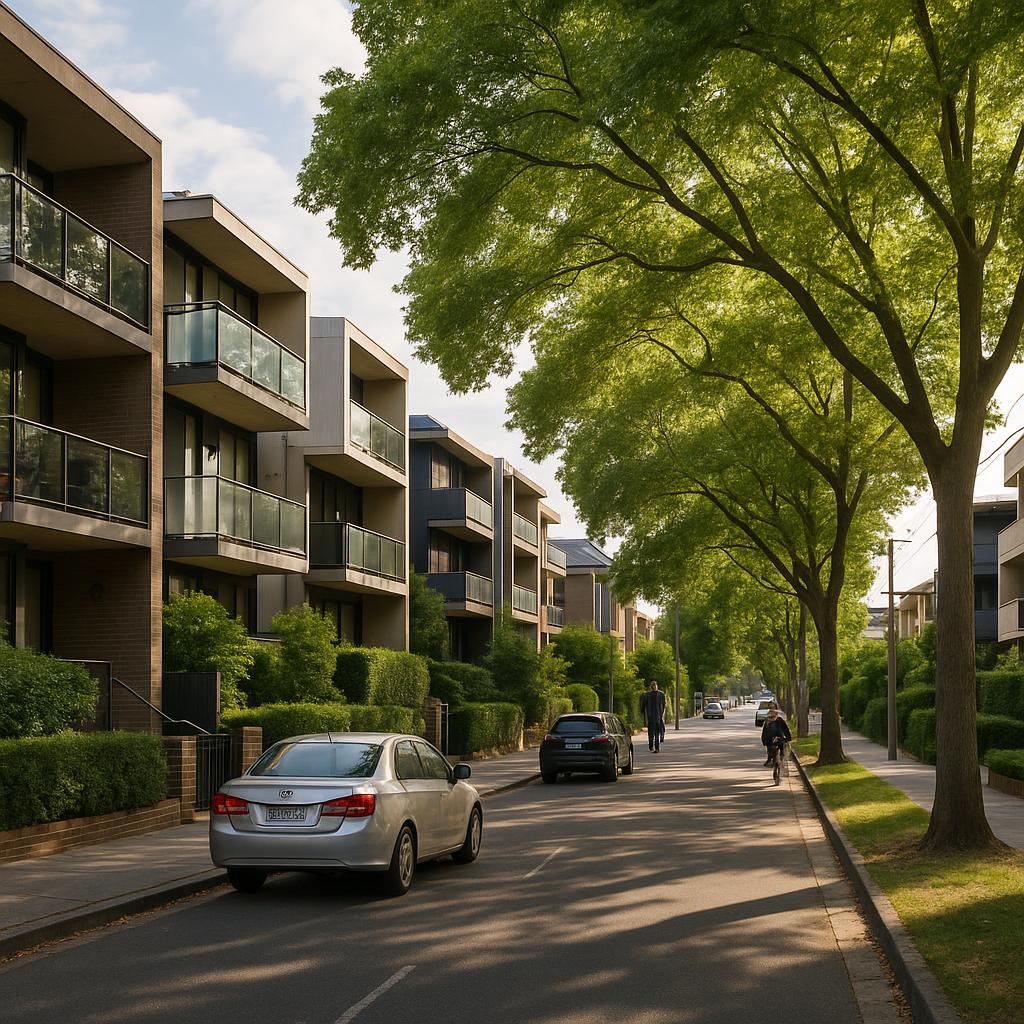
Burnley is a tightly held inner-east Melbourne suburb that suits buyers and investors who want convenience, commuter efficiency, and lifestyle access close to Richmond, Hawthorn, and the CBD. It is best approached as a location-led market where property type, building quality, and street position matter more than broad suburb averages. For investors, Burnley tends to favour low-maintenance homes that match inner-city renter demand; for owner-occupiers, it rewards careful inspection and a focus on liveability, not just postcode appeal.
Key Takeaways
- Burnley is a compact inner-east suburb where convenience, transport access, and lifestyle connections are major value drivers.
- Demand is typically strongest for well-located, low-maintenance homes that suit professionals, downsizers, and city-based renters.
- Street-by-street variation matters, so noise, parking, and building quality can affect resale and rental performance.
- Apartments and townhouses often offer the most practical entry points, while detached homes can be scarcer and more competitive.
- Compare Burnley against nearby inner-east suburbs on commute, livability, and property type, not just on reputation.
Pros & Cons
Pros
- Inner-city location with strong access to the CBD and major employment precincts.
- Good appeal for buyers and renters who value time-saving transport and daily convenience.
- Close to green space, the Yarra corridor, and established inner-east amenity.
Cons
- Limited suburb size can mean fewer options and more competition for the best stock.
- Noise, traffic, and parking issues can vary significantly by street and building.
- Apartment buyers need to assess strata, maintenance, and resale quality carefully.
Market Overview
Burnley sits in Melbourne’s inner east and functions more like a tightly connected lifestyle pocket than a broad residential suburb. Its market character is shaped by proximity to Richmond, Hawthorn, the Yarra, and key commuter routes, which means the exact property and street often matter more than the suburb name alone.
That small-scale structure can work in buyers’ favour if they choose well, because scarce, well-presented stock can attract strong attention. It can also work against careless buyers, because a poor floor plan, busy road exposure, or weak building quality is harder to overlook when buyers are paying for convenience.
For investors and homeowners, Burnley is best viewed as a “quality filter” market. The strongest interest usually goes to properties that solve a practical daily need: quick commuting, easy upkeep, and a sensible layout. In this kind of suburb, buyers often compare Burnley with nearby inner-east options before they compare it with the broader Melbourne market.
Buyer Demand
Buyer demand in Burnley is usually driven by end users as much as investors. Professionals want shorter travel times and an easier weekday routine, downsizers want low-maintenance living in a premium location, and first-home buyers are often drawn to the suburb’s connectivity and inner-city feel.
When demand is strong, it is often because the property offers a clear use case: easy access to work, practical parking, good natural light, quiet internal positioning, and a layout that will remain easy to resell. Buyers tend to pay attention to details that improve day-to-day living, not just headline location.
Rental Market
Burnley can appeal to renters who prioritise commuting convenience, access to the inner east, and a low-fuss lifestyle. That usually includes young professionals, couples, and workers who would rather trade extra space for time savings and better proximity to jobs and amenity.
For landlords, the key is matching the dwelling to that renter profile. Well-kept apartments and townhouses with parking, storage, security, and a sensible floor plan often make more sense than overly customised or high-maintenance stock. Before buying, verify current asking rents, vacancy patterns, and comparable leased properties on major listing platforms rather than relying on a generic suburb estimate.
Lifestyle, Transport & Schools
Burnley’s lifestyle appeal comes from its inner-city convenience, access to green space, and proximity to larger amenity in surrounding suburbs. Buyers who like a walkable daily routine often value being close to cafés, recreation, and the Yarra corridor while still remaining within easy reach of the CBD.
Transport is one of the suburb’s strongest practical advantages, but the value is not just about distance to the city. It is about commute reliability, access to multiple travel options, and the ability to live car-light if needed. That said, properties near busier routes or rail corridors should be inspected carefully for noise and privacy.
Schools and childcare still matter, even in a suburb that is not primarily family-led. Families usually want to verify current school zones, nearby early learning options, and walkability before deciding whether the suburb suits their longer-term plans. A strong education plan can widen the future buyer pool and support resale flexibility.
Burnley Suburb Profile
Official 2021 Census snapshot for the ABS Suburbs and Localities geography.
Age profile
Housing tenure
Occupied private dwellings by tenure type.
Salary & income profile
Median total income reported in the Census.
*Annual figures are weekly median × 52 estimates, not separate ABS annual medians.
Education & qualifications
Highest educational attainment, people aged 15+.
Employment status
People aged 15+ who reported being in the labour force.
Industry of employment
Top responses among employed people aged 15 years and over.
Occupation profile
Broad occupation groups among employed residents, including managers.
Property Type Guide
- Apartments: Often the most practical option for buyers seeking lower maintenance, but assess building quality, owners corporation health, storage, and noise exposure.
- Townhouses: Can suit downsizers and professionals wanting more space and privacy, provided the layout, parking, and outdoor areas are genuinely functional.
- Detached homes: Scarcer and potentially more competitive, so value depends heavily on street appeal, renovation scope, and local comparables.
- For investors: Focus on renter-friendly features such as parking, security, efficient floor plans, and manageable ongoing costs.
- For owner-occupiers: Prioritise liveability, quiet positioning, storage, and how the property will work in daily life, not just on inspection day.
Risks & Watch-Outs
- Street-by-street variation can be significant, so two similar homes may offer very different livability and resale outcomes.
- Apartment buyers should review owners corporation records, sinking fund position, and any upcoming special levies or maintenance issues.
- Convenience can come with trade-offs such as traffic, noise, reduced privacy, or limited visitor parking.
- Do not overpay simply because the postcode feels premium; the actual asset quality still determines long-term performance.
- Investor buyers should confirm the property matches local renter expectations, because awkward layouts or weak amenity can slow leasing.
Nearby Suburbs to Compare
FAQ
Is Burnley a good suburb for buyers?
Yes, if you want an inner-east location with strong convenience and are willing to prioritise property quality over size. Burnley suits buyers who value a shorter commute, good access to amenity, and a home that will remain easy to live in and resell.
Is Burnley good for investors?
It can be, particularly for investors targeting low-maintenance stock that aligns with inner-city renter demand. The key is to buy a property that is easy to lease, practical to maintain, and not overly exposed to noise, strata risk, or awkward floor plans.
What property types are most useful to focus on in Burnley?
Apartments and townhouses are often the most practical starting point because they match the suburb’s convenience-led appeal. Detached homes may be rarer, so if you are looking for one, compare carefully against nearby suburbs and verify whether the premium is justified.
What should I check before buying in Burnley?
Check street noise, parking, transport access, building condition, owners corporation records, and how the property compares with nearby alternatives. For family buyers, also verify school zones and childcare options using current official sources before you rely on any online listing summary.
How does Burnley compare with nearby suburbs?
Burnley often competes with nearby inner-east suburbs that offer similar access to transport and amenity but different levels of urban intensity. The best comparison is based on your use case: commuting, renting, downsizing, or holding for long-term owner-occupier appeal.
Conclusion
Burnley is a small but strategically positioned inner-east suburb that rewards disciplined buyers. If you focus on the right dwelling type, the right street, and the right building quality, the suburb can offer strong everyday convenience and broad market appeal. The main task is avoiding the mistake of paying for location while ignoring the property itself.
Sources & How to Verify
- Check current sold and asking prices on Domain so you are comparing Burnley against live market evidence rather than stale estimates.
- Review active rentals on realestate.com.au to confirm what type of properties are being leased and how they are presented.
- Use ABS data to understand suburb context, but avoid treating broad census information as a substitute for current property-by-property analysis.
- Check local planning and zoning information through Planning Victoria so you know whether redevelopment, overlays, or future nearby change could affect your property.
- Confirm transport details on Public Transport Victoria and inspect the route yourself, because timetable convenience and walkability matter in daily use.
- Verify school zones and school options through Find My School before making family-related decisions, since catchments can change and are not always obvious from listing portals.
- Ask for owners corporation records, including meeting minutes and fee history, because apartment and townhouse costs can materially change affordability and resale confidence.
- Inspect the street at different times of day to test noise, parking, traffic, and privacy, because these practical factors often determine whether a Burnley property feels premium.