Quick Answer
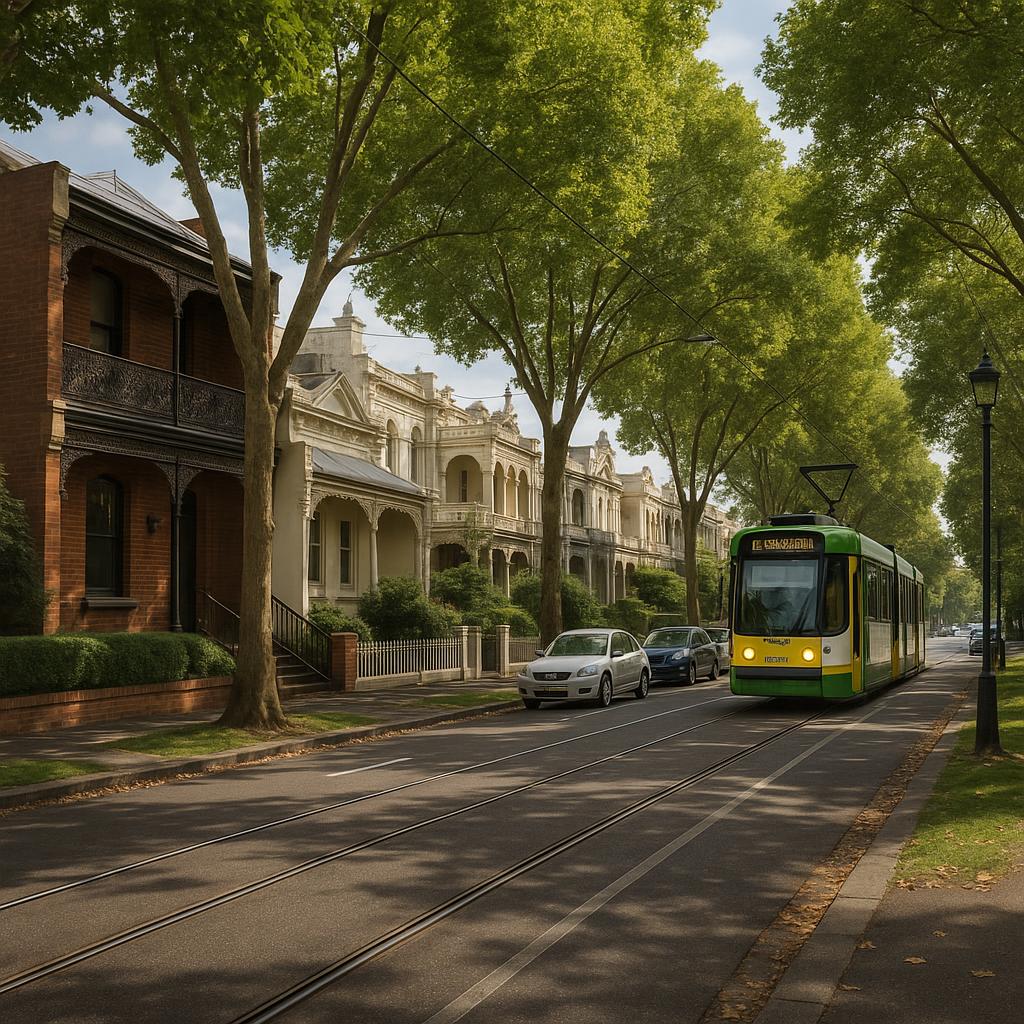
Hotham Hill suits buyers who want an inner-Melbourne lifestyle with strong day-to-day convenience, good transport access, and a more residential feel than some busier nearby precincts. It often appeals to owner-occupiers who value character and walkability, plus investors looking for steady tenant interest from professionals, couples, and small households. The main trade-offs are older housing stock, parking pressure in some streets, and the need to compare micro-locations carefully before buying.
Key Takeaways
- Hotham Hill offers compact inner-city living with practical access to employment, transport, and everyday services.
- Demand is usually strongest for well-presented, low-maintenance homes that suit busy professionals and downsizers.
- Older housing can add character, but buyers should budget for maintenance, upgrades, and building-condition checks.
- Rental appeal is typically location-led, so presentation, functionality, and transport proximity matter a lot.
- Street-by-street differences can be significant, making in-person inspections essential before committing.
Pros & Cons
Pros
- Inner-Melbourne location with strong convenience value.
- Balanced appeal for both owner-occupiers and investors.
- Mix of character homes and low-maintenance dwellings.
Cons
- Parking and traffic can be limiting in some pockets.
- Older housing may carry higher repair and upgrade costs.
- Apartments and units require careful body corporate due diligence.
Market Overview
Hotham Hill is a compact inner-north Melbourne suburb with a distinctly urban feel, yet it is generally more residential than the busiest city-fringe pockets. Its appeal comes from convenience, established streetscapes, and proximity to transport and amenities rather than from large-block land supply.
For buyers, that means the suburb is usually about choosing the right dwelling type and street rather than chasing a one-size-fits-all market. A renovated period home, a modest apartment, and a low-maintenance infill property can each tell a very different ownership story.
Because the suburb is tightly held and highly connected, micro-location matters. Buyers should compare noise exposure, parking, access to services, and the immediate streetscape, then verify current sales and listings to understand how those factors are being priced today.
Buyer Demand
Demand is typically driven by lifestyle, not just accommodation needs. Buyers often prioritise commute convenience, walkability, and access to inner-city employment areas, which supports interest from professionals, couples, and downsizers.
Properties that are move-in ready, well maintained, and easy to lock up and leave usually stand out. Homes with awkward layouts, limited storage, or higher upkeep can still sell, but they tend to appeal to a narrower buyer pool and need sharper pricing.
Rental Market
Hotham Hill generally has rental appeal because it offers a practical inner-city base with strong access to transport and services. That can suit tenants who value time savings and lifestyle convenience more than extra space.
For investors, the best results usually come from matching the dwelling to the likely tenant profile. Compact, well-presented, low-maintenance properties often lease more smoothly than larger homes that need ongoing care or have less functional layouts.
Lifestyle, Transport & Schools
The lifestyle here is urban and connected. Residents tend to choose Hotham Hill for convenience, local amenity, and the ability to live close to the city without being fully immersed in the busiest parts of it.
Transport access is a major part of the suburb’s value proposition, but buyers should still test the exact walk from the property, not just rely on a map. Check peak-hour traffic, parking availability, and late-night noise before deciding where a home sits on your shortlist.
School access can matter even for buyers without children because it affects long-term resale demand. Families should confirm zones, enrolment rules, and travel times directly through official education sources rather than relying on informal suburb talk.
Property Type Guide
- Period homes: Strong character and owner-occupier appeal, but inspect for maintenance needs, renovation quality, and energy efficiency.
- Units and apartments: Often lower maintenance and attractive to investors, but body corporate costs and building condition matter.
- Townhouses/infill homes: Can balance space and convenience, yet layout efficiency, privacy, and build quality are critical.
- Best inspection focus: Check roof, plumbing, moisture, sound transfer, storage, and parking practicality before making an offer.
Risks & Watch-Outs
- Street-by-street differences can materially affect noise, parking, and overall liveability.
- Older homes may hide maintenance issues that are not obvious on a first inspection.
- Apartments can come with body corporate restrictions, special levies, or deferred upkeep.
- Buyer competition in desirable pockets can encourage rushed decisions or emotional bidding.
- Renovation budgets should be realistic, because cosmetic appeal can mask deeper repair costs.
Nearby Suburbs to Compare
- West Melbourne VIC Property Market Guide: Buyers & Investors
- Kensington
- North Melbourne
- Parkville
- Flemington
FAQ
Is Hotham Hill a good suburb for first-home buyers?
It can be, if you prioritise inner-city access over land size. First-home buyers should focus on liveability, transport convenience, and total holding costs, especially if choosing an older home or apartment with additional maintenance obligations.
Is Hotham Hill a good suburb for investors?
Potentially yes, because location-led demand can support leasing interest from tenants who value convenience and a central base. Investors should assess the exact dwelling type, body corporate exposure, and likely tenant profile rather than assuming every property will perform equally.
What types of properties are most common in Hotham Hill?
The suburb generally suits a mix of older character housing, apartments, and some infill or townhouse-style dwellings. Buyers should verify the current mix through listings and recent sales, because stock can vary street by street and over time.
What should buyers inspect most carefully?
Focus on building condition, insulation, moisture, noise transfer, parking practicality, and layout efficiency. In an inner suburb, a property’s exact position on the street can affect daily living more than the suburb name alone.
How does Hotham Hill compare with nearby inner-north suburbs?
It generally competes on convenience, character, and a more compact residential feel. Nearby suburbs may offer different levels of intensity, greenery, or housing stock, so compare the actual property type and street context rather than relying on suburb reputation.
Conclusion
Hotham Hill is best suited to buyers who want inner-Melbourne convenience with a practical, residential feel. The suburb rewards careful street-level due diligence, realistic maintenance budgeting, and a clear view of your end goal. For the right buyer or investor, it offers a strong mix of access, character, and everyday livability.
Sources & How to Verify
- Check current sold and advertised listings on Domain to understand the dwelling mix, price positioning, and buyer competition in real time.
- Review realestate.com.au for current rental stock and presentation standards so you can compare likely tenant appeal.
- Use the ABS to verify demographic context rather than relying on outdated suburb summaries or marketing copy.
- Consult Public Transport Victoria to confirm route options, service frequency, and the real transport convenience from a specific address.
- Check Victorian school zone information to confirm enrolment areas directly, because school access can change demand for a property.
- Review the City of Melbourne for local planning, parking, amenity, and infrastructure updates that may influence liveability and future works.
- Order independent building and pest inspections, and if buying a unit or townhouse, read the body corporate records carefully before you commit.
- Visit the street at different times of day to test noise, traffic, parking, and general feel, because inner-suburb micro-location can materially change ownership experience.