Quick Answer
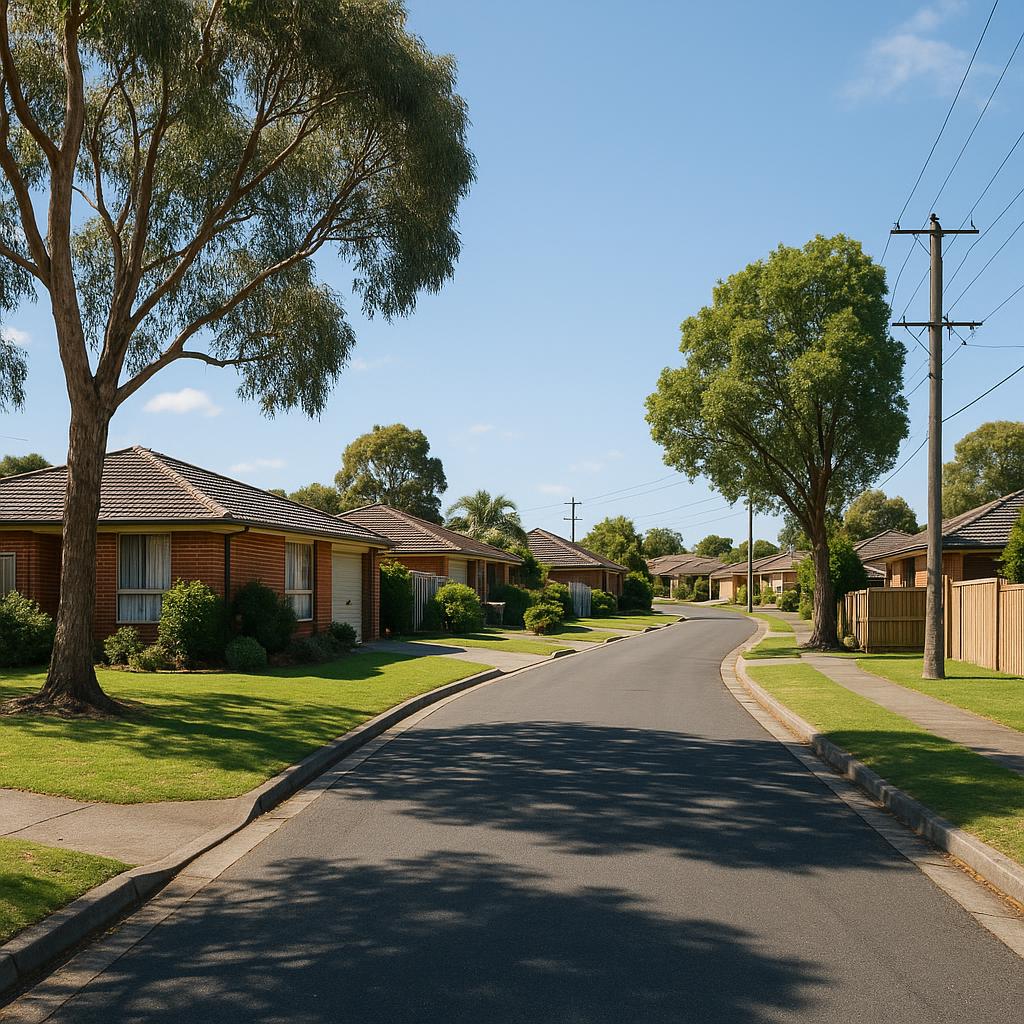
Narre Warren is a practical south-east Melbourne suburb that suits buyers who value everyday convenience, family functionality, and broad resale appeal over prestige positioning. It can work well for owner-occupiers and investors when the property is matched to the right pocket, because streets vary noticeably in traffic, noise, and housing quality. Focus on land, layout, parking, and access to amenities rather than glossy upgrades. For investors, the strongest opportunities are usually low-maintenance homes with wide tenant appeal.
Key Takeaways
- Narre Warren appeals to practical buyers who want usable housing, everyday convenience, and a suburb with steady end-user demand.
- Buyer outcomes are highly location-specific, so the right street can matter as much as the right postcode.
- Families, commuters, downsizers, and investors are all active here, which supports broad resale flexibility.
- Low-maintenance homes and well-kept older houses tend to perform better than highly customised or awkward layouts.
- Always verify current sold prices, rental listings, and local infrastructure plans before treating any suburb summary as fact.
Pros & Cons
Pros
- Strong day-to-day convenience for shopping, transport links, healthcare access, and family routines.
- Broad appeal across owner-occupiers and investors, which can improve resale flexibility.
- Mix of detached homes, townhouses, and established stock gives buyers several strategy choices.
Cons
- Street-by-street differences are significant, and some pockets carry more traffic, noise, or exposure than others.
- Older homes may need meaningful maintenance, energy upgrades, or layout improvements.
- Similar-style housing in nearby areas can create competition if the property lacks a clear point of difference.
Market Overview
Narre Warren sits in Melbourne’s south-east family-housing corridor and is generally valued for utility rather than glamour. It attracts buyers who want established suburban living with access to retail, schools, transport connections, and everyday services. That makes it a sensible comparison point for people weighing convenience against budget and commute trade-offs.
The market tends to reward practicality. Detached homes appeal to families and renovators, while townhouses and lower-maintenance dwellings can suit downsizers, busy professionals, and investors. The biggest mistake is treating the suburb as uniform: a quiet residential street with a functional floorplan can feel very different from a busy road or an awkwardly configured site.
For buyers, the key question is not whether Narre Warren is “good” in the abstract, but whether a specific property offers the right mix of liveability, future resale, and holding-cost comfort. That is especially important if you are deciding between an older home with upside, a newer-feeling low-maintenance option, or a larger block that may need work.
Buyer Demand
Demand is usually driven by real-life needs: family size changes, school logistics, commute practicality, and the desire for more space without moving too far from major amenities. That means the suburb often attracts end-users who are buying for long-term use, not just short-term market momentum.
For investors, that broad demand base matters because it can support both rental occupancy and future resale. The most resilient properties are typically those that are easy to live in: sensible layouts, usable parking, good presentation, and access to the services local households actually use.
Rental Market
Narre Warren is generally appealing to tenants who want convenience, family functionality, and manageable commutes. Typical tenant profiles often include families, couples, key workers, and renters who prefer suburb stability over inner-city amenity. In practice, the best rentals are usually those that feel easy to maintain and easy to live in.
For investors, that means prioritising homes with durable finishes, sensible storage, good heating and cooling, and practical outdoor space. A property that looks impressive in photos but is inconvenient in daily use may struggle more than a simpler dwelling that suits the local renter profile. Check current listings and local leasing competition before assuming a home will lease quickly.
Lifestyle, Transport & Schools
Lifestyle in Narre Warren is convenience-led. It suits buyers who want errands, shopping, and family logistics to feel straightforward rather than aspirational. If your idea of value is a calm daily routine with less travel friction, the suburb can make sense. If you want café-strip energy or prestige streetscapes, you may prefer a different part of Melbourne.
Transport access is a meaningful part of the suburb’s appeal, particularly for commuters who need predictable travel time. Buyers should assess practical access to train services, bus connections, and major roads, then inspect peak-hour conditions rather than relying on map distance alone. A home that is slightly smaller but easier to commute from can outperform a larger but less convenient alternative.
School access also matters, but avoid focusing only on rankings. For family buyers, the better question is whether the home fits the routines that matter most: school drop-off, childcare access, after-school activities, and weekend sport. A well-located home on a quieter street can be more valuable to a family than a bigger property that is harder to manage each day.
Narre Warren Suburb Profile
Official 2021 Census snapshot for the ABS Suburbs and Localities geography.
Age profile
Housing tenure
Occupied private dwellings by tenure type.
Salary & income profile
Median total income reported in the Census.
*Annual figures are weekly median × 52 estimates, not separate ABS annual medians.
Education & qualifications
Highest educational attainment, people aged 15+.
Employment status
People aged 15+ who reported being in the labour force.
Industry of employment
Top responses among employed people aged 15 years and over.
Occupation profile
Broad occupation groups among employed residents, including managers.
Property Type Guide
- Detached houses: Best for families and upsizers wanting land, flexibility, and broader resale appeal; check for dated interiors and maintenance history.
- Townhouses and low-maintenance homes: Suited to downsizers, busy professionals, and investors; confirm storage, outdoor space, and any owners corporation obligations.
- Older homes with renovation upside: Can offer value if the structure, street, and block are right; budget conservatively for hidden repair work.
- Newer or newer-feeling stock nearby: Often easier to lease and maintain, but can come with smaller land sizes and less individuality.
- Best selection rule: Match the home to your holding period and the likely future buyer or tenant, not just your current taste.
Risks & Watch-Outs
- Some pockets are noisier or more traffic exposed, so inspect at different times of day before deciding.
- Older dwellings can hide maintenance costs, particularly where cosmetic presentation masks deeper issues.
- Overcapitalising on renovations is a real risk if the property ends up too bespoke for the local market.
- Broad suburb averages can mislead buyers because street quality and amenity access vary sharply within Narre Warren.
- Do not assume proximity to amenities automatically means better liveability; access, parking, and noise all matter.
Nearby Suburbs to Compare
- Berwick VIC Property Market Guide: Buyers & Investors
- Dandenong VIC Property Market Guide: Buyers & Investors
- Hampton Park
- Cranbourne
- Keysborough
FAQ
Is Narre Warren good for first-home buyers?
It can be a strong fit for first-home buyers who prioritise practicality, access, and usable housing rather than prestige. The key is choosing a property that suits both your budget and your daily routine, then checking local traffic, maintenance needs, and resale flexibility.
Is Narre Warren a good suburb for investors?
Yes, if you buy the right stock. Investors should focus on broad tenant appeal, low maintenance, functional layouts, and convenient access to transport and services. Verify current leasing demand and compare similar rentals nearby before assuming a property will perform well.
What property type is best in Narre Warren?
That depends on your strategy. Detached homes generally suit families and long-term ownership, while townhouses may suit investors or downsizers wanting easier upkeep. Older homes can add value if the site and street are strong enough to justify renovation.
What should buyers watch out for in Narre Warren?
Look closely at street exposure, traffic noise, parking practicality, maintenance condition, and whether the floorplan suits modern living. A home can look solid online but disappoint in person if access, privacy, or renovation costs are not properly assessed.
How does Narre Warren compare with nearby suburbs?
Berwick may feel more polished, while Hampton Park and Cranbourne can offer different affordability and stock profiles. Dandenong and Keysborough may suit buyers comparing access and price. The right choice depends on whether you prioritise convenience, land, or a lower-maintenance home.
Conclusion
Narre Warren is best seen as a practical, demand-driven suburb with broad appeal to families, commuters, and investors who value function over flash. The strongest purchases are usually the ones that combine good street quality, sensible layout, and genuine day-to-day convenience. Buy selectively, verify current local evidence, and focus on the property type that matches your long-term goal.
Sources & how to verify
- Check current sold listings and asking prices on Domain so you are not relying on stale suburb-wide estimates.
- Review live rental listings on realestate.com.au to gauge tenant competition, presentation standards, and rental stock quality.
- Use the Australian Bureau of Statistics for official demographic and household context rather than guesswork.
- Confirm local planning and zoning matters through Victoria’s planning portal before assuming future development potential.
- Check school zones and enrolment details via the Find My School tool, since catchments can materially affect buyer demand.
- Review rail, bus, and route information on Public Transport Victoria to assess commute practicality and service access.
- Cross-check road access, traffic exposure, and nearby works using official Victorian transport sources before assuming a short drive equals an easy commute.
- Speak with local agents or property managers to compare the subject property with recent nearby sales and leases, because street-level differences matter more than broad suburb averages.