Quick Answer
Dandenong is a major south-eastern Melbourne suburb that suits buyers and investors who prioritise access, practicality, and a wide choice of property types. It is generally best for first-home buyers, investors, and owner-occupiers who value transport, retail convenience, and a more affordable entry than many inner and middle-ring suburbs. It is less suitable for buyers chasing quiet, leafy, prestige streetscapes. The best results come from careful street-by-street selection and checking condition, amenity, and surrounding land use.
Key Takeaways
- Dandenong functions as a major activity centre, so convenience and connectivity are core parts of its property appeal.
- Housing choice is broad, which helps buyers match strategy, from low-maintenance investing to family homes with renovation potential.
- Demand is supported by multiple buyer groups, not just one demographic, which can help resale depth over time.
- Rental appeal tends to be strongest where transport access, presentation, and practical layouts combine well.
- Street-level due diligence matters more here than in many quieter suburbs because amenity and liveability vary sharply.
Pros & Cons
Pros
- Strong access to transport, retail, and everyday services
- Broad range of property types and price entry points
- Established suburb profile with ongoing urban renewal interest
Cons
- Some pockets feel busy, commercial, or traffic-heavy
- Older housing stock can mean higher maintenance and upgrade costs
- Liveability can change quickly from one street to the next
Market Overview
Dandenong is one of Melbourne’s most important south-eastern activity centres, with a mix of residential streets, retail, civic facilities, and employment uses. That blend means the market is not defined by one housing style or one buyer type. Instead, it attracts first-home buyers, upgraders, investors, and households that want practical access to services.
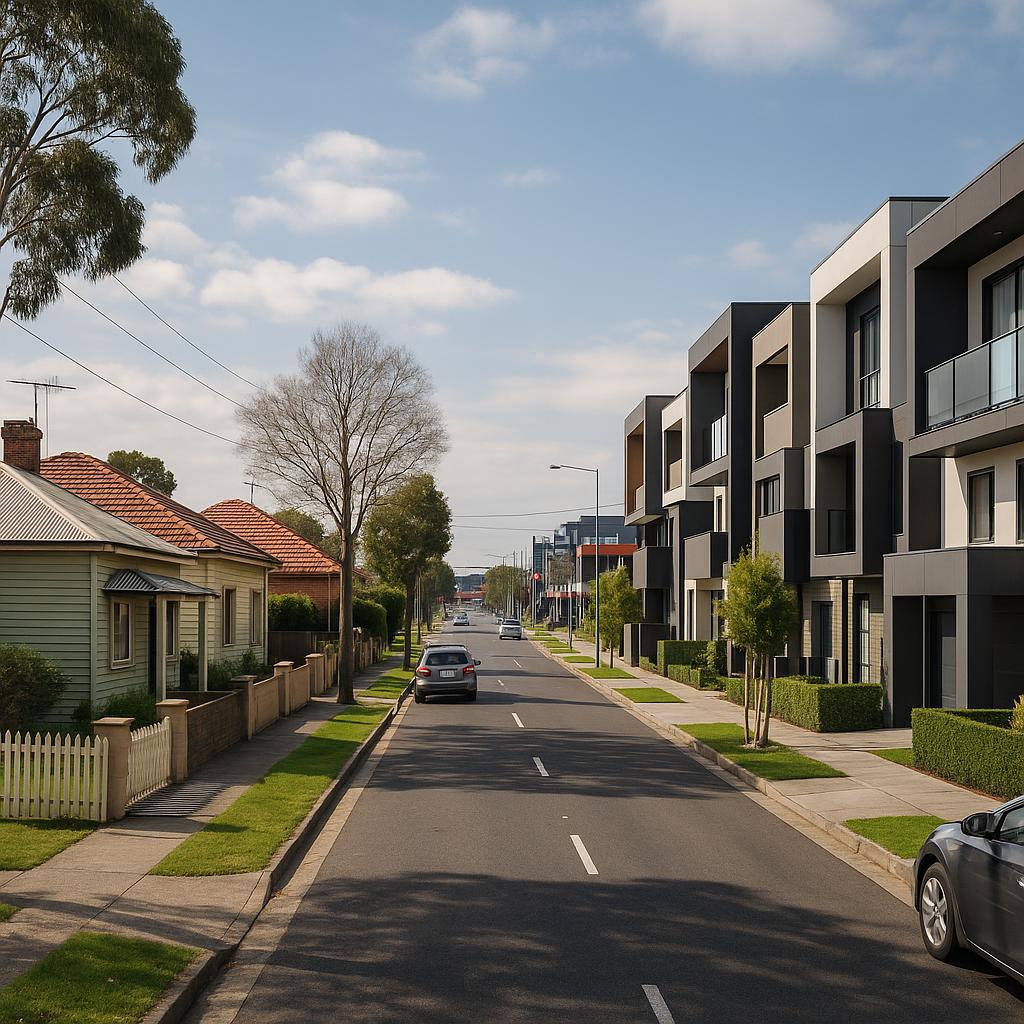
The suburb’s structure creates distinct micro-markets. A renovated home on a quieter residential street may appeal very differently from an older dwelling closer to busier commercial edges. Buyers should think in terms of pocket quality, surrounding uses, and future upkeep rather than relying on the suburb name alone.
For investors and homeowners alike, the key question is whether the property offers the right balance of access, condition, and resale depth. In Dandenong, “best value” often means the property that will be easiest to live in, rent, and eventually sell — not simply the cheapest on the day.
Buyer Demand
Buyer demand in Dandenong is driven by practicality. The suburb tends to appeal to people who want usable transport links, daily convenience, and a broader choice of housing than many more tightly held inner areas. That makes it relevant to both owner-occupiers and investors.
Demand is usually strongest for well-kept homes and low-maintenance dwellings in more settled residential pockets. Buyers should watch how different property types perform in the local market, because a unit, townhouse, or detached house may each attract a different buyer pool. For a nearby point of comparison, see the Noble Park VIC Property Market Guide: Buyers & Investors.
Rental Market
Dandenong generally suits renters who value convenience over prestige. The tenant base is typically broad, including workers, couples, families, and shared households looking for access to transport, shopping, and services. That diversity can be useful for investors seeking more consistent leasing depth.
Rental performance often depends on presentation and location within the suburb. Well-located dwellings with practical layouts, parking, and low maintenance requirements are usually easier to lease. Investors comparing the south-east may also want to review the Springvale VIC Property Market Guide: Buyers & Investors and the Keysborough VIC Property Market Guide: Buyers & Investors.
Lifestyle, Transport & Schools
Lifestyle in Dandenong is urban, active, and convenience-led. The suburb offers a practical everyday environment with shopping, food, services, and civic infrastructure close at hand. That is a major benefit for people who want to reduce daily driving and keep errands simple.
Transport access is one of the suburb’s key strengths, both for commuters and for rental demand. Road connections also support people who travel across Melbourne for work. Buyers should assess how close the property is to transport options without overpaying for noise, congestion, or heavy foot traffic.
School access can matter for both family buyers and investors, but it should always be verified directly through current enrolment and zone information. Dandenong can suit households needing a practical base, although school fit will depend on the exact property location and current catchment rules.
Dandenong Suburb Profile
Official 2021 Census snapshot for the ABS Suburbs and Localities geography.
Age profile
Housing tenure
Occupied private dwellings by tenure type.
Salary & income profile
Median total income reported in the Census.
*Annual figures are weekly median × 52 estimates, not separate ABS annual medians.
Education & qualifications
Highest educational attainment, people aged 15+.
Employment status
People aged 15+ who reported being in the labour force.
Industry of employment
Top responses among employed people aged 15 years and over.
Occupation profile
Broad occupation groups among employed residents, including managers.
Property Type Guide
- Detached houses: Best for buyers wanting more space, land value, and renovation potential; check condition carefully.
- Townhouses: Suited to low-maintenance living with broader owner-occupier and investor appeal.
- Units/apartments: Often the easiest entry point; focus on building quality, strata costs, and block presentation.
- Older homes: Can offer upside if the bones are good, but budget for compliance and repairs.
- Renovated stock: Attractive for buyers wanting convenience, provided the improvements are genuine and well executed.
Risks & Watch-Outs
- Street-by-street differences are material, so inspect the immediate surrounds rather than relying on suburb-wide assumptions.
- Traffic, rail proximity, and commercial activity can affect comfort, parking, and long-term resale appeal.
- Older dwellings may carry hidden costs in roofs, wiring, plumbing, insulation, or general maintenance.
- Cheap entry price does not always mean cheap ownership if the property needs frequent repairs or upgrades.
- Investors should confirm who the likely tenant is before buying, because not every property suits the same renter profile.
Nearby Suburbs to Compare
- Noble Park
- Keysborough
- Springvale
- Dandenong North
- Dandenong South
FAQ
Is Dandenong a good suburb for first-home buyers?
Dandenong can be a sensible option for first-home buyers who want access and relative affordability rather than prestige. The key is to choose a property with manageable ongoing costs, decent presentation, and a street that feels comfortable to live in.
Is Dandenong good for investors?
Yes, it can be. Investor appeal usually comes from broad tenant demand, transport access, and a wide range of property types. The best investment outcome depends on buying a property that is easy to lease, easy to maintain, and easy to resell later.
What property types are common in Dandenong?
Dandenong has a mixed stock profile, including detached houses, units, townhouses, and older dwellings suitable for renovation. That diversity is useful, but it also means buyers must compare like with like and avoid assuming one price point tells the whole story.
Is Dandenong suitable for families?
It can be, particularly for families that value access to services, transport, and daily convenience. The main question is pocket selection: some streets are better suited to family life than others, especially when you factor in traffic, noise, and parking.
What should buyers inspect most carefully?
Focus on the immediate street, the condition of the building, parking, and nearby land uses. In Dandenong, those details can materially affect both liveability and resale. A strong building inspection is especially important for older stock.
Conclusion
Dandenong is a practical Melbourne south-east suburb with broad appeal for buyers who value access, convenience, and variety. It can work well for homeowners and investors, provided the property suits the street, the buyer’s goals, and the likely tenant or future resale market. Careful due diligence is essential.
Sources & how to verify
- Check current listings and sold results on Domain so you are not relying on outdated price expectations or rental estimates.
- Review current rental listings on realestate.com.au to see what property types, layouts, and presentation levels are actually leasing well.
- Use the Victorian Government site to confirm planning, property, and broader state information before making assumptions about future change.
- Check zoning, overlays, and planning controls through VicPlan so you understand whether redevelopment or extensions may be constrained.
- Verify school zones and enrolment rules on Find My School because catchments can change and they materially affect family demand.
- Review transport options and service changes via Public Transport Victoria to confirm how usable the commute really is from the exact property.
- Cross-check council planning and local amenity information on the City of Greater Dandenong website if you want current local context affecting the street or precinct.
- Always pair online research with a building and pest inspection, because condition issues are often the biggest hidden cost in suburbs with older housing stock.